
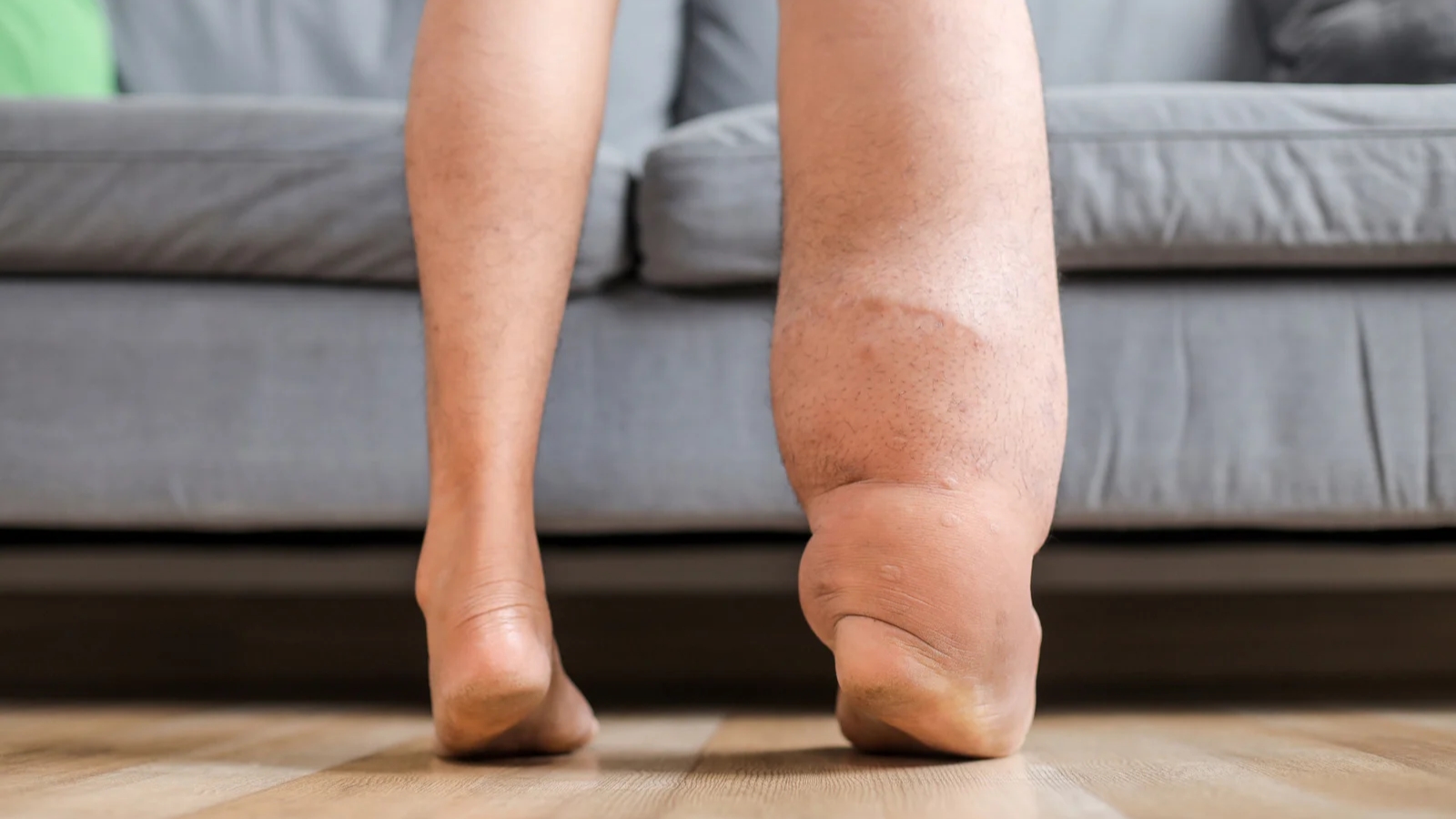
Swollen feet are a common issue that can make standing, walking, or even relaxing uncomfortable. The swelling, often caused by fluid buildup in the tissues, is known as edema. It can result from standing or sitting too long, dehydration, poor circulation, or even temperature changes. While occasional swelling is normal, frequent or painful swelling can interfere with your daily life and mobility.
Fortunately, you can manage and reduce swelling using simple, effective remedies at home. These methods help relieve pressure, improve blood flow, and ease inflammation naturally. Here are ten practical swollen feet remedies that can bring you quick and lasting relief.
1. Elevate Your Feet
Elevation is one of the fastest ways to reduce swelling and discomfort. By keeping your feet above the level of your heart, gravity helps drain excess fluid from your lower legs back into circulation.
Lie on your back and rest your legs on a few pillows, or place them against a wall for 15–20 minutes. The higher your feet are, the more effective the drainage. This position also relieves pressure from your veins and eases soreness.
For best results:
- Elevate your feet multiple times throughout the day.
- Combine elevation with deep breathing to encourage relaxation.
- Avoid crossing your legs, which can restrict blood flow.
Even short sessions of elevation after work or long periods of standing can noticeably reduce swelling and pain.
2. Soak In Epsom Salt
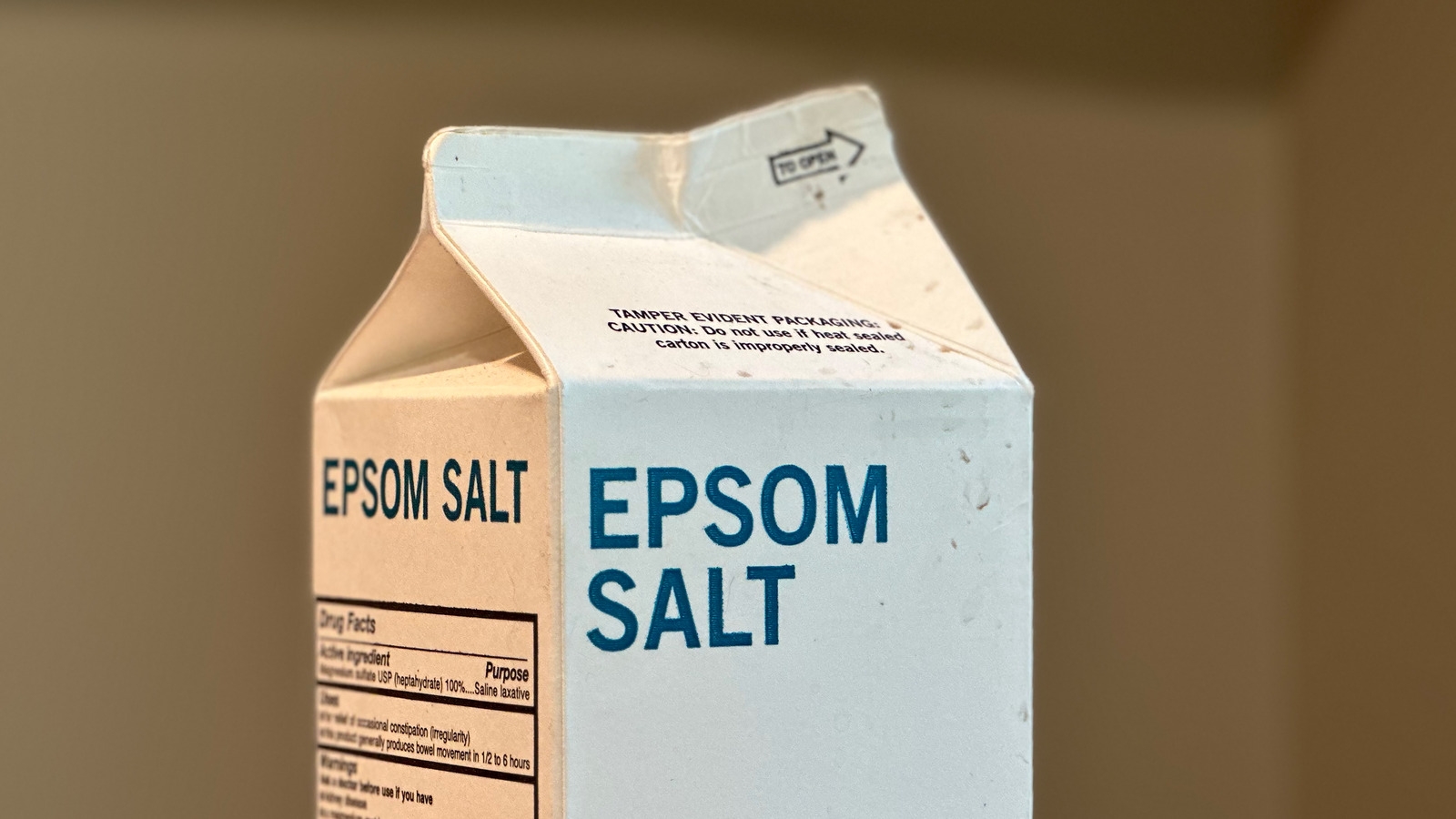
An Epsom salt soak is one of the most soothing and effective remedies for swollen feet. The magnesium sulfate in Epsom salt helps draw out excess fluid and reduce inflammation. Warm water relaxes muscles, promoting better circulation and comfort.
Fill a basin or tub with warm water and mix in half a cup of Epsom salt. Soak your feet for 15 to 20 minutes while you relax. The minerals in the salt are absorbed through the skin, easing stiffness and pain.
You can enhance the soak by:
- Adding essential oils like peppermint or lavender for relaxation.
- Following up with a light foot massage afterward.
- Using this soak two to three times a week for ongoing relief.
This simple remedy not only reduces swelling but also helps restore comfort after long hours on your feet.
3. Wear Compression Socks
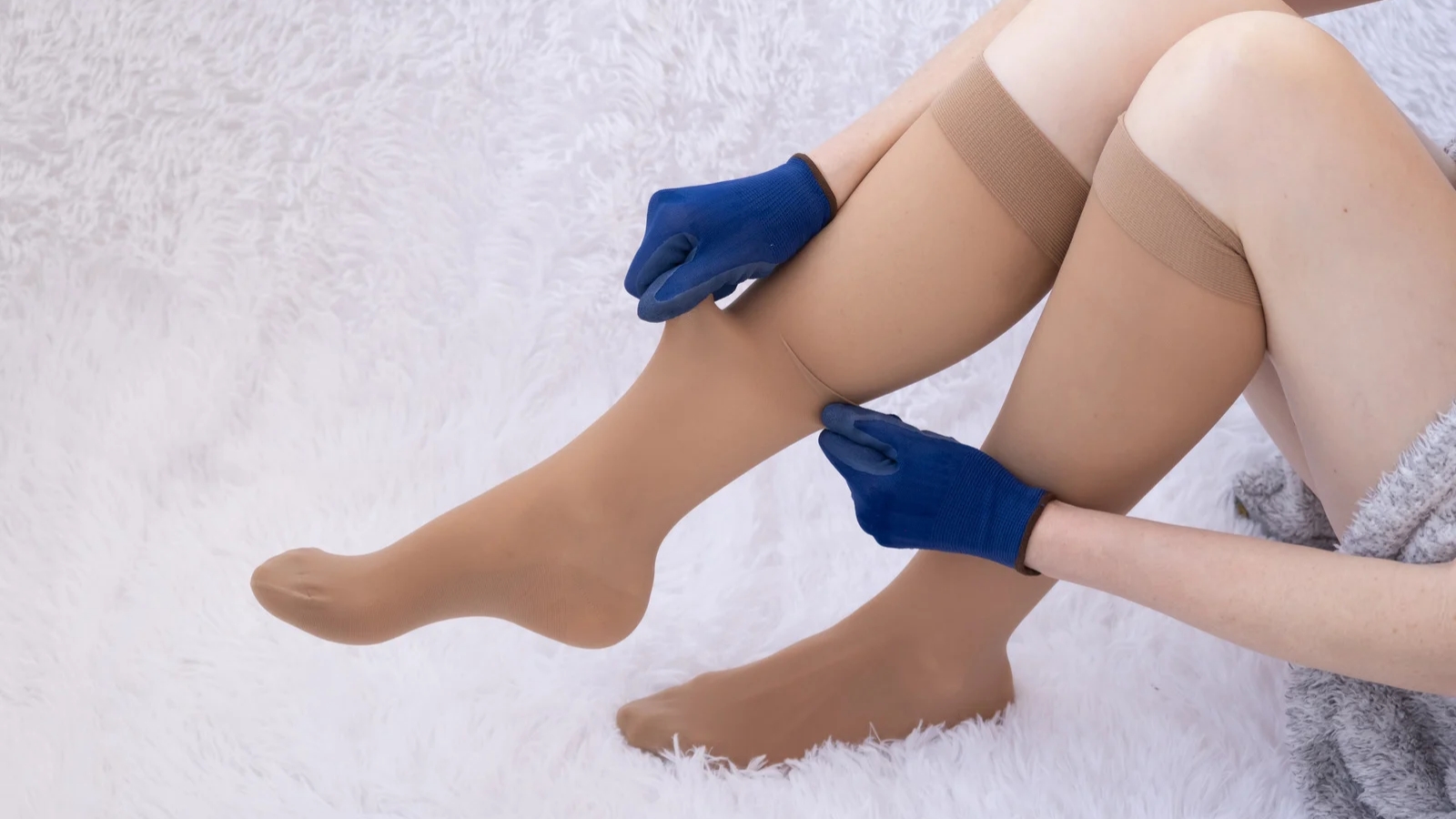
Compression socks gently squeeze your legs, improving blood circulation and preventing fluid buildup. They are invaluable if you spend most of your day on your feet or seated.
Put them on in the morning before swelling starts and wear them throughout the day. They should fit snugly but not feel restrictive or uncomfortable.
Compression socks help:
- Reduce swelling and prevent fluid accumulation
- Improve blood flow
- Ease fatigue and discomfort in your legs and feet
They come in various pressure levels and lengths, so choose one based on your activity level and comfort. Regular use can prevent recurring swelling and improve leg health.
4. Stay Hydrated
Dehydration can make your body retain water, leading to swelling in your feet and ankles. Drinking enough water helps flush out excess sodium and supports the natural balance of fluids.
Aim to drink at least 8 to 10 glasses of water a day. Staying hydrated improves kidney function and helps your body eliminate waste effectively.
To make hydration easier:
- Keep a refillable bottle with you throughout the day.
- Add lemon, cucumber, or mint for flavor.
- Limit your intake of salty foods, caffeine, and alcohol, which can increase water retention.
Maintaining hydration is one of the simplest ways to prevent swelling and improve your overall circulation.
5. Massage Your Feet
Massaging your feet stimulates blood flow, moves trapped fluid, and eases soreness. It’s an easy and relaxing way to treat swelling at home.
Sit comfortably, apply some lotion or oil to your hands, and massage your feet in circular motions. Work from your toes toward your ankles, using gentle but firm pressure. This encourages the fluid to move upward and reduces puffiness.
To improve results:
- Use a foot roller or tennis ball for deeper pressure.
- Focus on the arches and the area around your ankles.
- Massage for at least 5–10 minutes on each foot.
Regular foot massages can prevent chronic swelling, relieve tension, and promote better blood flow throughout your lower body.
6. Apply A Cold Compress
Cold compresses help reduce swelling by constricting blood vessels and limiting inflammation. They provide immediate relief, especially if your feet feel hot or sore.
Wrap ice cubes in a towel or use a cold gel pack and place it on the swollen area for 10–15 minutes. Avoid applying ice directly to your skin to prevent irritation.
Other cooling options include:
- Soak your feet in cool water for 10 minutes.
- Using a cooling foot gel after a long day.
- Alternating between warm and cool compresses to stimulate circulation.
Cold therapy is quick, safe, and one of the most effective ways to soothe tired, swollen feet.
7. Stretch And Move Often
Standing or sitting still for too long slows blood flow, allowing fluid to pool in your feet and ankles. Gentle stretching and movement throughout the day help keep circulation active and reduce swelling.
You don’t need a workout; simple movements can make a difference:
- Rotate your ankles in circles for 30 seconds each direction.
- Flex your feet up and down several times.
- Lift your heels off the floor, hold, and slowly lower them back down.
If you have a desk job, stand up and walk for a few minutes every hour. These small actions prevent stiffness and keep fluid from collecting in your lower body.
8. Limit Sodium Intake
Too much sodium in your diet can cause your body to retain water, which leads to swelling and bloating. Reducing salt intake helps your body maintain healthy fluid balance and prevents edema.
Avoid processed foods, canned soups, and salty snacks, as they tend to contain high sodium levels. Choose fresh, whole foods instead, such as fruits, vegetables, and lean proteins.
Ways to reduce sodium:
- Read food labels carefully.
- Use herbs, garlic, and lemon juice for flavor instead of salt.
- Stay mindful of sauces and condiments that add hidden sodium.
A lower-sodium diet not only reduces swelling but also supports heart health and overall circulation.
9. Use Apple Cider Vinegar Soak

Apple cider vinegar helps balance your body’s sodium levels and reduce water retention. It also has anti-inflammatory properties that can soothe pain and swelling.
Mix equal parts of warm water and apple cider vinegar in a basin and soak your feet for 10–15 minutes. The mild acidity helps improve blood flow and ease discomfort.
For added relief:
- Add a few drops of essential oils like eucalyptus or tea tree.
- Rinse your feet afterward and apply moisturizer.
- Repeat several times a week for consistent results.
This natural remedy is gentle and effective, providing both relief and rejuvenation for swollen, tired feet.
10. Elevate Your Legs During Sleep
Swelling can persist overnight if your feet are not appropriately elevated. Slightly raising your legs while you sleep helps promote circulation and prevent fluid from settling in your lower body.
Place a pillow or folded towel under your feet or calves before bed. This gentle elevation encourages blood and fluid movement toward your upper body.
For improved overnight relief:
- Avoid tight socks or clothing while sleeping.
- Use breathable sheets to keep your legs cool.
- Stretch your calves and feet before bed to release tension.
Making minor adjustments to your sleeping posture can make mornings more comfortable and reduce swelling over time.
Conclusion
Swollen feet are uncomfortable but manageable with simple daily care. Remedies like elevation, Epsom salt soaks, and massages bring quick relief, while long-term habits such as staying hydrated and reducing sodium intake help prevent swelling from returning. Cooling treatments and compression socks further support circulation and reduce inflammation.
By making these minor, consistent adjustments, you can relieve pain, improve blood flow, and restore comfort to your feet. Taking a few minutes each day to care for your feet goes a long way in keeping them healthy, strong, and pain-free; even after long hours of standing or walking.