
Gaining lean muscle mass doesn’t require tubs of whey powder or expensive supplements. In fact, some of the most effective muscle-building nutrients come straight from whole foods. Whether you’re following a traditional omnivorous diet or a more plant-based approach, you can get plenty of protein and essential amino acids by choosing the right ingredients and eating strategically.
This guide breaks down 10 high-protein foods that are not only rich in muscle-building nutrients but also offer other health benefits, from improved digestion to better hormone balance. Each food on this list is backed by nutritional science and perfect for building strength the natural way.
1. Eggs: The Perfect Protein Source

Eggs are considered one of the most complete sources of protein available in nature. One large egg contains about 6–7 grams of high-quality protein, with all nine essential amino acids.
The yolk, often avoided by some, is rich in healthy fats, B vitamins, and choline, which supports muscle function and brain health. Eggs also contain leucine, an amino acid especially important for muscle protein synthesis.
Whether boiled, scrambled, or poached, eggs are versatile and highly bioavailable, meaning the body absorbs their protein efficiently.
2. Chicken Breast: Lean and Protein-Dense

Chicken breast remains one of the most popular protein choices among athletes and bodybuilders, and for good reason. A 3.5-ounce (100g) serving of cooked chicken breast provides approximately 31 grams of protein and is low in fat, especially when skinless.
What makes chicken ideal for muscle gain is its high protein-to-calorie ratio. It’s easy to prepare in bulk and pairs well with a wide variety of nutrient-dense side dishes like sweet potatoes, quinoa, or vegetables.
3. Greek Yogurt: Double the Protein of Regular Yogurt

Greek yogurt is a powerful food for anyone looking to build muscle while supporting gut health. A typical serving (170g or about ¾ cup) contains around 15–20 grams of protein, thanks to the straining process that removes excess whey and concentrates the protein.
It also contains casein, a slow-digesting protein that helps preserve muscle mass overnight if eaten before bed. Add some fruit or honey and you’ve got a muscle-friendly snack rich in probiotics, calcium, and protein.
Choose plain, unsweetened varieties to avoid added sugars.
4. Lentils: Plant-Based Protein Powerhouse
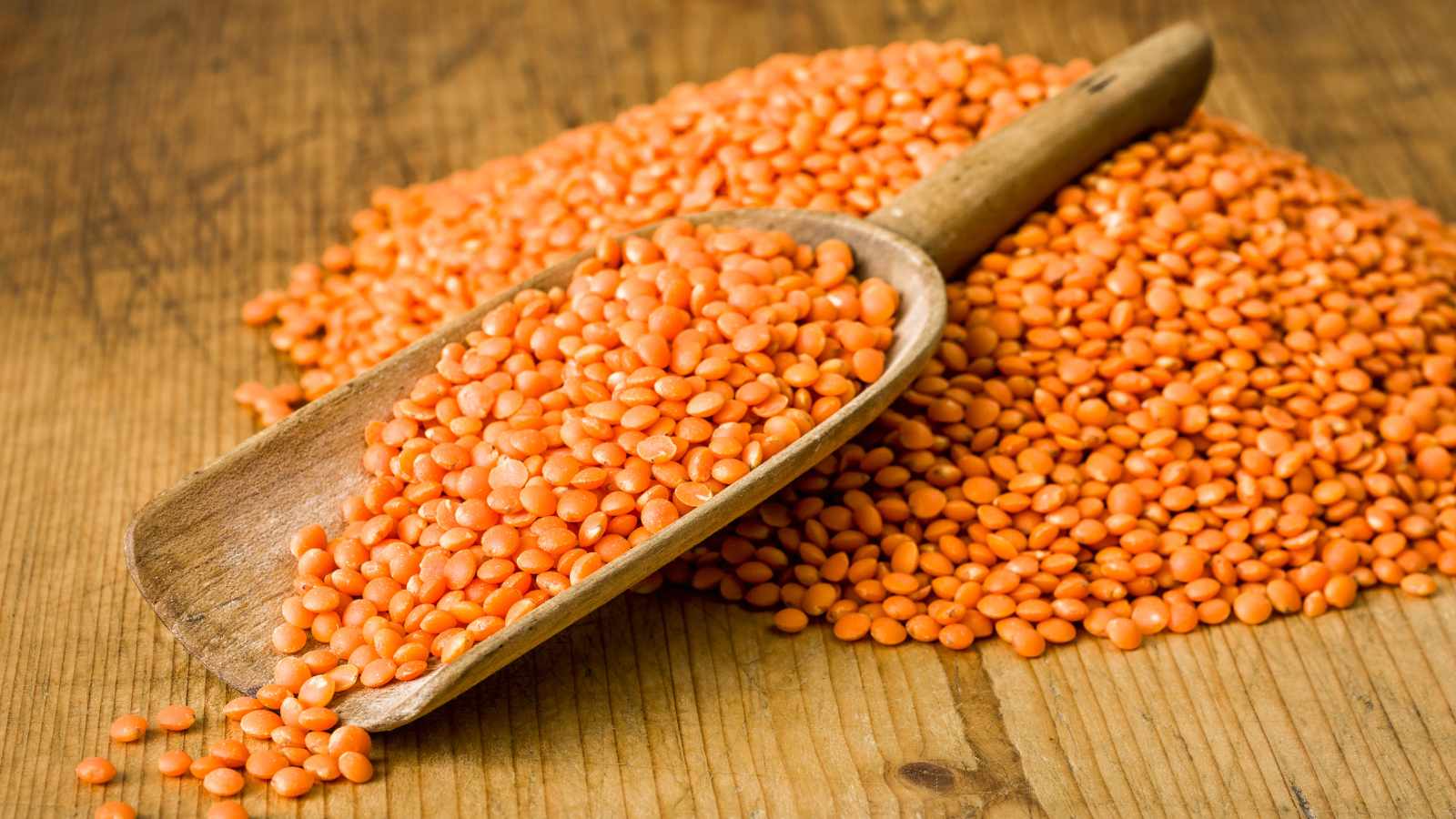
Lentils are one of the best muscle-building foods for vegetarians and vegans. One cup of cooked lentils provides about 18 grams of protein along with complex carbohydrates, fiber, iron, and folate.
Their protein content makes them an excellent replacement for animal protein in dishes like curries, stews, and salads. Lentils also provide sustained energy for workouts due to their low glycemic index and slow-digesting nature.
Pair lentils with whole grains like brown rice to ensure a complete amino acid profile.
5. Tuna: High Protein, Low Calories
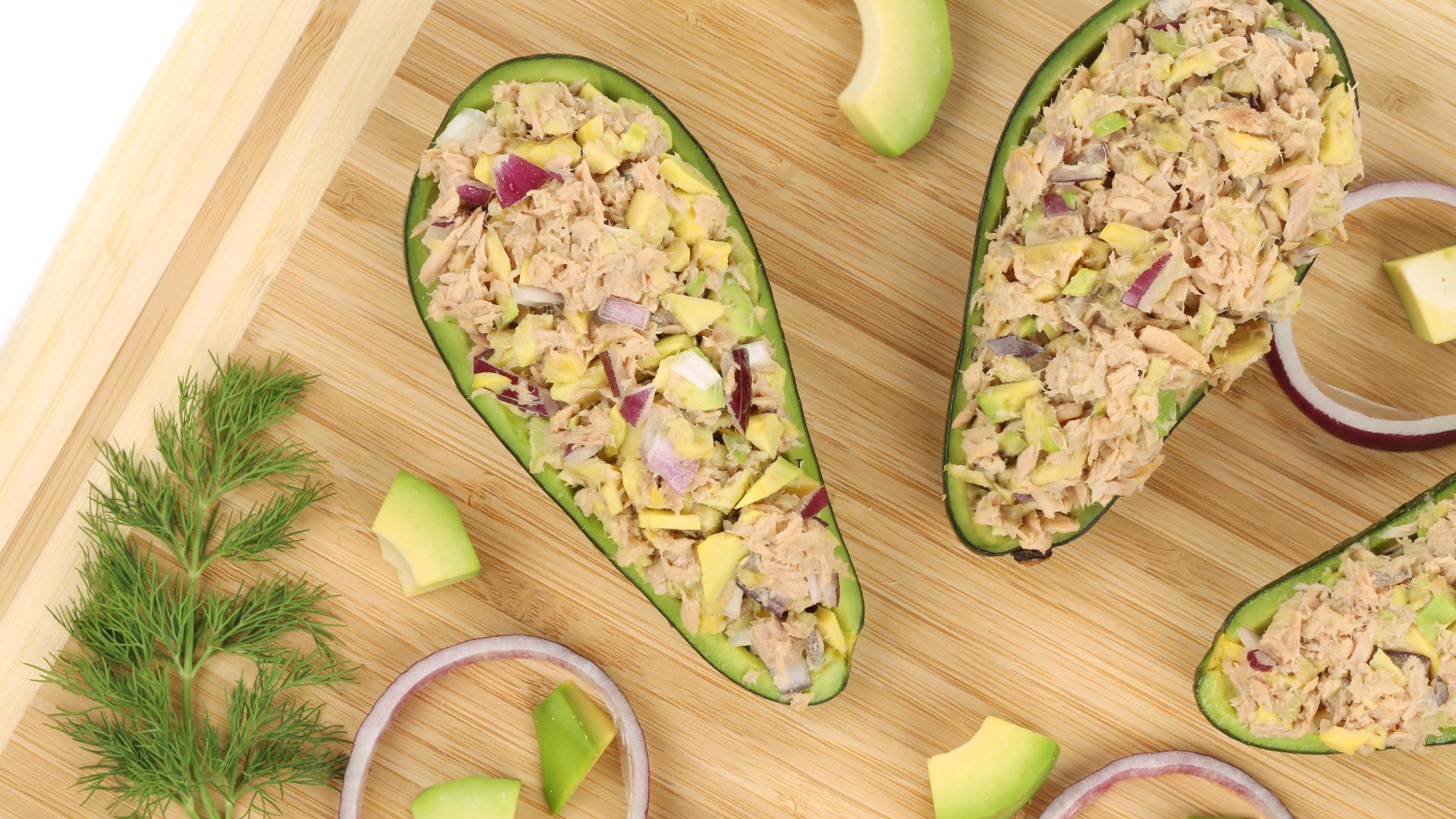
Tuna is an excellent source of lean protein, delivering about 25–30 grams of protein per 100g of cooked or canned fish. It’s low in fat, particularly saturated fat, and contains high amounts of omega-3 fatty acids, which support muscle recovery and reduce inflammation.
Whether eaten grilled, canned in water, or served raw as sashimi, tuna is a muscle-friendly choice that requires minimal preparation. Just be mindful of mercury levels and opt for skipjack or light tuna when possible.
6. Cottage Cheese: A Casein-Rich Muscle Builder

Cottage cheese is one of the few dairy products that contains a slow-digesting protein called casein, which gradually releases amino acids into the bloodstream, making it ideal for nighttime muscle maintenance.
A half-cup serving offers about 14 grams of protein, along with calcium, B12, and selenium. It’s especially useful for people trying to gain mass without excessive calorie intake.
Combine it with fruit or nut butter for a well-rounded muscle-repairing snack.
7. Quinoa: The Complete Protein Grain

Unlike most plant-based foods, quinoa contains all nine essential amino acids, making it a complete protein. One cup of cooked quinoa contains about 8 grams of protein, along with iron, magnesium, and B vitamins, all of which play a role in muscle function and energy metabolism.
While it’s not as protein-dense as meat, quinoa’s balanced amino acid profile and complex carbs make it an excellent base for muscle-building meals, especially for vegetarians or those avoiding gluten.
8. Tofu: Muscle-Friendly Vegan Staple

Tofu, made from soybeans, is an incredibly versatile source of protein. Half a block (about 150g) provides around 15–20 grams of protein, depending on firmness.
Tofu is rich in isoflavones, which may help regulate hormone levels, and it contains calcium and iron, key nutrients for muscular health. It’s also easy to season, grill, bake, or sauté.
When included in stir-fries or sandwiches, tofu offers a satisfying and complete alternative to meat proteins.
9. Beef: Creatine-Rich Red Meat for Muscle Mass
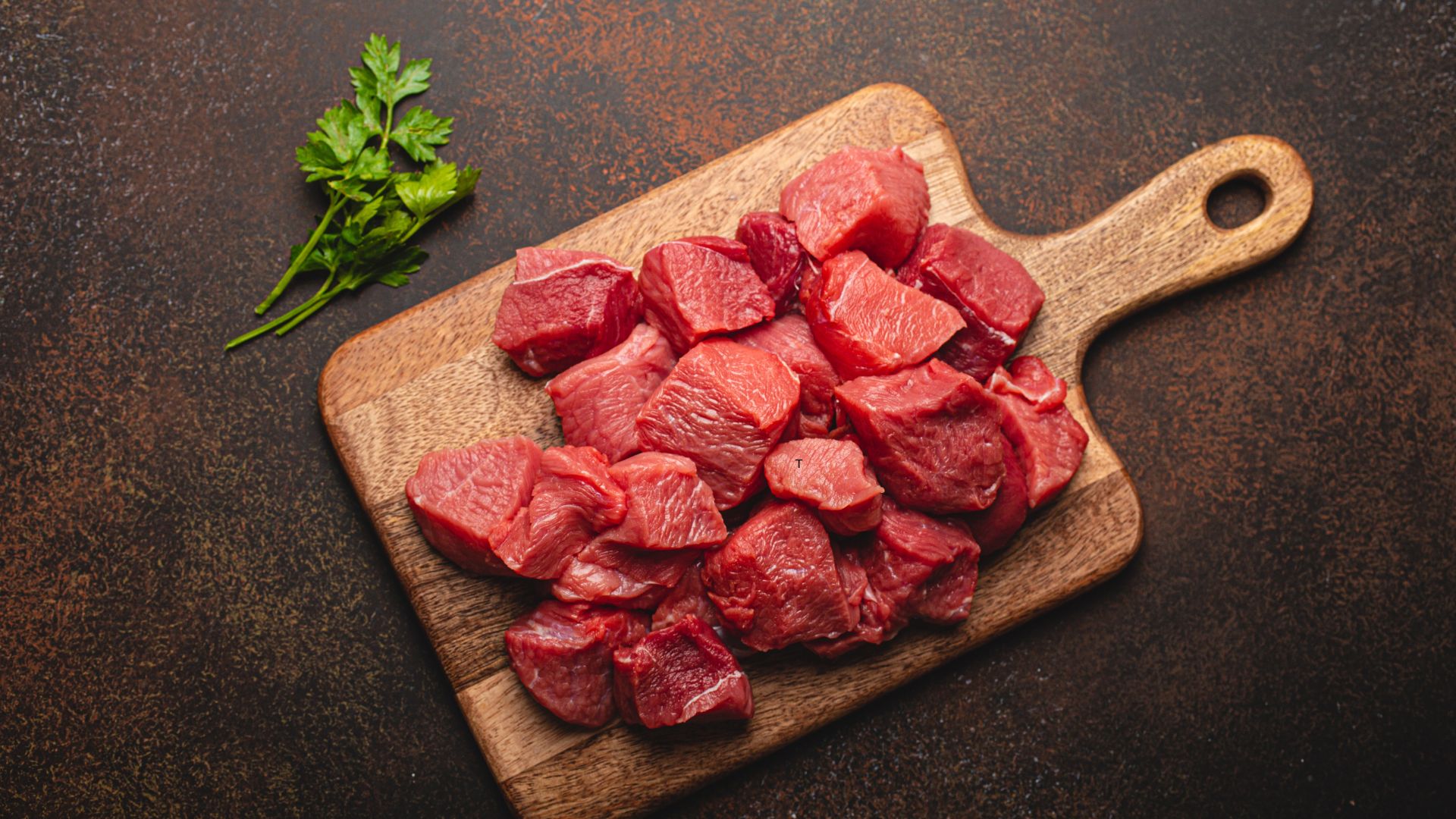
Lean cuts of beef, like sirloin or tenderloin, provide a concentrated source of complete protein (around 26 grams per 100g), as well as creatine, a natural compound shown to boost strength, power, and muscle volume.
Beef is also loaded with zinc, iron, and vitamin B12, all of which are essential for muscle repair and oxygen delivery to cells.
Choose grass-fed or lean cuts to reduce saturated fat intake and promote a cleaner bulk.
10. Edamame: A Plant-Based Protein with Muscle Fuel

Edamame (young soybeans) are an excellent snack or side dish for muscle gain, offering about 17 grams of protein per cup. Like tofu, they contain all essential amino acids and are particularly high in leucine, the key trigger for muscle protein synthesis.
They’re also rich in fiber, vitamin K, and magnesium, which help regulate muscle contraction and support recovery.
Steam edamame and sprinkle with sea salt for a satisfying, protein-rich snack that fits easily into any diet.
How to Maximize Muscle Growth Without Supplements
While whole foods provide all the protein you need to build muscle, your approach matters. Here are a few tips:
- Spread your protein intake evenly throughout the day (20–30g per meal) to maximize muscle protein synthesis.
- Combine plant proteins to ensure a complete amino acid profile (e.g., lentils + rice, hummus + pita).
- Eat within an hour post-workout to replenish glycogen and kickstart repair.
- Prioritize sleep and hydration, as both affect muscle recovery and hormone regulation.
- Avoid nutrient gaps by including iron, magnesium, and vitamin B12—found in many foods above.
Final Thoughts
You don’t need protein powders or supplements to gain muscle, real food delivers the protein, amino acids, and micronutrients your body needs to grow, recover, and perform. From eggs and chicken to lentils and tofu, the variety of whole-food options means you can tailor your muscle-building nutrition plan to your preferences, ethics, and budget.
Focus on consistency, variety, and preparation, and you’ll be well on your way to achieving your fitness goals; no shaker bottle required.