
Eating the right foods can support your eye health and protect your vision as you age. Specific nutrients play a key role in reducing the risk of eye conditions such as macular degeneration, cataracts, and dry eyes. This article explains which foods help with eye health and vision, how they work, and how to include them in your meals.
You will learn about vitamins, minerals, and antioxidants found in whole foods that support your eyes. These nutrients can strengthen your vision, support your retina, and help you manage eye strain in daily life.
1. Eat Leafy Greens for Lutein and Zeaxanthin
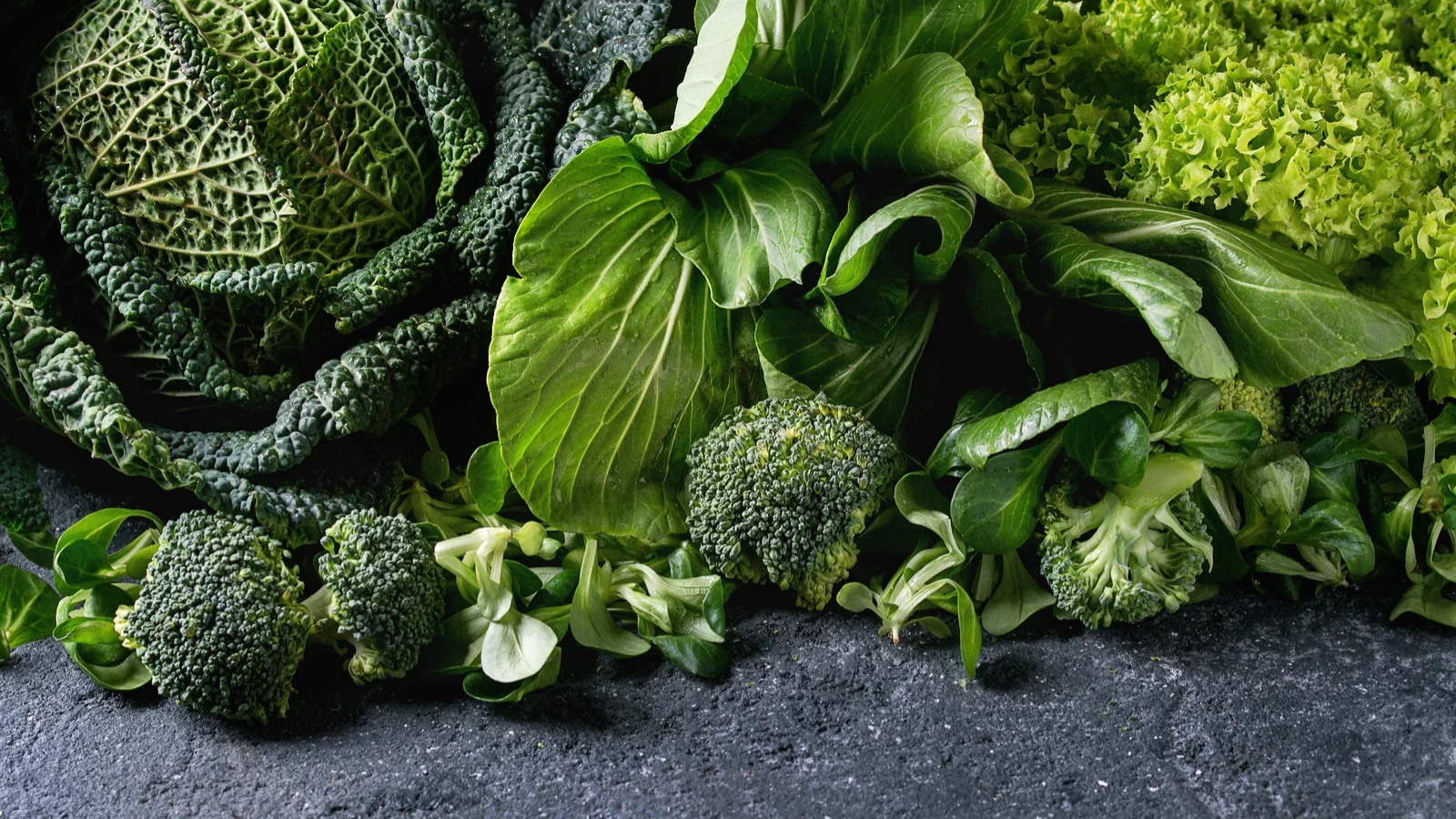
Leafy greens are one of the best sources of lutein and zeaxanthin. These antioxidants filter harmful blue light and protect the retina from damage. Your body does not produce them, so you need to get them through food.
Good sources include:
- Kale
- Spinach
- Collard greens
- Swiss chard
Steam or sauté greens to help your body absorb the nutrients. Pair them with healthy fats like olive oil or avocado for better absorption.
2. Include Vegetables for Beta-Carotene
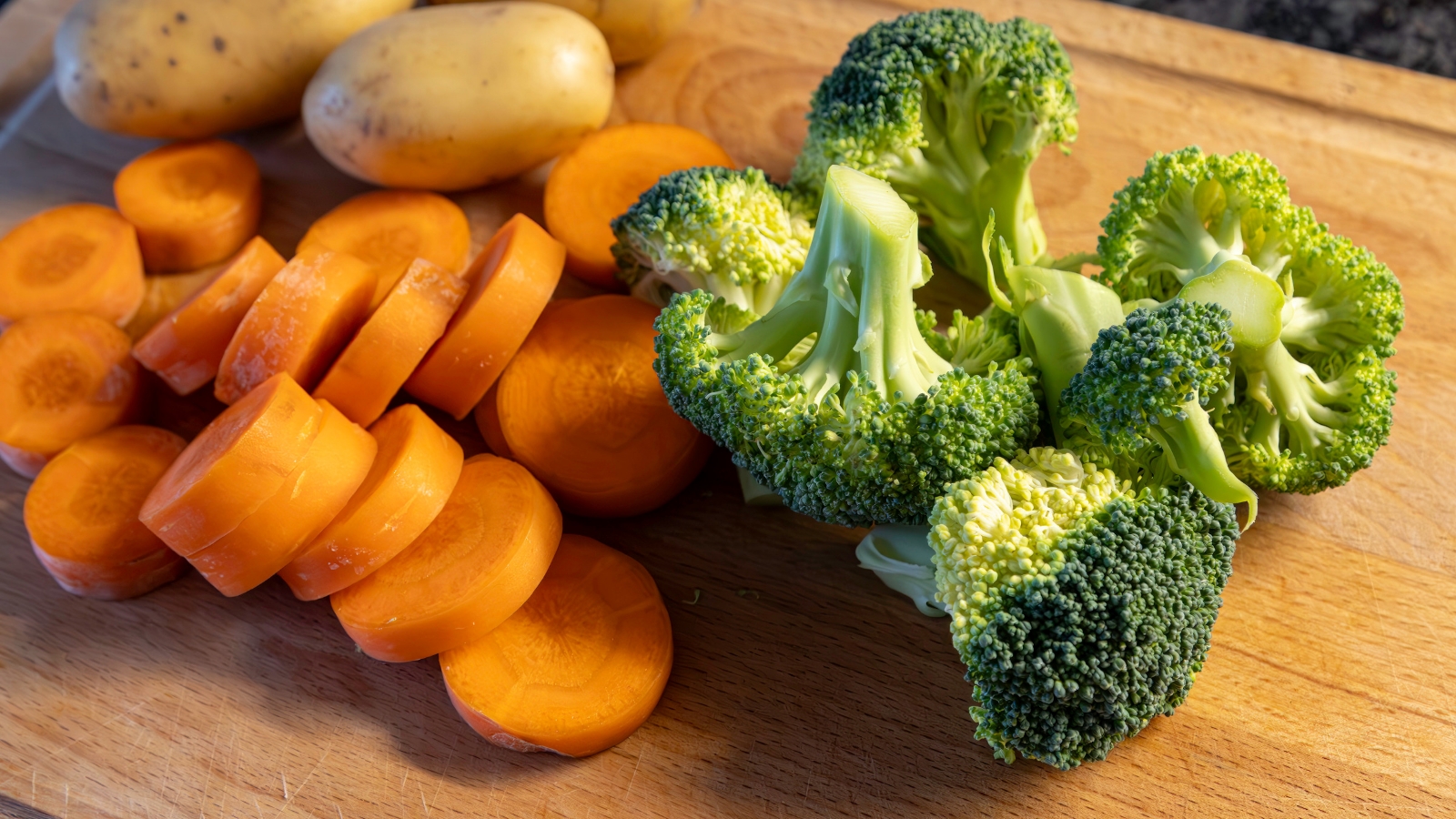
These vegetables contain beta-carotene, which your body converts into vitamin A. This vitamin helps maintain the surface of your eye and supports night vision. A deficiency in vitamin A can lead to dry eyes or impaired vision.
Add these foods to your diet:
- Carrots
- Sweet potatoes
- Butternut squash
- Pumpkin
Roast or steam these vegetables to keep their nutrients intact. Combine them with proteins and whole grains for balanced meals.
3. Eat Fatty Fish for Omega-3 Fatty Acids

Omega-3 fatty acids help reduce inflammation and support the tear film that keeps your eyes moist. They may lower the risk of dry eye syndrome and protect against age-related vision changes.
Choose fatty fish like:
- Salmon
- Mackerel
- Sardines
- Trout
Try to eat fish two to three times per week. If you don’t eat seafood, consider plant-based omega-3s like chia seeds, flaxseeds, or walnuts.
4. Add Eggs for Zinc and Lutein
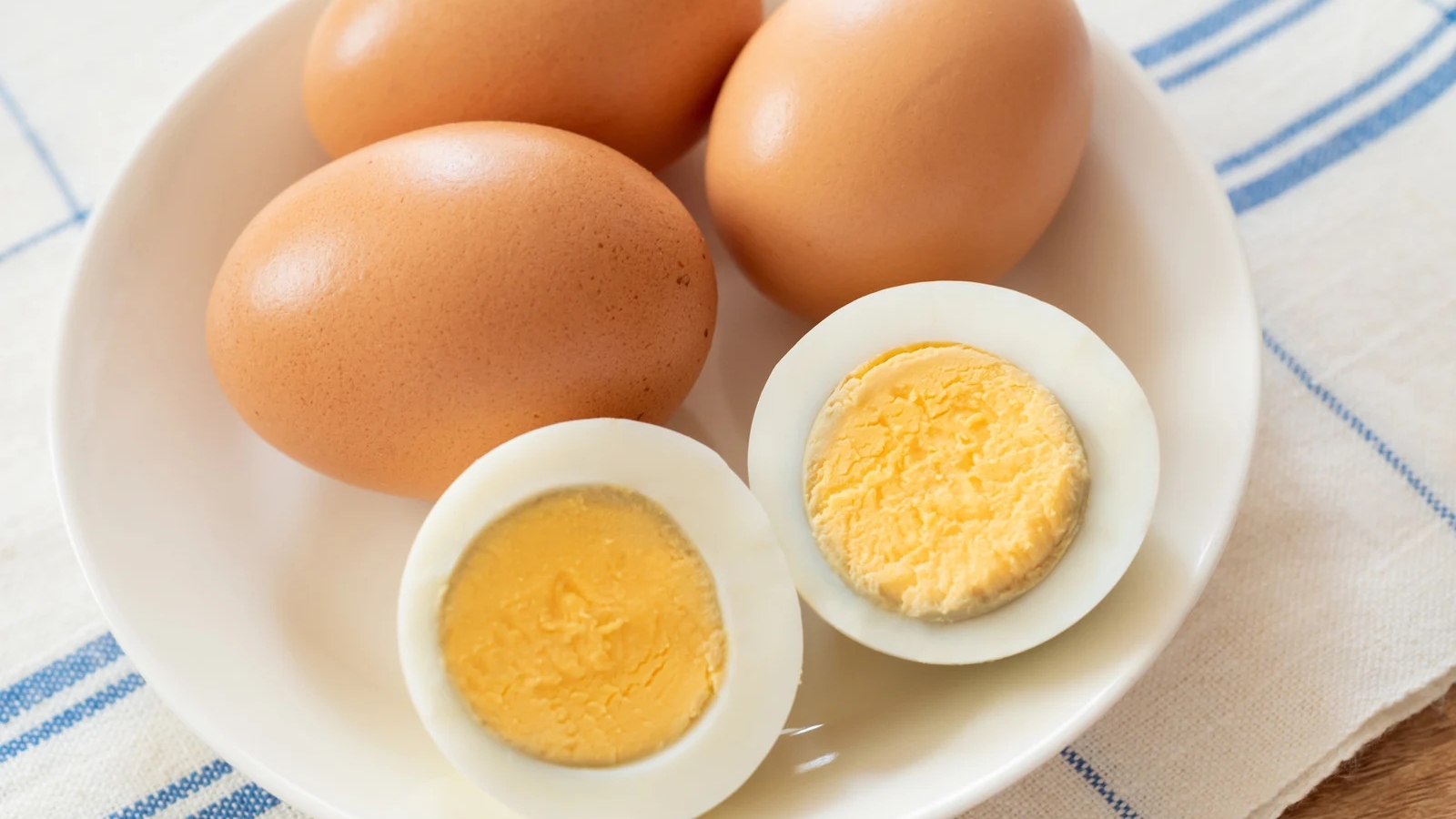
Eggs are a good source of lutein, zeaxanthin, zinc, and vitamin A. The yolk contains the highest levels of these nutrients, which protect the retina and support healthy vision.
Benefits of eating eggs:
- Zinc helps transport vitamin A to the retina
- Lutein and zeaxanthin help filter light and reduce eye stress
- Protein supports tissue repair
Boil, scramble, or poach eggs for easy meals. Include vegetables or whole grains to increase the nutritional value.
5. Snack on Nuts and Seeds for Vitamin E
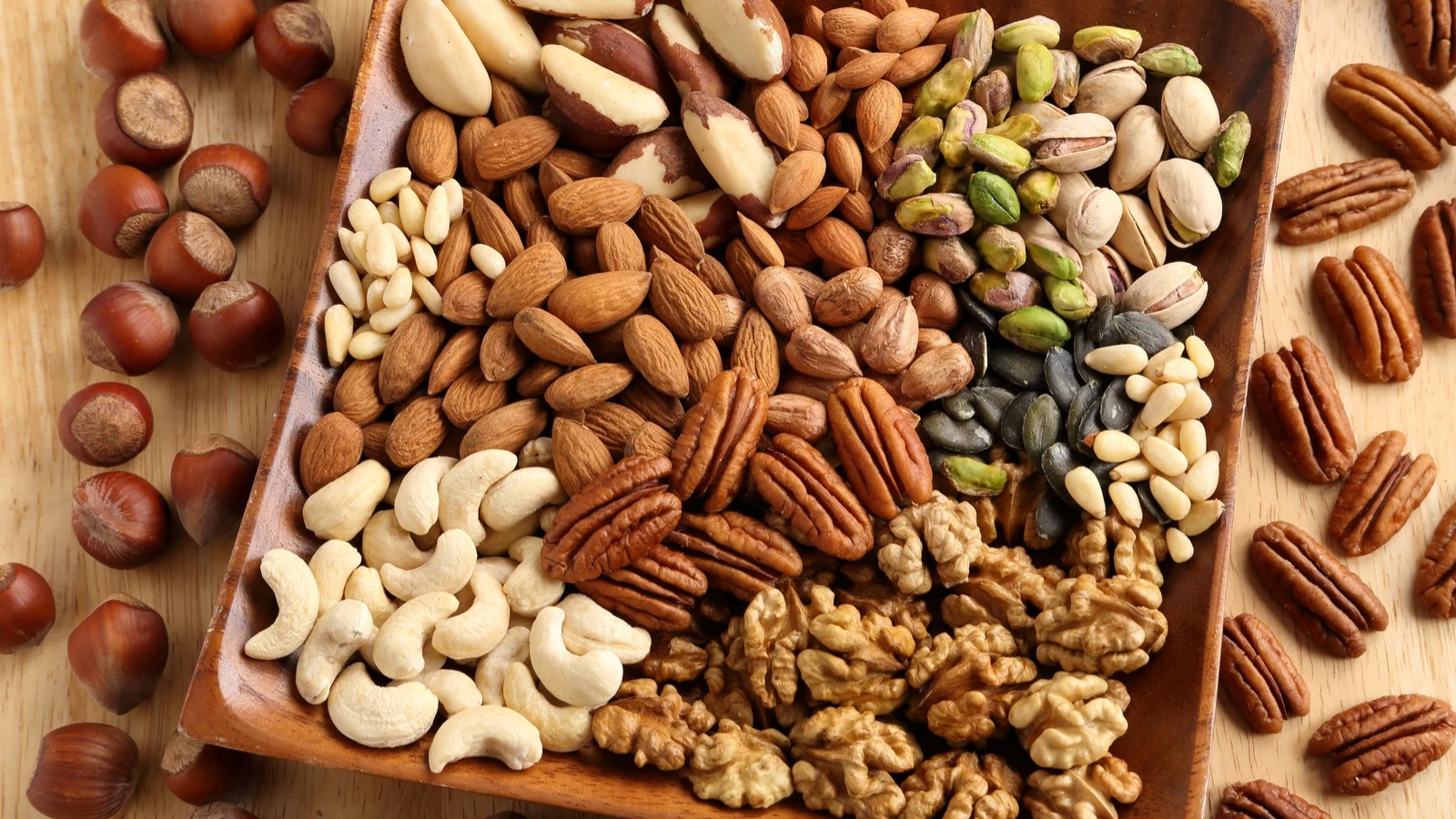
Vitamin E is an antioxidant that helps protect your eyes from damage caused by free radicals. This vitamin may slow the progression of age-related vision loss.
Top choices for vitamin E:
- Almonds
- Sunflower seeds
- Hazelnuts
- Peanuts
Use them as snacks or mix them into salads and oatmeal. A small handful a day can meet your needs.
6. Include Citrus Fruits for Vitamin C
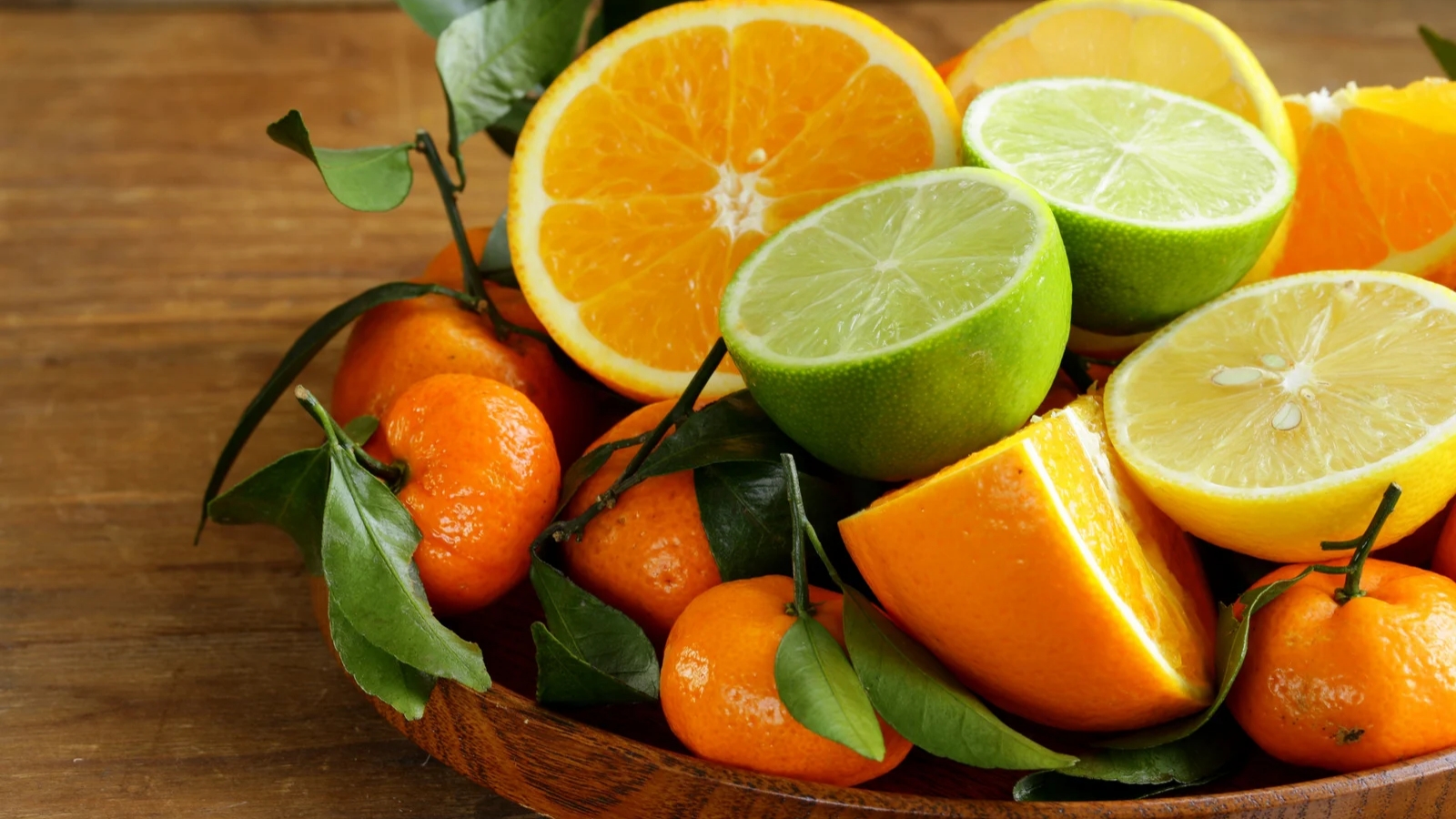
Vitamin C supports the health of blood vessels in your eyes. It may help lower the risk of cataracts and slow the progression of age-related eye disease.
Good sources of vitamin C:
- Oranges
- Grapefruits
- Kiwi
- Strawberries
These fruits are best eaten fresh. Add them to smoothies, salads, or enjoy them on their own.
7. Choose Whole Grains for B Vitamins
Whole grains provide B vitamins, such as niacin and thiamine, that support your eye tissues and nerves. These nutrients help reduce inflammation and improve blood flow to your eyes.
Top whole grains include:
- Brown rice
- Oats
- Quinoa
- Whole wheat bread
Replace refined grains with whole grains during meals. They help balance your blood sugar, which also supports eye health.
8. Include Legumes for Zinc and Bioavailable Protein
Legumes are rich in plant-based protein and zinc. Zinc plays a key role in transporting vitamin A from the liver to the retina.
Choose these options:
- Lentils
- Chickpeas
- Black beans
- Kidney beans
Combine legumes with vegetables and whole grains for a filling, eye-friendly meal. They are also high in fiber and support overall health.
9. Eat Colorful Bell Peppers for Multiple Vitamins
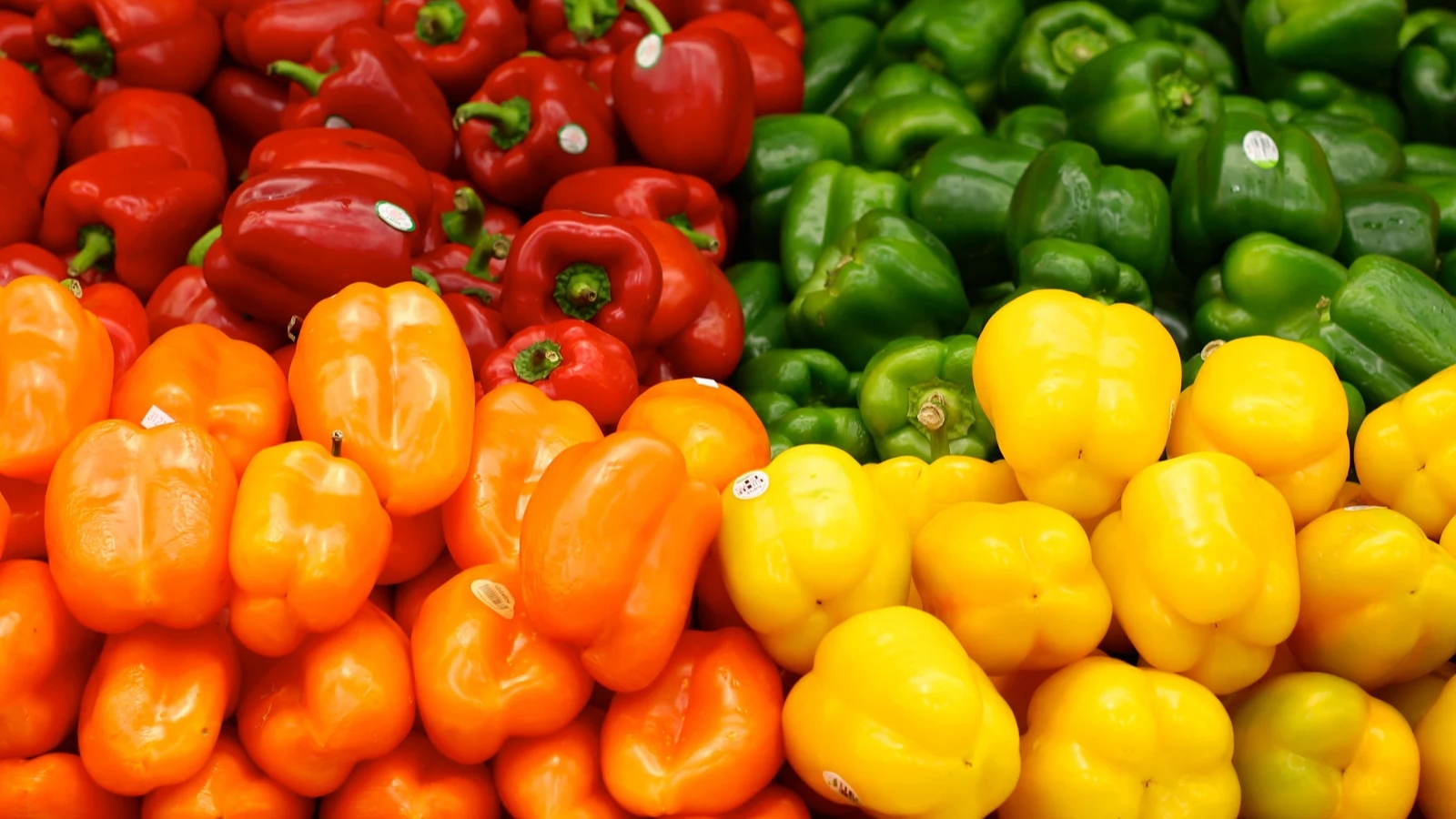
Bell peppers offer a mix of nutrients that support your eyes. They are rich in vitamin C, beta-carotene, and small amounts of lutein.
To get the benefits:
- Include raw peppers in salads or wraps
- Sauté them with onions and leafy greens
- Roast them for a simple side dish
Red, yellow, and orange peppers provide the most nutrients. Use a variety to get a mix of antioxidants.
10. Stay Hydrated for Tear Production
Your eyes need moisture to function correctly. Dehydration can cause dry eyes, blurry vision, and discomfort. Drinking enough water supports tear production and keeps your eye tissues healthy.
Tips to stay hydrated:
- Drink water throughout the day, not just during meals
- Eat fruits with high water content, like cucumbers and watermelon
- Limit sugary or high-sodium drinks that dehydrate your body
Aim for consistent hydration every day to support your overall eye function.
11. Avoid Foods That May Harm Vision
Certain foods can negatively affect your eye health over time. Reducing these items can help you maintain better vision and reduce the risk of eye disease.
Foods to limit:
- Processed snacks are high in sugar and refined flour
- Fried foods with trans fats
- Sugary drinks that spike blood sugar
- High-sodium meals that raise blood pressure
Choose whole, unprocessed foods when possible. They support not just your eyes but your entire body.
Conclusion
The foods you eat play a key role in maintaining healthy vision. Nutrients like vitamin A, C, E, lutein, and omega-3s help protect your eyes from age-related damage and daily stress.
Make it a habit to include leafy greens, colorful vegetables, nuts, fish, and citrus fruits in your meals. These simple changes can support your vision over time and improve how your eyes feel each day. Choose a variety of nutrient-rich foods to build a strong base for your eye health.