
Hormones regulate many functions in your body, including mood, metabolism, reproductive health, and energy levels. When your hormones fall out of balance, the effects can show up in ways you might not expect. These signs can be subtle or very noticeable, and recognizing them helps you take the proper steps for your health.
This article highlights 12 signs of hormonal imbalance that every woman should know. You will learn how they appear in daily life and why paying attention to them matters for your overall well-being.
1. Irregular Periods
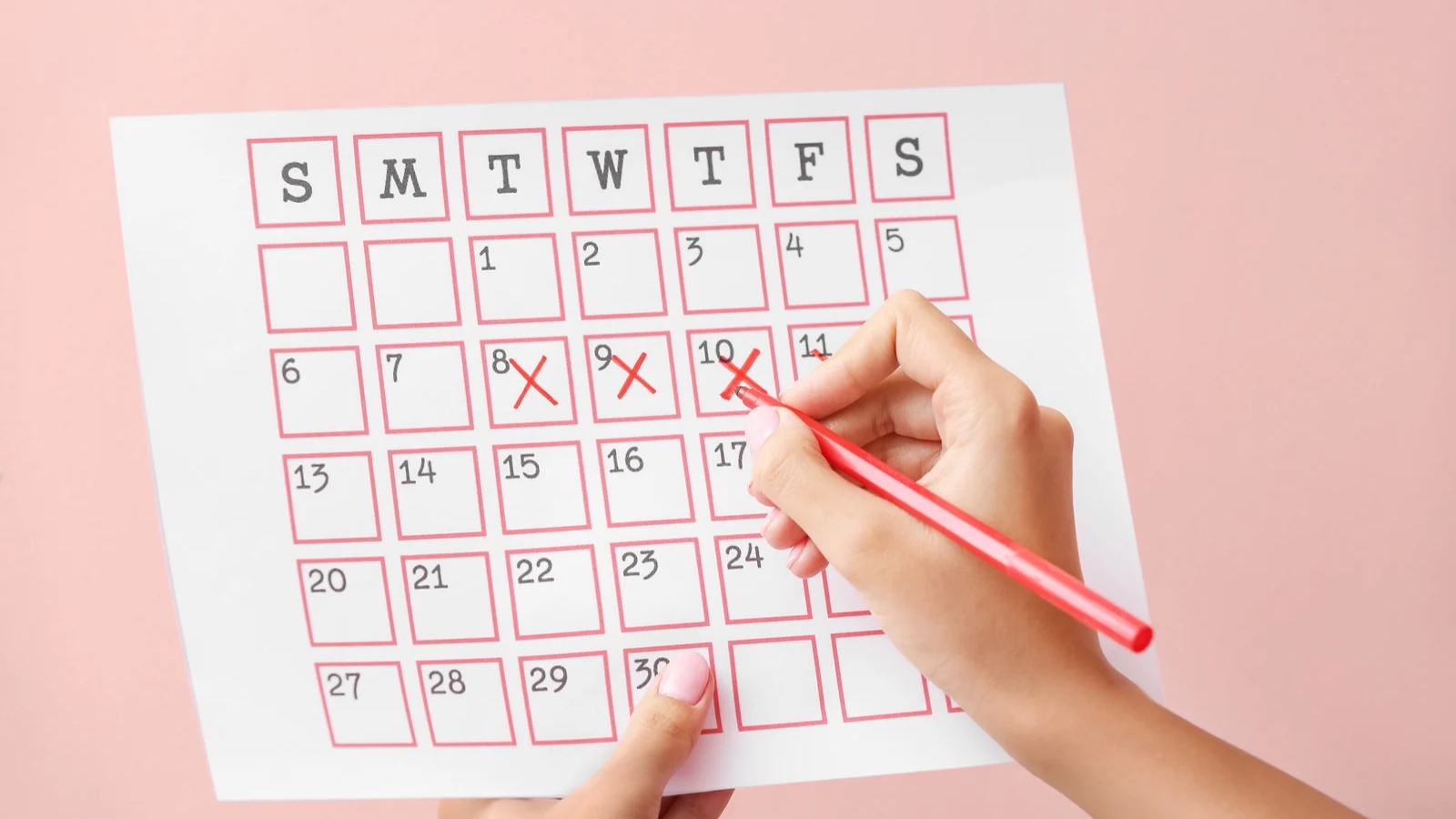
Your menstrual cycle is one of the clearest indicators of hormonal health. Irregular cycles can mean your periods come too often, too late, or skip entirely.
Some common reasons behind irregular periods include:
- Polycystic ovary syndrome (PCOS)
- Thyroid problems
- High stress levels
- Sudden weight changes
Tracking your cycle helps you notice patterns. If irregularity continues, it may point to a more profound hormonal imbalance that needs attention.
2. Unexplained Weight Changes
Hormones strongly influence your metabolism. If you gain or lose weight without changing your eating habits or activity, it could be linked to hormonal shifts.
Issues such as insulin resistance, low thyroid hormones, or high cortisol can all affect weight. These conditions often lead to:
- Weight gain around the belly
- Trouble losing weight despite exercise
- Sudden weight loss with no apparent reason
Noticing these changes is essential because they can indicate how your body is managing energy and stress.
3. Persistent Fatigue
Feeling tired after a long day is normal, but constant fatigue is not. Hormonal imbalance can disrupt sleep, energy production, and recovery.
Low thyroid hormones, low progesterone, or high cortisol can leave you drained. You may experience:
- Struggling to get out of bed
- Feeling exhausted even after rest
- Afternoon energy crashes
If fatigue persists despite adequate rest and nutrition, it may indicate a hormonal issue.
4. Sleep Problems
Hormones play a significant role in your sleep cycle. Melatonin, cortisol, estrogen, and progesterone all influence sleep quality.
When these hormones are out of balance, you may notice:
- Trouble falling asleep
- Waking up often during the night
- Restless or poor-quality sleep
Poor sleep exacerbates hormonal imbalance, creating a cycle that impacts your daily functioning.
5. Mood Swings and Anxiety
Hormones such as estrogen, progesterone, and serotonin affect brain chemistry. Imbalances can trigger mood changes, irritability, or anxious thoughts.
You might notice:
- Sudden shifts in mood
- Heightened anxiety before your period
- Feeling low or irritable without reason
These symptoms often appear in premenstrual syndrome or perimenopause. Paying attention to patterns helps you understand the link between your mood and hormones.
6. Hair Loss or Thinning
Hormonal imbalance can affect your hair’s growth cycle. Low thyroid hormones, high androgens, or changes after pregnancy often lead to thinning.
Signs include:
- More hair on your pillow or brush
- Widening hair part
- Thinning around the crown
Noticing hair changes early allows you to address the hormonal trigger before the loss becomes severe.
7. Acne and Skin Changes

Hormones influence oil production and skin renewal. Imbalances can cause breakouts, dryness, or changes in skin texture.
You may see:
- Persistent acne along the jawline or chin
- Oily skin during certain times of the cycle
- Dry patches or dull skin
These skin changes often signal shifts in estrogen, progesterone, or testosterone.
8. Hot Flashes and Night Sweats
Sudden heat in your body or sweating during the night often points to changes in estrogen levels. These are common in perimenopause and menopause, but can also occur earlier.
Symptoms include:
- A sudden wave of heat in the face or chest
- Profuse sweating during sleep
- Disrupted rest from temperature changes
These signs show your body is adjusting to fluctuating hormones.
9. Low Libido
Sex hormones play a significant role in sexual desire. Low estrogen, low progesterone, or low testosterone can all affect your interest in intimacy.
You may notice:
- Reduced sexual desire
- Vaginal dryness leading to discomfort
- Difficulty feeling aroused
These symptoms are not just about intimacy but also about how your hormones influence energy and emotional well-being.
10. Digestive Issues
Your hormones affect your gut. Estrogen and progesterone influence how food moves through your system. Cortisol impacts digestion during stress.
Imbalances can lead to:
- Bloating
- Constipation or diarrhea
- Stomach discomfort
If digestive issues come and go with your cycle, hormones may be involved.
11. Memory and Concentration Problems
Hormones also affect your brain function. Low estrogen and thyroid hormones can impact memory, clarity, and focus.
You might experience:
- Forgetting simple things
- Trouble focusing on tasks
- Feeling mentally foggy
This “brain fog” often shows up during menopause or with thyroid issues.
12. Unusual Cravings
Hormonal imbalance can affect appetite and food choices. Low serotonin or shifting estrogen and progesterone can increase cravings.
Signs include:
- Craving sweets before your period
- Wanting salty snacks during stress
- Eating more than usual without feeling full
Your cravings may signal your body’s attempt to rebalance itself.
Conclusion
Hormonal imbalance can affect many parts of your daily life. Recognizing the signs early helps you take steps toward better health. Small changes in mood, energy, skin, or cycles often reveal more than you think.
By paying attention to these signals, you can better understand your body and seek the proper support. Hormones guide so many functions, and noticing their shifts is a key step in protecting your long-term well-being.