
When people hear “zero carb,” they often picture bland, repetitive meals made up of unseasoned meats and watery vegetables. But zero-carb eating doesn’t have to be dull or flavorless.
If you follow a ketogenic diet, manage blood sugar, or try to cut carbs, you can still enjoy satisfying, flavorful options with little to no carbohydrates. In this guide, we’ll explore 15 zero-carb foods you’ll actually enjoy eating, and why they deserve a spot in your kitchen.
What Counts as Zero Carb?
Before diving into the list, it’s important to clarify what “zero carb” really means. Most natural foods, especially those not processed or packaged, will contain trace amounts of carbohydrates, often less than 0.5 grams per serving.
For simplicity, “zero carb” in this article refers to foods that contain less than 1 gram of net carbs per serving and are generally accepted as carb-free for keto and low-carb lifestyles.
List of Delicious Zero Carb Foods
1. Eggs

Versatile, protein-packed, and highly nutritious, eggs are a cornerstone of zero-carb eating. One large egg contains less than 0.5 grams of carbohydrates and can be prepared in countless ways: boiled, poached, scrambled, baked, or fried.
They’re also rich in choline, which supports brain function, and they provide essential vitamins like B12 and D.
2. Beef
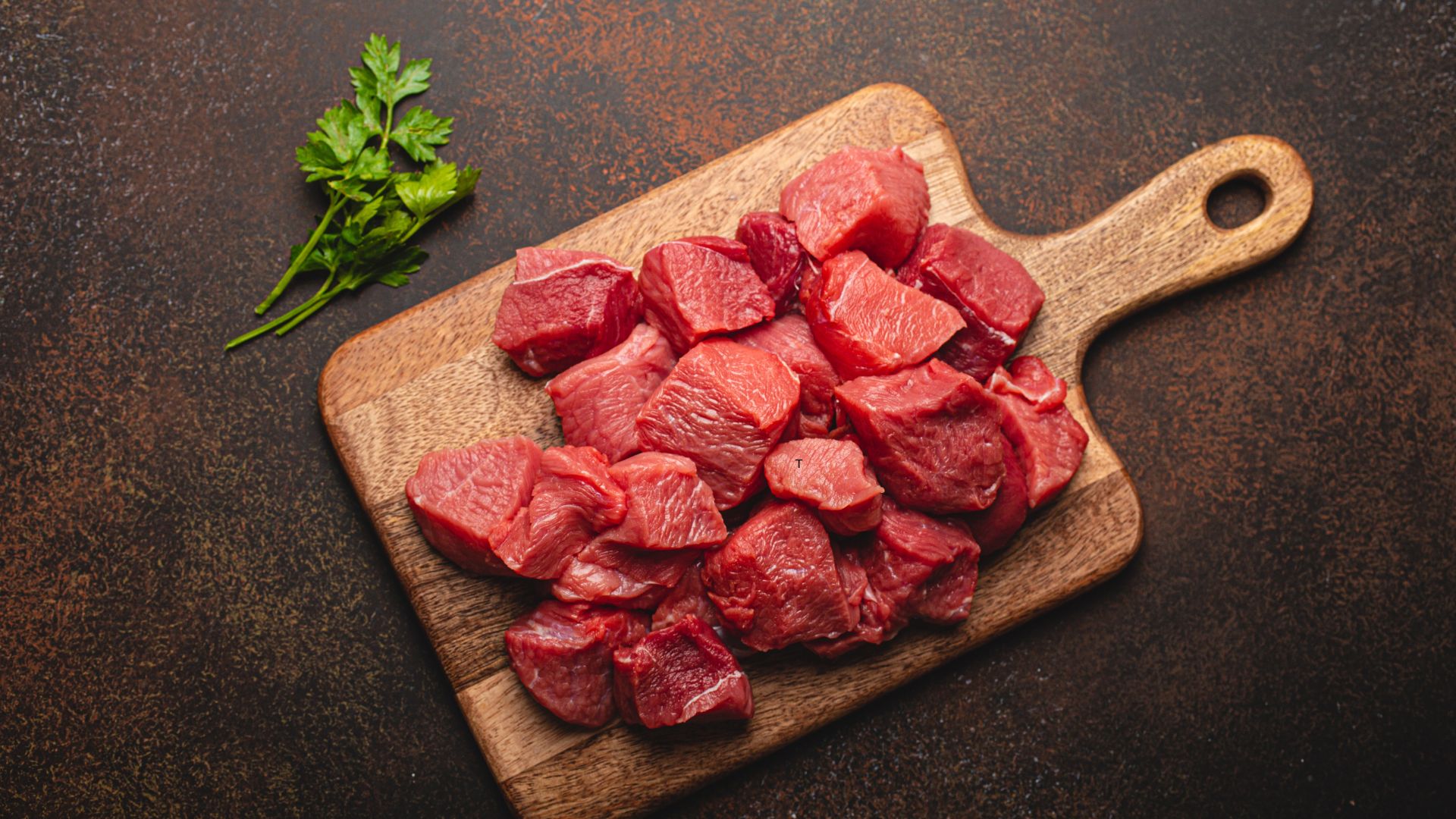
Unprocessed cuts of beef contain zero carbohydrates and are a rich source of iron, zinc, and B vitamins. From ribeye steaks to ground beef patties, beef delivers flavor and satiety.
Choose grass-fed options for higher omega-3 content, and be cautious of processed meats like meatballs or sausages, which may contain hidden carbs.
3. Chicken
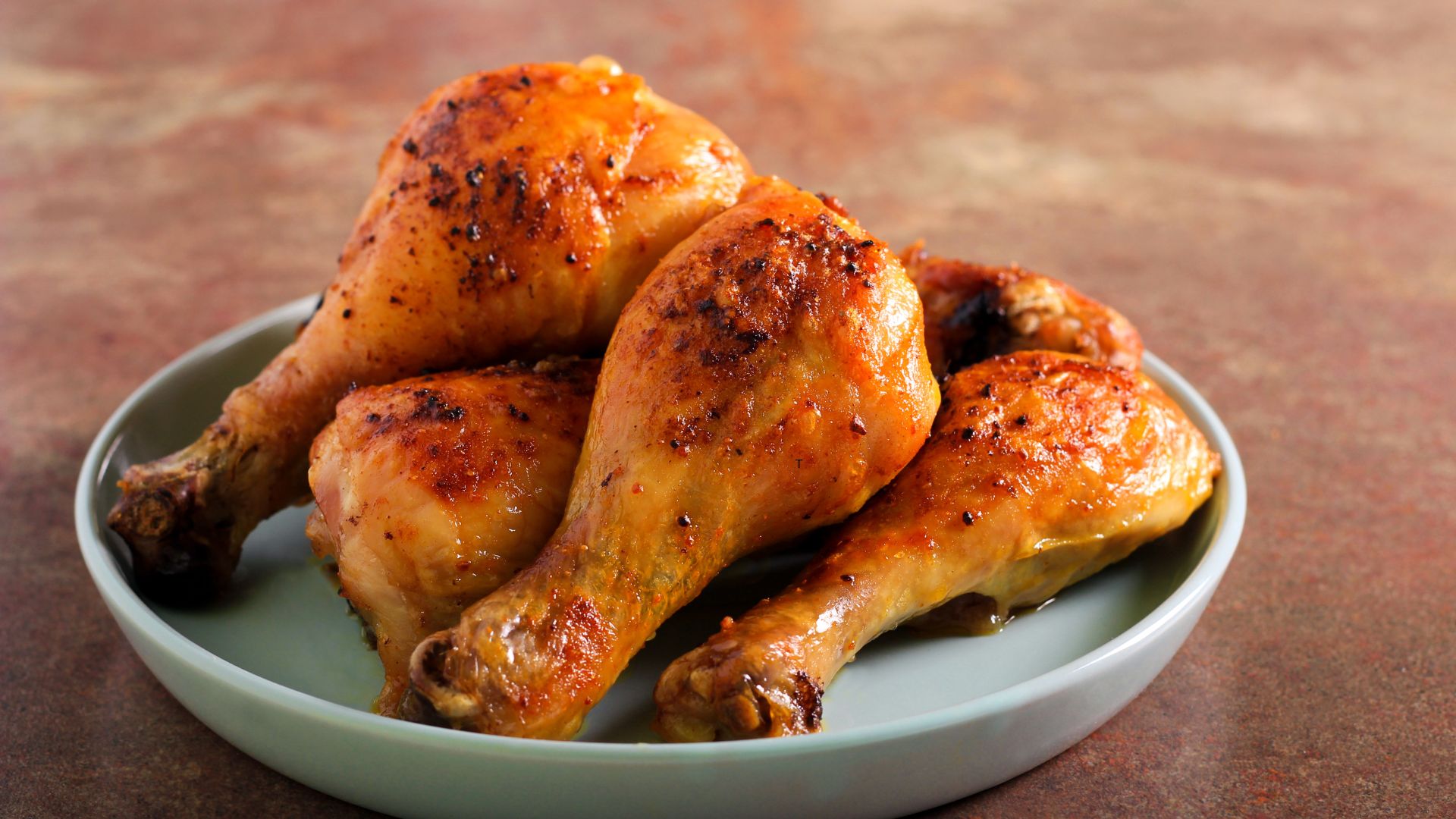
Chicken, especially breast or thighs without marinades or breading, is naturally carb-free. It’s a great lean protein option and works well with a variety of seasonings and cooking styles.
Roasted, grilled, or shredded into salads, chicken is incredibly versatile while keeping your carb count at zero.
4. Pork
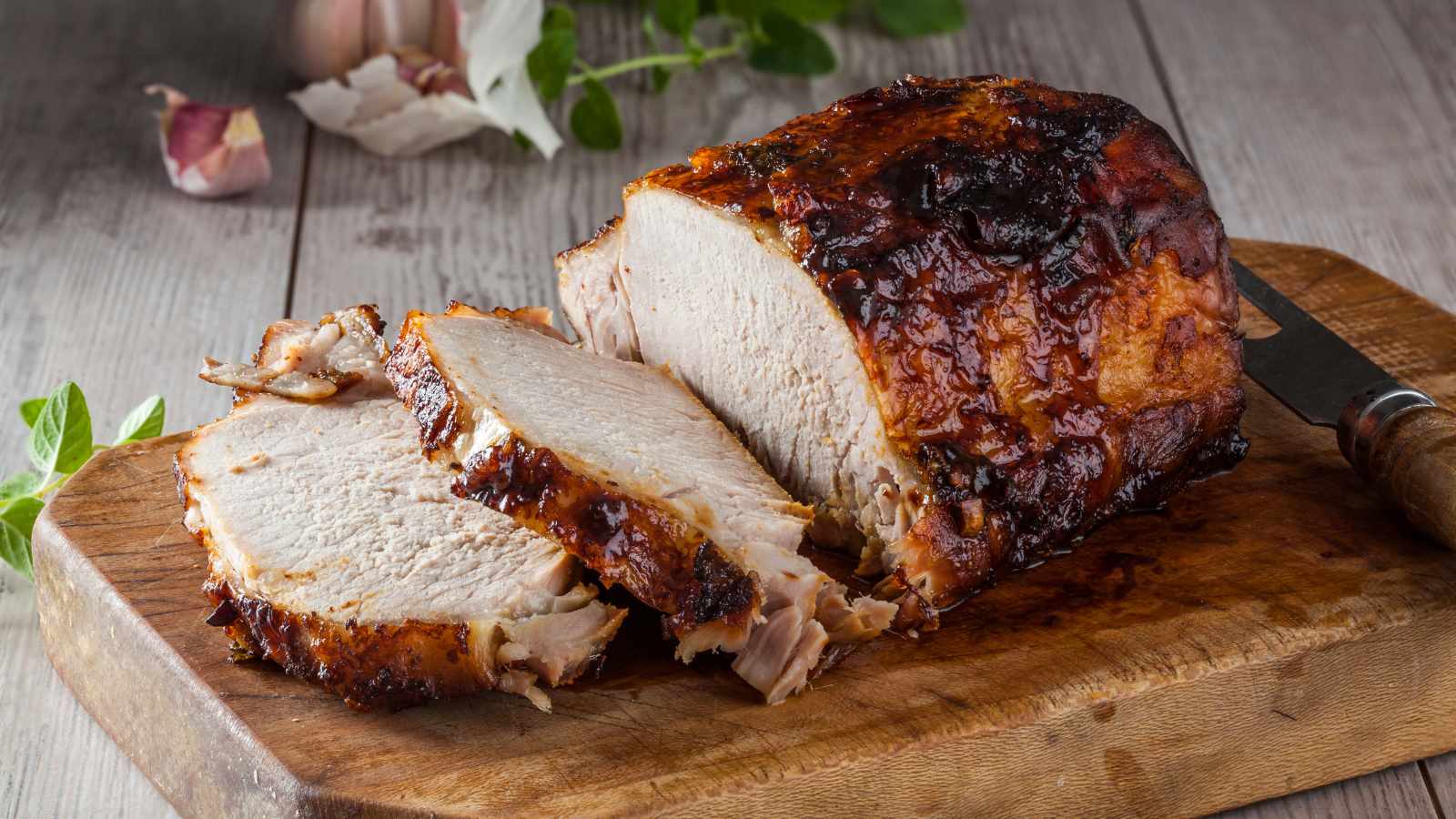
Cuts like pork chops, pork shoulder, and tenderloin are carb-free and flavor-rich. Pork also contains thiamine, a B-vitamin that helps your body use energy.
Avoid sugary BBQ sauces or glazes, as they can sneak in extra carbs. Crispy pork belly and roasted ham (without sugar cures) are especially satisfying.
5. Salmon

Fatty fish like salmon are zero-carb and brimming with omega-3 fatty acids, which are excellent for heart and brain health. Wild-caught salmon is particularly nutrient-dense. Serve it grilled, baked, or smoked (unsweetened) for a satisfying low-carb protein.
6. Tuna
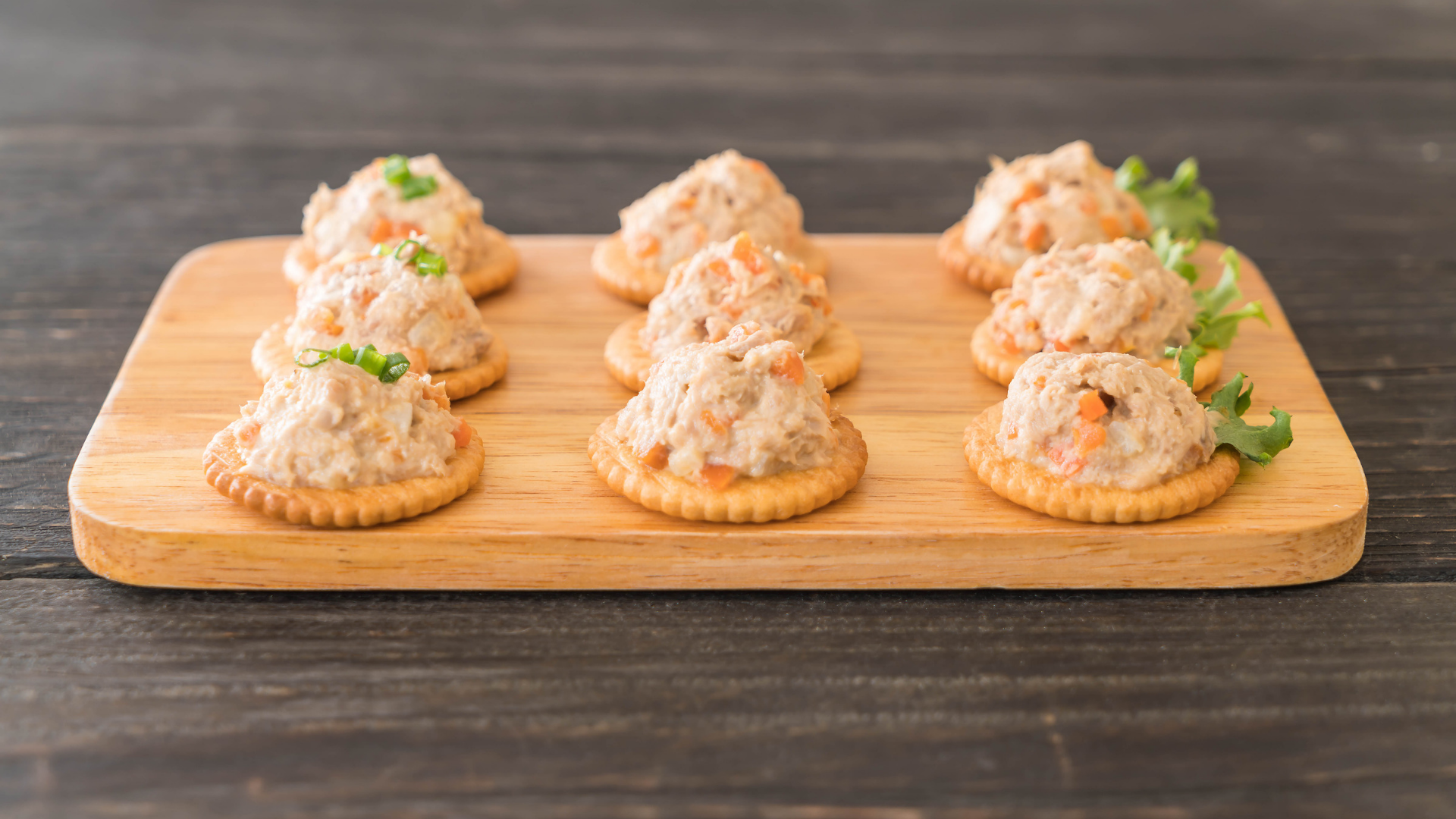
Canned or fresh tuna has no carbs and is rich in protein and selenium. Mix with mayo and a few spices for a keto-friendly tuna salad, or sear fresh tuna steaks for a restaurant-quality meal with zero carbs.
7. Sardines
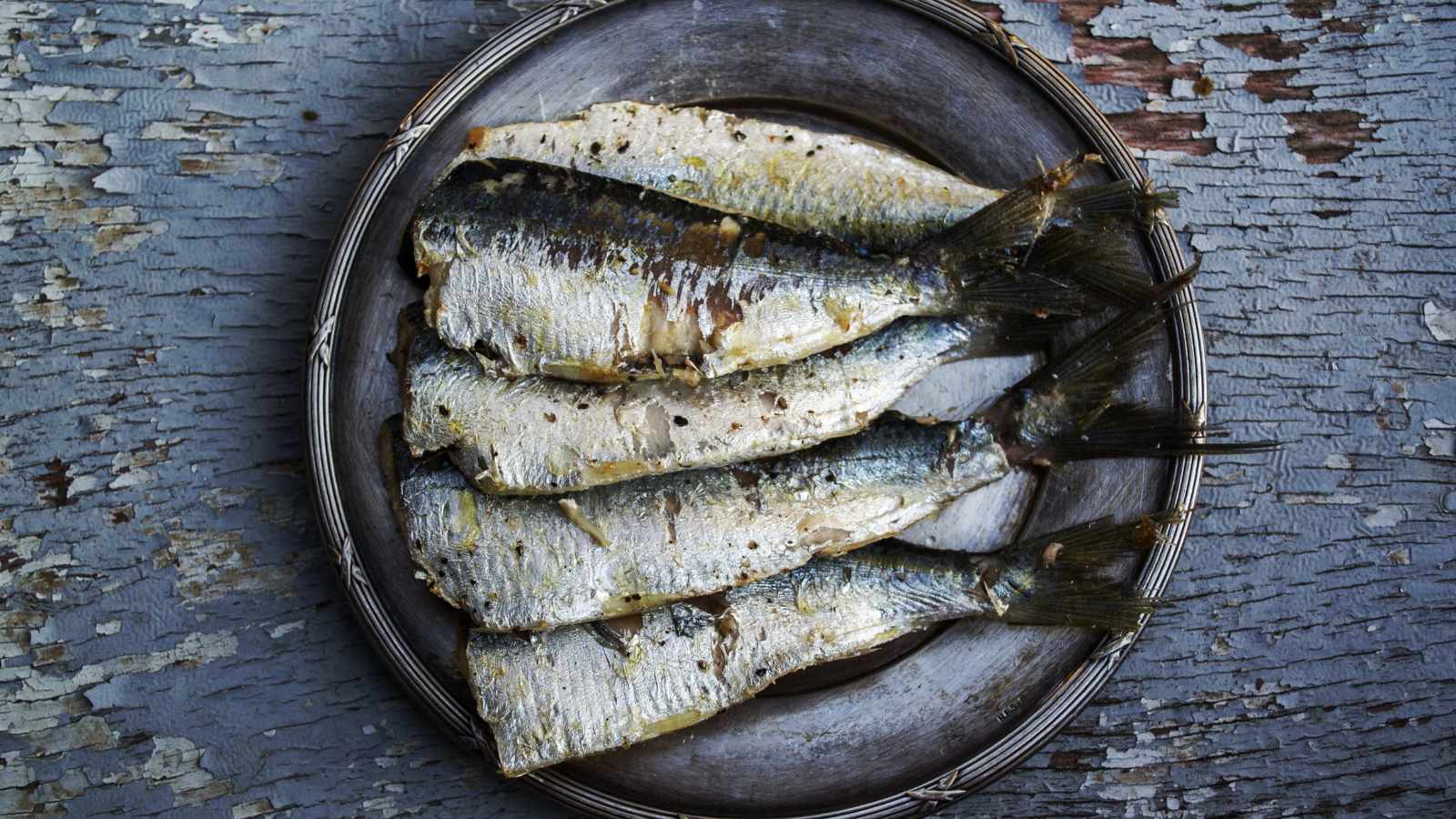
Sardines, especially canned in oil, are not only carb-free but also packed with calcium (thanks to the edible bones), vitamin D, and omega-3s. They’re great on their own, tossed into salads, or mashed into a zero-carb dip with cream cheese.
8. Shrimp

Shrimp is a lean, zero-carb seafood that’s quick to cook and easy to flavor. Whether stir-fried with garlic and chili, grilled with herbs, or tossed in olive oil, shrimp makes for a satisfying meal or snack. Be wary of breaded or fried versions that introduce carbs.
9. Lamb
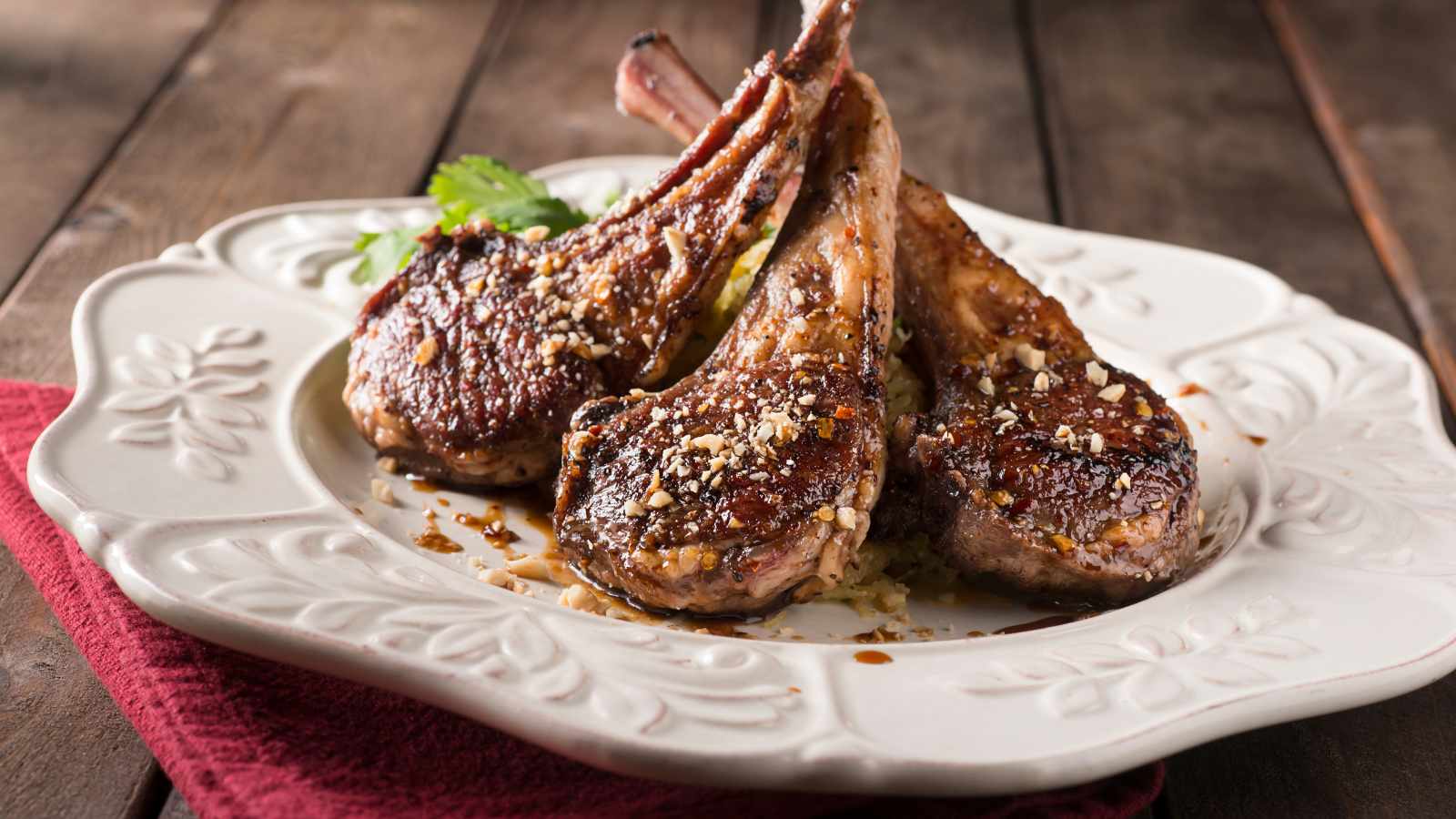
Lamb, especially in cuts like chops, ribs, or ground, is rich in flavor and completely carb-free. It also contains conjugated linoleic acid (CLA), a fatty acid linked to fat loss. Season with rosemary, garlic, and olive oil for a Mediterranean-style zero-carb dish.
10. Liver

Beef or chicken liver is not only zero-carb but also a nutritional powerhouse. It’s packed with vitamin A, B12, folate, and iron. While not everyone’s favorite, liver can be made palatable by sautéing with onions (caramelized without sugar) or blending into pâté with butter and herbs.
11. Hard Cheeses

Certain aged cheeses like Parmesan, cheddar, gouda, and Swiss contain virtually zero carbs, often less than 0.1g per serving. They’re perfect for snacking, melting over meats, or even baking into cheese crisps. Always check labels, as some processed cheeses may contain added starches.
12. Butter

Pure unsalted butter is completely carb-free and high in saturated fats that are increasingly recognized as part of a healthy low-carb lifestyle when consumed in moderation. Use butter to cook eggs, sauté meat, or flavor vegetables without adding carbs.
13. Lard and Tallow

Animal fats like lard (pork fat) and tallow (beef fat) are zero-carb and perfect for frying or roasting. They are stable at high temperatures and offer a rich, savory flavor. These fats were common in traditional cooking before being replaced by processed vegetable oils.
14. Olive Oil
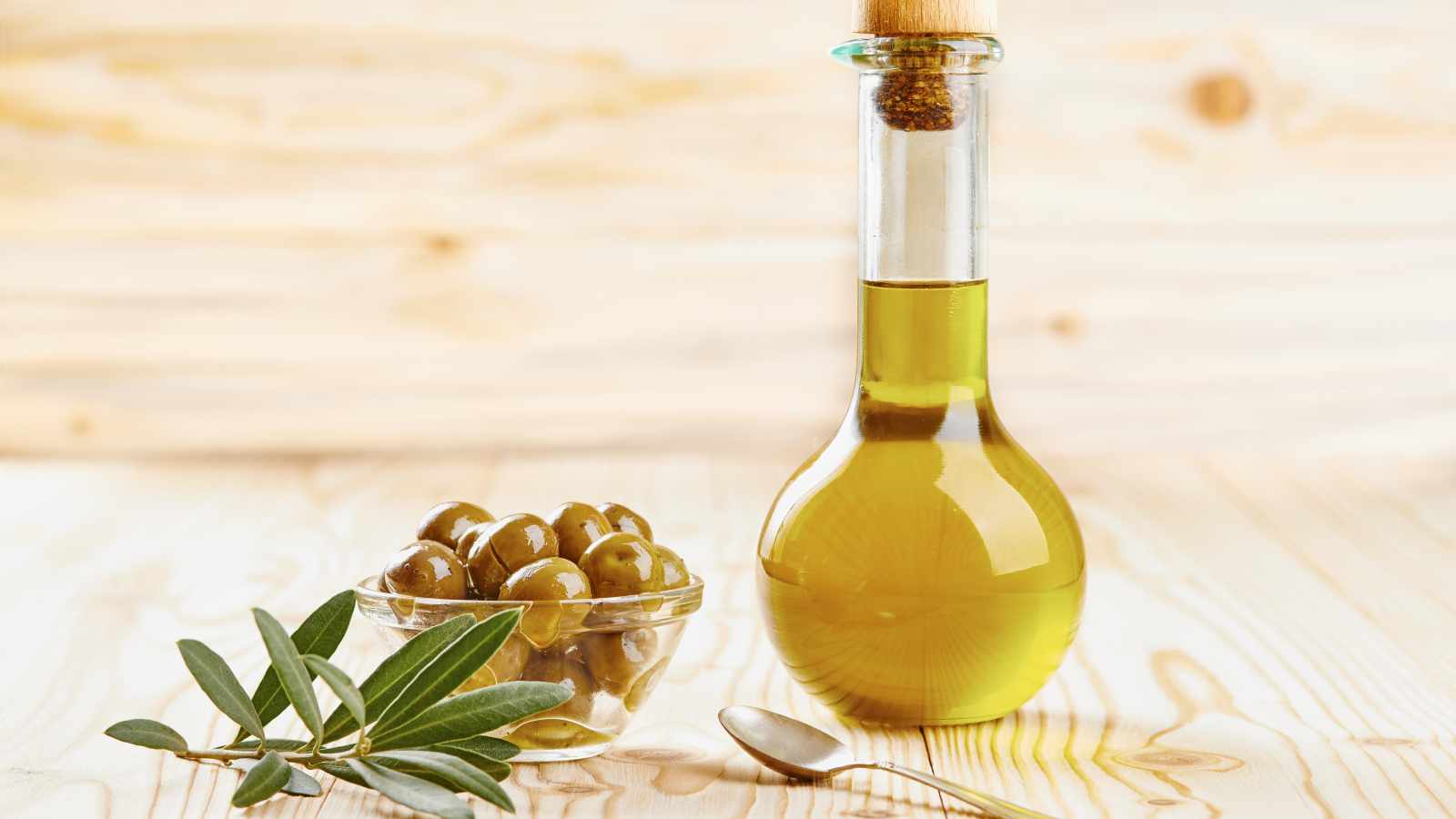
Extra virgin olive oil contains no carbs and is rich in monounsaturated fats and antioxidants. It’s excellent for dressing salads, drizzling over cooked vegetables, or finishing grilled meats. It also has anti-inflammatory benefits, making it ideal for heart health.
15. Coffee and Tea (Unsweetened)

Black coffee and unsweetened tea (green, black, herbal) contain zero carbs and can boost metabolism and mental focus. They’re satisfying beverages that help many people stay energized during intermittent fasting or carb restriction. Avoid sweeteners, creamers, and syrups that add hidden sugars.
Tips for Eating Zero Carb Without Getting Bored
Maintaining a zero-carb diet can feel restrictive if you’re not creative. Here are a few strategies to keep things interesting:
- Use spices liberally: Most herbs and spices have negligible carbs and can dramatically transform a dish.
- Rotate your proteins: Alternate between red meat, poultry, seafood, and organ meats to keep your meals varied.
- Cook with fats: Butter, ghee, and olive oil not only boost satiety but also enhance flavor.
- Zero-carb snacks: Make cheese crisps, meat roll-ups, or egg muffins to stay on track.
Zero Carb vs. Low Carb: What’s the Difference?
While low-carb diets typically limit daily carb intake to 20–50 grams, zero-carb diets aim to eliminate carbs entirely, often drawing from a strict animal-based or ketogenic approach. This stricter regimen may accelerate ketosis, improve insulin sensitivity, and reduce inflammation for some people, but it’s not for everyone.
Key differences:
| Feature | Low Carb | Zero Carb |
| Daily Carb Intake | 20–50g net carbs | 0–5g total carbs |
| Food Diversity | Includes low-carb veggies, nuts, berries | Mainly animal products, zero-carb condiments |
| Ketosis | Likely but flexible | Almost guaranteed |
Is a Zero Carb Diet Safe?
A strict zero-carb diet may not be ideal long-term for everyone, especially those with specific medical conditions or higher nutrient needs. While it’s effective for weight loss, blood sugar control, and autoimmune management in some cases, it can lack important micronutrients found in vegetables and fruits.
It’s wise to:
- Consult a healthcare provider or dietitian before starting.
- Supplement as needed (e.g., magnesium, potassium, vitamin C).
- Listen to your body and adjust based on energy levels and health markers.
Conclusion
Zero-carb eating doesn’t have to be a bland affair. As we’ve seen, there’s a surprisingly diverse array of flavorful, satisfying zero-carb foods that can keep you energized and on track with your nutritional goals.
From buttery ribeye steaks and sharp cheddar to shrimp scampi and crispy cheese chips, it’s absolutely possible to enjoy your meals without a single carb in sight.