
Once you hit your 30s, your body starts signaling subtle changes. You might notice energy shifts, increased stress, or changes in your menstrual cycle. These signals often point to a shift in nutritional needs. While a well-balanced diet forms the base, some nutrients are harder to get through food alone.
In this guide, you’ll discover seven essential food supplements for women after 30, why they matter, and handpicked, top-rated options available on Amazon.
1. Vitamin D
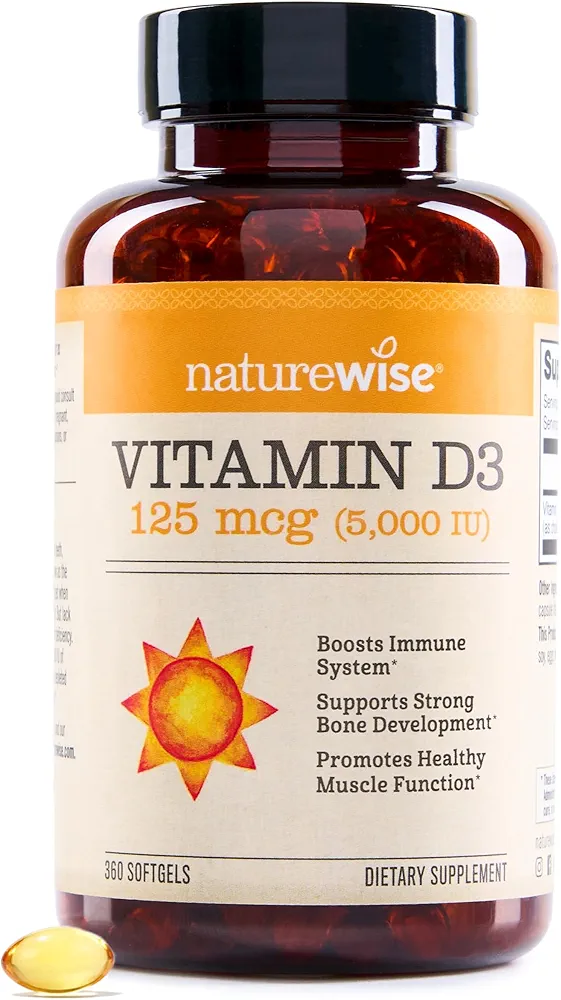
By 30, the body begins to absorb calcium less efficiently, and without enough vitamin D, bones can weaken over time. This vitamin also plays a part in muscle strength and mood balance. If you spend most of your day indoors or live in areas with little sun, your levels may already be low.
Low vitamin D can lead to fatigue, muscle pain, or an increased risk of fractures. A supplement can help bridge that gap, especially in fall and winter.
Top Pick on Amazon:
NatureWise Vitamin D3 5000 IU (125 mcg) Softgels
2. Omega-3 Fatty Acids
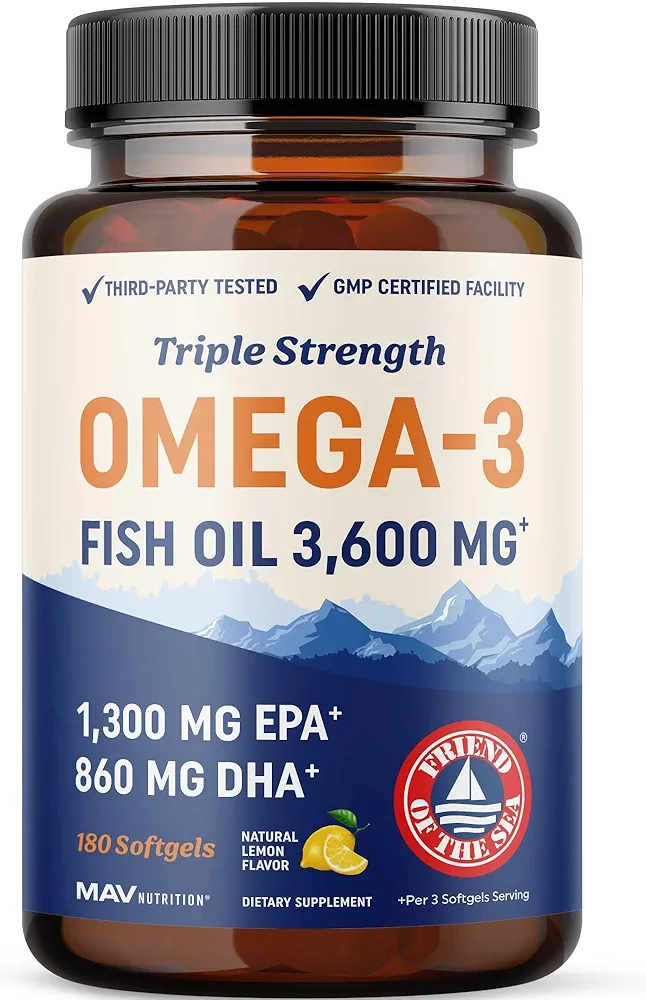
Omega-3s are healthy fats found in fish like salmon and sardines. They support heart health, ease inflammation, and help with hormone regulation, which is important for women in their 30s facing changes in their menstrual cycle or fertility planning.
Plant-based eaters may find it harder to get enough omega-3s from diet alone. A daily capsule made from fish oil or algae can help maintain healthy triglyceride levels and support brain clarity.
Top Pick on Amazon:
Triple Strength Omega 3 Fish Oil 3600 mg
3. Magnesium
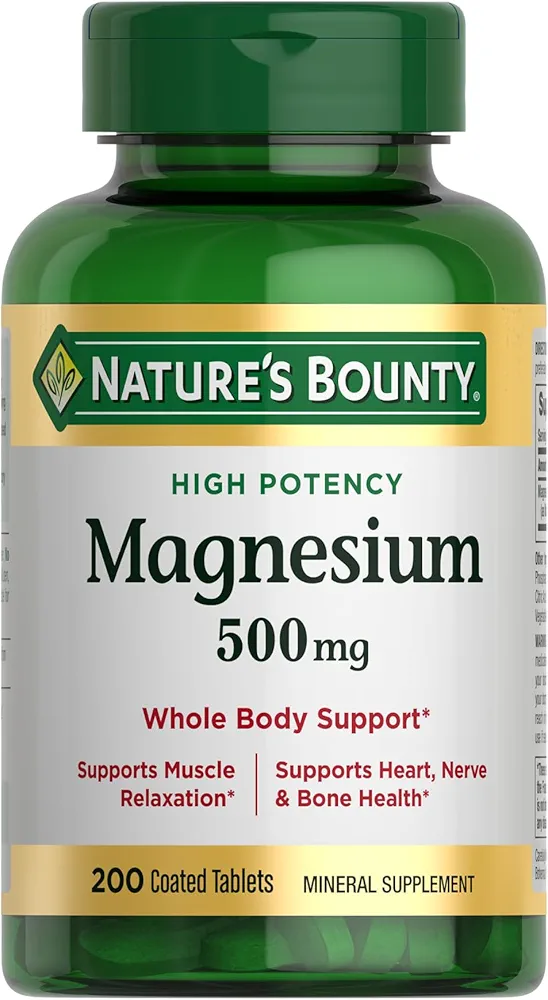
Magnesium supports over 300 processes in the body, from muscle function to energy creation. It also plays a role in managing stress, easing premenstrual symptoms, and improving sleep quality.
Women in their 30s often face busy schedules that increase magnesium loss through stress or workouts. A supplement can help reduce headaches, calm the nervous system, and improve overall rest.
Top Pick on Amazon:
Nature’s Bounty Magnesium Supplements
4. Iron
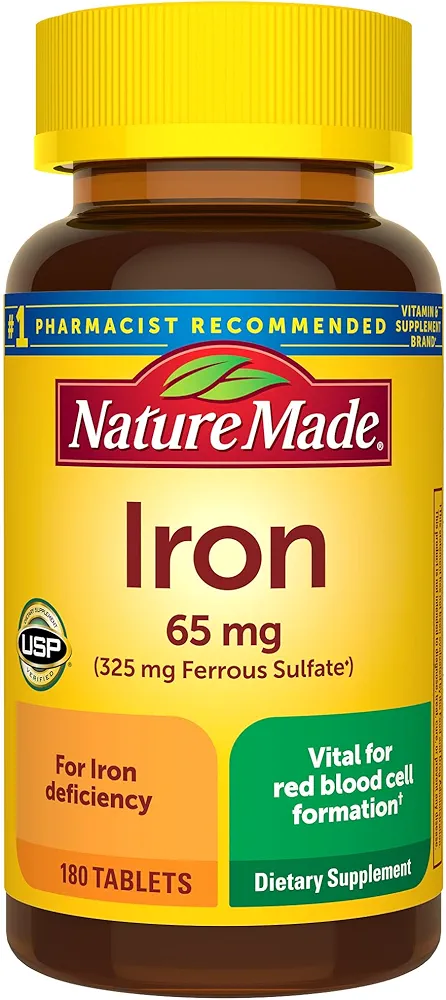
Iron helps carry oxygen in the blood. Women who still have monthly periods lose small amounts regularly, which can affect energy levels and concentration.
If you feel tired even after sleeping well, low iron might be a reason. Look for iron in a form that’s gentle on the stomach, especially if you’ve experienced discomfort with other types in the past.
Top Pick on Amazon:
Nature Made Iron 65 mg (325 mg Ferrous Sulfate) Tablets
5. Probiotics
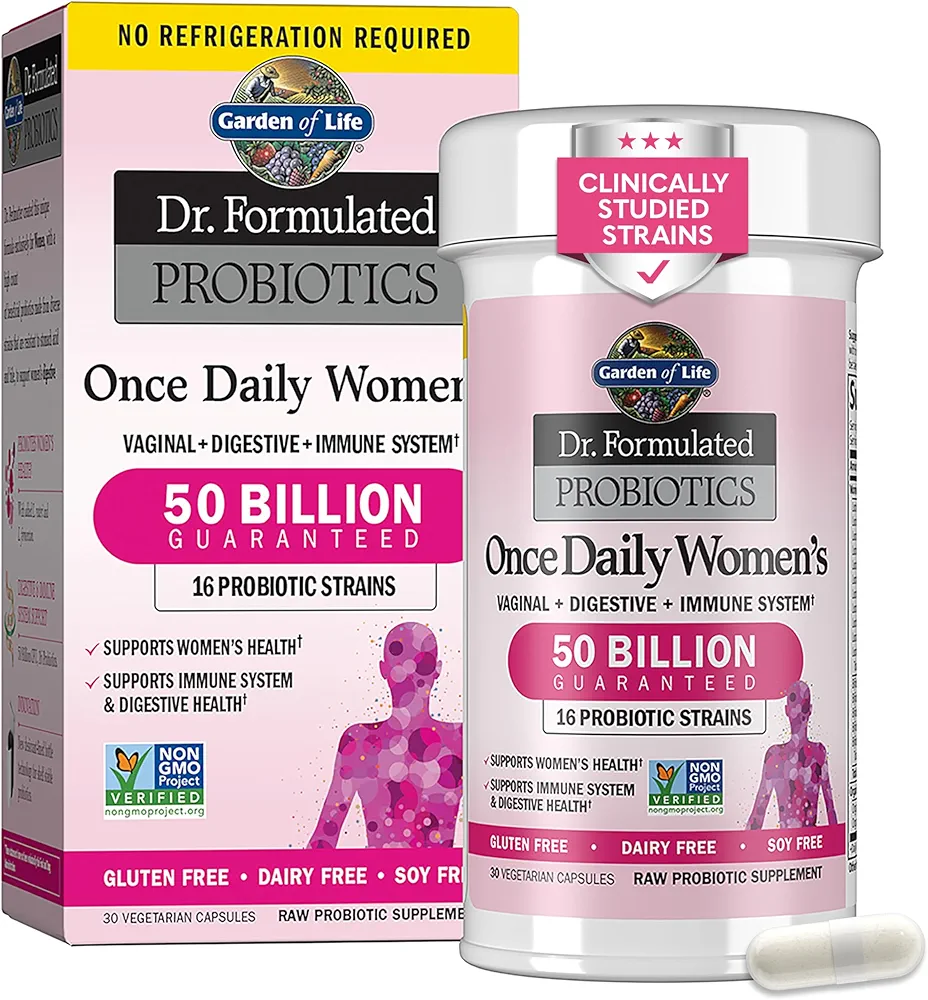
Gut bacteria do more than help digestion; they also influence the immune system and skin clarity. After 30, changes in diet, hormones, and stress can throw gut balance off, leading to bloating or breakouts.
Probiotics add helpful bacteria back into the gut, which may reduce discomfort and support smoother digestion. They come in capsules, powders, or even chewables, depending on what works best for you.
Top Pick on Amazon:
Garden of Life Dr. Formulated Probiotics for Women
6. Calcium
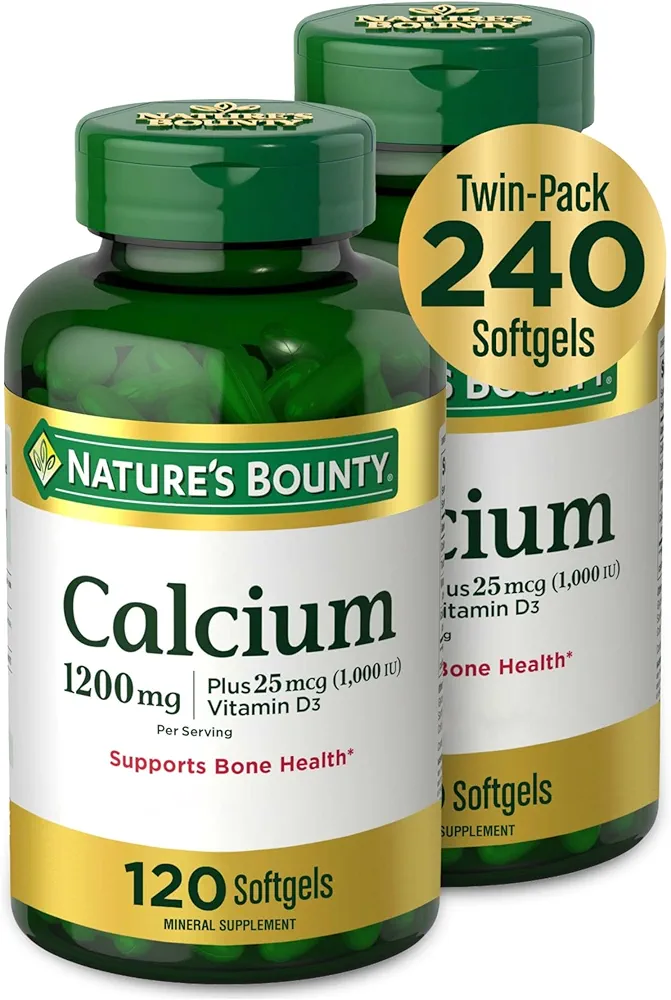
Bone mass reaches its peak around the late 20s, and then slowly begins to decline. If you don’t get enough calcium, the body starts pulling it from your bones to maintain blood levels, which can weaken bone structure over time.
Women in their 30s may not notice these changes until much later, but early support makes a difference. Calcium supplements can fill gaps for those who avoid dairy or have higher needs.
Top Pick on Amazon:
Nature’s Bounty Calcium 1200 mg with Vitamin D3
7. Folate (Vitamin B9)
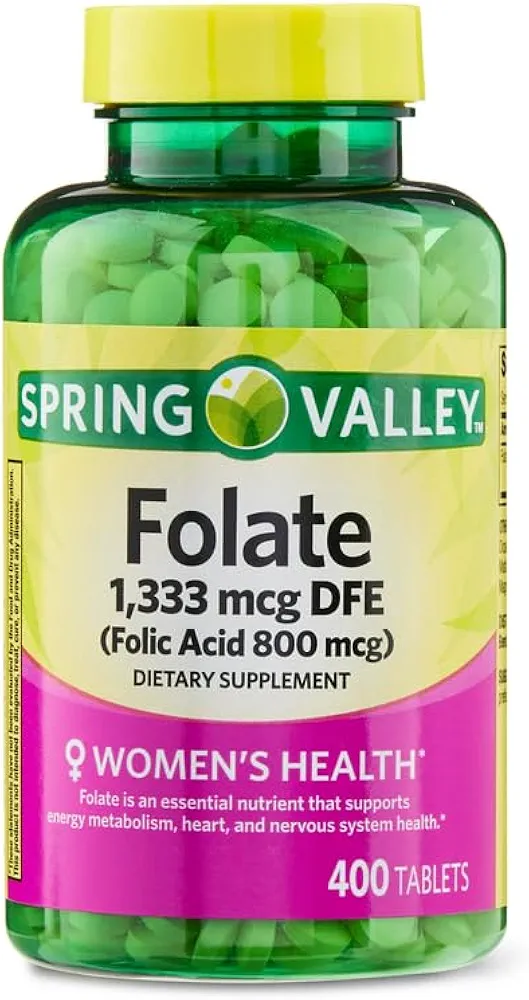
Folate supports cell repair and DNA production, and while it’s often linked with pregnancy, it has benefits for all women. It also helps prevent fatigue by aiding red blood cell formation.
Even if you’re not planning a pregnancy, folate helps the body maintain healthy tissues and supports brain function. Some supplements use the methylated form (methylfolate), which is easier for some people to absorb.
Top Pick on Amazon:
Folate Dietary Supplement, 1,333 mcg DFE, 400 Count
Conclusion
When your body starts shifting in your 30s, it’s an opportunity to support it better. The above supplements can help fill common nutritional gaps and optimize your energy, bone strength, mood, and gut health.
However, before starting any supplement, it’s a good idea to check with your healthcare provider, especially if you have underlying conditions or take medications.