
When it comes to oral care, brushing and flossing often get the spotlight. But healthy gums form the foundation for strong teeth and a comfortable bite. Gum health impacts how you eat, speak, and even affects your overall well-being.
This article outlines seven signs that your gum health may need a closer look. By recognizing these signs early, you can prevent deeper dental issues and protect your smile.
1. Bleeding Gums During Brushing or Flossing
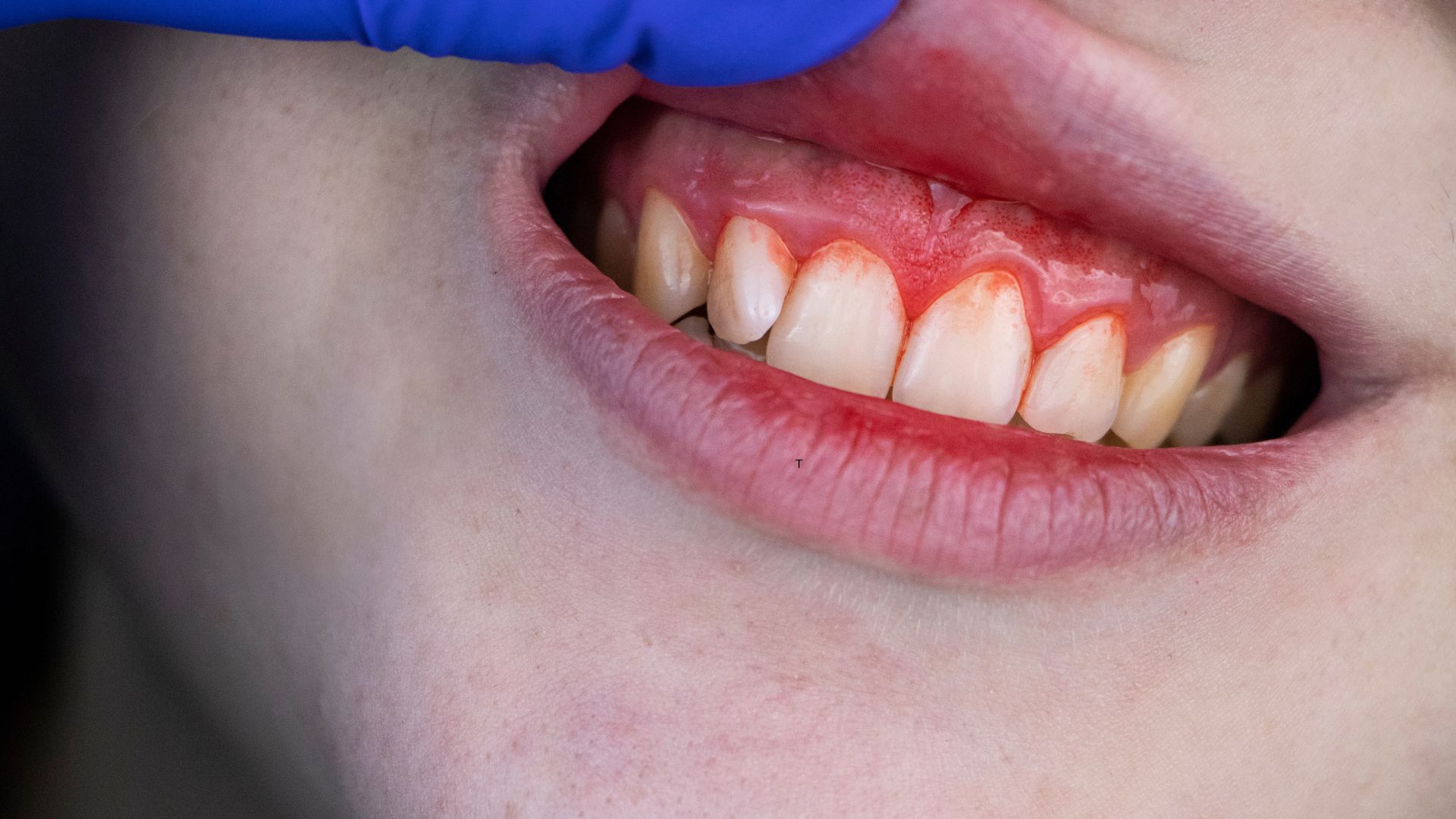
Bleeding isn’t always normal even if it happens after a hard brush. Gums that bleed regularly signal inflammation, often caused by plaque buildup along the gumline. This inflammation is your body’s way of reacting to harmful bacteria. Left unaddressed, it can progress to gingivitis or even periodontitis.
2. Persistent Bad Breath

If your breath stays unpleasant even after brushing, your gums could be the culprit. Bacteria trapped beneath the gumline release sulfur compounds, creating odor. This isn’t the kind of bad breath a mint will solve; it points to infection and the need for dental care. Regular cleanings and targeted treatment can help clear this up.
3. Red or Swollen Gums
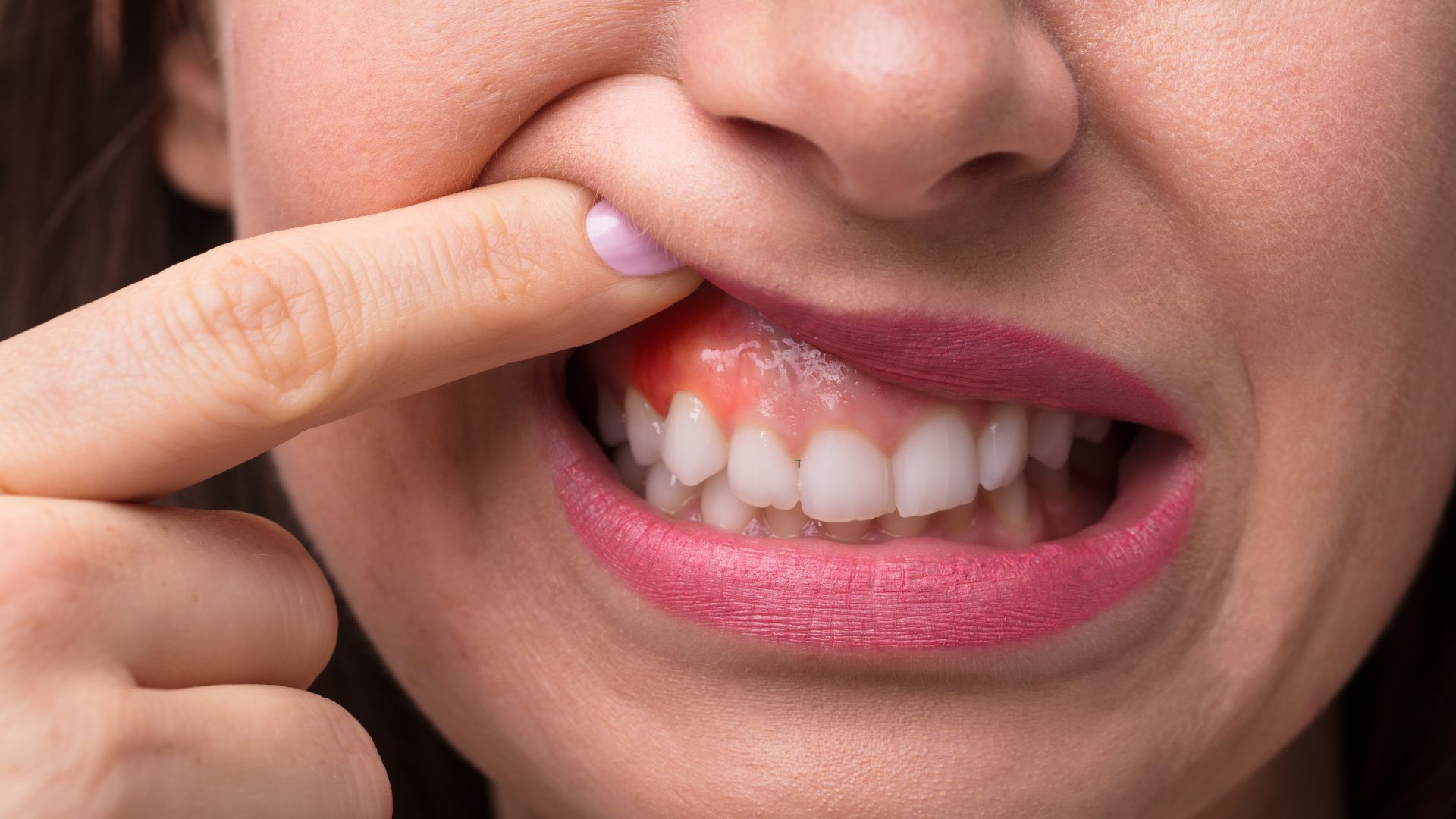
Healthy gums usually appear light pink and feel firm to the touch. If yours are red, puffy, or tender, it’s a warning. Swelling can result from bacterial infection, and the gum tissue may start to pull away from the teeth. This early irritation, if caught in time, is reversible with proper hygiene and dental support.
4. Gum Recession
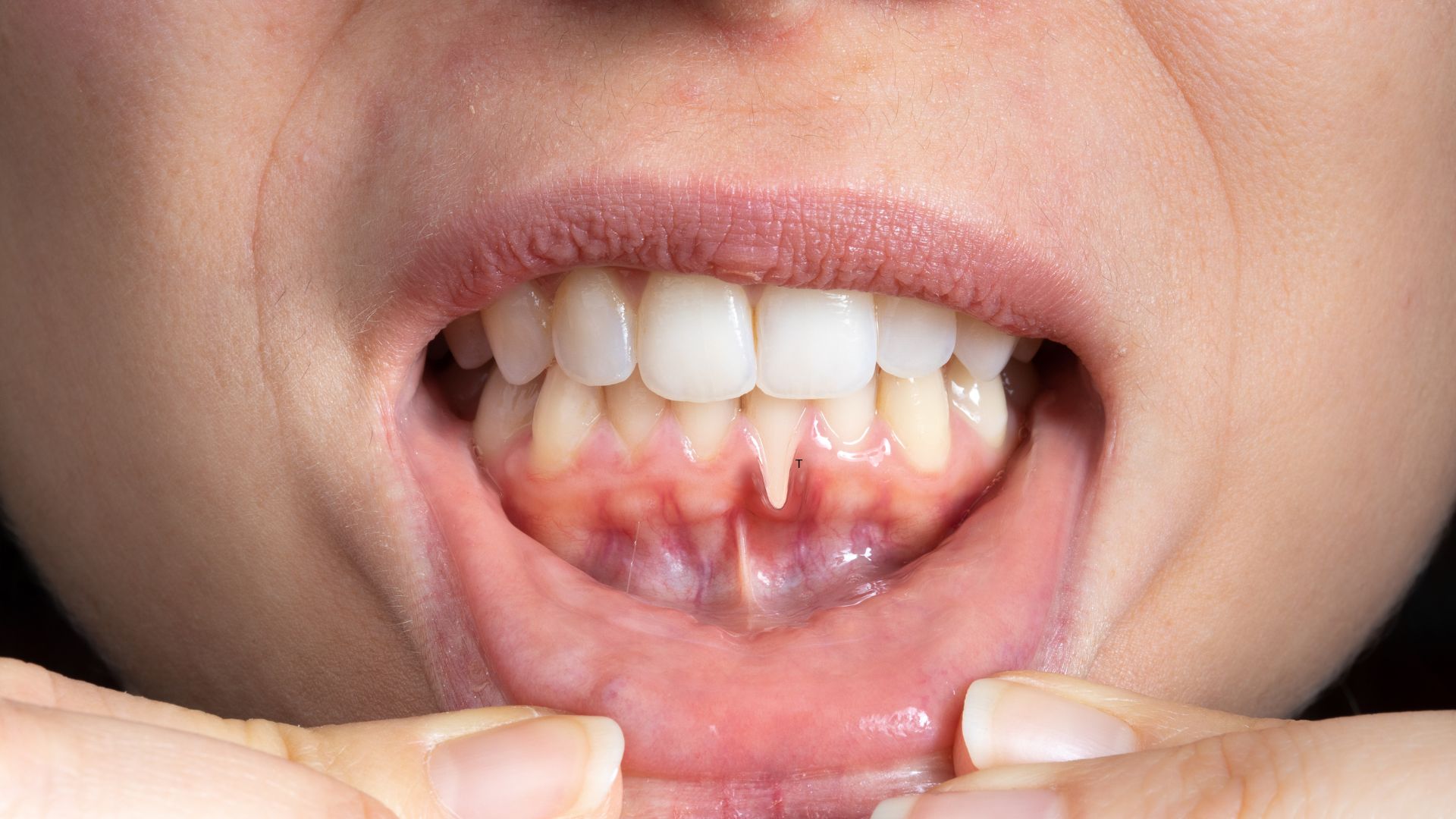
Gums that appear to shrink or pull back from the teeth expose more of the tooth surface. This condition increases tooth sensitivity and raises the risk of decay and infection. It’s commonly caused by aggressive brushing or untreated gum disease. Receding gums do not grow back naturally, so early action is key.
What Causes Gum Recession?
Mild recession often starts unnoticed but can be triggered by:
- Brushing too hard
- Smoking or tobacco use
- Misaligned bite
- Long-term plaque buildup
Treatment options vary from deep cleaning to gum graft surgery, depending on severity.
5. Loose or Shifting Teeth
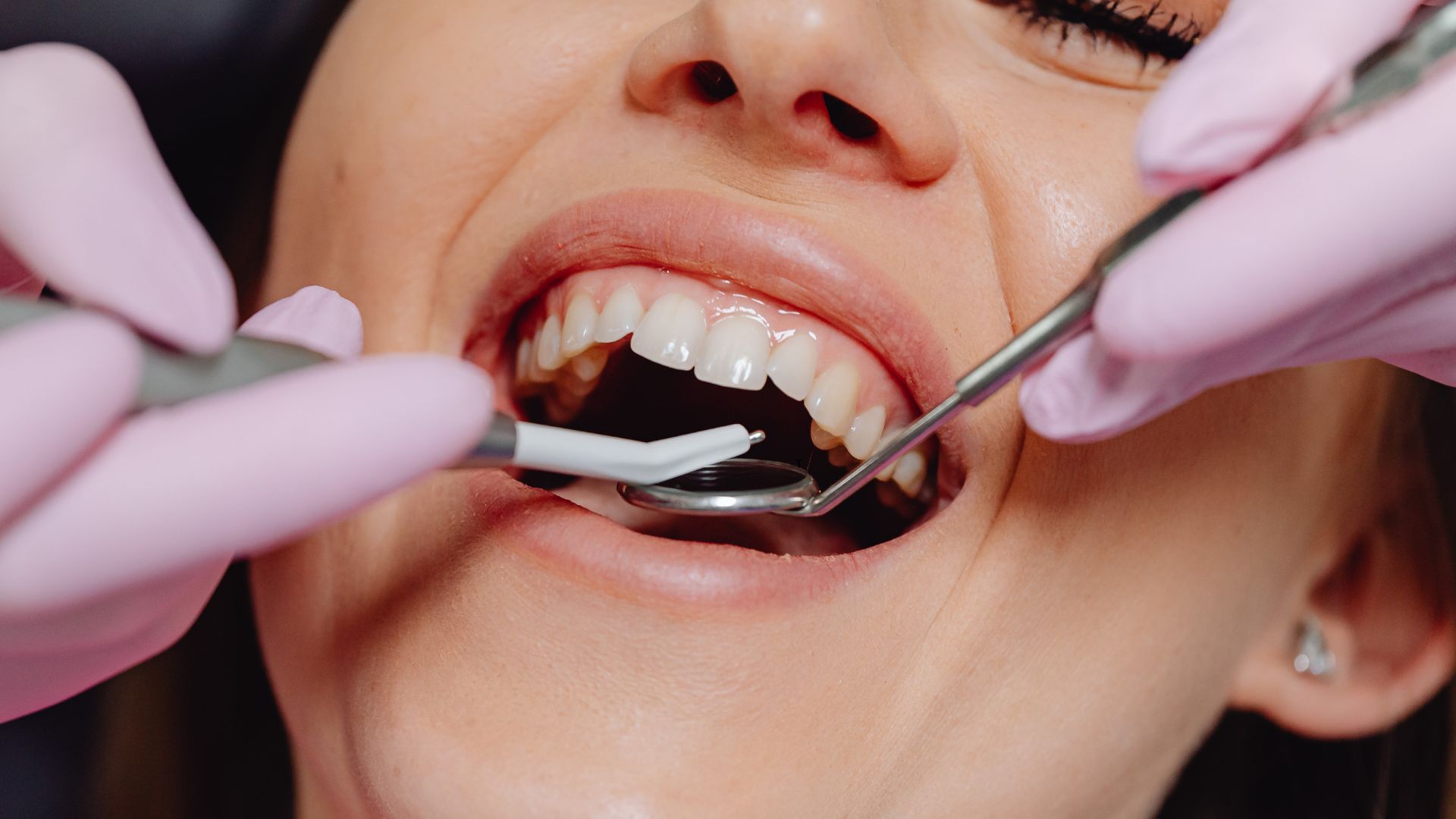
Gums help anchor your teeth in place. When gums deteriorate, that support weakens, and teeth may feel mobile. If your bite starts to change or teeth seem to drift, this can indicate advanced periodontal disease. A dentist can evaluate bone loss around the teeth using x-rays or probing tools.
6. Pus Between Teeth and Gums
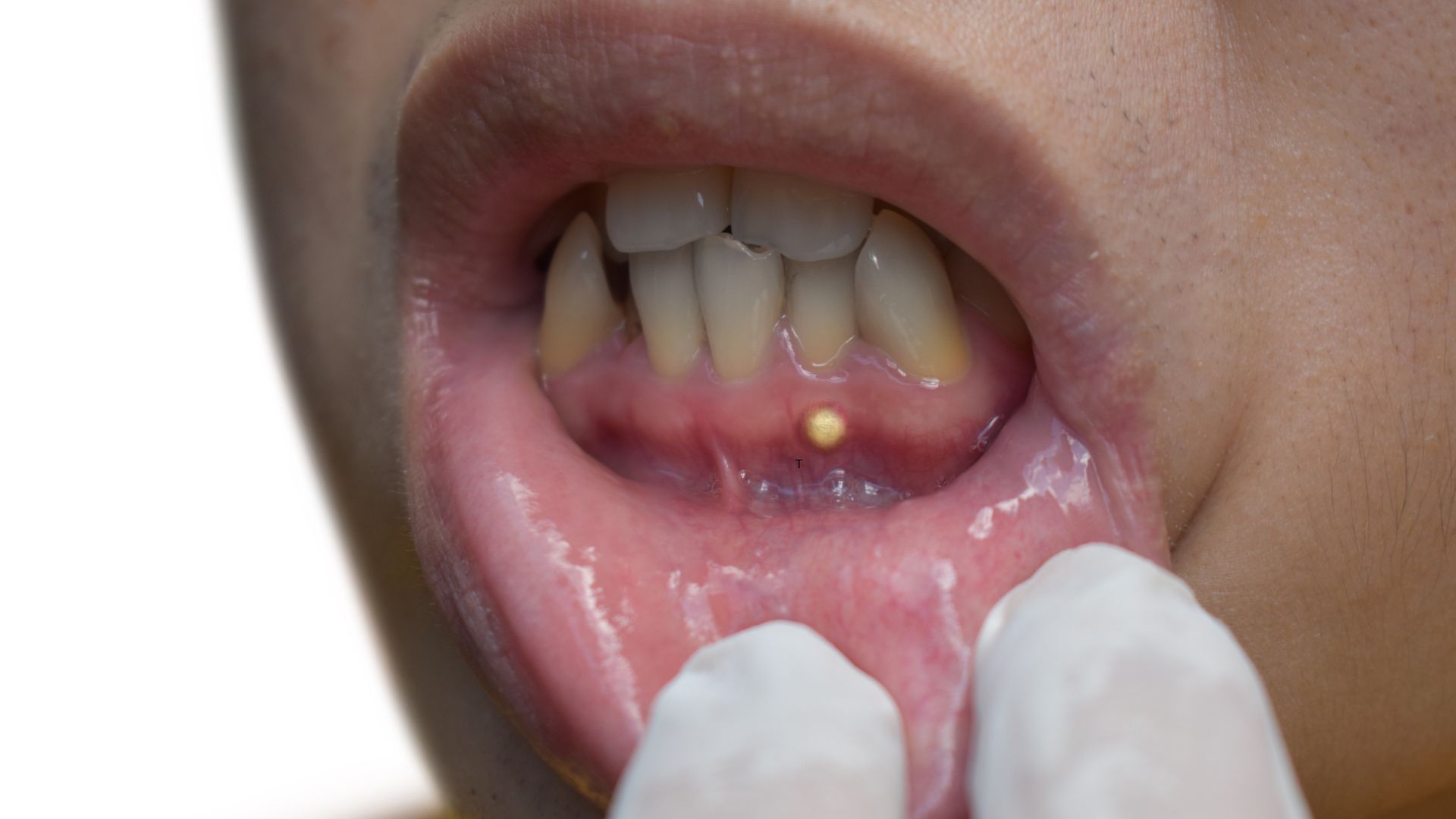
Pus is a clear sign of infection and shouldn’t be ignored. It forms when your immune system fights off bacteria in the gum pockets. You might see it when you press on the gum or notice a bad taste in your mouth. This can lead to pain, abscesses, and damage to both soft tissue and bone.
7. Pain When Chewing

Pain while biting down can stem from issues below the gumline. Inflamed or infected gums may feel sore when pressure is applied, making eating uncomfortable. If this happens frequently, it might be a sign of deep gum pockets, bone loss, or both. Dentists can use imaging to identify what’s happening beneath the surface.
Conclusion
Your gums are just as important as your teeth, and signs of trouble often show up gradually. Paying attention to changes like bleeding, swelling, or discomfort can save you from long-term damage and more intensive treatments down the road.
If any of these signs sound familiar, don’t wait. Early action and regular checkups keep gum disease from escalating and help maintain a healthy, pain-free mouth.