
Your muscle tissue plays a crucial role in movement, strength, and overall health. Whether you’re an athlete, a fitness enthusiast, or simply looking to stay strong as you age, protecting and preserving muscle tissue is essential.
Here’s a look at the eight best foods and exercises to keep your muscles healthy and resilient.
1. Lean Proteins
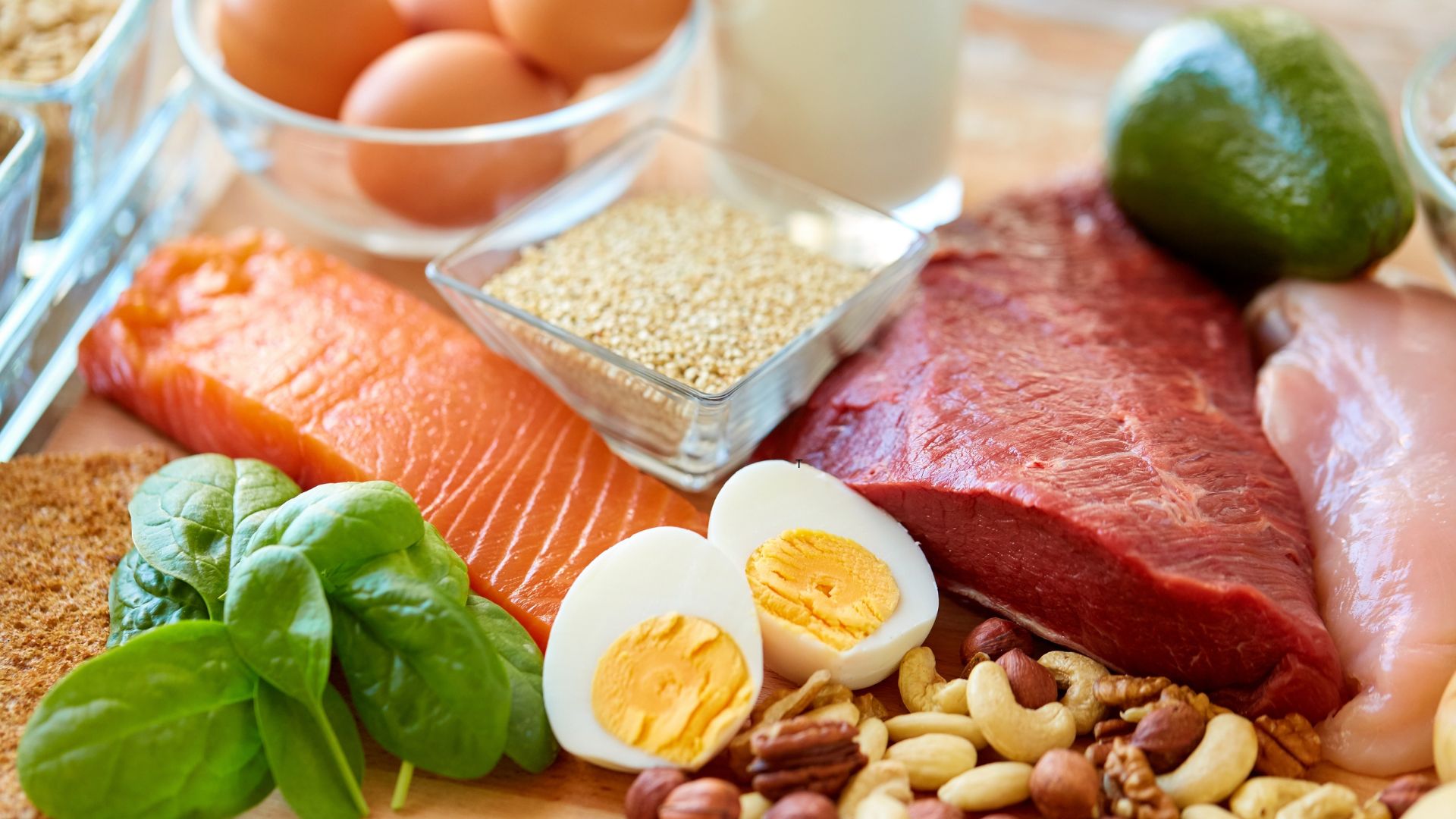
Protein is the most important macronutrient for maintaining and repairing muscle tissue. When you exercise or engage in daily activities, muscle fibers experience tiny tears that need to be rebuilt.
Consuming high-quality protein provides the amino acids necessary for muscle synthesis and recovery.
Best Sources of Lean Protein:
- Chicken breast – A low-fat, high-protein option ideal for muscle maintenance.
- Eggs – Contain all nine essential amino acids, making them a complete protein source.
- Salmon – Provides protein along with omega-3 fatty acids that support muscle health.
- Greek yogurt – Rich in casein protein, which slowly releases amino acids for sustained muscle nourishment.
2. Strength Training

Engaging in regular strength training is one of the most effective ways to stimulate muscle growth and prevent muscle loss. Resistance exercises create tension in the muscles, forcing them to adapt by becoming stronger.
Strength training also helps maintain bone density and metabolic rate, making it crucial for overall health.
Best Strength Training Exercises:
- Squats – Strengthen the lower body, core, and back while improving stability.
- Deadlifts – Engage multiple muscle groups, including legs, back, and core, for total-body strength.
- Push-ups – Improve upper body strength by targeting the chest, shoulders, and triceps.
- Pull-ups – Build back and arm muscles, enhancing grip strength and endurance.
3. Omega-3 Fatty Acids
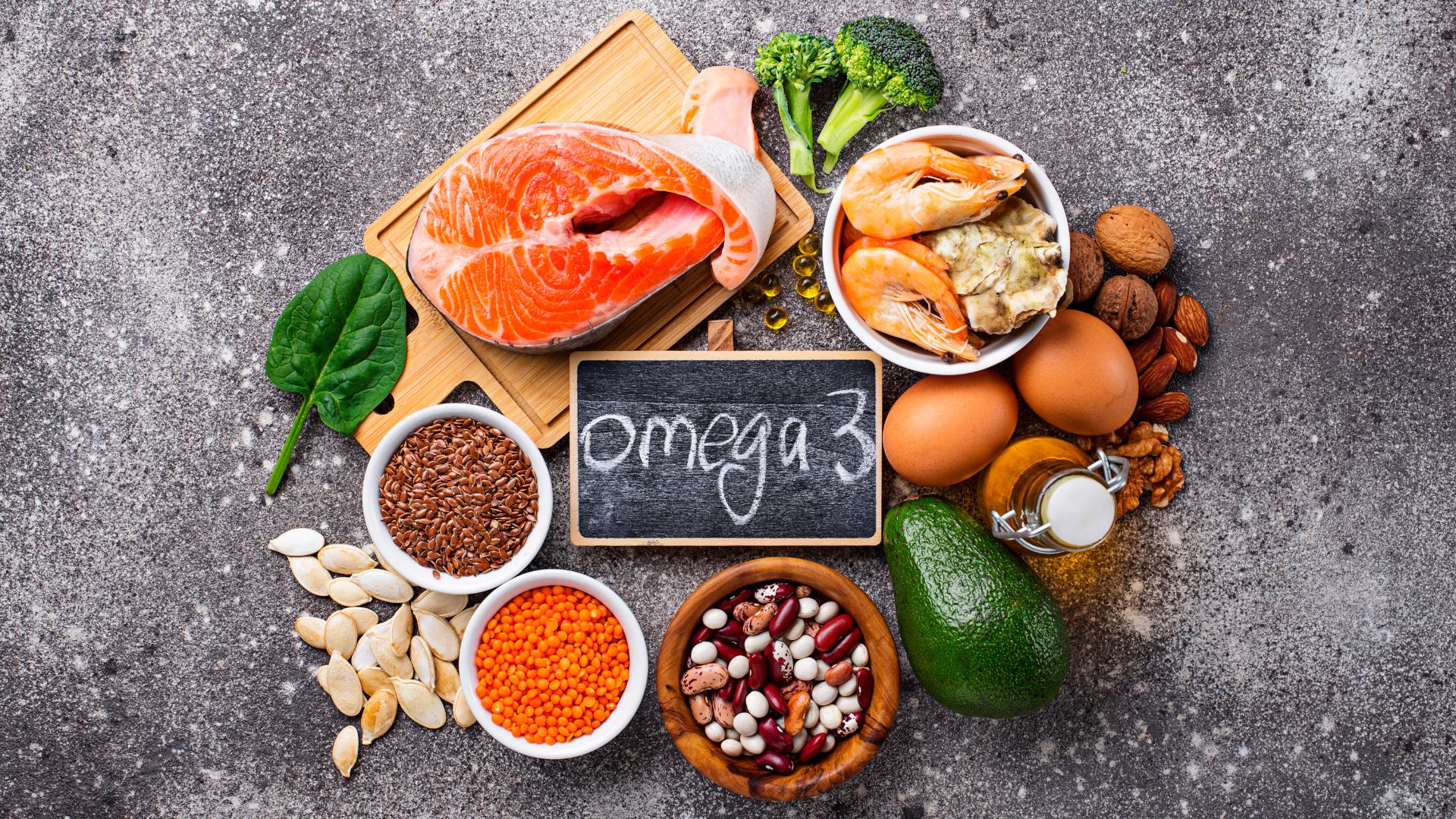
Chronic inflammation can lead to muscle degradation and slower recovery times. Omega-3 fatty acids have powerful anti-inflammatory properties that protect muscle cells and enhance post-workout recovery.
Best Omega-3 Sources:
- Fatty fish (salmon, sardines, mackerel) – High in EPA and DHA, which promote muscle repair.
- Chia and flaxseeds – Provide plant-based omega-3s that support overall muscle function.
- Walnuts – Offer healthy fats that help combat oxidative stress in muscle tissues.
4. Compound Movements

Unlike isolated exercises that target a single muscle, compound movements engage multiple muscles simultaneously, promoting functional strength and muscle coordination.
These exercises improve overall fitness and reduce the risk of muscular imbalances, which can lead to injuries.
Best Compound Exercises:
- Bench press – Builds upper-body strength by working the chest, shoulders, and triceps.
- Lunges – Strengthen the legs and glutes while improving balance.
- Rows (barbell or dumbbell) – Enhance back strength and improve posture.
5. BCAAs
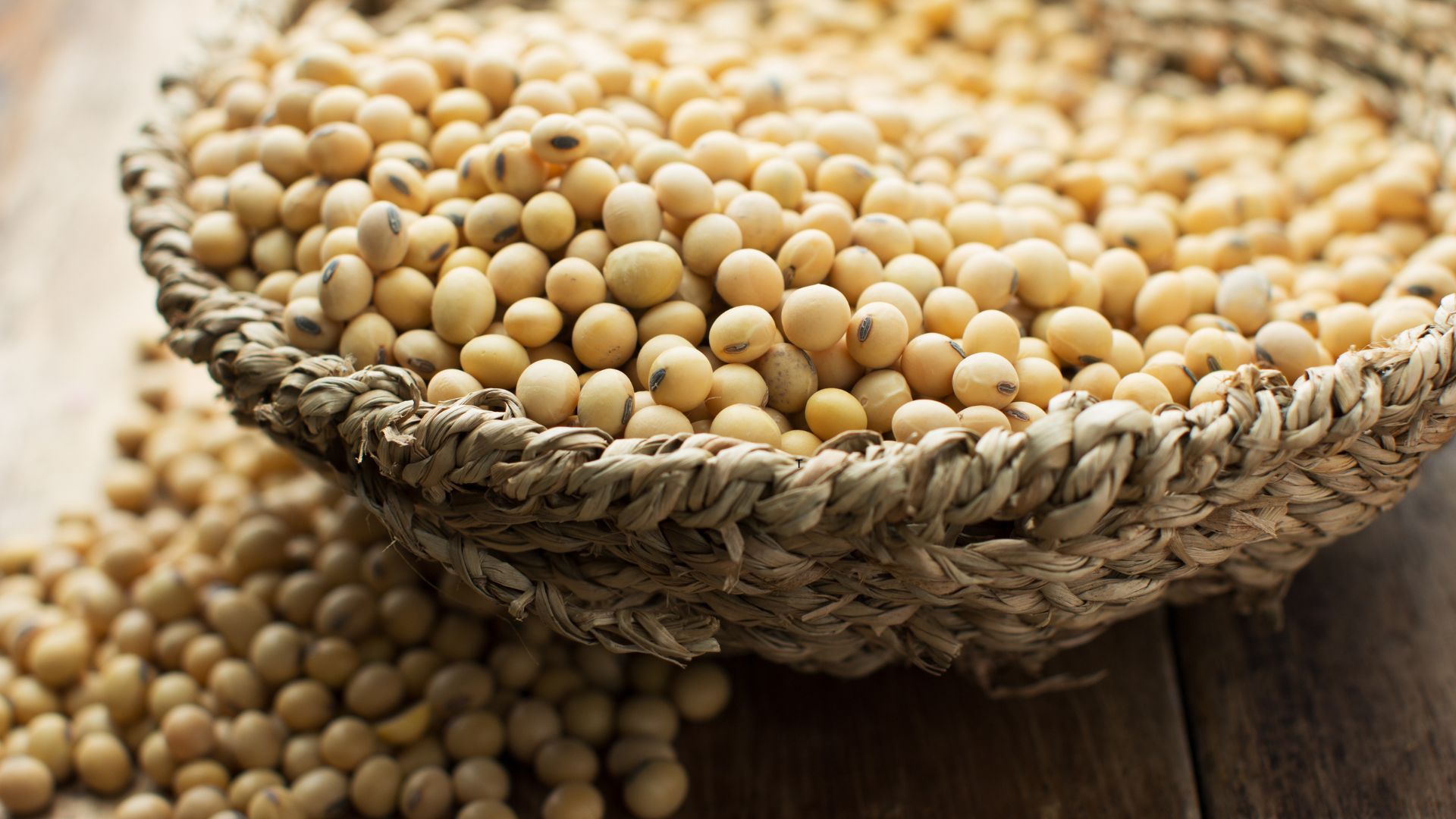
Branched-chain amino acids (BCAAs) are essential nutrients that promote muscle growth and prevent muscle loss.
They help reduce muscle soreness, improve recovery time, and support energy production during exercise.
Best BCAA Sources:
- Lean meats (chicken, beef, turkey) – Provide high levels of leucine, a key amino acid for muscle growth.
- Dairy products (milk, cheese, yogurt) – Offer a mix of BCAAs and casein for sustained muscle nourishment.
- Plant-based options (quinoa, lentils, soy products) – A great alternative for those on a vegetarian or vegan diet.
6. Resistance Band Training

Resistance bands provide consistent tension throughout an exercise, helping to activate more muscle fibers and improve endurance.
They are a low-impact option, making them ideal for injury prevention and rehabilitation while still building strength.
Best Resistance Band Exercises:
- Banded squats – Engage the glutes and legs with added resistance.
- Shoulder press with bands – Strengthen shoulder muscles with controlled movement.
- Seated row with bands – Develop back strength and improve posture.
7. Antioxidant-Rich Foods

Intense workouts can lead to oxidative stress, causing muscle fatigue and inflammation. Consuming antioxidant-rich foods helps neutralize free radicals, reducing muscle soreness and promoting faster recovery.
Best Antioxidant Foods:
- Berries (blueberries, raspberries, cherries) – Contain polyphenols that combat inflammation.
- Dark chocolate (85% or higher) – Improves circulation, helping deliver nutrients to muscles.
- Leafy greens (spinach, kale) – Provide vitamins C and E, which aid in muscle recovery.
8. Plyometric Training

Plyometric exercises focus on explosive movements, increasing muscle power, speed, and endurance. These exercises target fast-twitch muscle fibers, which are essential for quick, high-intensity actions like sprinting and jumping.
Best Plyometric Exercises:
- Jump squats – Strengthen the lower body while improving agility.
- Box jumps – Enhance coordination and explosive strength.
- Medicine ball slams – Activate the core, arms, and shoulders through rapid, powerful movements.
Conclusion
Protecting your muscle tissue requires a strategic combination of nutrient-rich foods and effective exercises. A diet high in lean proteins, omega-3s, and antioxidants fuels muscle recovery and reduces inflammation, while strength training, compound movements, and plyometric exercises ensure your muscles remain strong and functional.
Whether you’re training for performance or simply maintaining health, these strategies will help keep your muscles resilient for life.