
Not every item in the grocery store supports good health. Many products may appear convenient or appealing, but they often contain ingredients that nutrition experts recommend limiting or avoiding. These foods may be high in added sugars, unhealthy fats, sodium, or refined ingredients that offer little nutritional value.
This article explains eight everyday grocery items nutritionists often avoid and why they make healthier choices instead.
1. Sugary Breakfast Cereals

Many boxed cereals are marketed as healthy but contain large amounts of sugar and very little fiber. Eating them regularly can cause blood sugar spikes, leaving you hungry again within a short time.
Nutritionists prefer options like oatmeal or whole-grain cereals with minimal added sugar. These choices provide longer-lasting energy and more nutrients.
2. Flavored Yogurt Cups

Flavored yogurts often contain as much sugar as desserts. Even when labeled as low-fat, they often contain added sweeteners to enhance the taste. The extra sugar cancels out the potential benefits of probiotics.
Plain, unsweetened yogurt is a better option. Adding fresh fruit or nuts provides natural sweetness and extra nutrients without the sugar overload.
3. Processed Deli Meats

Packaged cold cuts, such as ham, salami, and bologna, are high in sodium and contain preservatives like nitrates. Regular intake has been linked to higher risks of heart disease.
Nutritionists choose freshly cooked chicken, turkey, or beans as protein sources for sandwiches and salads. These options provide protein without the heavy salt and additives.
4. Packaged Snack Cakes

Snack cakes are made with refined flour, added sugars, and hydrogenated oils. They provide calories but very few nutrients. Their combination of sugar and fat makes them easy to overeat.
For a healthier sweet option, nutritionists suggest fruit, dark chocolate, or homemade baked goods made with whole ingredients. These swaps offer better nutrition while still satisfying cravings.
5. Frozen Dinners
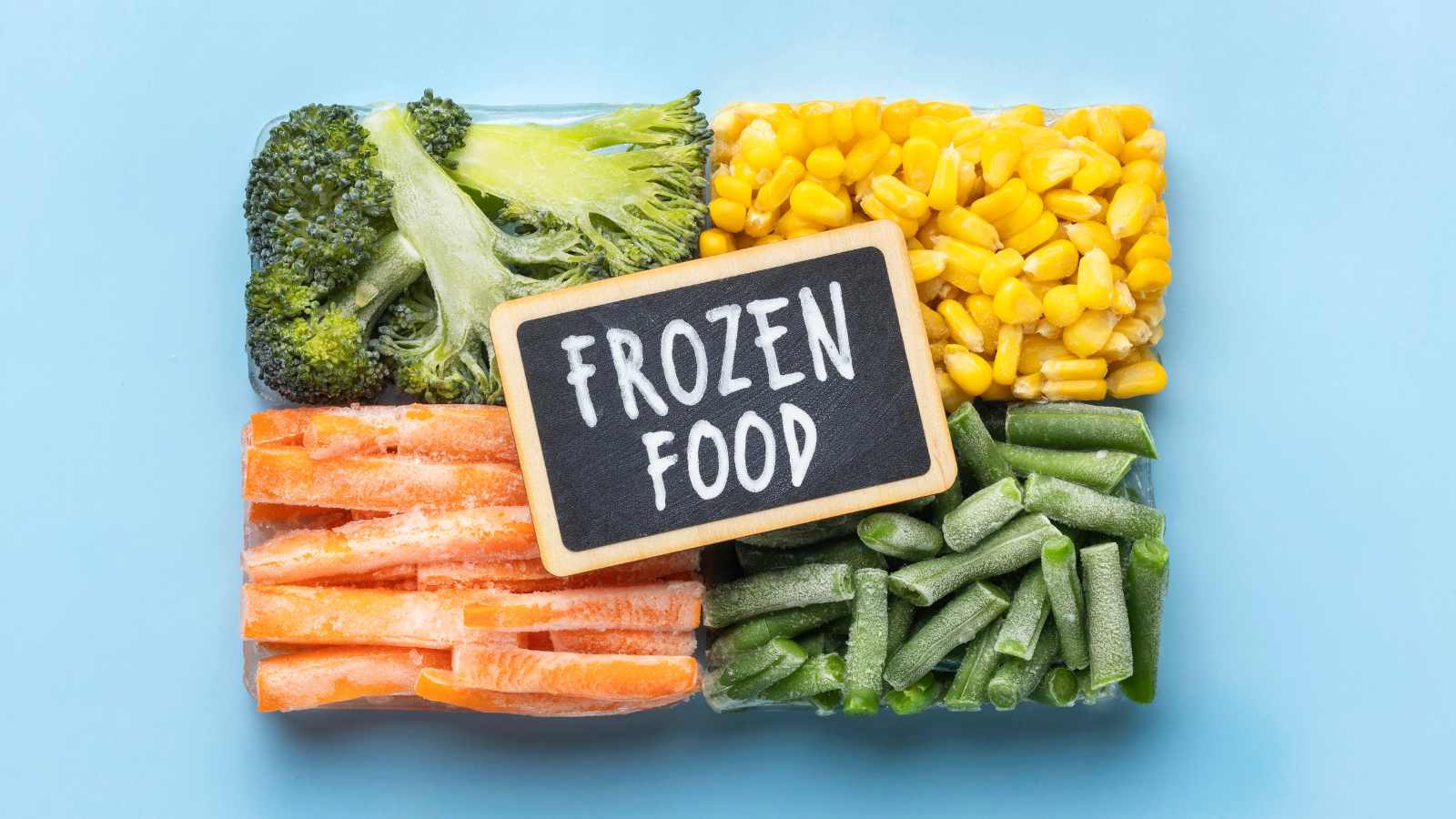
Many frozen dinners are designed for convenience but are loaded with sodium, saturated fat, and preservatives. Portion sizes are often small, leaving you hungry after eating.
Nutritionists prefer batch cooking at home and freezing portions. This method enables you to control the ingredients and create balanced meals that are healthier and more satisfying.
6. Soda And Sweetened Drinks

Soft drinks and fruit-flavored beverages are among the most significant sources of added sugar. Regular consumption increases the risk of obesity, type 2 diabetes, and tooth decay. Even diet sodas may affect cravings and taste preferences.
Nutritionists recommend water, sparkling water with lemon, or unsweetened tea. These drinks hydrate without the adverse health effects of sugary beverages.
7. White Bread

White bread is made from refined flour that lacks fiber and key nutrients. It causes rapid increases in blood sugar, which can leave you tired and hungry soon after eating.
Whole-grain bread provides fiber, B vitamins, and minerals that support better digestion and steady energy. Nutritionists consistently recommend whole-grain options over white bread.
8. Chips And Packaged Snacks

Chips, cheese puffs, and other salty snacks are high in sodium and unhealthy fats. They are designed to be addictive, which makes portion control difficult. These snacks often replace more nutritious foods in the diet.
Nutritionists suggest nuts, air-popped popcorn, or roasted chickpeas as alternatives. These options provide crunch and flavor while offering fiber and protein.
Conclusion
Nutritionists often avoid foods that are high in sugar, salt, and unhealthy fats because they add calories without supporting long-term health. Items like sugary cereals, flavored yogurts, deli meats, and frozen dinners are convenient but come with hidden costs. Drinks like soda and snacks like chips or packaged cakes also make it harder to maintain balanced nutrition.
By choosing whole foods and opting for less processed options, you can enhance the quality of your diet. Simple swaps, such as whole-grain bread instead of white bread or fruit instead of sweetened desserts, help you feel satisfied while supporting better health every day.