
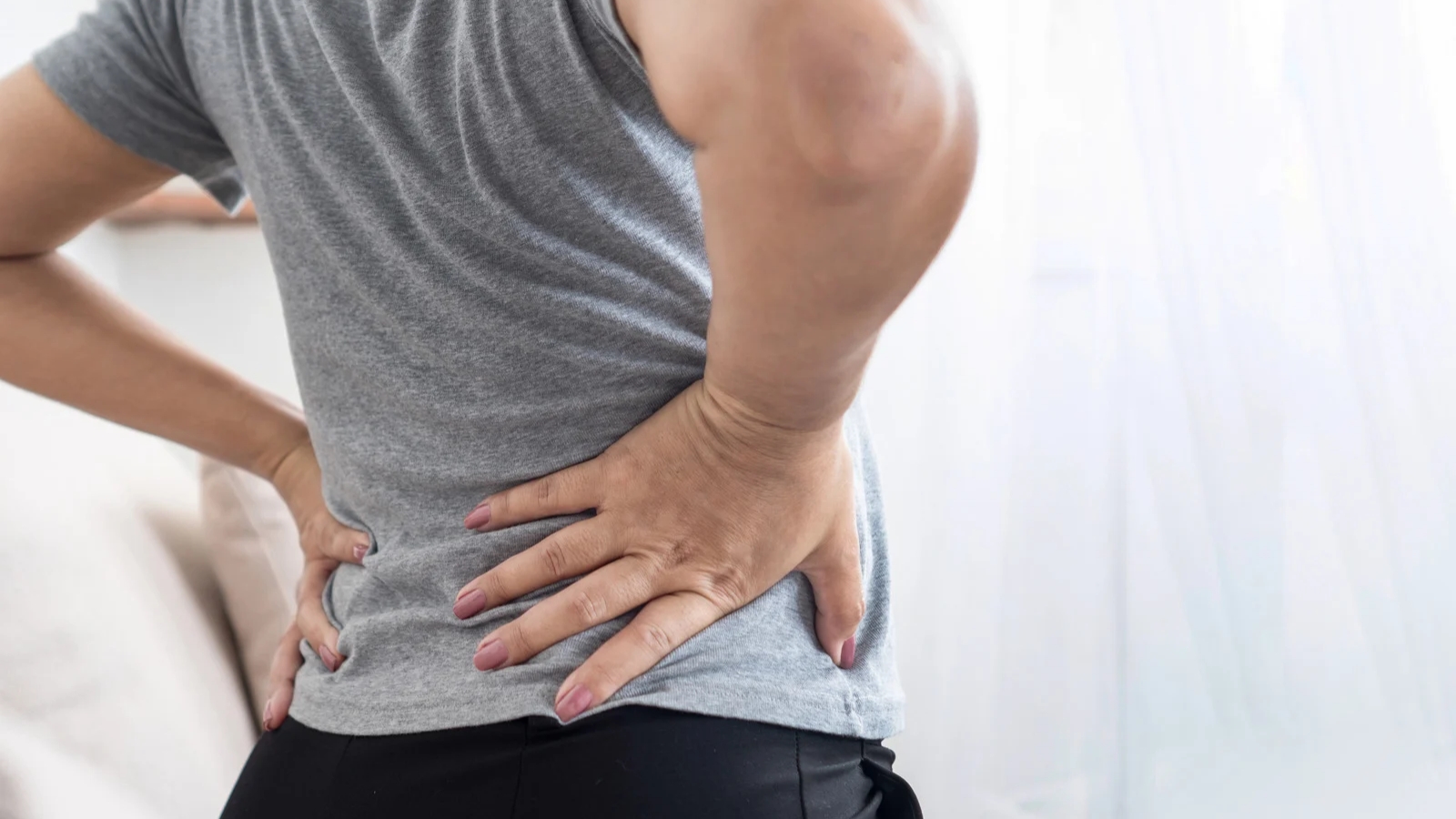
Hip pain can affect your mobility, posture, and overall comfort throughout the day. Whether caused by long hours of sitting, tight muscles, or overuse, stiffness in the hips often leads to discomfort in the lower back and legs as well. The good news is that simple, targeted stretches can help loosen tight muscles, improve flexibility, and relieve pressure on your joints.
Consistent stretching improves circulation, releases tension, and restores movement in the hips. You don’t need special equipment or a gym to do these stretches—just a few minutes and a comfortable surface. These eight effective stretches are designed to ease hip pain quickly, improve flexibility, and promote better alignment.
1. Seated Figure Four Stretch
The seated figure four stretch targets the glutes and outer hips, which are familiar sources of tightness and discomfort. This stretch can be done on a chair or a sturdy bench, making it ideal for home or office use.
To perform it:
- Sit upright with your feet flat on the floor.
- Cross your right ankle over your left knee.
- Keep your back straight and lean slightly forward until you feel a stretch in your right hip and glute.
- Hold for 20 to 30 seconds, then switch sides.
This stretch gently opens the hip joint and releases tension in the piriformis muscle, which often contributes to hip and lower back pain. Regular practice improves flexibility and helps prevent stiffness caused by prolonged sitting.
2. Butterfly Stretch

The butterfly stretch works the inner thighs and hips while improving range of motion in the pelvic area. It’s an effective way to release tension and support better posture.
To do this stretch:
- Sit on the floor with your back straight and bring the soles of your feet together.
- Hold your feet or ankles with your hands.
- Gently press your knees toward the floor using your elbows until you feel a stretch in your inner thighs and hips.
- Hold for 30 seconds and repeat two to three times.
This stretch helps loosen the adductor muscles and increase flexibility in the hip joints. Over time, it can also improve mobility and reduce tension caused by daily movements like walking or bending.
3. Kneeling Hip Flexor Stretch
The kneeling hip flexor stretch is one of the most effective ways to relieve tightness in the front of the hips. Tight hip flexors are often caused by sitting for long periods or lack of movement.
To perform it:
- Kneel on your right knee with your left foot in front, forming a 90-degree angle.
- Keep your torso upright and gently push your hips forward.
- You should feel the stretch along the front of your right hip and thigh.
- Hold for 30 seconds, then switch sides.
This stretch releases tension in the psoas and quadriceps muscles, which are key contributors to hip and lower back pain. Keeping your core engaged during the stretch enhances stability and protects your lower back.
4. Pigeon Pose
The pigeon pose is a yoga-inspired stretch that deeply targets the hip rotators and gluteal muscles. It helps reduce tightness caused by sitting and promotes greater hip flexibility.
To do it:
- Start in a tabletop position on your hands and knees.
- Bring your right knee forward and place it behind your right wrist.
- Extend your left leg straight back behind you.
- Keep your chest lifted or lean forward over your bent leg for a deeper stretch.
- Hold for 30 to 60 seconds, then switch sides.
The pigeon pose is highly effective for relieving hip tension and improving circulation in the pelvic area. It’s especially beneficial after workouts or long hours of sitting, as it helps restore balance to the hip muscles.
5. Standing Quad And Hip Stretch
This stretch targets both the quadriceps and hip flexors, helping to reduce tension that contributes to stiffness and pain in the hips. It’s simple to perform and requires no equipment.
To perform this stretch:
- Stand tall and hold onto a chair or wall for balance.
- Bend your right knee and grab your ankle or foot behind you.
- Pull your heel gently toward your glutes until you feel a stretch in the front of your thigh and hip.
- Keep your knees close together and your torso upright.
- Hold for 20 to 30 seconds, then switch sides.
This move not only stretches the front of the hip but also improves posture and reduces discomfort caused by tight leg muscles. Practicing it regularly enhances hip mobility and prevents strain during walking or exercise.
6. Lying Knee-to-Chest Stretch

The knee-to-chest stretch is a gentle but effective way to release lower back and hip tension. It also helps lengthen the gluteal muscles and relieve compression around the hip joint.
To do it:
- Lie on your back with your legs extended.
- Bring your right knee up toward your chest and hold it with both hands.
- Keep your lower back pressed into the floor.
- Hold for 20 to 30 seconds, then switch legs.
- For a deeper stretch, pull both knees to your chest at the same time.
This stretch improves flexibility in the lower body and promotes relaxation. It’s beneficial before bed or after long periods of standing or walking.
7. Supine Figure Four Stretch
The supine figure four stretch works the same muscles as the seated version but allows you to relax your spine and focus on the hip area. It’s great for easing sciatic nerve discomfort and increasing flexibility.
To perform it:
- Lie on your back with your knees bent.
- Cross your right ankle over your left thigh, forming a figure four shape.
- Grab the back of your left thigh and gently pull it toward your chest.
- Hold for 30 seconds, then switch sides.
This position allows your body to release tight hip rotators and improve blood flow to the lower body. It’s gentle enough for beginners and effective for reducing tension after workouts.
8. Standing Side Lunge Stretch
The standing side lunge stretch is excellent for targeting the inner thighs, hips, and groin. It increases flexibility and strengthens the hip muscles while improving balance.
To do it:
- Stand with your feet wide apart.
- Bend your right knee and shift your body weight to the right side while keeping your left leg straight.
- Keep both feet flat on the floor and your toes pointing forward.
- You should feel a stretch in your inner thigh and hip on the left side.
- Hold for 30 seconds, then switch sides.
This stretch is beneficial for those who spend long hours sitting, as it helps open up tight hips and restore standard movement patterns.
How Stretching Helps Relieve Hip Pain
Hip pain often develops because of tight muscles, poor posture, or limited mobility. Regular stretching targets the muscles around your hips, improving flexibility and reducing pressure on the joints.
Stretching helps by:
- Increasing blood flow and oxygen to the muscles
- Enhancing joint flexibility and mobility
- Reducing stiffness after sitting or exercise
- Promoting better alignment in the hips and lower back
You can perform these stretches daily or after physical activity to maintain flexibility and prevent discomfort. Combining stretching with light strengthening exercises helps keep your hips stable and balanced.
Tips For Safe And Effective Stretching
To get the most from your hip stretches, follow these simple tips:
- Warm up for a few minutes before stretching. A short walk or gentle movement helps prepare your muscles.
- Avoid bouncing or forcing a stretch. Move slowly and stop if you feel pain.
- Breathe deeply throughout each stretch to help your muscles relax.
- Hold each stretch for at least 20 to 30 seconds for best results.
- Stay consistent. Stretching regularly provides lasting relief and prevents future tension.
Over time, your flexibility will improve, making everyday movements easier and more comfortable.
Conclusion
Hip pain doesn’t have to interfere with your day-to-day life. Simple stretches like the seated figure four, pigeon pose, and kneeling hip flexor stretch can release tightness, reduce pain, and restore mobility. They help improve posture, flexibility, and blood flow to keep your hips strong and pain-free.
By spending just a few minutes a day on these stretches, you can experience noticeable relief and greater freedom of movement. Make them part of your daily routine to support hip health, prevent stiffness, and stay active without discomfort.