
The cold and flu season often leaves parents searching for safe ways to help their children feel better. Over-the-counter medicines may not always be suitable for young kids, so natural remedies can play an essential role in easing discomfort. These options focus on boosting immunity, soothing symptoms, and promoting recovery without harsh chemicals.
This article explains eight natural remedies for children with colds and flu. Each section provides clear, practical ways to support your child’s health while keeping things gentle and effective.
1. Warm Fluids to Soothe the Throat

Keeping your child hydrated is one of the best steps you can take during a cold or flu. Warm fluids such as clear soups, warm water with a touch of honey, or mild herbal teas can soothe sore throats and loosen mucus.
Warm fluids also help maintain body temperature and keep the respiratory tract moist. This makes it easier for your child to breathe comfortably. Aim for frequent small sips rather than large amounts at once.
2. Honey for Cough Relief

Honey is a time-tested remedy for easing coughs in children over one year old. It coats the throat, reduces irritation, and may even help them sleep better at night. A teaspoon of honey before bed often brings noticeable relief.
You can mix honey with warm water or add it to herbal tea for a soothing drink. Remember to avoid giving honey to infants under 12 months due to the risk of botulism.
3. Steam Inhalation for Congestion
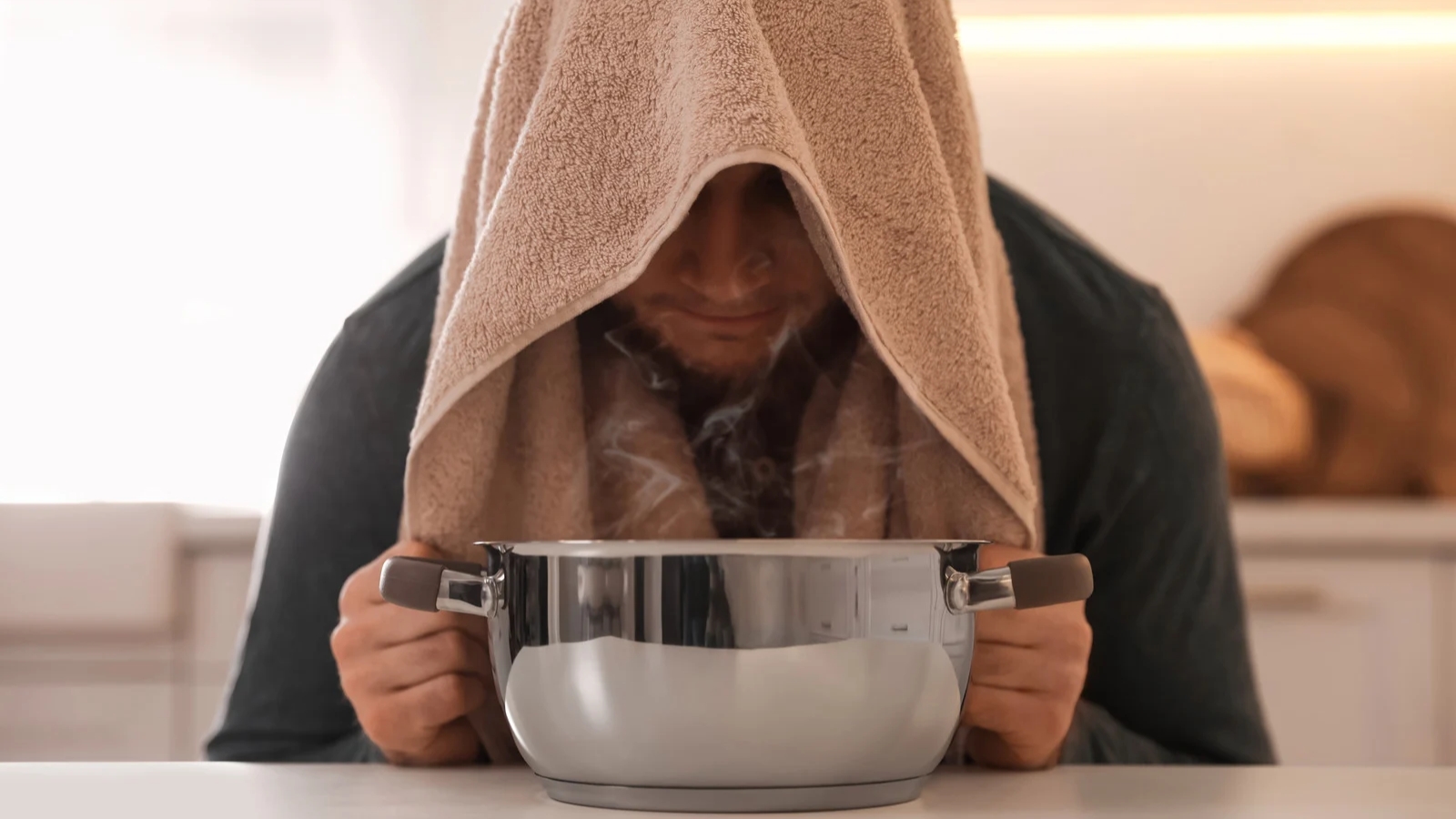
Nasal congestion can make kids feel miserable. Steam inhalation is a simple way to provide relief. Warm steam helps loosen mucus in the nasal passages, making it easier for your child to blow their nose or breathe more freely.
How to Try Steam Inhalation
- Fill a bowl with hot water and place it on a safe surface.
- Let your child lean over the bowl with a towel draped around their head.
- Please encourage them to breathe in slowly for several minutes.
- Always supervise closely to avoid burns.
Alternatively, running a warm shower and allowing your child to sit nearby in the bathroom can provide a gentler steam experience.
4. Rest and Comfort

Rest is vital for recovery. When your child’s body fights an infection, energy should be conserved for healing. Encourage naps, quiet play, or reading time rather than high activity.
Comfort can come from extra pillows, cozy blankets, or simply sitting together. Keeping the environment calm allows your child to recover more quickly and feel supported during the process.
5. Saline Drops and Nasal Irrigation

Saline drops or sprays are safe and effective for clearing stuffy noses. They work by thinning mucus and making it easier for your child to expel. This is especially helpful for younger children who cannot blow their noses properly.
For older kids, a gentle saline rinse can clear the nasal passages and improve breathing. Using these remedies a few times a day can make a noticeable difference in comfort.
6. Warm Baths to Reduce Discomfort

A warm bath can provide multiple benefits. It relaxes the muscles, lowers body tension, and may reduce mild fever discomfort. The warm water also helps keep the body hydrated through the skin.
Adding a few drops of child-safe essential oils like eucalyptus can provide additional soothing effects. Always ensure the water is warm, not hot, and supervise your child throughout the bath.
7. Nutritious Foods to Boost Immunity

Food plays a vital role in recovery. Nutritious meals support the immune system and give your child the strength to fight off illness. Offer easy-to-digest foods rich in vitamins and minerals.
Examples include:
- Soups made with chicken or vegetables
- Fresh fruits high in vitamin C, such as oranges and strawberries
- Smoothies with yogurt and bananas
- Whole-grain porridge for steady energy
Even if your child has little appetite, encourage small, frequent meals to keep energy levels stable.
8. Humidifier for Easier Breathing
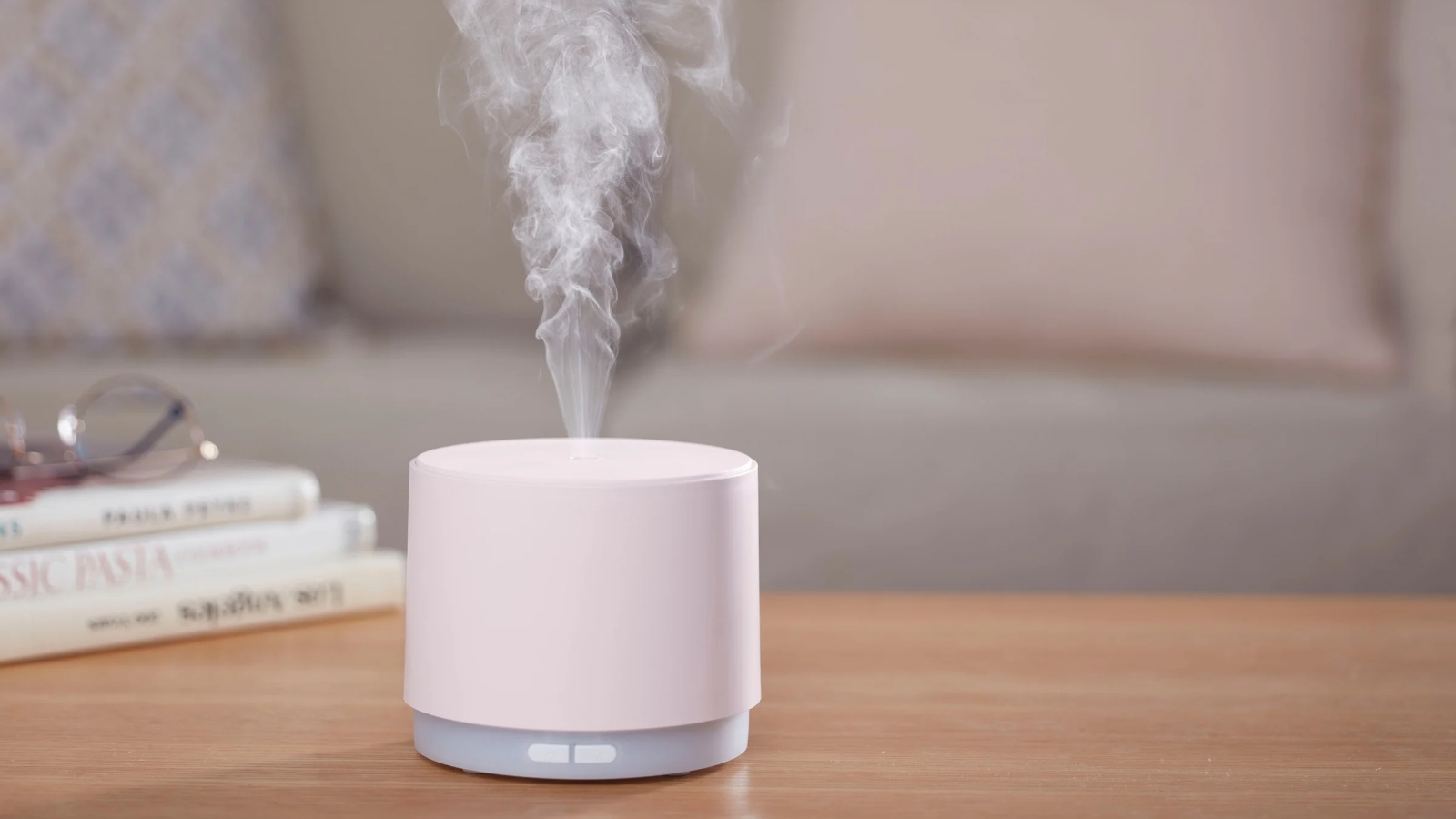
Dry air can make coughs and congestion worse. A cool-mist humidifier adds moisture to the air, easing breathing and preventing throat dryness. Place the humidifier in your child’s bedroom during sleep to provide consistent relief.
Be sure to clean the device regularly to avoid mold or bacteria buildup. Keeping indoor air moist not only helps with colds and flu but also supports general respiratory health.
Conclusion
These natural remedies are simple, effective, and safe for children when used correctly. They focus on easing symptoms while supporting the body’s natural healing process. Small steps like warm fluids, honey, and rest make a noticeable difference in your child’s comfort.
By combining hydration, nutrition, and gentle care methods, you provide your child with the tools they need to recover. Cold and flu season can be challenging, but these remedies offer practical support without relying solely on medications.