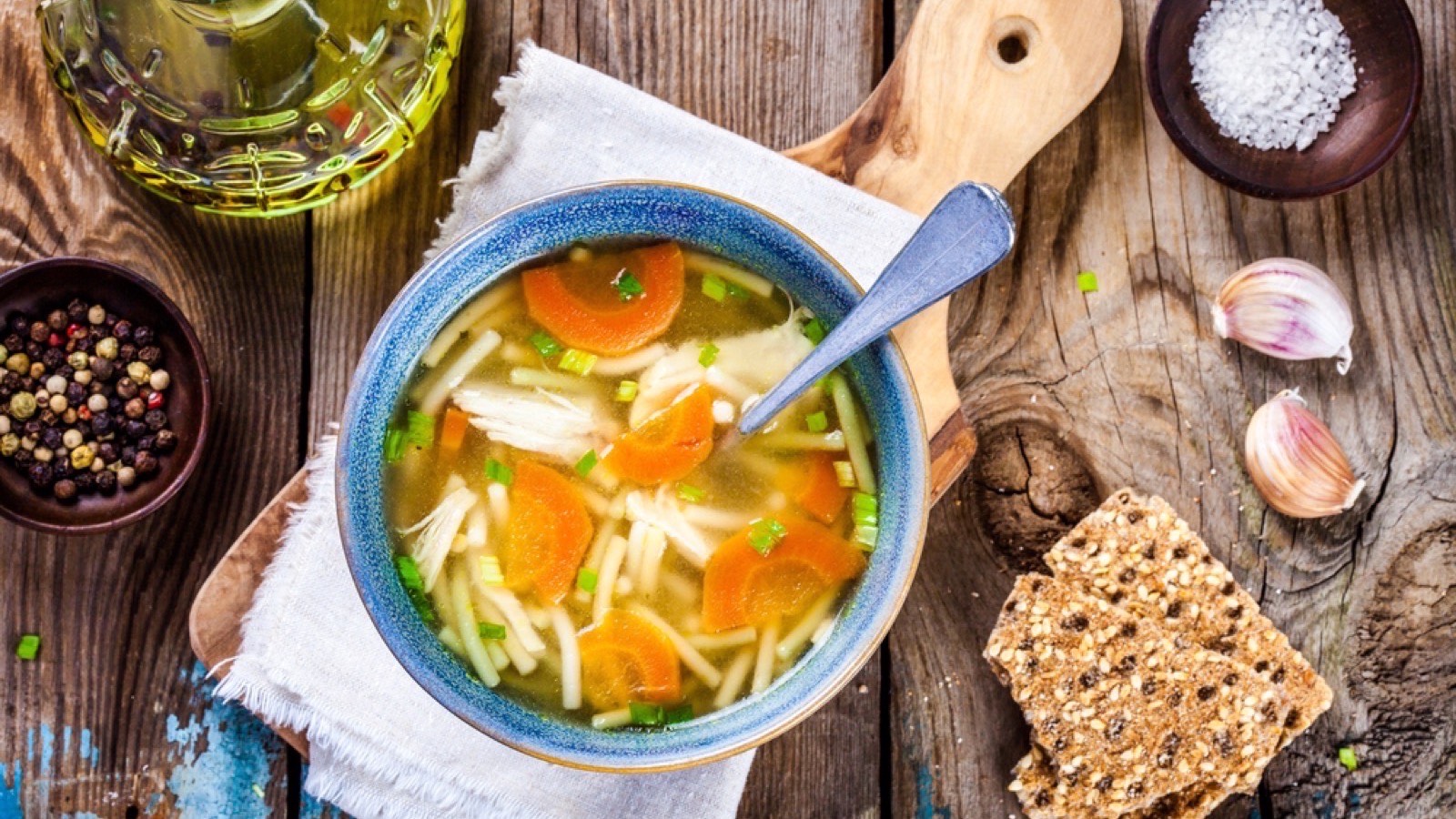
Anti-inflammatory meals: an easy 7-day dinner plan for real life
A simple week of anti-inflammatory dinners built from everyday groceries, plus the swaps that matter most and the ones that don't.

"Anti-inflammatory" has become one of those words that gets stuck on everything, from smoothies to supplements to scented candles. But underneath the marketing there is something real and pretty ordinary. The way you eat most days can nudge the low-grade, background inflammation in your body up or down, and you don't need a special shopping list to push it in the right direction.
This guide keeps it practical. You'll get a short explanation of what we're actually talking about, the handful of food habits that make the biggest difference, and a 7-day dinner plan you can cook on a normal weeknight with normal groceries.
First, what kind of inflammation are we talking about?
There are two very different things that share the same name. The first is the good kind. When you cut your finger or catch a cold, your immune system rushes in, the area gets red or swollen, and then it settles down once the job is done. That short burst is how your body heals.
The second kind is the one diet articles are really about. It's a quiet, long-running, low-level inflammation that doesn't hurt and doesn't announce itself. Doctors measure it with blood markers such as C-reactive protein (CRP), and over the years it has been linked with heart disease, type 2 diabetes and other long-term conditions. Food is not the only thing that drives it. Sleep, stress, smoking, body weight and how much you move all play a part. But food is the lever you pull three times a day, which is why it's worth getting right.
What the research actually supports
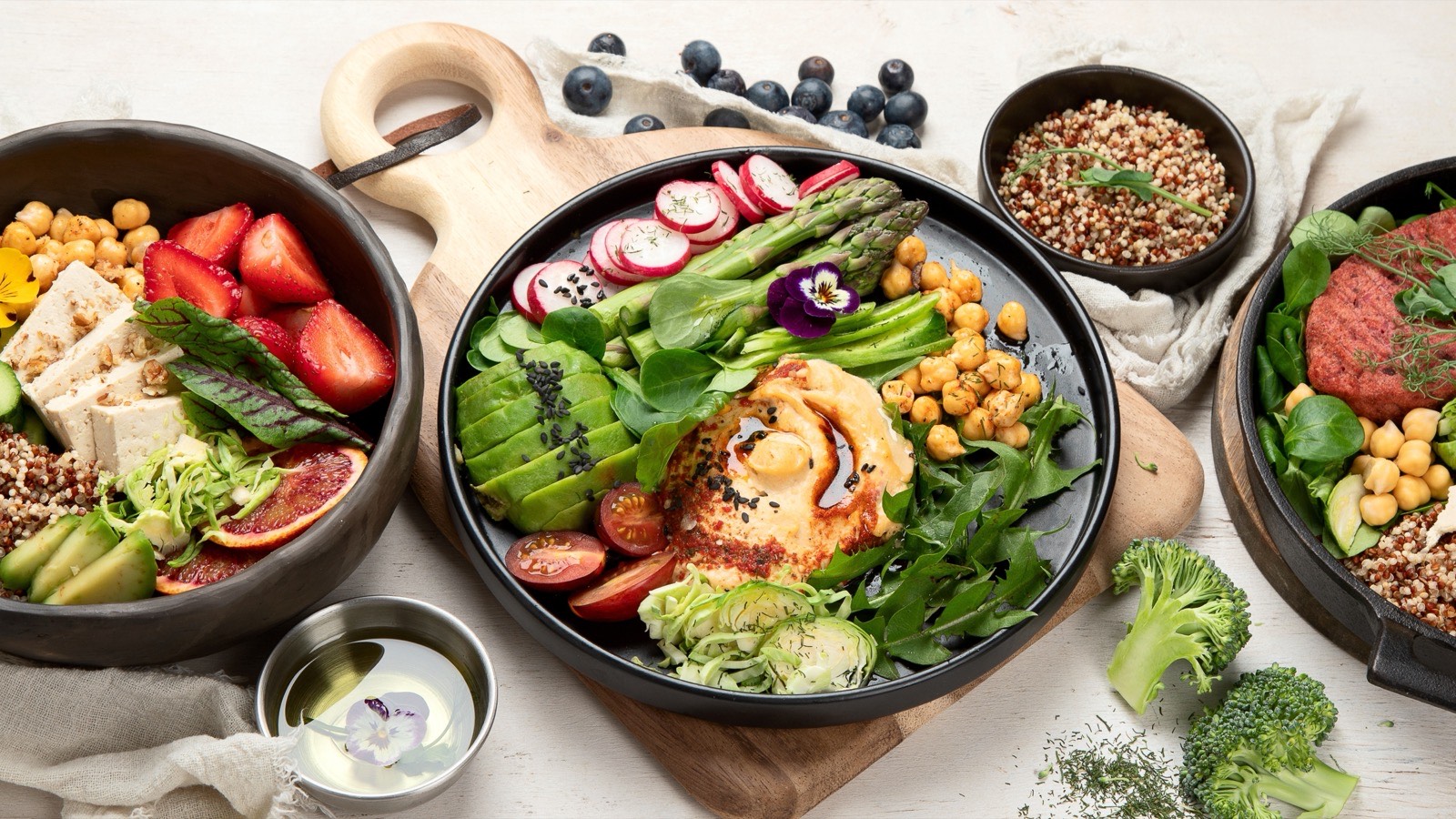
The eating pattern with the strongest evidence is the Mediterranean-style diet: lots of vegetables, fruit, beans and lentils, whole grains, nuts, olive oil and fish, with less red meat, fewer sugary drinks and less ultra-processed food. A meta-analysis of 17 randomized trials with about 2,300 people found that this way of eating lowered inflammatory markers, including CRP and interleukin-6, compared with control diets.
Notice what that list is not. It's not one magic ingredient. Turmeric lattes and celery juice get the attention online, but the benefit comes from the overall pattern you repeat week after week. That's good news, because a pattern is something you can build from what's already in your local supermarket.
The 5 habits that do most of the work
1. Make half your plate vegetables. Harvard's Nutrition Source recommends filling half your plate with vegetables and fruit at most meals. Leafy greens, tomatoes, peppers, broccoli, carrots and onions all count, and frozen vegetables are just as useful as fresh ones.
2. Cook with olive oil as your everyday fat. Use it for roasting, for sautéing and for dressings, instead of butter, lard or large amounts of margarine.
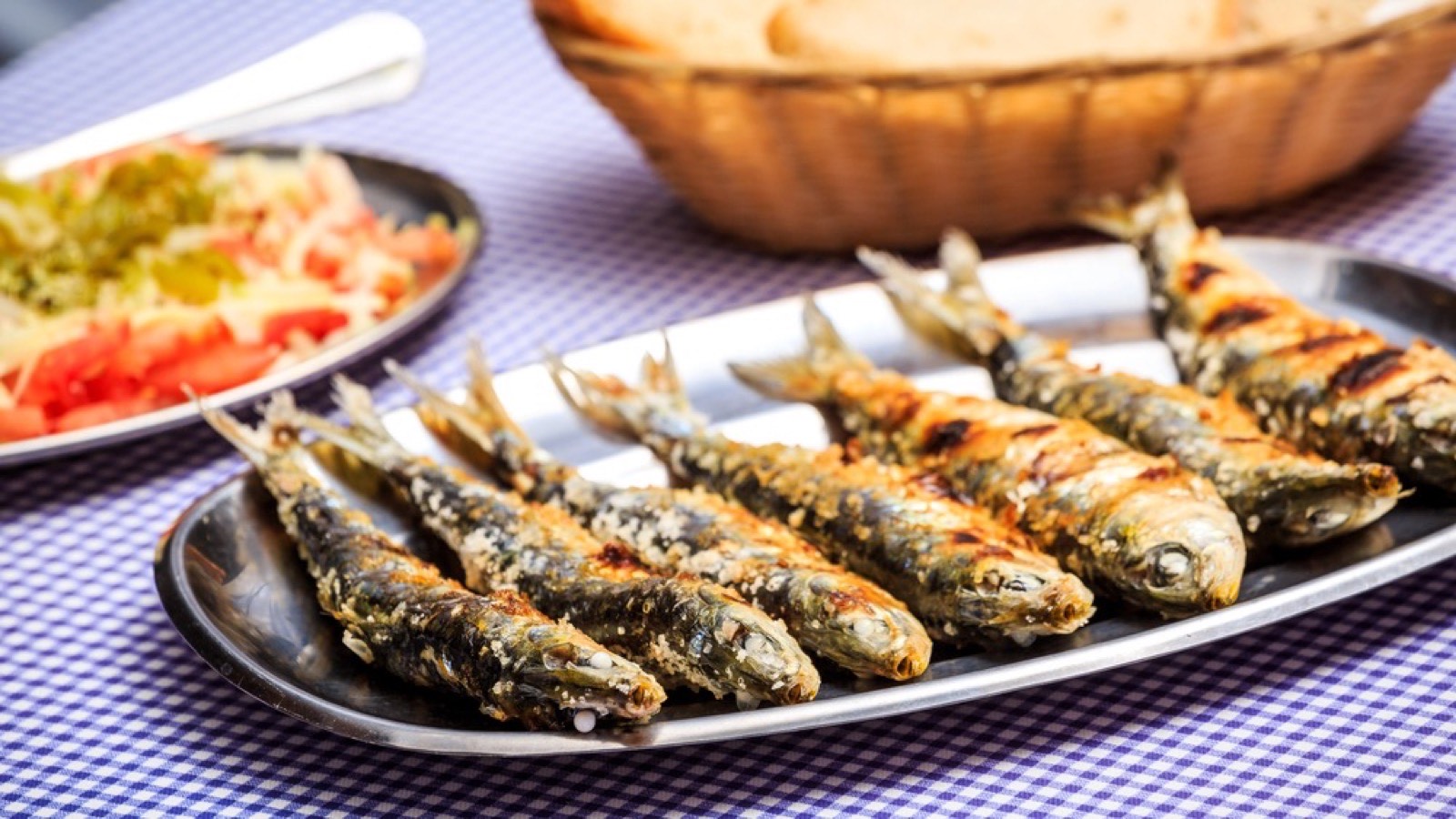
3. Eat fish twice a week. Oily fish such as salmon, sardines, mackerel and trout are the best choices. Canned sardines or canned salmon are cheap ways to get there.
4. Bring in beans, lentils and whole grains. They add fibre, which feeds the good bacteria in your gut, and they keep you full. Swap white rice for brown rice or barley a few nights a week, and add a can of chickpeas to anything that needs bulk.
5. Cut back on the usual suspects. Sugary drinks, fried fast food, processed meats such as hot dogs and deli slices, and refined snacks are the foods most consistently linked with higher inflammation. You don't need to ban them. Just make them the exception, not the routine.
Your easy 7-day anti-inflammatory dinner plan
Each dinner takes about 30 to 40 minutes and uses ingredients you can find in a regular grocery store. Cook a little extra on Monday, Wednesday and Saturday, and you'll have lunch for the next day sorted.
Monday: sheet-pan salmon with roasted vegetables. Toss broccoli, red onion and sweet potato cubes in olive oil, roast for 15 minutes, then add salmon fillets brushed with lemon and garlic and roast for another 12 to 15 minutes.
Tuesday: lentil and vegetable stew. Soften onion, carrot and celery in olive oil, add garlic, a can of chopped tomatoes, a cup of red lentils and stock. Simmer for 25 minutes and finish with a big handful of spinach.
Wednesday: chicken and chickpea grain bowls. Roast chicken thighs and a can of drained chickpeas with paprika. Serve over brown rice with cucumber, cherry tomatoes, olives and a lemon and olive oil dressing. This is the one that makes the best leftovers.
Thursday: bean chili. Use two or three kinds of beans, peppers, onions, tomatoes and spices. If you want meat in it, use half the usual amount of lean ground turkey and let the beans do the rest.
Friday: wholewheat pasta with sardines or tuna, garlic and greens. Sauté garlic and chilli in olive oil, add the fish and some kale or spinach, then toss with the pasta and a squeeze of lemon. It's the 20-minute end-of-week meal.
Saturday: vegetable and egg fried rice. Use leftover brown rice, frozen mixed vegetables, spring onions and two eggs per person, cooked in a little oil with a splash of low-sodium soy sauce.
Sunday: roast chicken traybake. Roast chicken pieces with carrots, red onions, peppers and a few garlic cloves. Serve with a big green salad and save the leftover chicken for Monday's lunch.
How to make this week cheaper and easier
You don't need fancy ingredients to eat this way. Frozen vegetables, canned tomatoes, canned beans, dried lentils, canned fish and bags of brown rice are some of the cheapest foods in any store, and they're the backbone of this plan.
Try one prep session on Sunday. Cook a big pot of brown rice, roast two trays of vegetables and make a jar of lemon and olive oil dressing. With those three things in the fridge, most of the dinners above come together in under 20 minutes.
Common questions
Will this get rid of my joint pain or bloating? Some people notice they feel better, but food is not a treatment for a medical condition. If you have ongoing pain, swelling or digestive problems, speak to your doctor. If you're a woman going through menopause, our video on why menopause joint pain flares up explains what's going on in the body.
Do I have to give up meat? No. The research supports eating more plants and fish, not necessarily cutting out meat. Lean poultry fits fine, and red meat can be an occasional meal rather than a daily one.
What about coffee and tea? Both are part of many Mediterranean-style diets. Just watch the sugar and sweet syrups you add.
The bottom line
Anti-inflammatory eating isn't a diet you start and stop. It's a set of everyday choices: more plants, more olive oil, fish twice a week, more beans and whole grains, and fewer sugary, fried and processed foods. Start with this 7-day plan, keep the two or three meals you enjoy most, and repeat them. That's how a pattern is built.
Sources
- Mediterranean dietary pattern, inflammation and endothelial function: a systematic review and meta-analysis of intervention trials (Schwingshackl & Hoffmann, Nutrition, Metabolism & Cardiovascular Diseases, 2014)
- Understanding acute and chronic inflammation (Harvard Health Publishing)
- Foods that fight inflammation (Harvard Health Publishing)
- Vegetables and fruits (Harvard T.H. Chan School of Public Health, The Nutrition Source)
- Fiber (Harvard T.H. Chan School of Public Health, The Nutrition Source)

Written by
Jude Uchella
Jude is the founder of Health Makes You, a YouTube channel about the everyday choices that decide how long and how well you live. He turns real research into clear, practical steps anyone can start today.