Walking for weight loss at home: a simple 4-week plan for beginners
A realistic 4-week walking plan you can do indoors or outside, how many steps really matter, and why walking after meals is the easiest win.

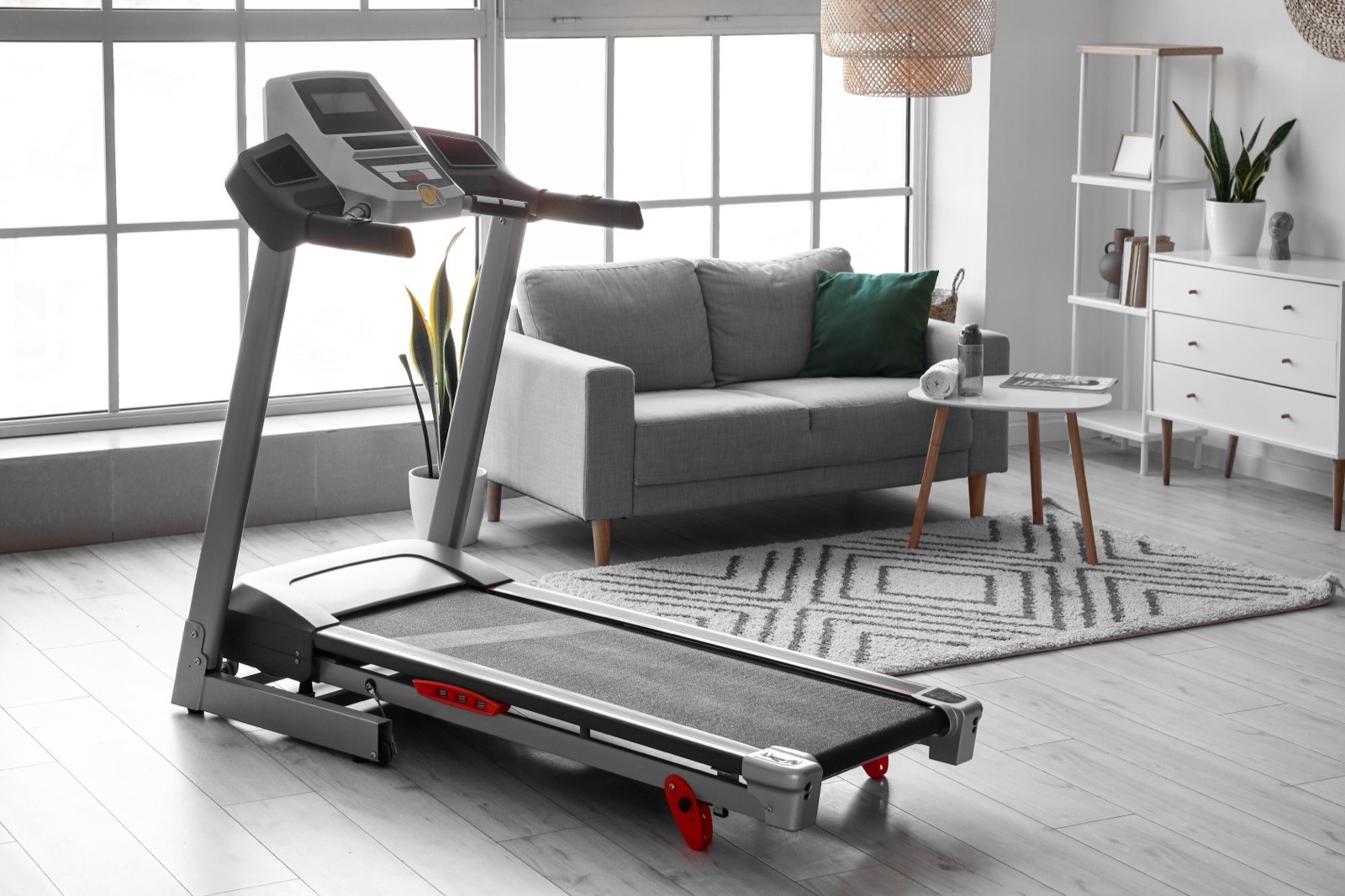
When the weather turns cold and the days get short, a lot of people put their fitness plans on hold until January. Pinterest searches tell a different story. Right now, people are looking for weight loss exercises they can do at home, walking pads for the living room and simple workout routines that don't need a gym. Walking ticks every one of those boxes.
It's free, it's gentle on the joints, you already know how to do it, and you can do it in a hallway, on a treadmill, around a shopping mall or outside. This guide gives you a simple 4-week plan, explains how many steps actually matter, and shows you the one walking habit with the best return for the least effort.
Can walking alone help you lose weight?
Walking helps, but it works best as part of a bigger picture. A brisk 30-minute walk burns roughly 100 to 200 calories depending on your size and pace. That's useful, but it's easy to cancel out with one sugary coffee. Harvard's Nutrition Source makes the point that long-term weight control comes from what you eat, how much you move, how well you sleep and how you handle stress, working together.
Where walking really shines is consistency. Hard workouts are easy to quit. Walking is easy to keep doing, and the habit you keep for a year beats the perfect plan you drop after two weeks. It also improves blood sugar, mood, sleep and heart health, even on weeks when the scale doesn't move.
How many steps do you actually need?
You've probably heard that 10,000 steps a day is the magic number. That figure started as a marketing slogan for a Japanese pedometer in the 1960s, not as a research finding.
A large 2025 review in The Lancet Public Health looked at 57 studies and found that, compared with 2,000 steps a day, people who walked around 7,000 steps a day had a 47% lower risk of dying during the study period, along with lower risks of heart disease, dementia, depression and type 2 diabetes. Most of the benefit appeared between about 5,000 and 7,000 steps. An earlier study of more than 16,000 older women in JAMA Internal Medicine found that even about 4,400 steps a day was linked with lower mortality than 2,700, with benefits levelling off around 7,500.
So 10,000 is fine if you're already active, but 7,000 is a realistic and meaningful goal. For weight loss specifically, health guidelines suggest at least 150 minutes of moderate activity a week, which is about 30 minutes a day, five days a week. Brisk walking counts.
The easiest win: walk after you eat
If you only take one idea from this article, take this one. A 2022 review in Sports Medicine found that breaking up long periods of sitting with short bouts of light walking lowered blood sugar and insulin after meals more than sitting still or just standing up.
You don't need a long walk. Ten to fifteen minutes after your biggest meal is enough to make a difference. Walk around the block, pace the house while you make a phone call, or do a few laps of the garden. We explain more about why this works, and the best order to eat your food in, in our video on blood sugar balance.
Walking indoors when it's cold or dark
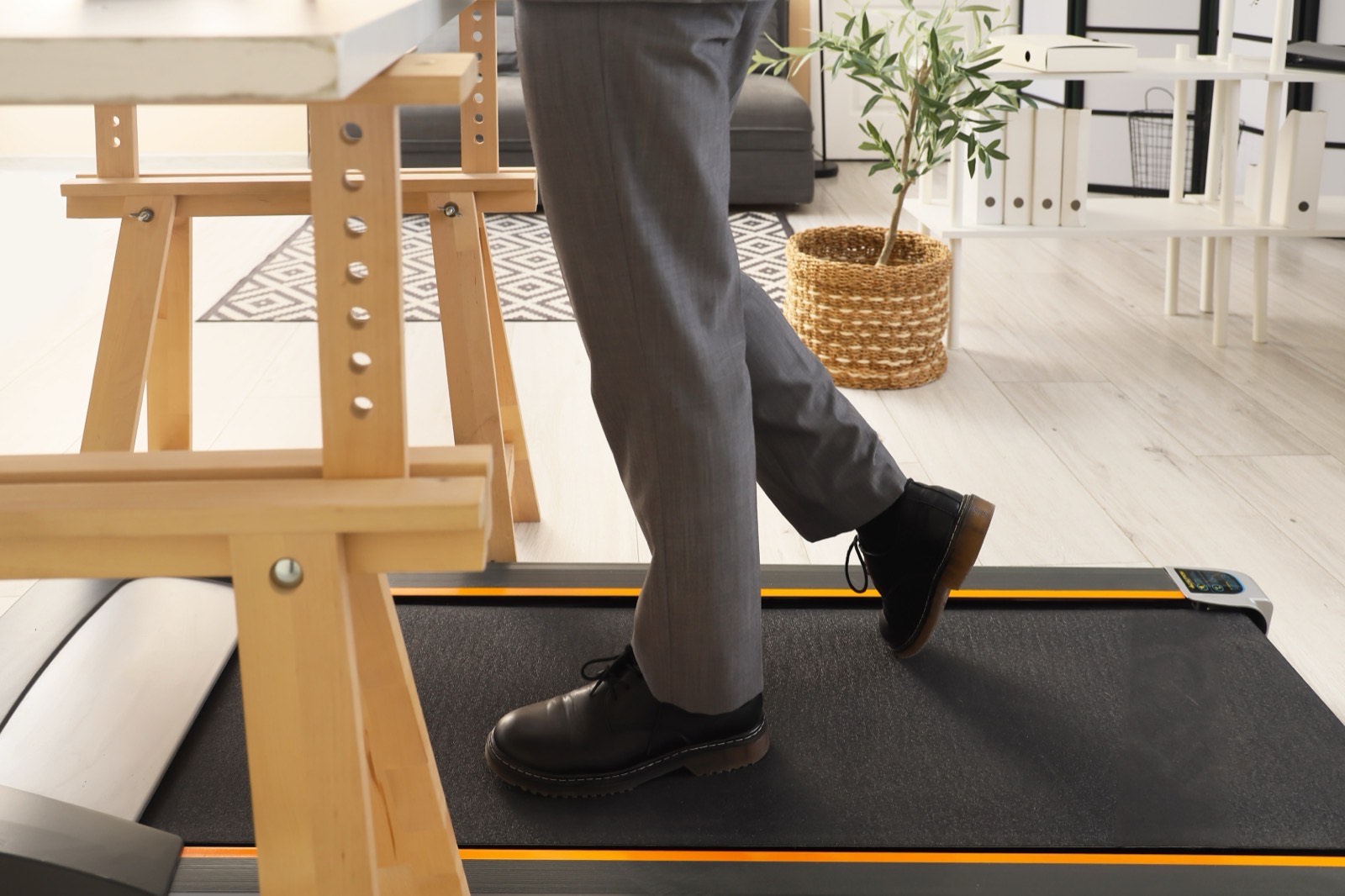
Bad weather is the most common reason people stop walking in winter, so have an indoor plan ready.
Walk at home. Put on some music or a podcast and walk laps of your hallway, kitchen and living room, or march on the spot during TV ad breaks. It sounds silly, but 10 minutes of brisk indoor walking adds up to around 1,000 steps.
Use the stairs. A few rounds up and down the stairs at home is one of the quickest ways to raise your heart rate. Hold the rail and go at your own pace.
Try a walking pad or treadmill. Walking pads are flat, folding treadmills that slide under a sofa or desk, which is why searches for them are climbing. They're handy for walking while you watch TV or take calls, but they're a convenience, not a requirement.
Walk the mall. Many shopping centres open early, and mall walking is a popular, safe, warm option, especially for older adults.
Your simple 4-week walking plan
Walk at a pace where you can talk but not sing. That's "brisk" for most people. If you're starting from very little activity, repeat any week as many times as you need before moving on.
Week 1: build the habit. Walk 10 minutes a day, five days a week. Add a 5-minute walk after your largest meal on at least three of those days.
Week 2: add time. Walk 15 to 20 minutes, five days a week. Keep the after-meal walks.
Week 3: pick up the pace. Walk 25 minutes, five days a week. Inside each walk, try two or three 1-minute stretches where you walk as fast as you comfortably can, then return to your normal pace.
Week 4: reach the target. Walk 30 minutes, five days a week, which gets you to the 150 minutes recommended for adults. Add one longer, easy walk at the weekend with a friend or family member.

Tips that make walking stick
Track it. Use the free step counter on your phone or a basic pedometer. Watching the number climb is surprisingly motivating.
Pair it with something you enjoy. Save your favourite podcast or audiobook for walking time only.
Bring someone. Walking with a partner, a friend or your kids makes it social, and you're less likely to skip it.
Wear comfortable shoes. You don't need expensive trainers. Something supportive that doesn't rub is enough.
Look after your food too. Pair your walks with the simple habits in our guide to anti-inflammatory meals and you'll get far more out of both.
A quick safety note
Walking is safe for most people, but check with your doctor before starting if you have heart disease, high blood pressure that isn't well controlled, diabetes, joint problems, or if you get chest pain, dizziness or unusual breathlessness when you exercise. Stop and seek help if you feel any of those during a walk.
The bottom line
Walking won't melt weight off by itself, but it's the easiest form of exercise to start and the easiest to keep. Aim for around 7,000 steps or 30 minutes a day, add a short walk after your biggest meal, and have an indoor plan ready for cold days. Four weeks from now, it won't feel like a plan anymore. It'll just be what you do.
Sources
- Daily steps and health outcomes in adults: a systematic review and dose-response meta-analysis (Ding et al., The Lancet Public Health, 2025)
- Association of step volume and intensity with all-cause mortality in older women (Lee et al., JAMA Internal Medicine, 2019)
- The acute effects of interrupting prolonged sitting time with standing and light-intensity walking on biomarkers of cardiometabolic health (Buffey et al., Sports Medicine, 2022)
- American Heart Association recommendations for physical activity in adults (American Heart Association)
- Healthy weight (Harvard T.H. Chan School of Public Health, The Nutrition Source)

Written by
Jude Uchella
Jude is the founder of Health Makes You, a YouTube channel about the everyday choices that decide how long and how well you live. He turns real research into clear, practical steps anyone can start today.