Healing soup recipes: 5 cozy bowls for cold days (and what's really in them)
Five simple, nourishing soups for winter, what the science actually says about "healing" soup, and how to keep them light on salt.

Every winter, the same search comes back: healing soup. People want something warm, simple and nourishing for the days when they're run down, fighting a cold or just tired of the dark evenings. There's a reason grandmothers everywhere make soup when someone is unwell, and there's a little bit of science behind it too.
Let's be honest about what soup can and can't do, then get to the five recipes worth keeping on rotation all season.
Can soup really "heal" you?
No soup cures a cold or the flu. But a good homemade soup does several useful things at once, which is why it has earned its reputation.
It keeps you hydrated, and that matters when you have a fever or a blocked nose. The steam can help loosen congestion for a while. It's easy to eat when your appetite is low. And a soup packed with vegetables, beans and some protein delivers a lot of nutrition in one bowl.
There's also one well-known lab study. In 2000, researchers at the University of Nebraska tested a traditional chicken soup on white blood cells called neutrophils and found that it slowed their movement in the lab, a sign of a mild anti-inflammatory effect. The vegetables in the soup and the chicken on its own each showed some of that effect. It was a test-tube study, not a trial in sick people, so it doesn't prove soup shortens a cold. But it does suggest that grandma's recipe has more going on than comfort alone.
What makes a soup nourishing
Before the recipes, here's the simple formula behind every bowl in this guide.
A good base. Low-sodium stock, or homemade broth if you have it.
Lots of vegetables. Onion, garlic, carrot and celery to start, then whatever greens and seasonal vegetables you have.
Protein. Chicken, beans, lentils or eggs, so the soup keeps you full.
Flavour without loads of salt. Garlic, ginger, lemon, herbs, black pepper and spices. The American Heart Association recommends no more than 2,300 mg of sodium a day, and ideally closer to 1,500 mg for most adults. Some canned soups use a big share of that in a single bowl.
1. Classic chicken and vegetable soup
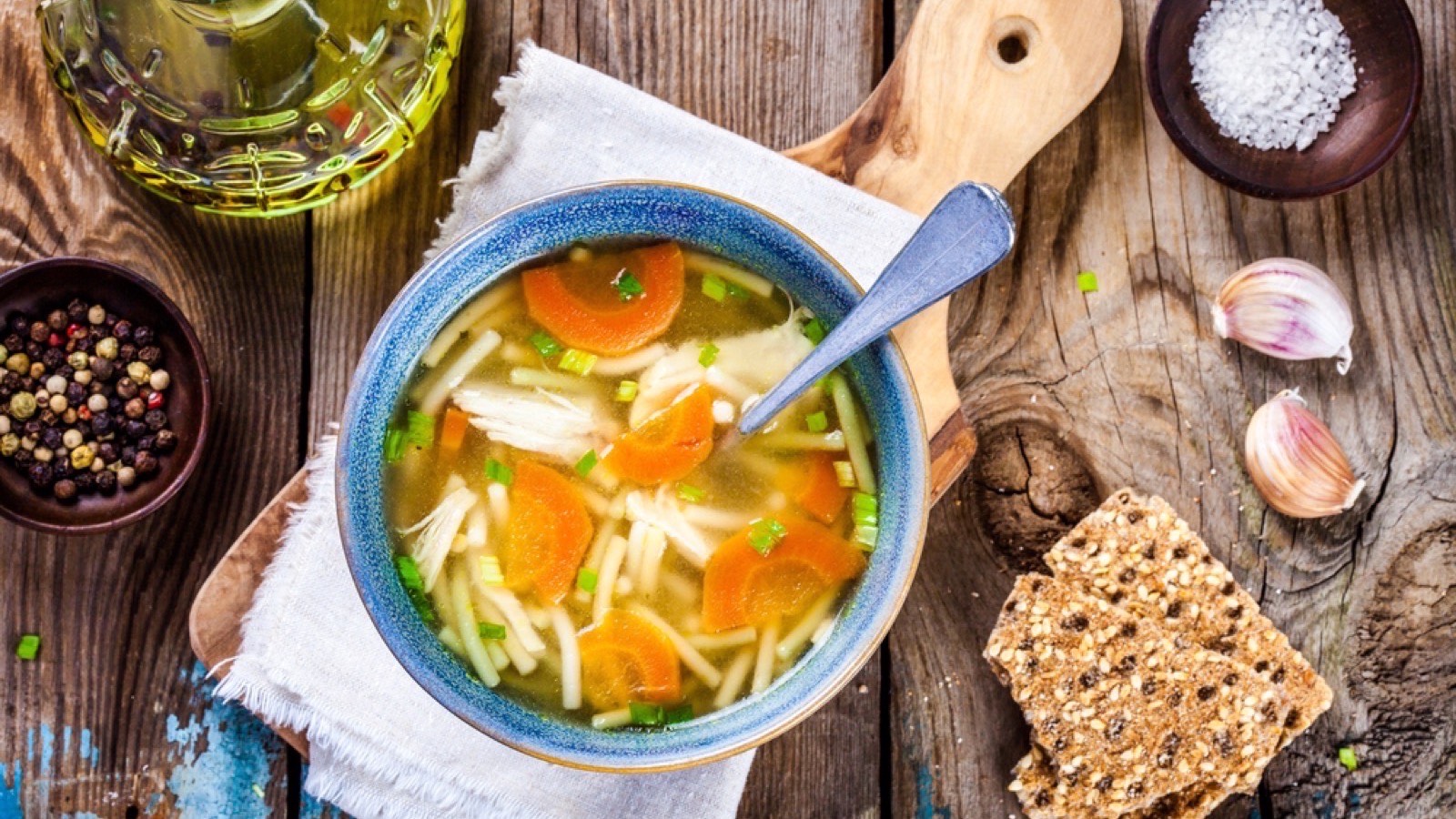
This is the one people mean when they say healing soup. Simmer bone-in chicken thighs in water or low-sodium stock with onion, carrots, celery, garlic and a bay leaf for about 40 minutes. Take the chicken out, shred it, and put it back with a handful of small pasta or rice. Finish with chopped parsley and a squeeze of lemon. Leaving the skin on while it simmers gives you more flavour, and you can lift the fat off the top once it cools.
2. Ginger, garlic and lentil soup
Red lentils cook in about 20 minutes and break down into a thick, warming soup. Soften onion in olive oil, add plenty of garlic and a thumb of grated fresh ginger, then stir in a cup of red lentils, a can of chopped tomatoes and four cups of stock. Season with cumin and turmeric, simmer until soft, and blend it partly if you like it smoother. Lentils give you protein and fibre, so this one keeps you full for hours.
3. Tuscan white bean and greens soup
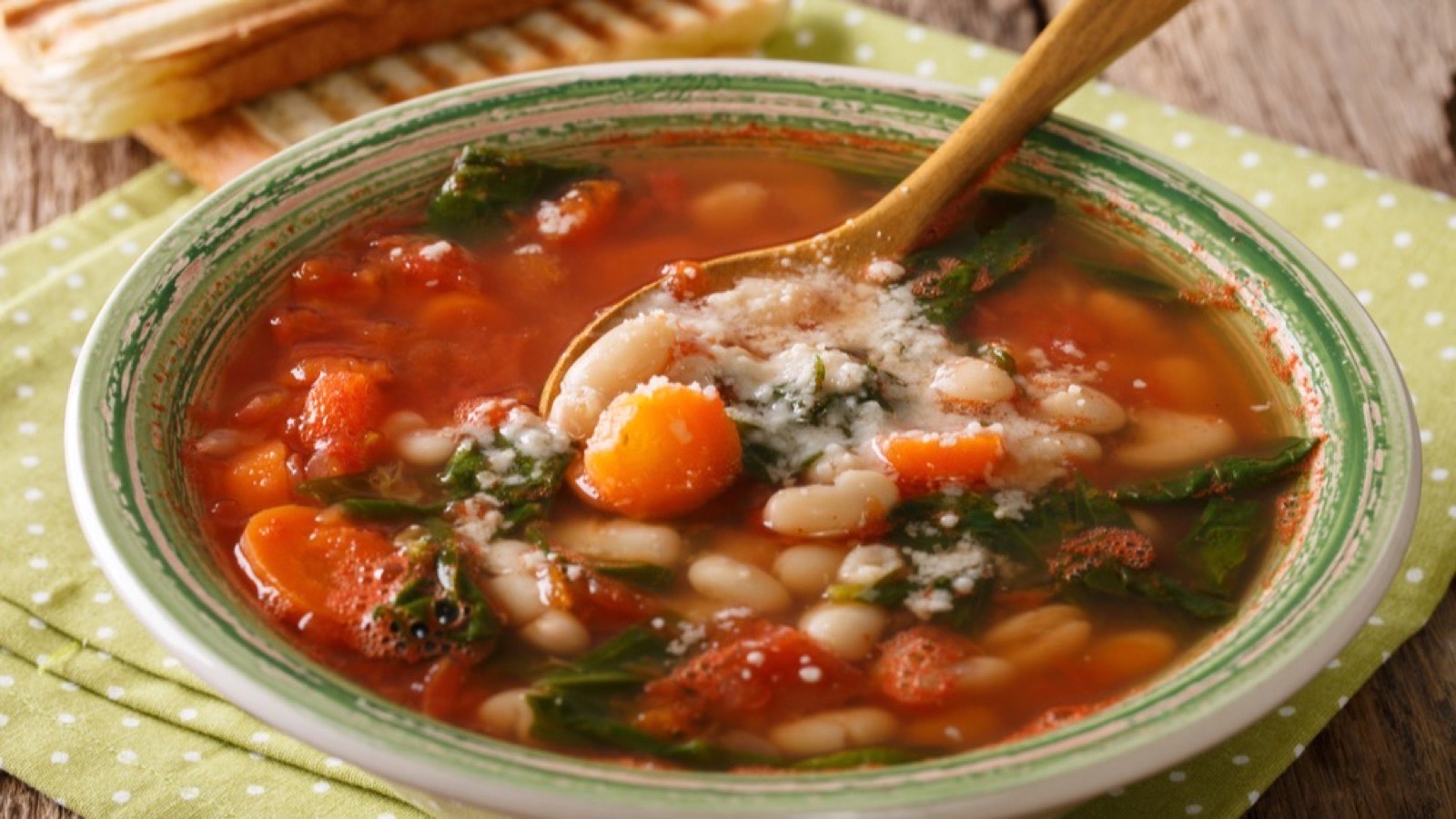
Sauté onion, carrot and celery in olive oil, add garlic and rosemary, then two cans of drained white beans, a can of tomatoes and stock. After 15 minutes, stir in a big handful of chopped kale or spinach and let it wilt. A little grated Parmesan on top goes a long way. It's cheap, it's filling, and it tastes even better the next day.
4. Simple miso soup with tofu and greens
For days when you want something light, warm two cups of water with a sheet of kombu or a little dashi, then turn off the heat and whisk in a tablespoon of miso paste. Never boil miso, because high heat dulls the flavour. Add cubes of soft tofu, sliced spring onions and a handful of spinach or bok choy. Miso is salty, so one tablespoon per two cups is enough.
5. Roasted tomato and red pepper soup
Roast tomatoes, red peppers, an onion and a whole head of garlic with olive oil at 200°C (400°F) for about 35 minutes. Squeeze out the garlic, blend everything with stock, and season with black pepper and a little smoked paprika. Add a can of white beans before blending if you want it creamier and more filling, without any cream.
How to keep soup on hand all winter
Soup is one of the best foods for batch cooking. Make a double pot on the weekend, cool it quickly, and freeze it in single portions. Most broth-based soups keep well in the freezer for two to three months. Leave out the pasta or rice when you freeze, and add it fresh when you reheat, so it doesn't turn mushy.
Label each container with the name and date. On a night when you get home cold and tired, a homemade bowl is ready in five minutes, and that's when soup really earns its place.
When soup isn't enough
Soup is support, not treatment. If you have a high fever that won't come down, trouble breathing, chest pain, or symptoms that last more than ten days or keep getting worse, contact a doctor. The same goes for older adults, young children, pregnant women and anyone with a long-term condition, who should get advice sooner rather than later.
The bottom line
The best healing soup is a simple one: a light base, lots of vegetables, some protein, and flavour from garlic, ginger, herbs and lemon instead of a lot of salt. Pick two of these five recipes, make a big batch, and you'll have something warm and nourishing ready all winter. And if you're cooking for older parents, our guide to the best foods for seniors pairs well with these.
Sources
- Chicken soup inhibits neutrophil chemotaxis in vitro (Rennard et al., Chest, 2000)
- How much sodium should I eat per day? (American Heart Association)
- Legumes and pulses (Harvard T.H. Chan School of Public Health, The Nutrition Source)
- Vegetables and fruits (Harvard T.H. Chan School of Public Health, The Nutrition Source)

Written by
Jude Uchella
Jude is the founder of Health Makes You, a YouTube channel about the everyday choices that decide how long and how well you live. He turns real research into clear, practical steps anyone can start today.