Can a bedtime routine really help you sleep better? Try this 60-minute plan
A realistic one-hour wind-down plan for adults, the daytime habits that shape your night, and what the research says about caffeine, screens and bedroom temperature.


Most of us have a morning routine of some kind, even if it's just coffee and checking the phone. Far fewer of us have a night routine. We work, scroll or watch TV right up to the moment we switch off the light, then wonder why our brain is still buzzing at midnight.
A bedtime routine isn't a luxury or a wellness trend. It's a simple signal to your body that the day is ending. Done most nights, it can make falling asleep easier and make the hours you do sleep feel more restful. Here's a practical 60-minute plan, plus the daytime habits that set it up.
How much sleep do adults actually need?
The CDC recommends at least seven hours of sleep a night for adults aged 18 to 60, seven to nine hours for those aged 61 to 64, and seven to eight hours for people 65 and older. Teenagers need more, between eight and ten hours.
Many adults regularly fall short. The CDC lists the benefits of enough sleep as getting sick less often, staying at a healthy weight, and lowering the risk of problems such as type 2 diabetes and heart disease, along with better mood and focus. In other words, sleep isn't time wasted. It's when a lot of your body's maintenance work happens. Our video on what happens to your body at night walks through that process step by step.
Your 60-minute wind-down plan
Think of the last hour before bed as a slow dimmer switch, not an on-off button. Adjust the times to fit your life. If you want to be asleep by 11 p.m., start at 10 p.m.
60 minutes before bed: close the day. Finish chores, set out tomorrow's clothes, pack your bag, and write a short to-do list for the morning. Getting tomorrow's jobs out of your head and onto paper stops them circling around when you lie down.
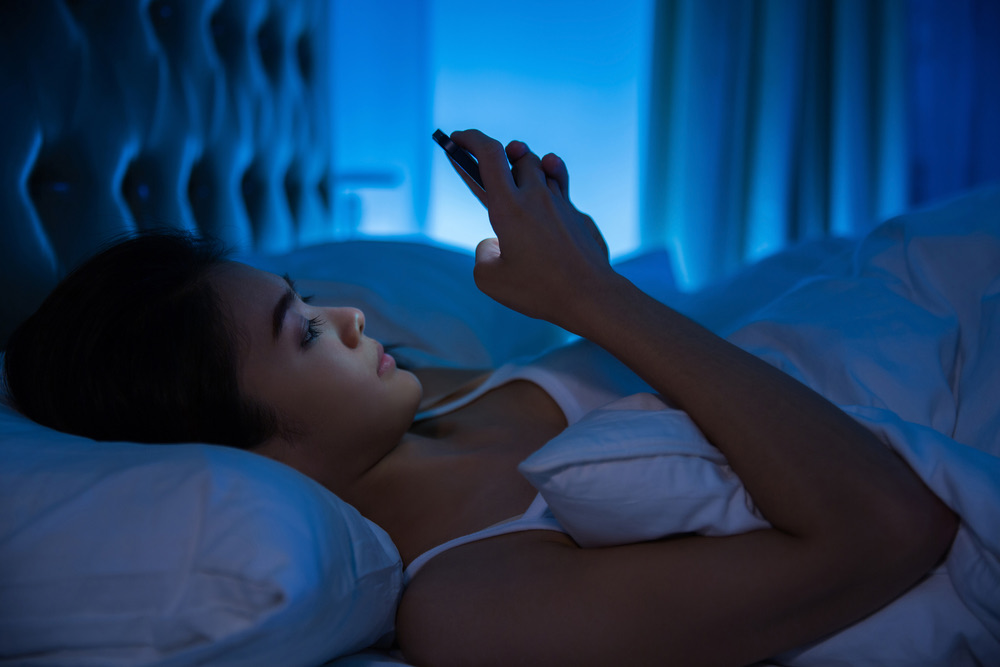
45 minutes before bed: lights down, screens away. Switch off bright overhead lights and use lamps instead. Put your phone on charge somewhere outside arm's reach, ideally outside the bedroom. The National Heart, Lung, and Blood Institute (NHLBI) explains that light from TV and computer screens can signal the brain that it's time to be awake.
30 minutes before bed: a warm shower and comfortable clothes. A warm shower or bath is relaxing for many people, and changing into soft, loose sleepwear is a clear "the day is over" cue. If you like a skincare or teeth-and-face routine, this is where it fits.
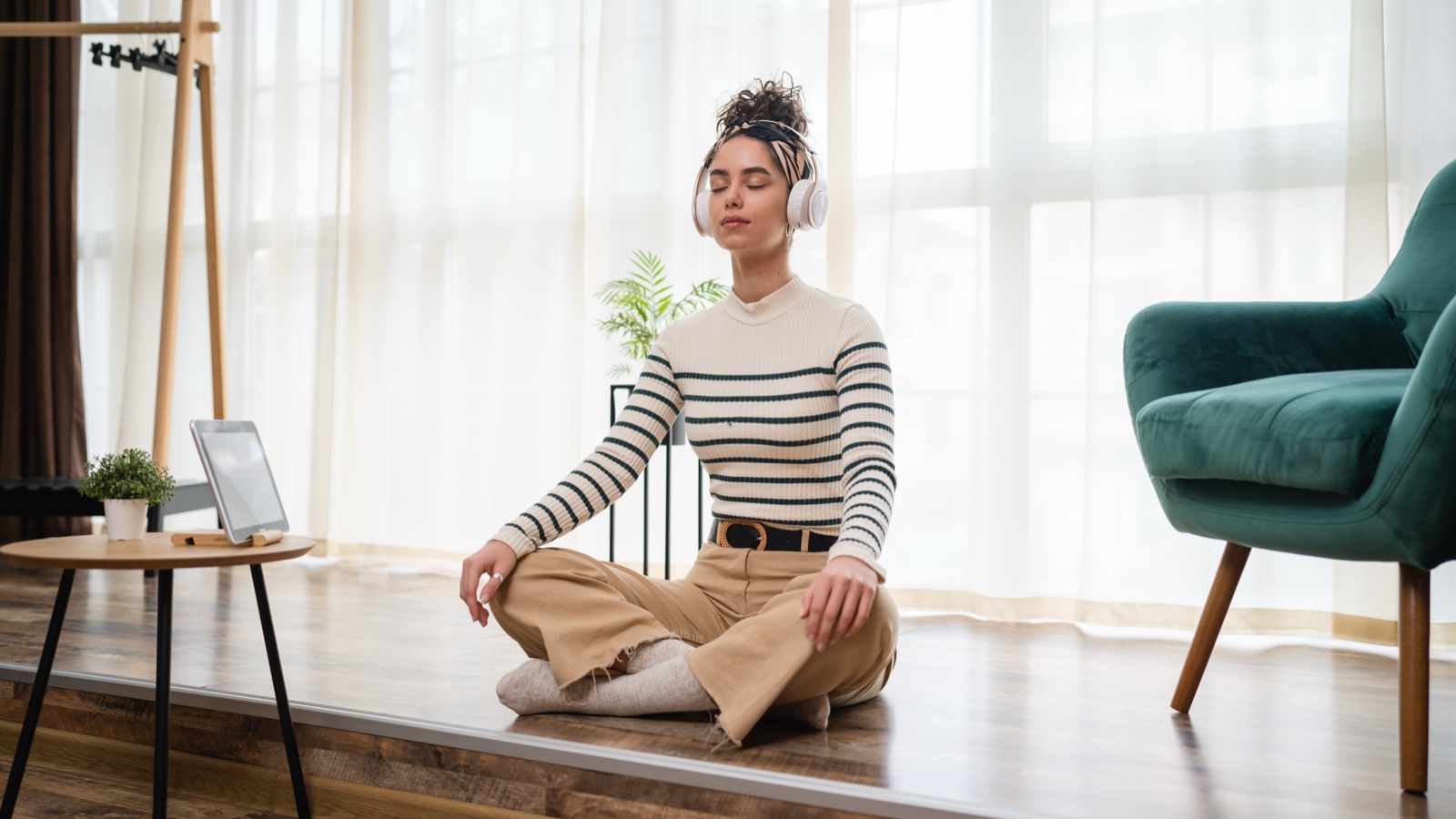
20 minutes before bed: something calm and offline. Read a paper book, listen to quiet music or a gentle podcast, stretch lightly, or try slow breathing: breathe in through your nose for four counts and out for six, for a few minutes. Keep it boring on purpose. Avoid work emails, news and anything that makes you want to reply.
Lights out: the same time most nights. Get into bed when you feel sleepy. If you're still wide awake after what feels like 20 minutes, get up, go somewhere dim, do something quiet, and come back when you feel drowsy, rather than lying there frustrated.
The daytime habits that shape your night
A good night starts in the morning. These habits make the evening routine work much better.
Keep a regular wake-up time. The NHLBI recommends going to bed and waking up at the same time every day, and keeping the difference between weeknights and weekends to no more than about an hour. A steady wake-up time is often the single most useful change.
Get outside light early. Daylight in the morning helps set your body clock. Even a 10-minute walk or having your coffee by a bright window helps.
Watch the afternoon caffeine. The NHLBI says the effects of caffeine can last up to eight hours. In a study published in the Journal of Clinical Sleep Medicine, a moderate dose of caffeine taken even six hours before bedtime still disturbed sleep. If you struggle to drop off, try making your last coffee, strong tea, energy drink or cola before about 2 p.m.
Eat lighter late in the evening. The NHLBI suggests avoiding heavy or large meals within a few hours of bedtime, although a light snack is fine. It also advises avoiding alcohol before bed. A drink might make you feel sleepy at first, but it tends to make sleep lighter and more broken later in the night.
Move during the day. Regular physical activity supports better sleep. Try to finish hard workouts a few hours before bed, and keep evening movement gentle.
Set up your bedroom for sleep
Keep it cool. The Sleep Foundation suggests a bedroom temperature of around 65 to 68°F (about 18 to 20°C) for most people, because your body temperature naturally drops as you fall asleep.
Keep it dark and quiet. Blackout curtains or an eye mask help with streetlights, and earplugs or a fan can mask noise.
Keep the bed for sleep. If you work, eat and scroll in bed, your brain starts to see it as a place to be busy. Try to keep it mainly for sleeping.
What about weighted blankets? They're popular on Pinterest right now, and some people find the gentle pressure comforting. The research is still limited and mixed, so treat one as a personal comfort choice rather than a sleep treatment.
When to talk to a doctor
A routine helps with everyday sleep trouble, but it can't fix everything. Speak to your doctor if you regularly struggle to fall or stay asleep for several weeks, if you snore loudly or someone notices you stop breathing during sleep, if you feel very sleepy during the day even after a full night in bed, or if worry or low mood is keeping you awake. Those can be signs of sleep conditions that are very treatable.
The bottom line
A bedtime routine is just a handful of small, repeatable steps: close the day, dim the lights, put the phone away, do something calm, and go to bed around the same time. Pair it with a steady wake-up time, earlier caffeine and a cool, dark bedroom, and give it two or three weeks. Sleep often improves quietly, one night at a time.
Sources
- About sleep (Centers for Disease Control and Prevention)
- Healthy sleep habits (National Heart, Lung, and Blood Institute)
- Caffeine effects on sleep taken 0, 3, or 6 hours before going to bed (Drake et al., Journal of Clinical Sleep Medicine, 2013)
- Best temperature for sleep (Sleep Foundation)

Written by
Jude Uchella
Jude is the founder of Health Makes You, a YouTube channel about the everyday choices that decide how long and how well you live. He turns real research into clear, practical steps anyone can start today.