New to yoga? These 8 beginner poses make an easy 15-minute routine
Eight beginner yoga poses in a gentle 15-minute flow, how to do each one safely, what research says yoga can help with, and how to fit it into a busy week.

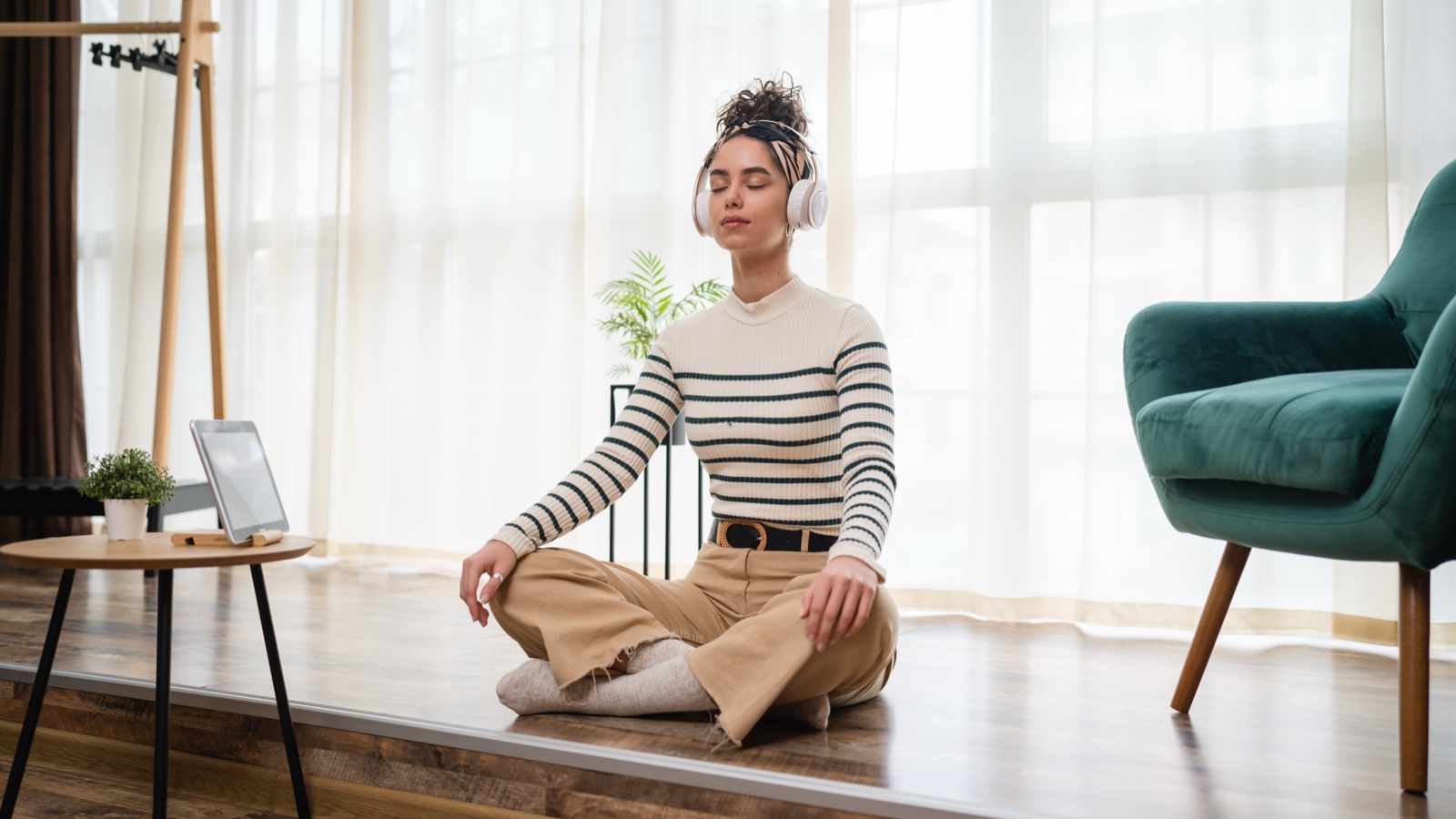
Yoga can look intimidating online. The photos are full of people folded in half or balancing on one hand, and it's easy to decide it's not for you. But the yoga that helps most people day to day is much simpler: a handful of steady poses, some slow breathing, and 10 to 20 minutes on the floor of your living room.
This routine is built for complete beginners. You don't need to be flexible, you don't need special clothes, and a towel or rug works if you don't own a mat. Here are eight poses, how to do them, and a simple plan to make yoga a habit.
What yoga can and can't do
The National Center for Complementary and Integrative Health (NCCIH), part of the U.S. National Institutes of Health, says research suggests yoga may help relieve stress, support good health habits, and improve mental and emotional health, sleep and balance. It may also help with neck pain and pain from knee osteoarthritis, and it may have a small benefit for low-back pain.
That's a realistic picture. Yoga is a good all-round practice for feeling looser, calmer and steadier on your feet. It isn't a replacement for medical treatment, and the CDC still recommends that adults get at least 150 minutes of moderate activity a week plus two days of muscle-strengthening activity. Yoga fits in nicely alongside walking and strength work. If you're just starting to move more, our 4-week walking plan pairs well with it.
Before you start
- Breathe through your nose, slowly. If you can't breathe calmly in a pose, ease off.
- Mild stretch, never pain. You should feel a gentle pull, not a sharp or pinching feeling. Back off if anything hurts.
- Use props. Cushions, a folded blanket and a sturdy chair make poses easier. That's not cheating. It's smart.
- Go slowly from the floor. Stand up gradually at the end so you don't feel dizzy.
The 15-minute beginner routine
Hold each pose for about five slow breaths unless it says otherwise. Repeat the whole sequence a second time if you have the energy.
1. Easy seated pose with breathing (2 minutes). Sit cross-legged on a cushion so your hips are a little higher than your knees. Rest your hands on your thighs, lengthen your spine and close your eyes. Breathe in for four counts and out for six. This settles you into the practice.
2. Cat-cow (1 minute). Come onto your hands and knees, hands under shoulders, knees under hips. As you breathe in, let your belly drop and lift your chest and gaze (cow). As you breathe out, round your back toward the ceiling and tuck your chin (cat). Move slowly with your breath. It's a gentle way to warm up the whole spine.
3. Child's pose (1 minute). From hands and knees, bring your big toes together, widen your knees, and sit your hips back toward your heels. Walk your hands forward and rest your forehead on the floor or a cushion. This is your "rest" pose: come back to it any time.
4. Downward-facing dog (1 minute). From hands and knees, tuck your toes and lift your hips up and back, making an upside-down V. Keep your knees bent as much as you need, and let your heels stay off the floor. Pedal your feet to stretch your calves.
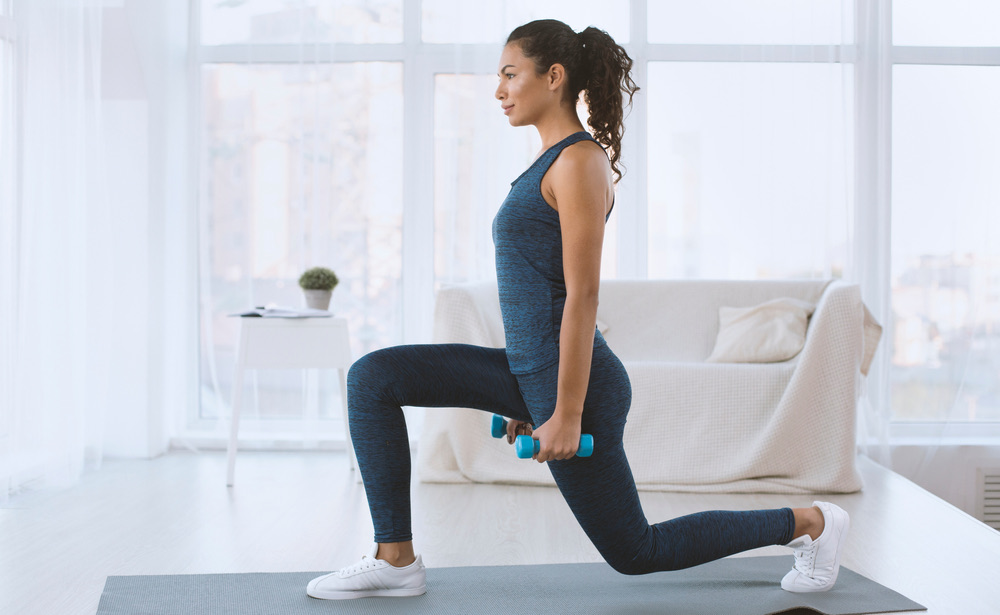
5. Low lunge (1 minute each side). Step your right foot forward between your hands and lower your left knee to the floor, with a folded towel under it for comfort. Lift your chest and rest your hands on your front thigh. You'll feel a stretch at the front of the left hip, which gets tight from sitting. Switch sides.
6. Warrior II (1 minute each side). Stand with your feet wide apart. Turn your right foot out and bend your right knee over your ankle. Stretch your arms out at shoulder height and look over your right hand. This builds strength in the legs and helps balance. Switch sides.
7. Bridge pose (1 minute). Lie on your back with knees bent and feet flat, hip-width apart. Press into your feet and lift your hips, then lower slowly. Do five slow lifts, then hold the last one for a few breaths. This strengthens the glutes and the back of the legs.
8. Lying twist and rest (3 minutes). Still on your back, hug your knees to your chest, then let them fall to the right while your arms stretch out to the sides. Breathe here, then switch. Finish by lying flat with your arms by your sides and eyes closed for two minutes. Don't skip this part. It's where you notice how different you feel.
How to make it stick
Pick a time and attach it to something. Right after your morning coffee, or straight after you get home from work. Linking a new habit to an existing one makes it much more likely to happen.
Start with three days a week. Fifteen minutes on Monday, Wednesday and Saturday is a great start. Once that feels normal, add a fourth day or extend to 20 minutes.
Use the evening version for sleep. If you practise at night, keep it slow: easy seated pose, cat-cow, child's pose, the lying twist and the final rest. Skip the warrior poses, which are more energising.
Try a class when you're ready. A beginner class with a qualified teacher helps you check your form. Many community centres and gyms offer gentle or chair yoga.
Who should check first
The NCCIH notes that yoga is generally considered safe for healthy people when practised properly under the guidance of a qualified instructor. Injuries can still happen, most often sprains and strains around the knee or lower leg, and older adults may need to be particularly careful. If you're pregnant, recovering from an injury or surgery, have high blood pressure, glaucoma, osteoporosis, or ongoing joint or back problems, talk to your doctor and tell your teacher before you start.
The bottom line
You don't need to touch your toes to start yoga. You need 15 minutes, a bit of floor space and a willingness to breathe slowly. Practise these eight poses a few times a week, keep every stretch gentle, and in a month you'll likely move more easily and feel a little calmer at the end of the day.
Sources
- Yoga: effectiveness and safety (National Center for Complementary and Integrative Health)
- Adult activity: an overview (Centers for Disease Control and Prevention)

Written by
Jude Uchella
Jude is the founder of Health Makes You, a YouTube channel about the everyday choices that decide how long and how well you live. He turns real research into clear, practical steps anyone can start today.