Gluten-free dinner recipes the whole family will actually eat
Six easy gluten-free dinners built on naturally gluten-free foods like rice, potatoes, beans and fresh meat or fish, plus the hidden sources of gluten to watch for and how to avoid cross-contamination.

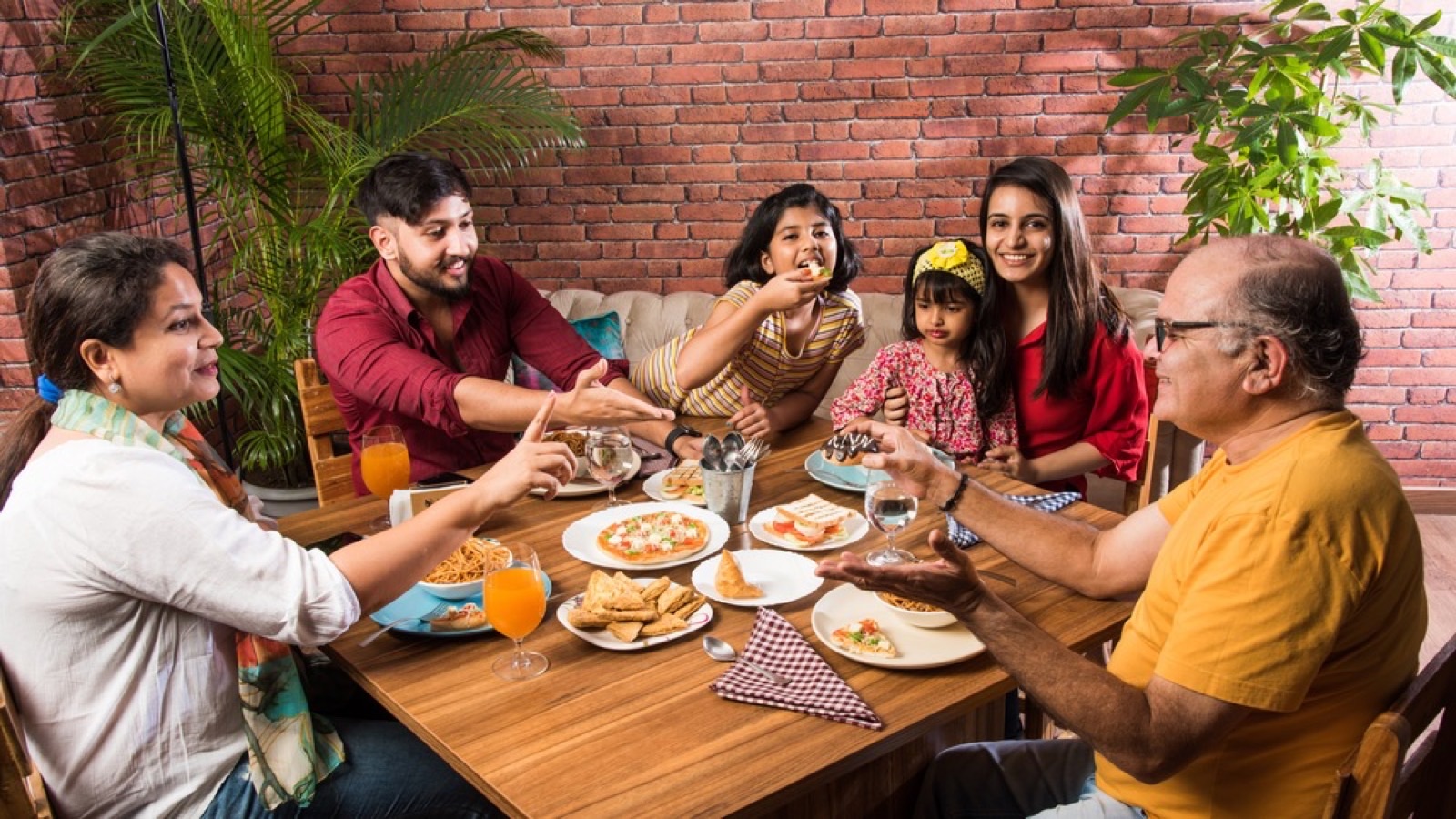
Cooking gluten-free doesn't have to mean expensive specialty products or a separate meal for one person. Many of the world's best dinners are naturally gluten-free already. The trick is to build meals around foods that never contained gluten in the first place.
"Gluten free recipes" is one of the most searched health topics on Pinterest this month. Here are six easy dinners the whole table can share, plus the hidden gluten traps that catch people out.
Who needs to avoid gluten?
Gluten is a protein found in wheat, barley and rye. People with coeliac disease must avoid it completely, because their immune system reacts to it and damages the lining of the small intestine, even from small amounts. The NHS says it affects at least 1 in every 100 people in the UK, and many don't know they have it. Others have non-coeliac gluten sensitivity or a wheat allergy.
If you think gluten upsets you, see a doctor before cutting it out. Coeliac disease is diagnosed with a blood test and sometimes a biopsy, and the tests only work while you're still eating gluten. If you don't have a medical reason, there's no evidence that a gluten-free diet is healthier.
Naturally gluten-free foods to build on
- Rice, potatoes, sweet potatoes, corn, quinoa, millet and buckwheat (despite the name, buckwheat isn't wheat).
- Fresh meat, poultry, fish, eggs, beans, lentils and tofu.
- All fresh fruit and vegetables.
- Milk, plain yogurt and most cheese.
- Oats are naturally gluten-free but often contaminated with wheat, so choose oats labelled gluten-free.
1. Sheet-pan chicken and vegetables
Toss chicken thighs, chunks of sweet potato, red onion and peppers with olive oil, paprika, garlic, salt and pepper. Roast at 200°C (400°F) for about 35 minutes until the chicken is cooked through. One tray, almost no washing up, and nothing to check for gluten except your spice mix.
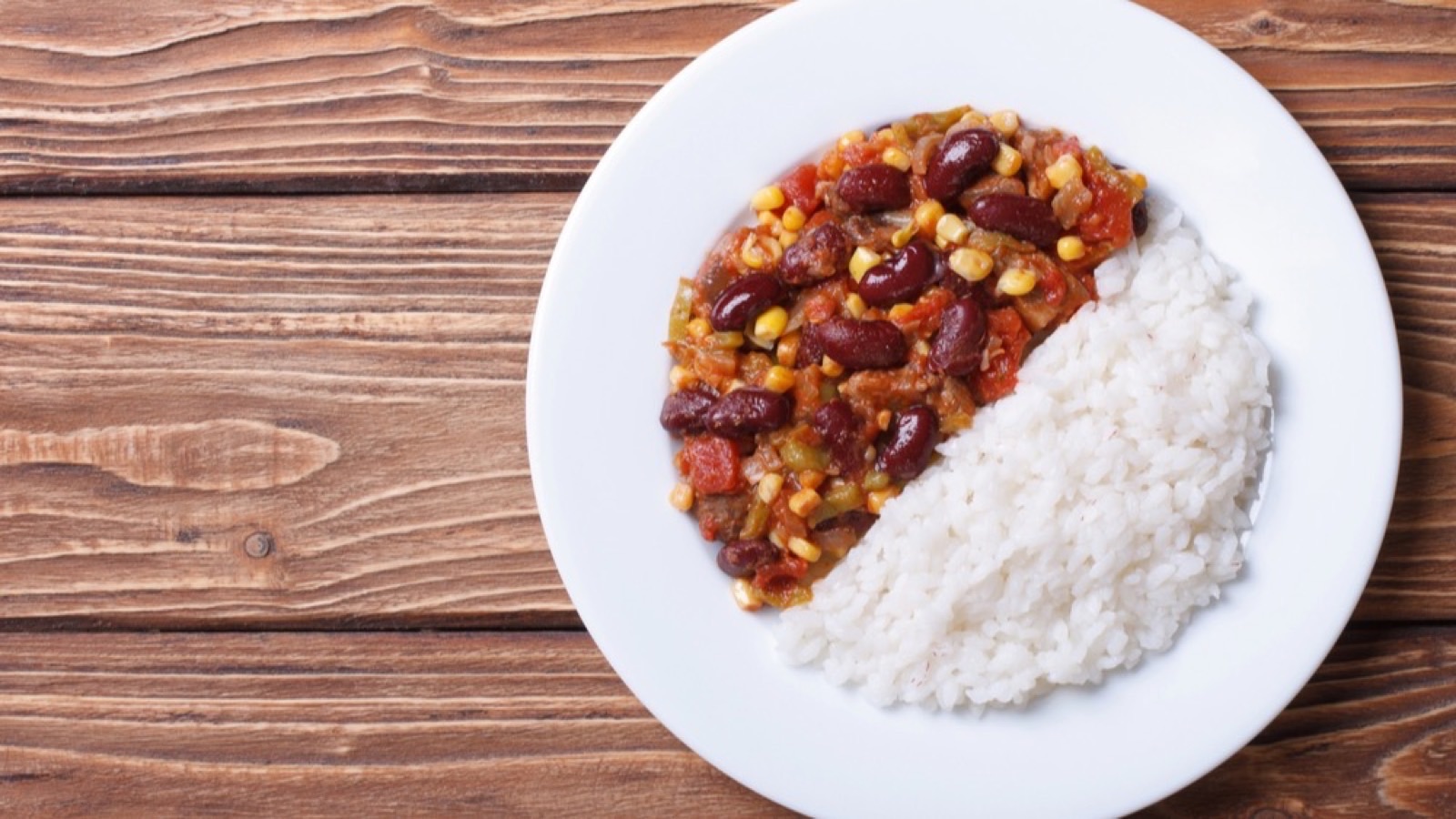
2. Beef or bean chilli with rice
Brown minced beef (or use two tins of beans for a meat-free version) with onion and garlic, add chopped tomatoes, kidney beans, cumin, chilli powder and smoked paprika, and simmer for 30 minutes. Serve with rice and a spoonful of yogurt. Check that your stock cube and spice blend are gluten-free, as some contain wheat flour.
3. Salmon, potatoes and greens
Bake salmon fillets with lemon, garlic and herbs for 12 to 15 minutes alongside halved new potatoes that have had a 20-minute head start. Add green beans or broccoli for the last ten minutes. Simple, filling and full of omega-3 fats.
4. Stir-fry with rice noodles
Stir-fry strips of chicken, prawns or tofu with whatever vegetables you have, then add cooked rice noodles. The catch is the sauce: regular soy sauce is made with wheat. Use tamari or a soy sauce clearly labelled gluten-free, plus garlic, ginger and a squeeze of lime.
5. Stuffed baked potatoes
Bake large potatoes or sweet potatoes until soft, then split and fill with chilli, tuna and sweetcorn, cottage cheese and chives, or black beans, salsa and avocado. Everyone builds their own, which makes it perfect for fussy eaters.
6. Lentil and vegetable curry
Soften onion, garlic and ginger, stir in curry spices, add red lentils, a tin of tomatoes, a tin of coconut milk and some spinach, and simmer for 25 minutes. Serve with rice. It's cheap, freezes well and is naturally gluten-free if your curry paste or powder is.
Hidden sources of gluten
Gluten turns up in places you wouldn't expect. Always check labels on:
- Soy sauce, teriyaki and many marinades.
- Stock cubes, gravy granules and some spice mixes.
- Sausages, burgers and breaded or battered foods.
- Ready-made sauces, soups and salad dressings thickened with flour.
- Beer (made from barley) and malt vinegar.
In the US, products labelled "gluten-free" must contain less than 20 parts per million of gluten, the level considered safe for most people with coeliac disease. In the UK, look for "gluten-free" on the label or the crossed grain symbol.
Avoiding cross-contamination
For someone with coeliac disease, even crumbs matter. If you're cooking for them:
- Use a separate toaster or toaster bags.
- Keep separate butter, jam and spreads so knives with crumbs don't go back in.
- Clean surfaces, boards and pans well before cooking.
- Don't fry gluten-free food in oil used for battered foods.
- Cook the gluten-free food first, or cook it all gluten-free.
Keeping it balanced
Gluten-free doesn't automatically mean healthy. Many packaged gluten-free breads and snacks are lower in fibre and higher in sugar or fat than the originals. Building dinners around whole foods like the ones above keeps fibre up. Brown rice, quinoa, potatoes with skins, beans and lentils all help. And if you miss bread with your meal, try our soft gluten-free dinner rolls.
The bottom line
The easiest gluten-free dinners aren't special recipes at all. They're meals built on rice, potatoes, beans, fresh meat, fish and vegetables, with a careful eye on sauces and seasonings. Cook one of these six and the whole family can eat the same meal without anyone feeling left out.
Sources
- Coeliac disease (NHS)
- What is celiac disease? (Celiac Disease Foundation)
- Sources of gluten (Celiac Disease Foundation)
- How to get more fibre into your diet (NHS)
Stop Buying These 10 Foods (and what I buy instead to live longer)
10 simple swaps, a printable grocery list and a 7-day starter plan. Plus one practical health tip from me each week.
Sent! Check your inbox. Your guide is in an email from Jude at Health Makes You.
Not there in a minute? Check your Promotions or spam folder, and move it to your main inbox so you get my weekly tips.
No spam. Unsubscribe any time.

Written by
Jude Uchella
Jude is the founder of Health Makes You, a YouTube channel about the everyday choices that decide how long and how well you live. He turns real research into clear, practical steps anyone can start today.