Gluten-free rolls: a soft, simple recipe even beginners can bake
A soft gluten-free dinner rolls recipe that doesn't need special skills, why gluten-free dough behaves so differently, how to keep rolls safe for guests with coeliac disease, and what to know before cutting gluten yourself.

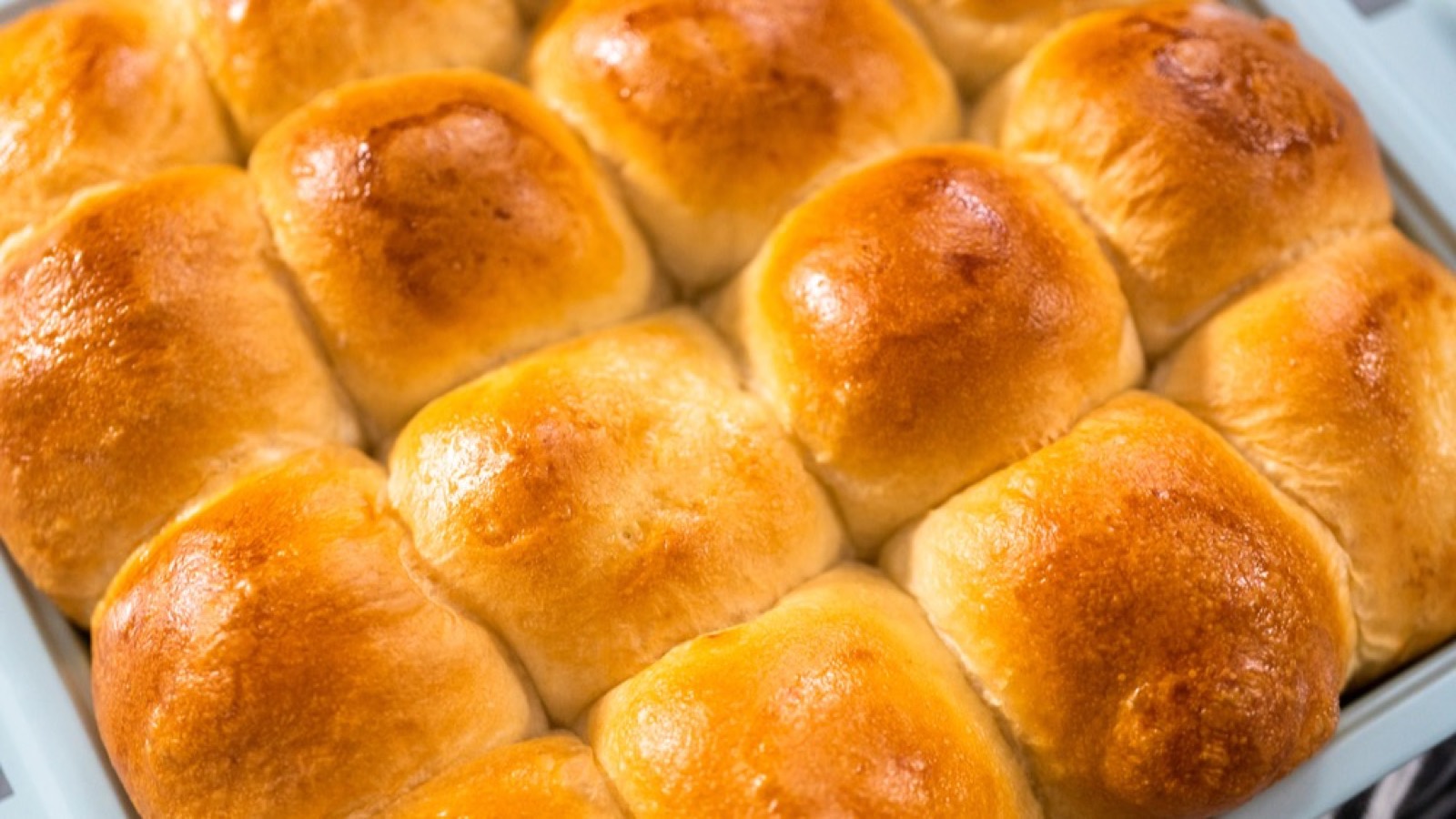
There's always one person at the table who can't eat the bread basket. Holiday dinners, Sunday lunches and potlucks are full of soft, buttery rolls, and if you avoid gluten you usually just watch them go by. That's probably why "gluten free rolls" has shot up on Pinterest in the last month, as people plan festive meals that everyone can share.
The good news is that soft, pull-apart gluten-free rolls are very doable at home. They just follow different rules from regular bread. This recipe keeps things simple, explains what's going on in the bowl, and covers the safety steps that matter if you're baking for someone with coeliac disease.
Why gluten-free dough is so different
Gluten is a group of proteins found in wheat, barley and rye. The Celiac Disease Foundation describes it as a kind of glue that helps foods hold their shape. In bread dough, gluten forms a stretchy network that traps the gas from yeast, which is how a loaf rises and gets that springy, chewy crumb.
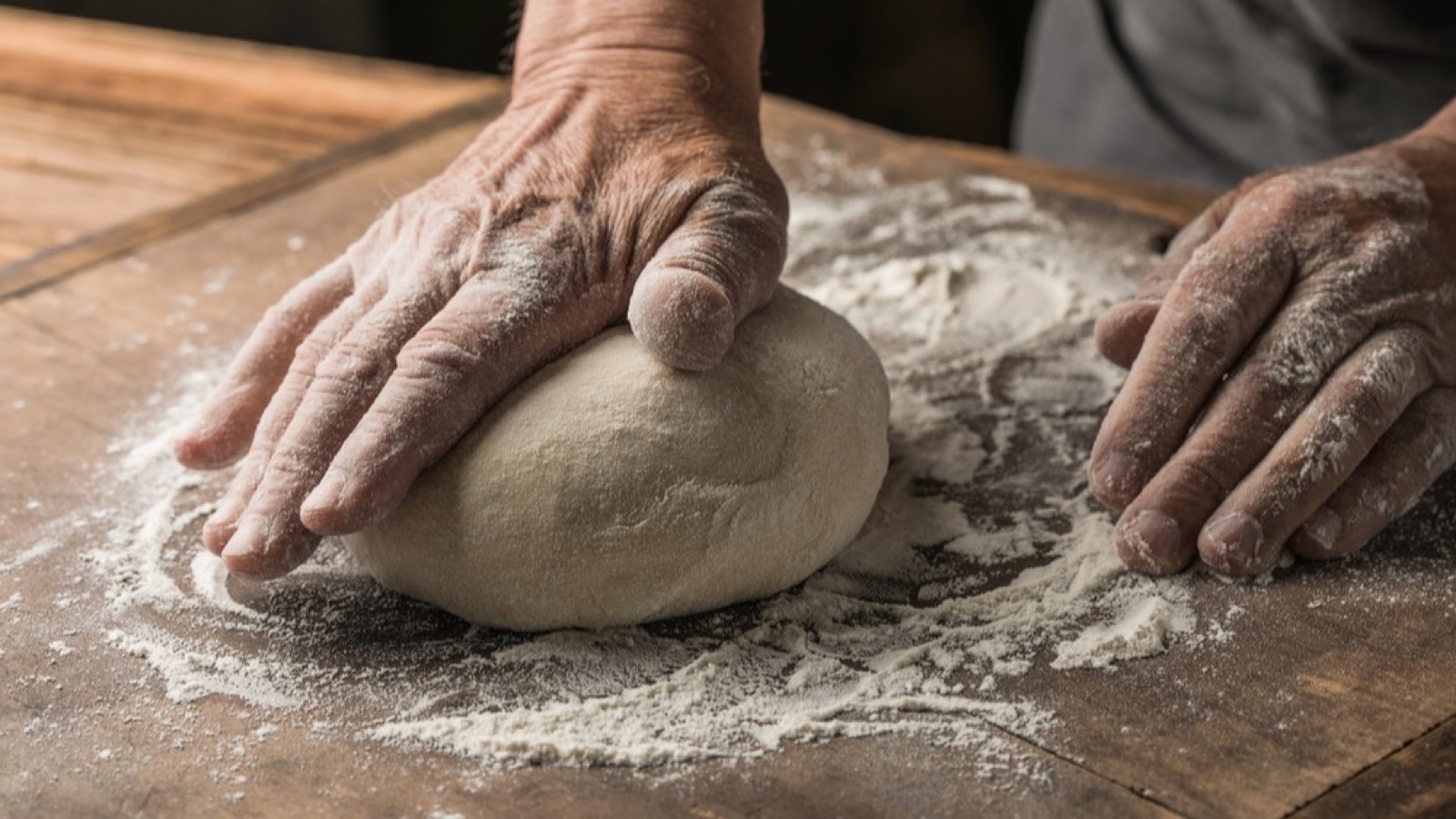
Take gluten away and there's nothing to hold the bubbles in. That's why many gluten-free breads end up dense, crumbly or dry. The trick is to add something that does a similar job. In this recipe that's psyllium husk powder, a plant fibre that turns into a thick gel when it meets liquid. It gives the dough some stretch, holds moisture and helps the rolls stay soft for longer. Most supermarkets sell it in the baking or health food aisle.
You'll also notice the dough looks wrong at first. It's more like a thick, sticky batter than a smooth ball. That's normal. You won't knead it, and you'll shape it with oiled hands instead of floured ones.
Soft gluten-free dinner rolls (makes 10)
Ingredients
- 300 grams (about 2 1/4 cups) all-purpose gluten-free flour blend that contains xanthan gum
- 2 tablespoons psyllium husk powder (about 14 grams)
- 1 tablespoon sugar
- 2 1/4 teaspoons instant yeast (one 7-gram packet)
- 1 teaspoon salt
- 1 1/4 cups warm milk, about 105 to 110°F (40 to 43°C), the temperature of a warm bath
- 2 tablespoons melted butter or olive oil, plus extra for brushing
- 1 large egg, at room temperature
- 1 teaspoon apple cider vinegar
Method
- Mix the dry ingredients. In a large bowl, whisk the flour blend, psyllium, sugar, yeast and salt so the psyllium is spread evenly. Lumps of psyllium turn into gummy spots later.
- Add the wet ingredients. Whisk the warm milk, melted butter, egg and vinegar together, then pour them into the flour. Beat with a wooden spoon or a mixer for 3 to 4 minutes until you have a thick, smooth, sticky dough.
- Let it rest. Cover the bowl and leave it for 10 minutes. The psyllium soaks up liquid during this time and the dough firms up enough to shape.
- Shape the rolls. Grease an 8- or 9-inch square or round pan. Rub a little oil on your hands, divide the dough into 10 equal pieces (about 70 grams each), and roll each into a smooth ball. Set them in the pan just touching each other, which helps them rise up instead of out.
- Let them rise. Cover loosely and leave in a warm spot for 45 to 60 minutes, until the rolls look puffy and have grown by about half. Gluten-free dough doesn't usually double the way wheat dough does, so don't wait for that.
- Bake. Heat the oven to 375°F (190°C). Brush the tops with melted butter or a beaten egg for shine and bake for 25 to 30 minutes, until deep golden. If you have a thermometer, the centre should read about 205 to 210°F (96 to 99°C).
- Cool before tearing. Leave the rolls in the pan for at least 15 minutes. Gluten-free bread finishes setting as it cools, and cutting in too early makes the middle seem gummy.
Swaps and troubleshooting
Dairy-free: use unsweetened soy or oat milk (check the oat milk is labelled gluten-free) and olive oil instead of butter. Soy milk gives the best browning.
Rolls came out dense: the milk was probably too hot or too cold, or the rise was cut short. Yeast works best when the milk feels warm, not hot, and the dough needs a warm spot. Inside an oven with just the light on works well.
Rolls came out gummy inside: they needed longer in the oven, or they were torn open while still hot. Bake until they're properly golden and give them their cooling time.
Different flour blend: gluten-free blends vary a lot. If your dough is too stiff to shape, beat in a tablespoon or two more warm milk. If it's too runny to hold a ball, add a tablespoon more flour. Weighing the flour instead of using cups gives the most reliable results.
Baking for someone with coeliac disease
If your guest has coeliac disease, a tiny amount of gluten can cause problems, so the recipe is only half the job. The other half is avoiding cross-contact in your kitchen.
- Check every label. Use a flour blend, yeast and baking ingredients labelled gluten-free. The Celiac Disease Foundation notes that the US FDA standard for gluten-free foods is less than 20 parts per million of gluten.
- Start with a clean kitchen. Wash bowls, spoons, pans and the counter before you begin, especially if you've been baking with wheat flour. Flour dust travels and settles.
- Use fresh butter. A butter dish that's had a knife dragged through toast crumbs isn't gluten-free anymore. Open a new block or use a clean portion.
- Serve them separately. Put gluten-free rolls in their own basket with their own tongs, and serve them before the regular bread is passed around.
- Avoid bulk bins. The foundation also warns against buying gluten-free grains from bulk bins because of the risk of cross-contact.
Should you go gluten-free yourself?
Gluten-free baking is a kindness to friends and family who need it, but cutting gluten isn't automatically healthier for everyone. If you think gluten makes you unwell, it's worth talking to a doctor before you change your diet. The National Institute of Diabetes and Digestive and Kidney Diseases explains that doctors don't recommend starting a gluten-free diet before testing for coeliac disease, because going gluten-free can affect the test results.
It's also worth knowing that many shop-bought gluten-free breads are lower in fibre than wholemeal bread. If you do eat gluten-free, plenty of beans, vegetables, fruit, potatoes, quinoa and brown rice help fill that gap.
Storing gluten-free rolls
These rolls are at their best on the day they're baked. Keep leftovers in an airtight container and warm them in a low oven for a few minutes, or wrap one in a damp paper towel and microwave it for 10 to 15 seconds, to bring back the softness. They also freeze well for about a month. Freeze them as soon as they've cooled, then reheat straight from the freezer.
The bottom line
Soft gluten-free rolls aren't about copying wheat bread exactly. They're about giving the dough something to hold onto, here psyllium, then trusting a sticky dough, a gentle rise and a full bake. Add careful kitchen habits, and everyone at the table can reach for the bread basket. If you're curious about how different breads compare in the first place, our video on sourdough vs normal bread breaks down the real differences.
Sources
- What is gluten? (Celiac Disease Foundation)
- Gluten-free foods (Celiac Disease Foundation)
- Diagnosis of celiac disease (National Institute of Diabetes and Digestive and Kidney Diseases)

Written by
Jude Uchella
Jude is the founder of Health Makes You, a YouTube channel about the everyday choices that decide how long and how well you live. He turns real research into clear, practical steps anyone can start today.