
Most people have looked down at their arms, thighs, or face and noticed small, rough bumps on the skin. They often don’t itch or hurt, but they can be annoying, especially if they don’t go away on their own. These little patches are common, but their causes vary, ranging from clogged pores to genetic conditions.
This article breaks down the most frequent reasons behind tiny skin bumps, what each type looks like, and what treatments work. You’ll learn how to spot the difference between harmless buildup and something that needs medical attention, plus simple ways to improve your skin’s texture and appearance without trial and error.
Keratosis Pilaris: The Classic “Chicken Skin” Look

Keratosis pilaris (KP) is one of the most common causes of small, painless bumps often seen on the upper arms, thighs, cheeks, or buttocks. It occurs when the skin produces excess keratin, a protein that clogs hair follicles and forms dry, sandpaper-like patches. These bumps are typically skin-colored or slightly red and tend to worsen in cold, dry weather.
KP is not harmful, but it’s stubborn. There’s no permanent cure, but you can manage the symptoms with consistent care. The condition often fades with age, but for many, it lingers well into adulthood.
Treatment Options for Keratosis Pilaris:
- Exfoliate gently using products with lactic acid or urea to break down buildup.
- Moisturize daily to keep skin hydrated and reduce flakiness.
- Avoid scrubbing aggressively, as that can make inflammation worse.
Acne and Clogged Pores: Not Always What They Seem

Not all bumps are acne, but many get misidentified as such. Acne can appear as whiteheads, blackheads, or small red bumps (papules), and it often develops on the face, back, chest, or shoulders. These bumps form when oil, dead skin cells, and bacteria block a hair follicle.
Unlike KP, acne may feel tender or become inflamed, especially when touched or picked. Products that dry out the skin can sometimes make the problem worse by triggering more oil production.
How to Treat Mild Acne Bumps:
- Use salicylic acid or benzoyl peroxide cleansers once a day.
- Avoid heavy creams or makeup that can clog pores further.
- Don’t pick or squeeze; this spreads bacteria and causes scarring.
If over-the-counter options don’t work, a dermatologist may recommend prescription creams or oral medication to bring acne under control.
Milia: Trapped Under the Surface

Milia are tiny, hard, white bumps that appear just under the surface of the skin. They’re often found around the eyes, cheeks, or nose and don’t come with redness or pain. These bumps form when dead skin becomes trapped in small pockets instead of exfoliating naturally.
Unlike acne, milia don’t erupt or become inflamed. They won’t respond to spot treatments, and trying to pop them usually leads to skin damage without removing the bump.
Safe Ways to Handle Milia:
- Use gentle exfoliants like glycolic acid to help slough dead skin cells.
- Avoid thick creams near the eyes, which can block pores.
- For stubborn cases, a dermatologist can extract milia using sterile tools.
Most importantly, patience is necessary; milia often resolve on their own over time.
Folliculitis: When Bumps Are Red and Itchy

If your tiny skin bumps are red and irritated and appear around hair follicles, you might be dealing with folliculitis. This happens when bacteria or yeast infects hair follicles, often after shaving, sweating, or wearing tight clothes that trap heat and moisture. These bumps can resemble acne but usually feel itchier or more inflamed.
Folliculitis is common on the thighs, buttocks, or beard area. In some cases, it resolves on its own; however, deeper infections may spread or form painful boils.
How to Treat and Prevent Folliculitis:
- Wash the area with antibacterial soap and wear breathable fabrics.
- Switch to non-comedogenic shaving products and use a clean razor.
- Apply warm compresses to soothe inflammation and bring out trapped material.
Persistent or worsening folliculitis may need topical antibiotics or antifungal creams, depending on the cause.
Allergic or Contact Reactions: When the Skin Pushes Back
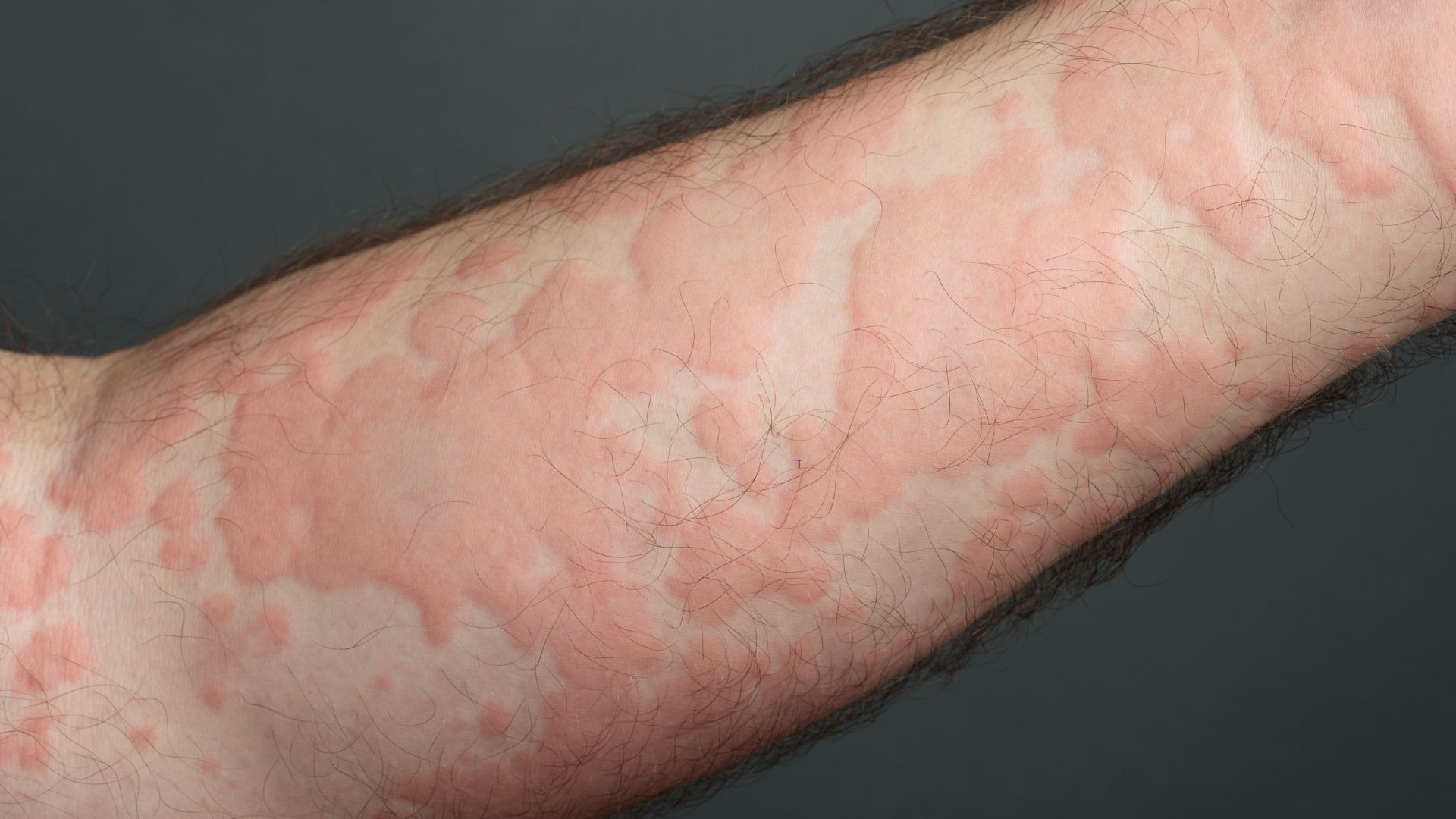
Tiny bumps that suddenly appear and itch might be linked to an allergic reaction or skin sensitivity. Contact dermatitis can result from exposure to products like laundry detergent, perfumes, certain fabrics, or skincare ingredients. These bumps are often red, slightly raised, and may appear in clusters or streaks.
Unlike chronic conditions like KP or acne, allergic bumps tend to appear quickly after exposure and subside within days of removing the irritant.
Identifying the Trigger:
- Think back to anything new: lotions, detergents, soaps, or even jewelry.
- Do a patch test by applying the product to a small area of skin before full use.
- Use hydrocortisone cream to temporarily reduce itching and redness.
If reactions continue, it’s worth seeing an allergist or dermatologist for formal testing.
Conclusion
Tiny skin bumps may appear similar, but their causes and treatments can be quite different. Some are caused by clogged pores, others by trapped dead skin, bacteria, or even allergic responses.
A thoughtful skincare routine and a watchful eye on your body’s signals can help restore smoother, calmer skin over time.