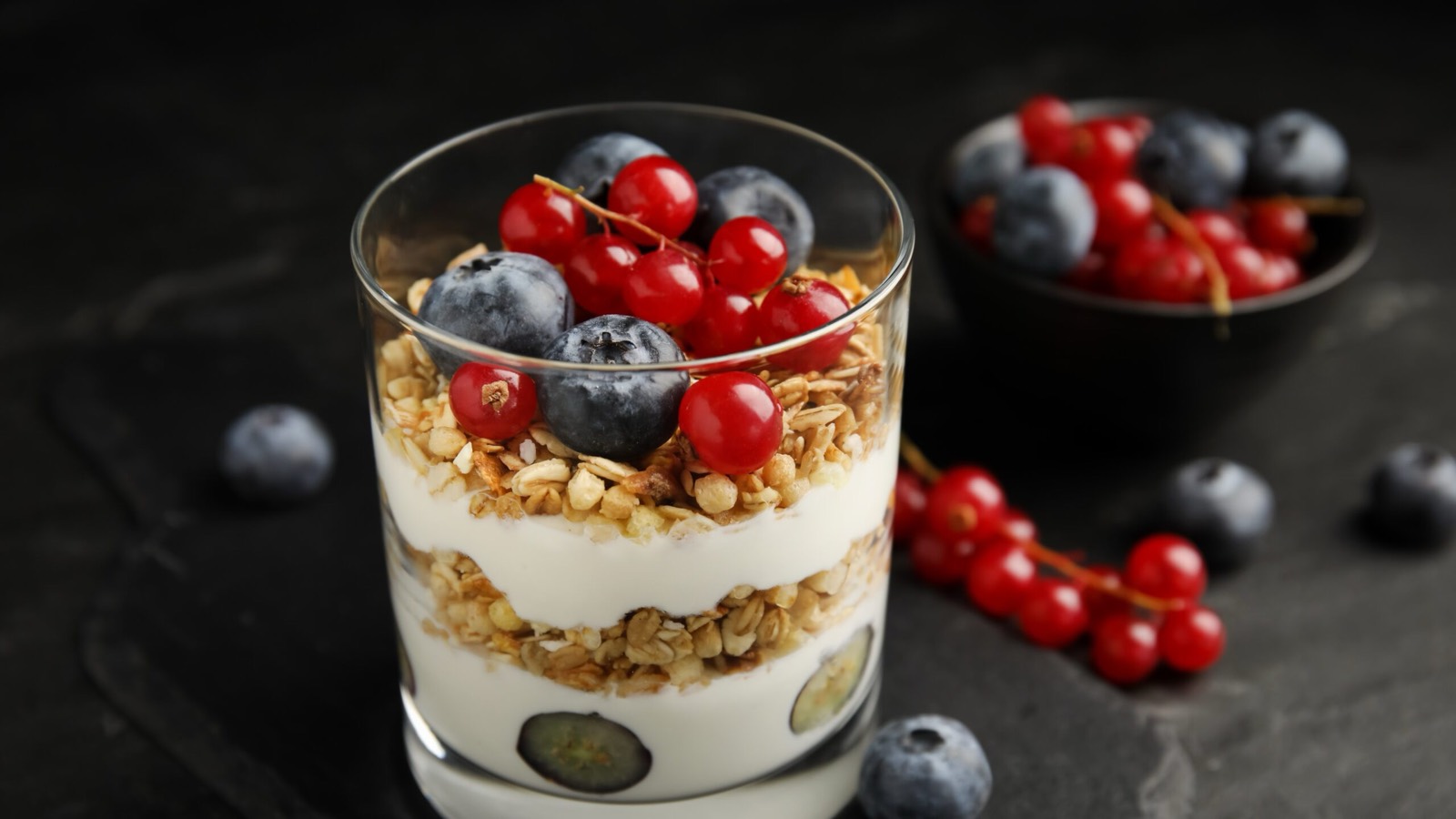
What goes on a healthy grocery list? A simple aisle-by-aisle guide
A simple healthy grocery list organised by supermarket aisle, with staples to keep on hand, how to read a label in ten seconds, and tips to eat well without spending more.

Healthy eating starts long before the kitchen. It starts in the supermarket, where most of the decisions about what you'll eat this week are made in about 40 minutes.
"Grocery list" is one of the most searched health topics on Pinterest. So here's a simple, flexible healthy grocery list, laid out the way most shops are, so you can work through it without wandering.
The idea behind it
You don't need a perfect list. You need a list built around a simple plate: half vegetables and fruit, a quarter protein, a quarter whole grains or starchy foods, plus some healthy fats. That's the same basic idea behind the USDA's MyPlate.
If most of your basket fits that pattern, you're doing well.
Produce
Aim for a mix of colours. Buy some things to eat early in the week and some that last.
- Eat first: salad leaves, berries, spinach, ripe avocados, herbs, mushrooms
- Lasts longer: carrots, cabbage, onions, sweet potatoes, apples, oranges, beetroot, broccoli
- For cooking: garlic, ginger, lemons or limes
Frozen aisle
Frozen fruit and vegetables are picked and frozen at their peak. They're just as nutritious as fresh and they don't go off.
- Frozen berries (for oats, yogurt and smoothies)
- Frozen spinach, peas, broccoli, mixed vegetables
- Frozen shrimp or fish fillets
- Frozen edamame
Protein
- Eggs
- Chicken breasts or thighs, lean ground turkey or beef
- Salmon or other fish, at least once or twice a week
- Tofu or tempeh
- Canned tuna, salmon or sardines
Dairy and alternatives
- Plain Greek yogurt
- Cottage cheese (check the sodium)
- Milk or an unsweetened fortified alternative
- A strong cheese like parmesan or feta, where a little goes a long way
Not sure which milk to buy? Our video on milk benefits most adults never hear about covers who does well with it and who should avoid it.
Pantry
- Rolled oats
- Brown rice, quinoa or whole-wheat pasta
- Canned beans, chickpeas and lentils
- Canned tomatoes and passata
- Nuts, seeds and natural nut butter
- Olive oil
- Herbs, spices, vinegar and low-sodium stock
Bread
Wholegrain, seeded, rye or real sourdough. Look for "whole grain" or "whole wheat" as the first ingredient.
How to read a label in ten seconds
You don't have to study every package. Check three things:
- The ingredient list. Shorter is usually better. Ingredients are listed from most to least, so if sugar is near the top, put it back.
- Added sugars. On U.S. labels this has its own line. The Dietary Guidelines suggest keeping added sugars under 10% of daily calories.
- Sodium. 5% Daily Value or less per serving is low; 20% or more is high.
Eat well without spending more
- Plan four or five dinners, not seven. Leftovers and "fridge clear-out" nights fill the gaps.
- Buy store brands for oats, canned beans, frozen vegetables and rice. They're often identical.
- Use frozen and canned produce. Choose canned fruit in water or juice, and rinse canned beans to cut salt.
- Shop your kitchen first. Check the fridge before you leave so you don't buy a third bag of spinach.
- Don't shop hungry. It's an old tip because it works.
For quick ways to turn this list into food, see our 5 easy lunches for the week and our 7-day anti-inflammatory dinner plan.
The bottom line
A healthy grocery list doesn't need superfoods or specialist shops. Fill most of your basket with vegetables, fruit, proteins and whole grains, keep a well-stocked pantry and freezer, and read three things on a label. Your meals will follow.
Sources
- Healthy Eating Plate (Harvard T.H. Chan School of Public Health, The Nutrition Source)
- Dietary Guidelines for Americans (U.S. Department of Agriculture and Department of Health and Human Services)
- How to understand and use the Nutrition Facts label (U.S. Food and Drug Administration)
Stop Buying These 10 Foods (and what I buy instead to live longer)
10 simple swaps, a printable grocery list and a 7-day starter plan. Plus one practical health tip from me each week.
Sent! Check your inbox. Your guide is in an email from Jude at Health Makes You.
Not there in a minute? Check your Promotions or spam folder, and move it to your main inbox so you get my weekly tips.
No spam. Unsubscribe any time.

Written by
Jude Uchella
Jude is the founder of Health Makes You, a YouTube channel about the everyday choices that decide how long and how well you live. He turns real research into clear, practical steps anyone can start today.