Why teenagers can't fall asleep early, and how parents can help
Why teenagers' body clocks shift later, how much sleep teens really need, what happens when they don't get it, and practical ways parents can help without nightly battles.

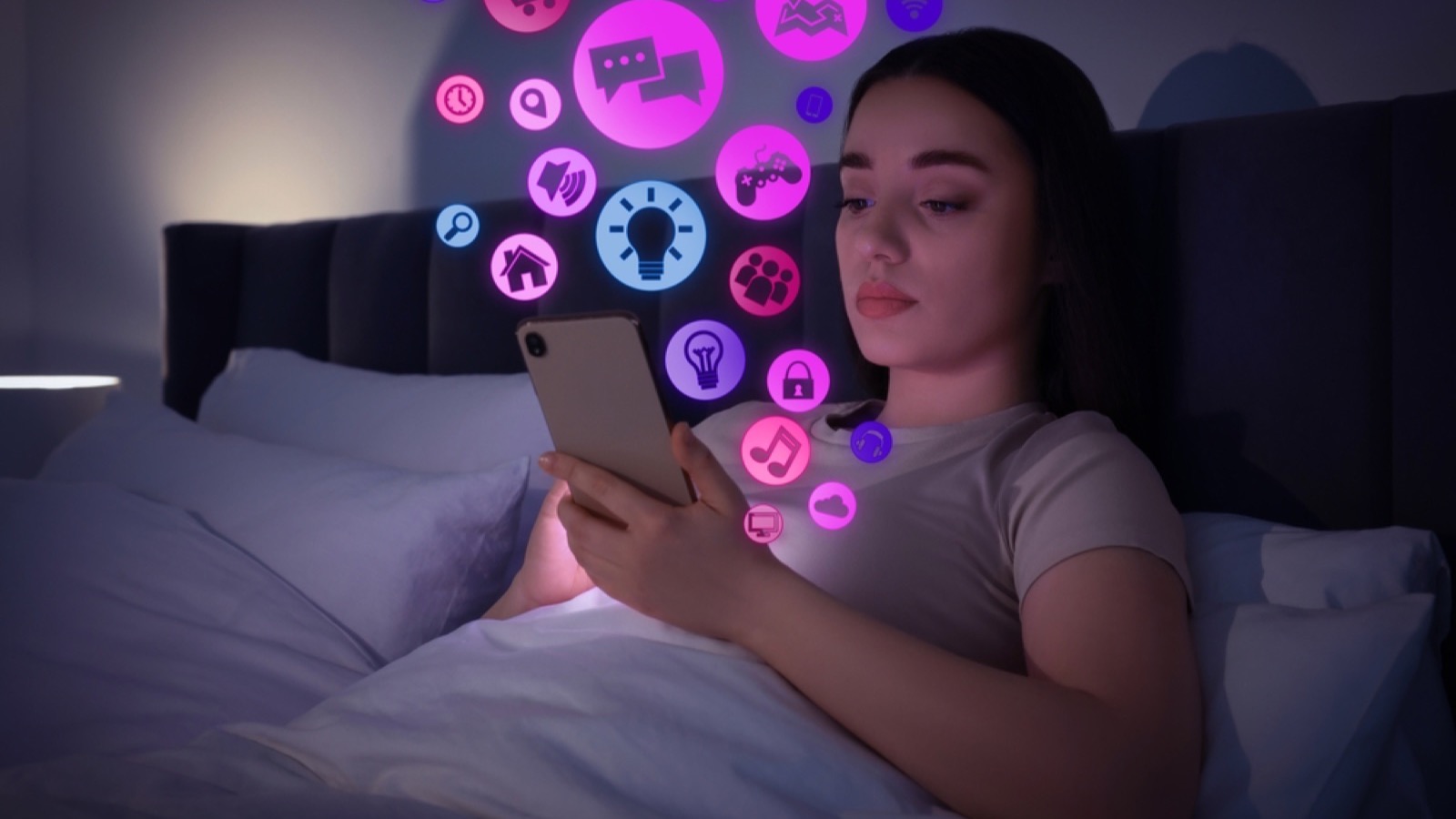
If you have a teenager, you probably know the pattern. Wide awake at 11 PM. Impossible to wake at 7 AM. Asleep until noon on Saturday. It's easy to put it down to laziness or phones. But a big part of it is biology.
Searches about teen sleep are up 3,500% on Pinterest compared with last year, so plenty of parents are asking the same question. Here's what's going on, and what actually helps.
A teenager's body clock really does shift
During puberty, the body clock moves later. Teenagers start releasing melatonin, the hormone that makes us sleepy, later in the evening than children or adults do. Many teens simply don't feel tired until around 11 PM, sometimes later.
At the same time, school often starts early. So a teen who can't fall asleep until 11 and has to get up at 6:30 is losing sleep every night, then trying to catch up at weekends.
How much sleep do teens need?
The American Academy of Sleep Medicine recommends 8 to 10 hours a night for teenagers aged 13 to 18. Most don't get close. The CDC reports that around 7 in 10 U.S. high school students don't get enough sleep on school nights.
Why it matters
Too little sleep in the teen years is linked with:
- Trouble concentrating, poorer memory and lower grades
- Low mood, irritability and a higher risk of anxiety and depression
- More risk-taking behaviour
- Drowsy driving, which is a real danger for new drivers
- More sports injuries
- Weight gain and craving sugary, high-calorie food
Sleep is when the brain sorts and stores what it learned in the day. For a still-developing teenage brain, that matters a lot. Our video on sleep science explains what happens at night.
How parents can help
You can't move their body clock back to age eight. But you can make it easier for them to get more sleep.
1. Keep weekend lie-ins within about 2 hours. Sleeping until noon on Saturday pushes the body clock even later and makes Monday morning worse. A lie-in is fine; a whole morning isn't.
2. Get morning light. Opening curtains straight away, eating breakfast by a window or walking to school helps reset the body clock earlier.
3. Create a phone curfew. Screens are stimulating and the light can delay melatonin. Agree on a time, ideally an hour before bed, and charge phones outside the bedroom. This works best when the whole family does it, so model it yourself.
4. Watch caffeine. Energy drinks, coffee, tea and many sodas can keep teens awake for hours. Suggest no caffeine after lunchtime.
5. Protect a wind-down routine. A shower, reading, music or chatting. Our bedtime routine works for teens too.
6. Keep the bedroom cool, dark and quiet. Blackout curtains or an eye mask can help.
7. Limit long naps. A short nap after school (20 to 30 minutes, before about 4 PM) is fine. Long, late naps make it harder to sleep at night.
8. Talk, don't lecture. Teens respond better when they understand why sleep helps the things they care about: sport, looks, mood, exam results. Let them help make the plan.
When to talk to a doctor
Speak to your teen's doctor if they snore loudly, seem exhausted despite enough hours in bed, fall asleep at school, struggle to fall asleep most nights even with good habits, or seem low, anxious or withdrawn. Sleep problems and mental health are closely linked, and both are worth taking seriously.
The bottom line
Teenagers aren't lazy; their body clocks run late, and early starts leave many of them short of sleep. Consistent wake times, morning light, a phone curfew and less caffeine can claw back precious hours. Be patient, and work with your teen rather than against them.
Sources
- About sleep and your health (Centers for Disease Control and Prevention)
- Sleep and health (Centers for Disease Control and Prevention)
- Teens and sleep (Sleep Foundation)
- Recommended amount of sleep for pediatric populations (Journal of Clinical Sleep Medicine, American Academy of Sleep Medicine)

Stop Buying These 10 Foods (and what I buy instead to live longer)
10 simple swaps, a printable grocery list and a 7-day starter plan. Plus one practical health tip from me each week.
Sent! Check your inbox. Your guide is in an email from Jude at Health Makes You.
Not there in a minute? Check your Promotions or spam folder, and move it to your main inbox so you get my weekly tips.
No spam. Unsubscribe any time.

Written by
Jude Uchella
Jude is the founder of Health Makes You, a YouTube channel about the everyday choices that decide how long and how well you live. He turns real research into clear, practical steps anyone can start today.