Should you sleep with an eye mask? Here's what the studies found
Why darkness matters for sleep, what studies say about sleeping with an eye mask, how to choose a comfortable one, and when a mask won't solve the problem.

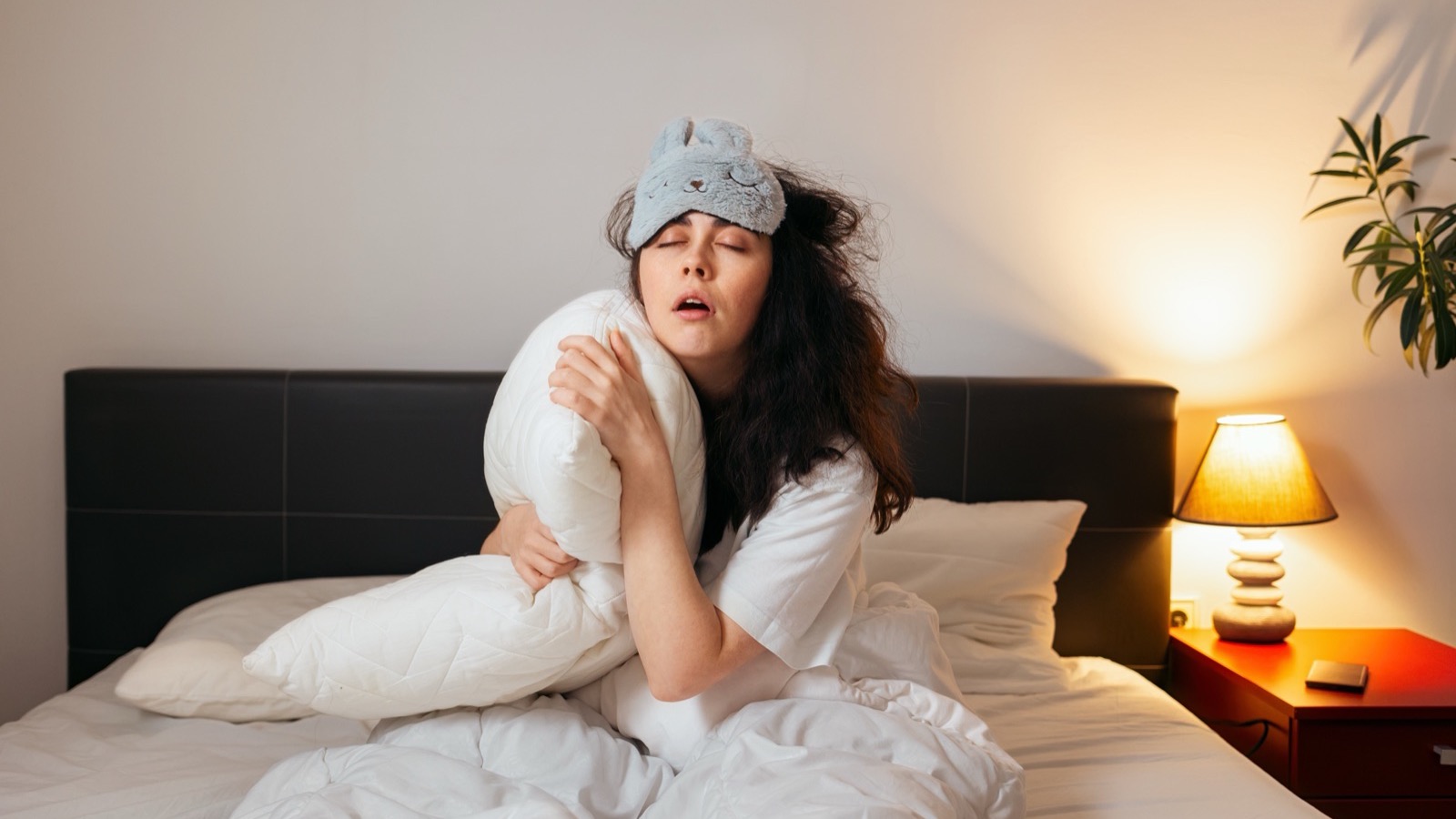
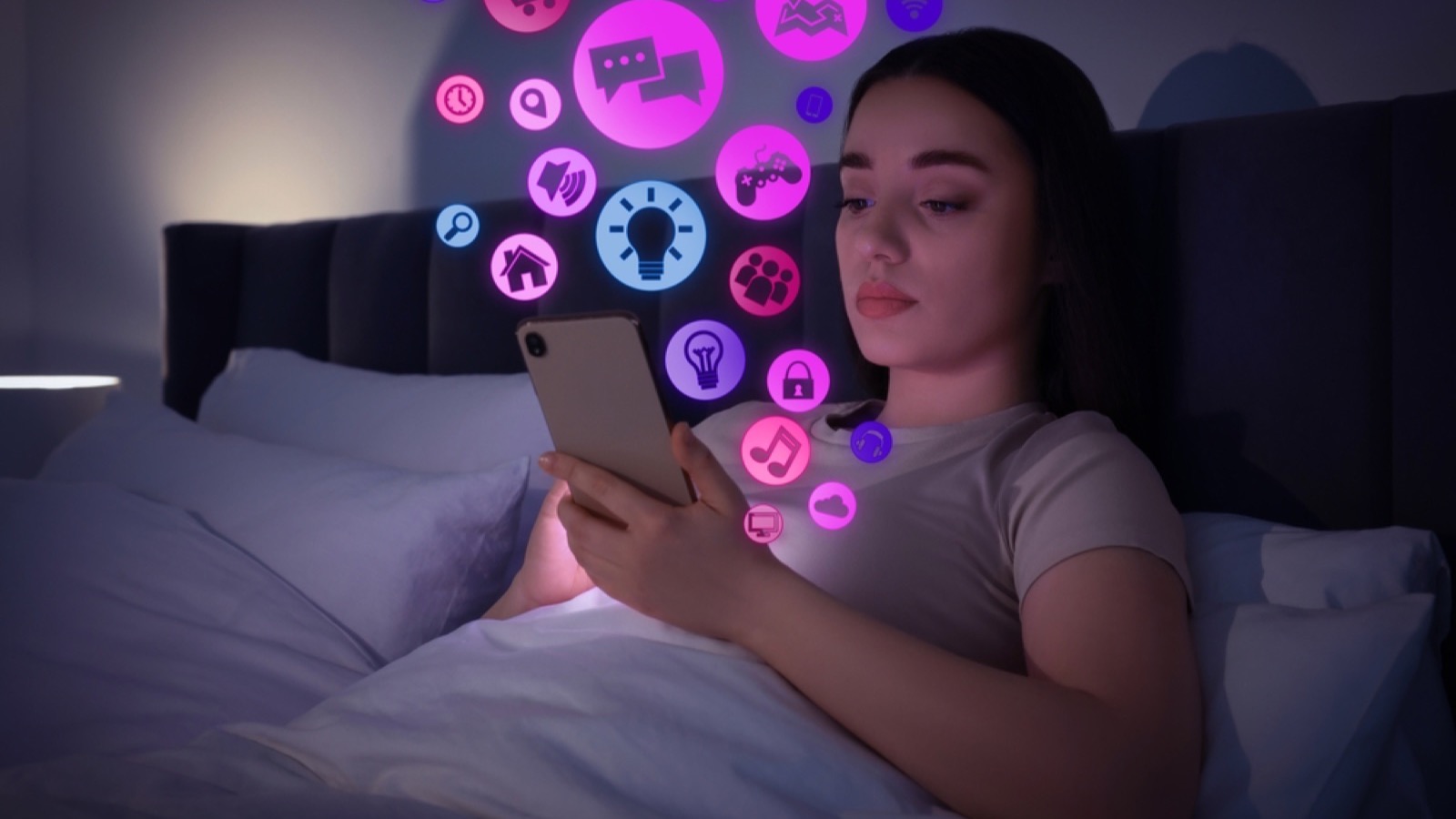
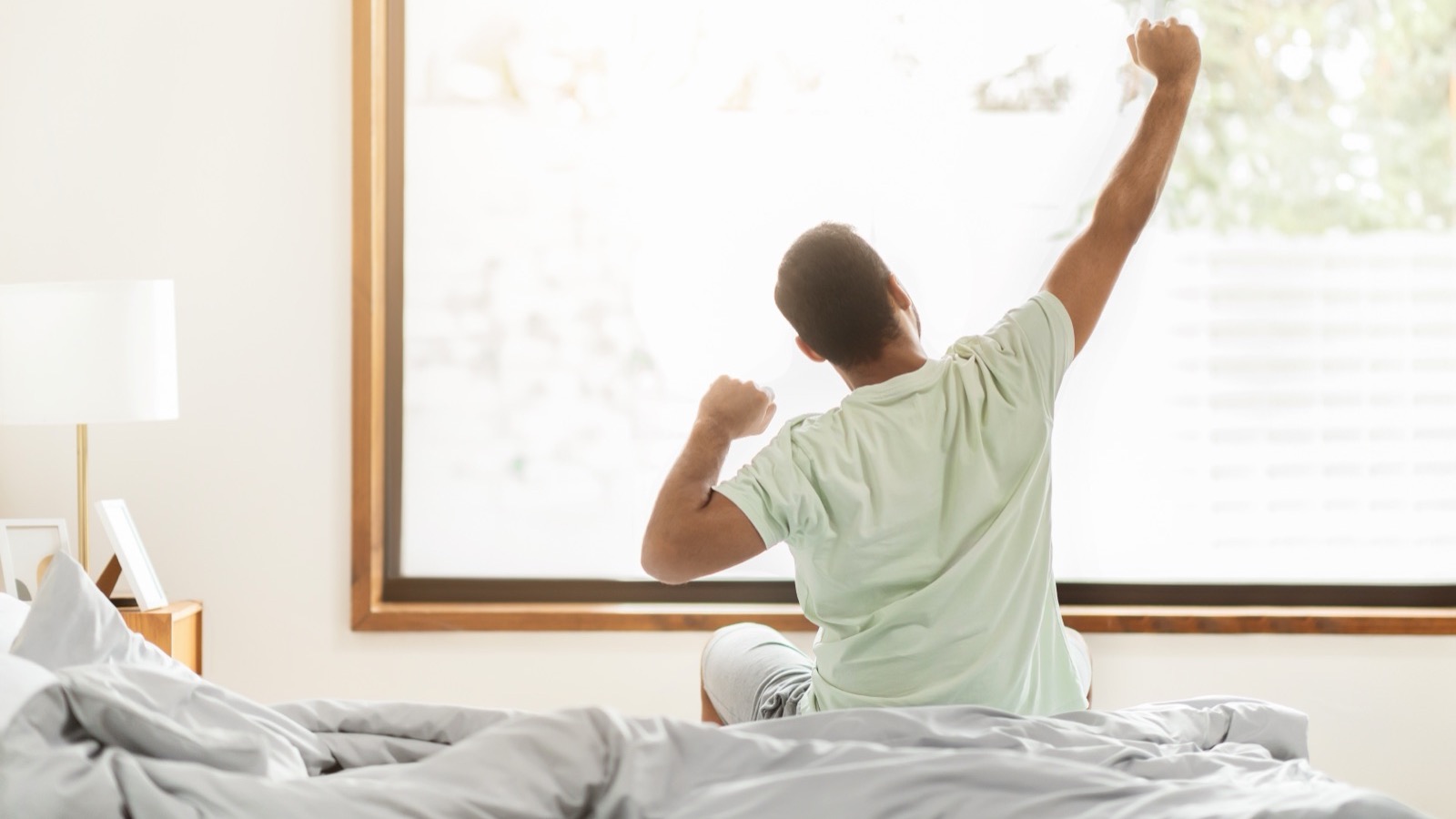
Streetlights through the curtains. A phone screen lighting up on the bedside table. A partner reading late. Early sunrise in summer. Light sneaks into most bedrooms, and a cheap eye mask is one of the simplest ways to block it. Searches for "sleep mask" on Pinterest are up 50% this month.
So is it worth wearing one? For a lot of people, yes.
Why darkness matters for sleep
Your body clock runs on light. When it gets dark in the evening, your brain releases more melatonin, the hormone that tells your body it's time to sleep. Light, especially bright and blue-toned light, holds melatonin back and tells your brain it's still daytime.
Even low light during the night can matter. A 2022 study from Northwestern University found that sleeping with moderate light in the room raised heart rate and affected blood sugar control the next morning in healthy young adults, compared with sleeping in the dark. Other studies have linked light at night with lighter, more broken sleep.
That's why sleep experts recommend a dark bedroom. An eye mask is the cheapest way to get there.
What studies say about eye masks
- In hospitals, where lights and noise never stop, several studies have found that eye masks (often with earplugs) improved sleep quality and increased the time patients spent in deeper sleep.
- At home, a 2023 study in the journal Sleep found that healthy adults who wore an eye mask for a week did better on memory and alertness tests the next day than when they wore a mask that let light through.
The research isn't huge, but it all points the same way: blocking light helps many people sleep better.
Who's most likely to benefit
- People whose bedrooms get streetlight, early sunlight, or light from a partner's lamp or screen
- Shift workers who need to sleep during the day
- Travellers on planes, trains and in hotel rooms
- Anyone who wakes up too early in summer when it gets light at 5 AM
How to choose a comfortable mask
- Contoured or "3D" masks have cups over the eyes, so there's no pressure on your eyelids or lashes. Good for side sleepers and anyone who finds flat masks uncomfortable.
- Silk or soft cotton feels gentle and is less likely to irritate skin or tug hair.
- A wide, adjustable strap stays put without pinching.
- Full blackout. Check that it blocks light around the nose, where most masks leak.
- Weighted masks give a light, calming pressure. Some people love the feeling; others find it too warm.
Wash it regularly, about once a week, as it sits against your skin and collects oil and makeup.
When a mask won't fix it
An eye mask only helps if light is the problem. If you struggle to sleep because of stress, an irregular schedule, caffeine late in the day, or a racing mind, start there. Our 60-minute bedtime routine covers the basics.
See a doctor if you regularly struggle to fall or stay asleep for more than three months, snore loudly or stop breathing in your sleep, or feel very sleepy during the day despite getting enough hours. These can be signs of insomnia or sleep apnoea, which need proper treatment.
Pair it with other sleep helpers
A mask works well with a cool room (around 18°C or 65°F), earplugs or white noise, and screens off an hour before bed. If you also feel restless at night, you might like our look at what the research says about weighted blankets. And to understand what your body does while you sleep, watch our video on sleep science.
The bottom line
Light at night can interfere with your sleep more than you realise. An eye mask is a cheap, simple way to make your bedroom properly dark, and studies suggest it can help you sleep better and feel sharper the next day. Choose a comfortable contoured one and give it a week.
Sources
- Light exposure during sleep impairs cardiometabolic function (Proceedings of the National Academy of Sciences, 2022)
- Wearing an eye mask during overnight sleep improves episodic learning and alertness (Sleep, 2023)
- How light affects sleep (Sleep Foundation)
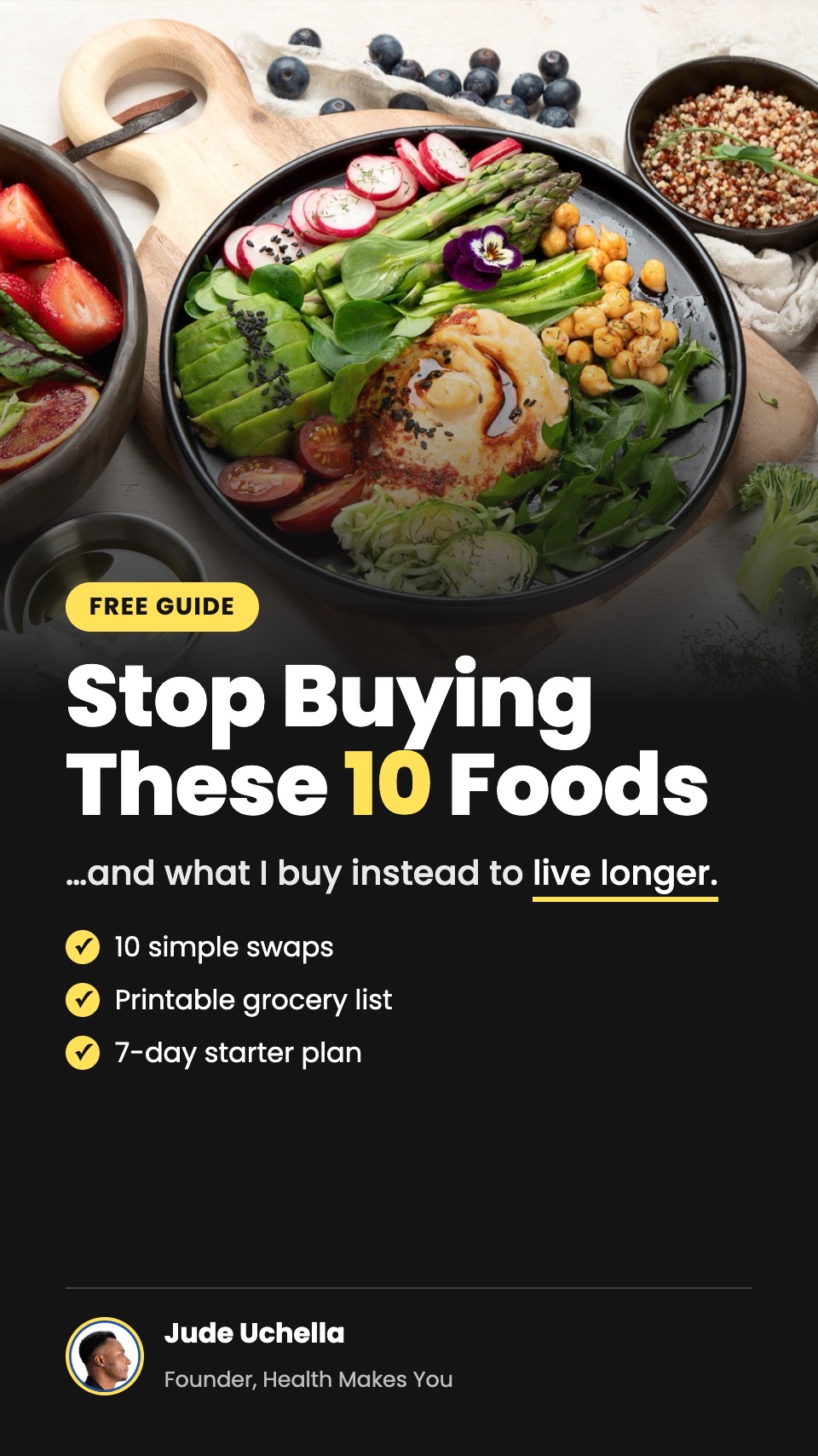
Stop Buying These 10 Foods (and what I buy instead to live longer)
10 simple swaps, a printable grocery list and a 7-day starter plan. Plus one practical health tip from me each week.
Sent! Check your inbox. Your guide is in an email from Jude at Health Makes You.
Not there in a minute? Check your Promotions or spam folder, and move it to your main inbox so you get my weekly tips.
No spam. Unsubscribe any time.
Written by
Jude Uchella
Jude is the founder of Health Makes You, a YouTube channel about the everyday choices that decide how long and how well you live. He turns real research into clear, practical steps anyone can start today.