6 smoothie recipes that fill you up without the sugar crash
Six easy smoothie recipes built to keep you full, the simple formula behind a balanced smoothie, and the common mistakes that turn a healthy drink into a sugar bomb.

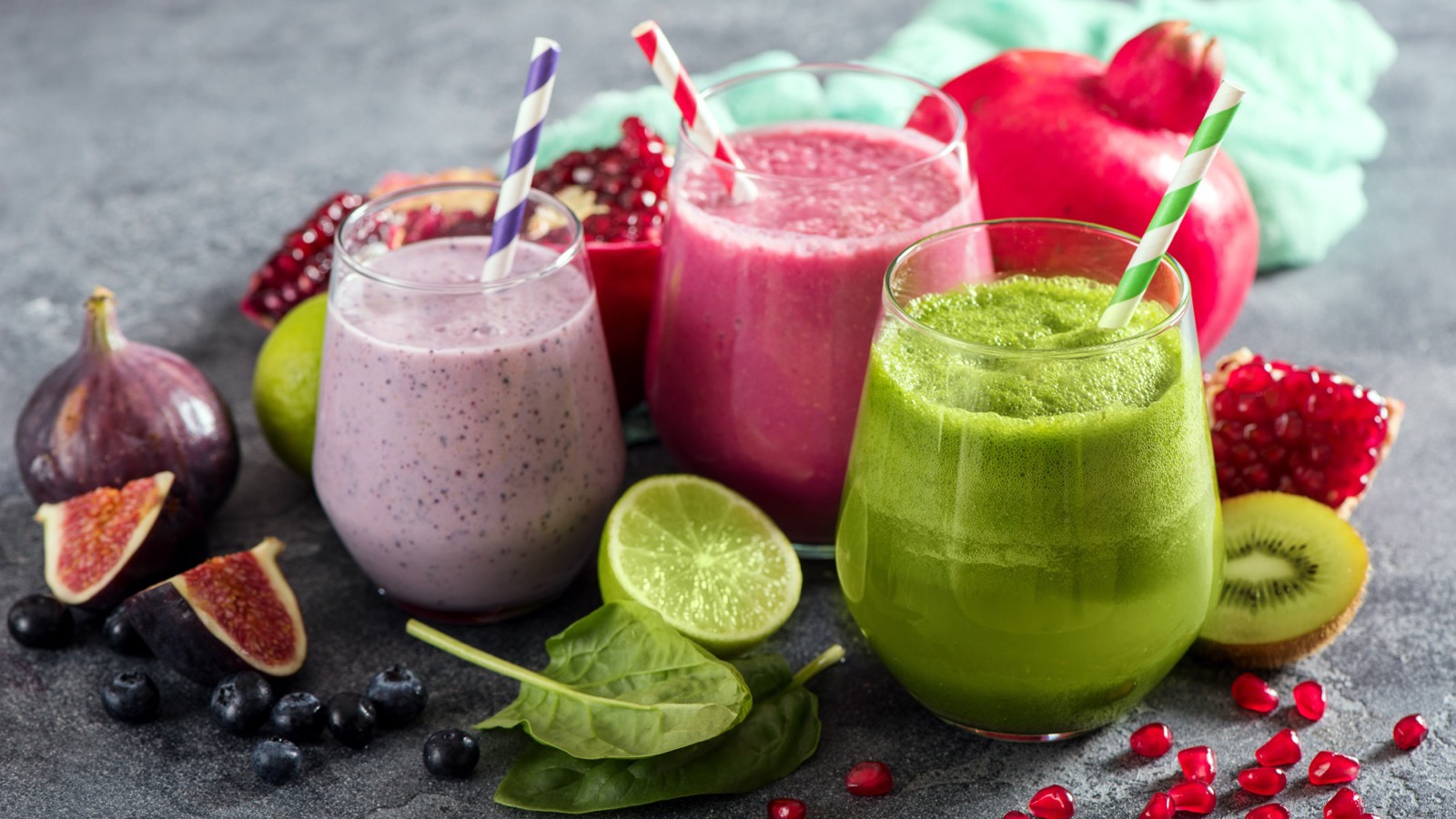
Smoothies have a healthy reputation, and they can live up to it. A good one is a fast way to get fruit, vegetables and protein into a single glass. But a lot of smoothies, especially shop-bought ones, are closer to a milkshake than a meal: big, sweet and gone from your system in an hour.
"Smoothie recipes" is one of the most searched health topics on Pinterest this month. So here's how to make one that actually keeps you going, plus six recipes to try.
The problem with most smoothies
When fruit is blended, it's still fruit, with its fibre intact. That's a big step up from juice. But it's easy to overdo it. Three or four portions of fruit, a glass of juice as the liquid, a squeeze of honey, and suddenly your "healthy" drink has more sugar than a can of fizzy drink.
The World Health Organization counts the sugars in fruit juices as "free sugars", the kind it recommends keeping low. The American Heart Association suggests most women keep added sugars to about 25 grams a day and most men to about 36 grams. A large café smoothie can come close to that on its own.
The fix isn't to give up smoothies. It's to build them with balance.
The balanced smoothie formula
Use this as your template for one large glass:
- 1 cup liquid: milk, soy milk, unsweetened almond or oat milk, or water. Skip the juice.
- 1 cup fruit: fresh or frozen. Frozen fruit makes it thick and cold without ice.
- 1 handful of greens: spinach is the easiest because you can't taste it.
- 1 protein: Greek yogurt, a spoon of nut butter, silken tofu or a scoop of protein powder.
- 1 extra for fibre or fat: chia seeds, ground flaxseed, oats or half an avocado.
Protein and fibre are what turn a smoothie from a sugary snack into something that holds you until your next meal.
6 smoothie recipes to try
1. Berry and Greek yogurt. 1 cup frozen mixed berries, half a cup of plain Greek yogurt, 1 cup milk, 1 tablespoon chia seeds. Tangy, thick and high in protein.
2. Green smoothie that doesn't taste green. 1 frozen banana, 1 big handful of spinach, 1 tablespoon peanut butter, 1 cup milk, a pinch of cinnamon. The banana and peanut butter cover the spinach completely.
3. Peanut butter oat breakfast smoothie. Half a frozen banana, 2 tablespoons oats, 1 tablespoon peanut butter, half a cup of Greek yogurt, 1 cup milk. This one is filling enough to replace breakfast on a busy morning.
4. Tropical mango. 1 cup frozen mango, half a cup of Greek yogurt, 1 cup unsweetened coconut or almond milk, a squeeze of lime and a handful of spinach.
5. Chocolate cherry. 1 cup frozen cherries, 1 tablespoon unsweetened cocoa powder, half a cup of silken tofu or Greek yogurt, 1 cup milk. It tastes like dessert with far less sugar.
6. Warming ginger and pear. 1 ripe pear, a small piece of fresh ginger, half a cup of Greek yogurt, 1 cup milk, a pinch of cinnamon and a handful of oats. A good choice for colder months, when "warming" drinks like the Starbucks Medicine Ball tea are trending.
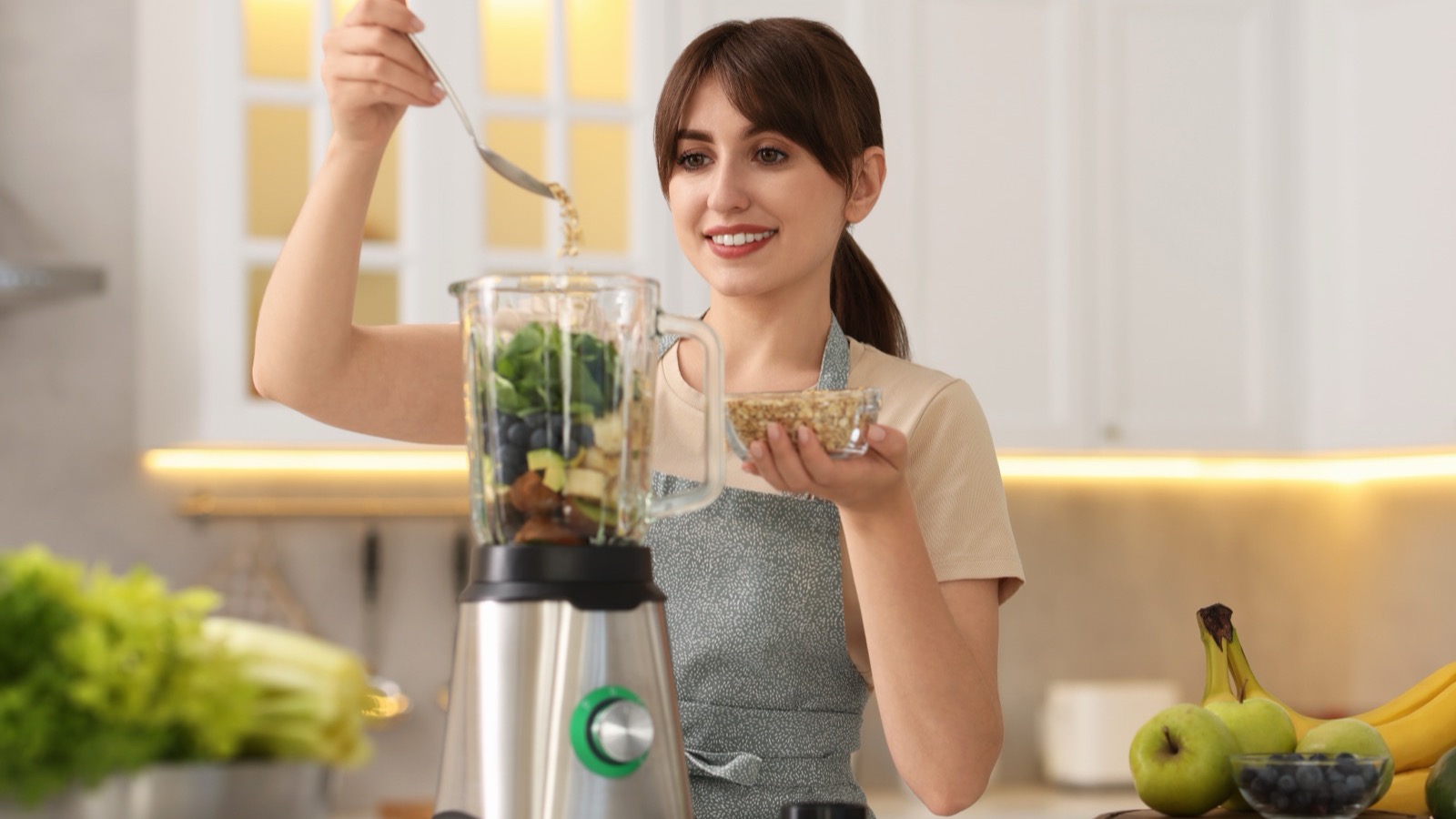
Common smoothie mistakes
- Using juice as the base. It adds sugar and no fibre. Use milk or water instead.
- Too much fruit. Stick to about one cup per glass.
- Adding sweeteners. Ripe or frozen banana, mango and dates sweeten naturally. You rarely need honey or syrup.
- Forgetting protein. Without it, you'll be hungry again soon.
- Drinking it in thirty seconds. Sip it slowly, or eat it from a bowl with a spoon. It feels more like a meal that way.
Prep tips for busy mornings
Make freezer packs on the weekend. Put the fruit, greens, oats and seeds for one smoothie into a freezer bag, and make five at once. In the morning, tip a bag into the blender, add your milk and yogurt, and blend. It takes under two minutes.
Smoothies are best drunk fresh, but you can keep one in a sealed jar in the fridge for up to 24 hours. Give it a shake before drinking, because it will separate.
Are smoothies better than eating whole fruit?
Not really. Whole fruit takes longer to eat and tends to feel more filling. Smoothies are a convenient extra, not a replacement. The US Dietary Guidelines recommend most adults aim for around 2 cups of fruit and 2 to 3 cups of vegetables a day, and a balanced smoothie can help you get there, especially if you add greens. Just keep eating whole fruit and vegetables too.
If you like the idea of quick, filling breakfasts, our list of 7 high-protein breakfast ideas has more options, and our guide to the benefits of Greek yogurt explains why it's such a useful smoothie base.
The bottom line
A smoothie can be one of the healthiest things you have all day, or one of the sweetest. Use milk instead of juice, one cup of fruit, a handful of greens, and always add protein and fibre. Do that, and your smoothie will keep you full instead of leaving you crashing before lunch.
Sources
- Added sugars (American Heart Association)
- Healthy diet fact sheet (World Health Organization)
- Dietary Guidelines for Americans, 2020–2025 (US Department of Agriculture and US Department of Health and Human Services)
- Vegetables and fruits (Harvard T.H. Chan School of Public Health, The Nutrition Source)
Stop Buying These 10 Foods (and what I buy instead to live longer)
10 simple swaps, a printable grocery list and a 7-day starter plan. Plus one practical health tip from me each week.
Sent! Check your inbox. Your guide is in an email from Jude at Health Makes You.
Not there in a minute? Check your Promotions or spam folder, and move it to your main inbox so you get my weekly tips.
No spam. Unsubscribe any time.

Written by
Jude Uchella
Jude is the founder of Health Makes You, a YouTube channel about the everyday choices that decide how long and how well you live. He turns real research into clear, practical steps anyone can start today.