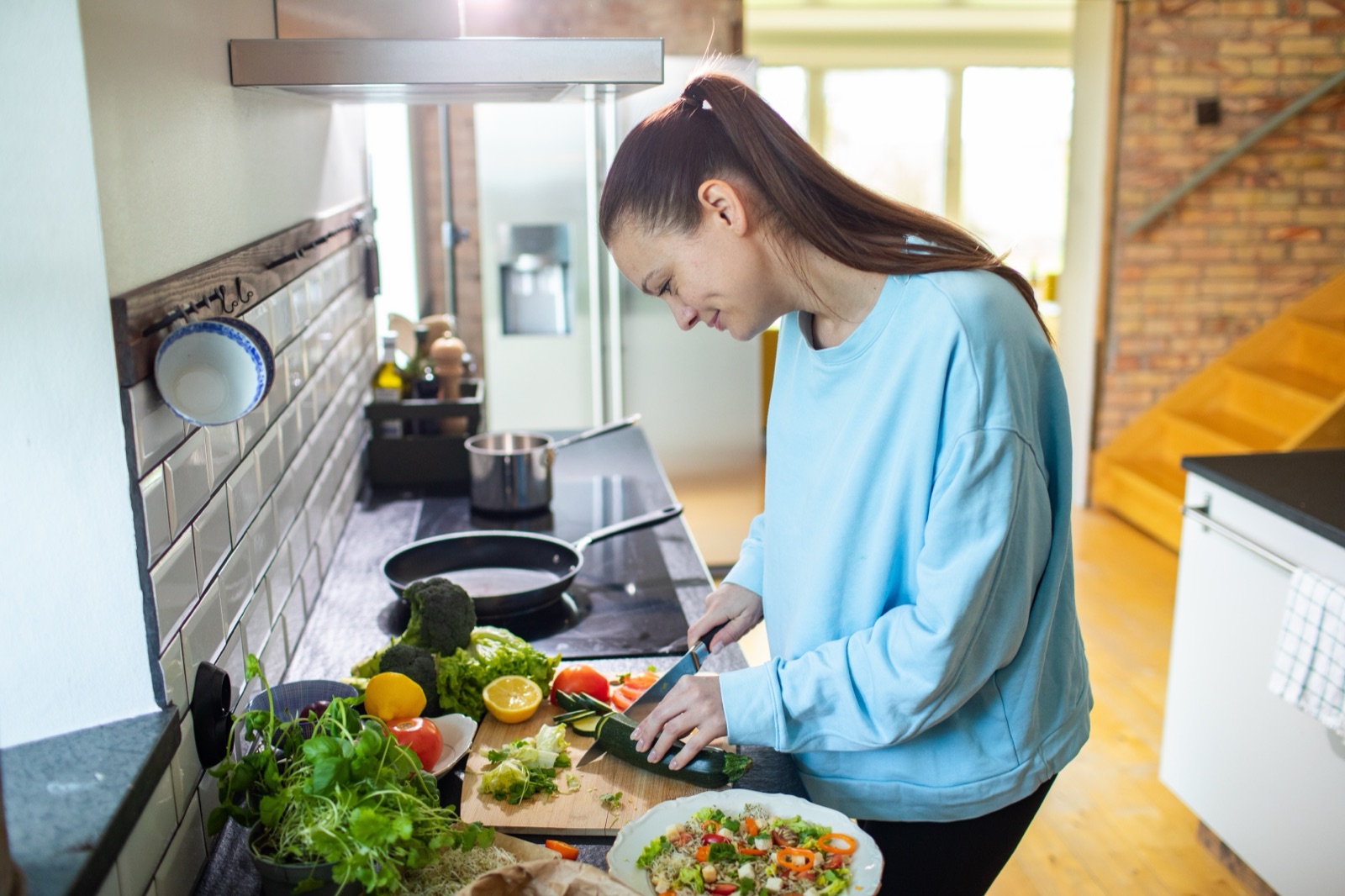
7 Thanksgiving vegetable sides people actually go back for
Seven simple Thanksgiving vegetable sides, from maple-roasted sweet potatoes to crispy Brussels sprouts, plus a make-ahead timeline and the leftovers rule worth knowing.

Thanksgiving is a day for comfort food, and nobody should feel guilty about a scoop of stuffing or a slice of pie. But if you look at a typical holiday plate, most of it is beige: turkey, mashed potatoes, rolls, stuffing and gravy. The vegetables, when they show up at all, are often a green bean casserole buried under cream soup and fried onions.
The easy fix is not to take anything away. It's to add a few vegetable sides that are so good people actually go back for seconds. That way the plate gets more colour, more fibre and more balance, and the meal still feels like a feast.
Here are seven simple dishes that do exactly that, with a timeline to make the day calmer and a few notes on keeping leftovers safe.
Why the vegetable sides matter
Most of us don't eat enough vegetables on a normal day, let alone a holiday. Harvard's Nutrition Source suggests filling about half of your plate with vegetables and fruit at most meals. On Thanksgiving that might be ambitious, but even getting to a third of the plate makes a real difference to how you feel afterwards.
Vegetables bring fibre, which helps you feel full sooner and slows the meal down a little. Harvard notes that adults need at least 25 to 35 grams of fibre a day, while most Americans get only about 15. A heaping serving of roasted sprouts, carrots or squash on the holiday plate is an easy way to close some of that gap.
There's also a practical reason. When the table has three or four bright, tasty vegetable dishes, people naturally take smaller portions of the heavier sides, without anyone having to say a word.
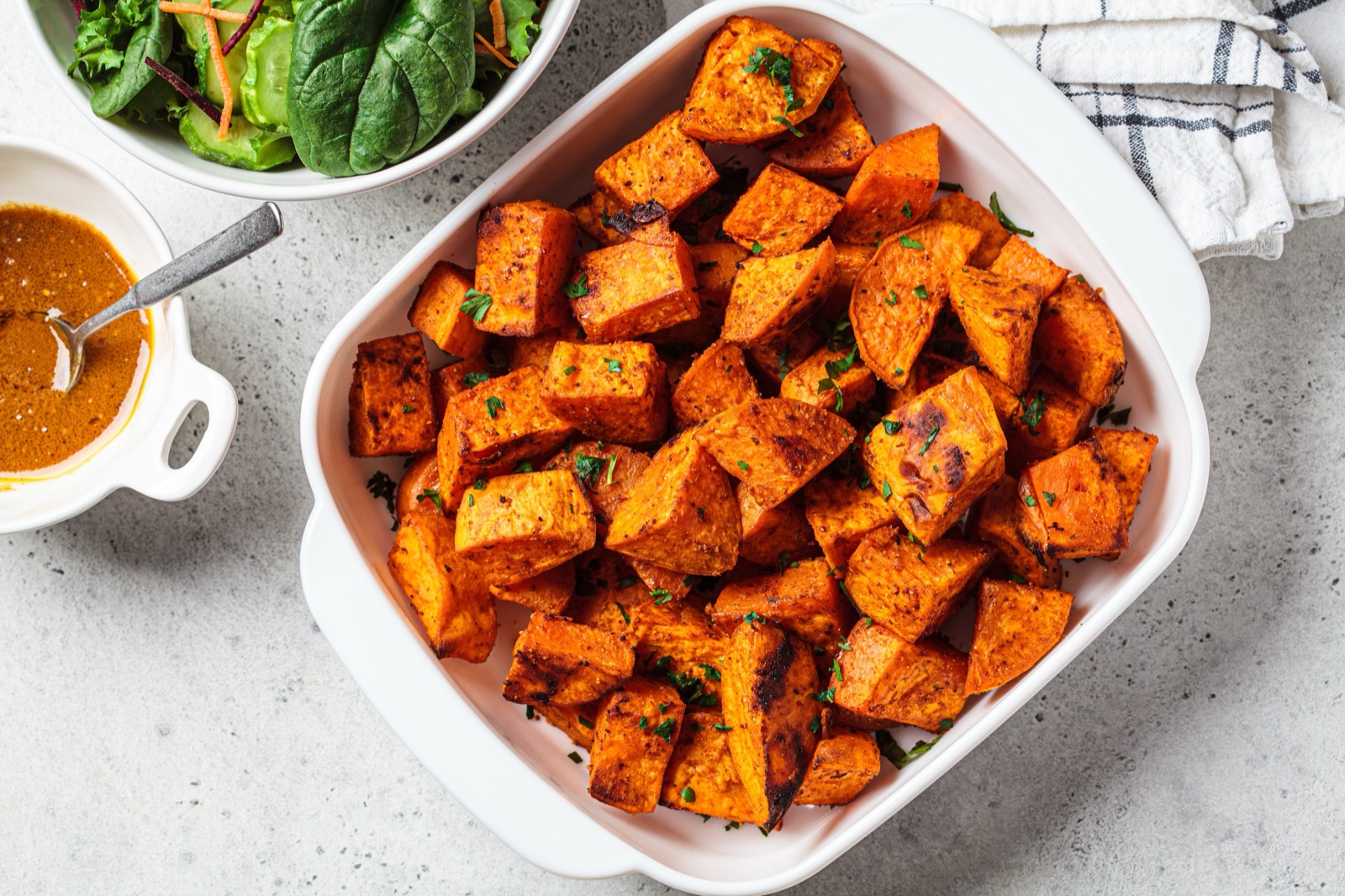
1. Maple-roasted sweet potatoes
Cut two or three sweet potatoes into cubes, toss them with olive oil, salt, pepper and a little cinnamon, then roast at 425°F (220°C) for 25 to 30 minutes until the edges caramelise. Drizzle with one tablespoon of maple syrup in the last five minutes. That small amount gives you the sweet, festive flavour of a marshmallow casserole with a fraction of the added sugar. Sweet potatoes also bring vitamin A and fibre to the table.
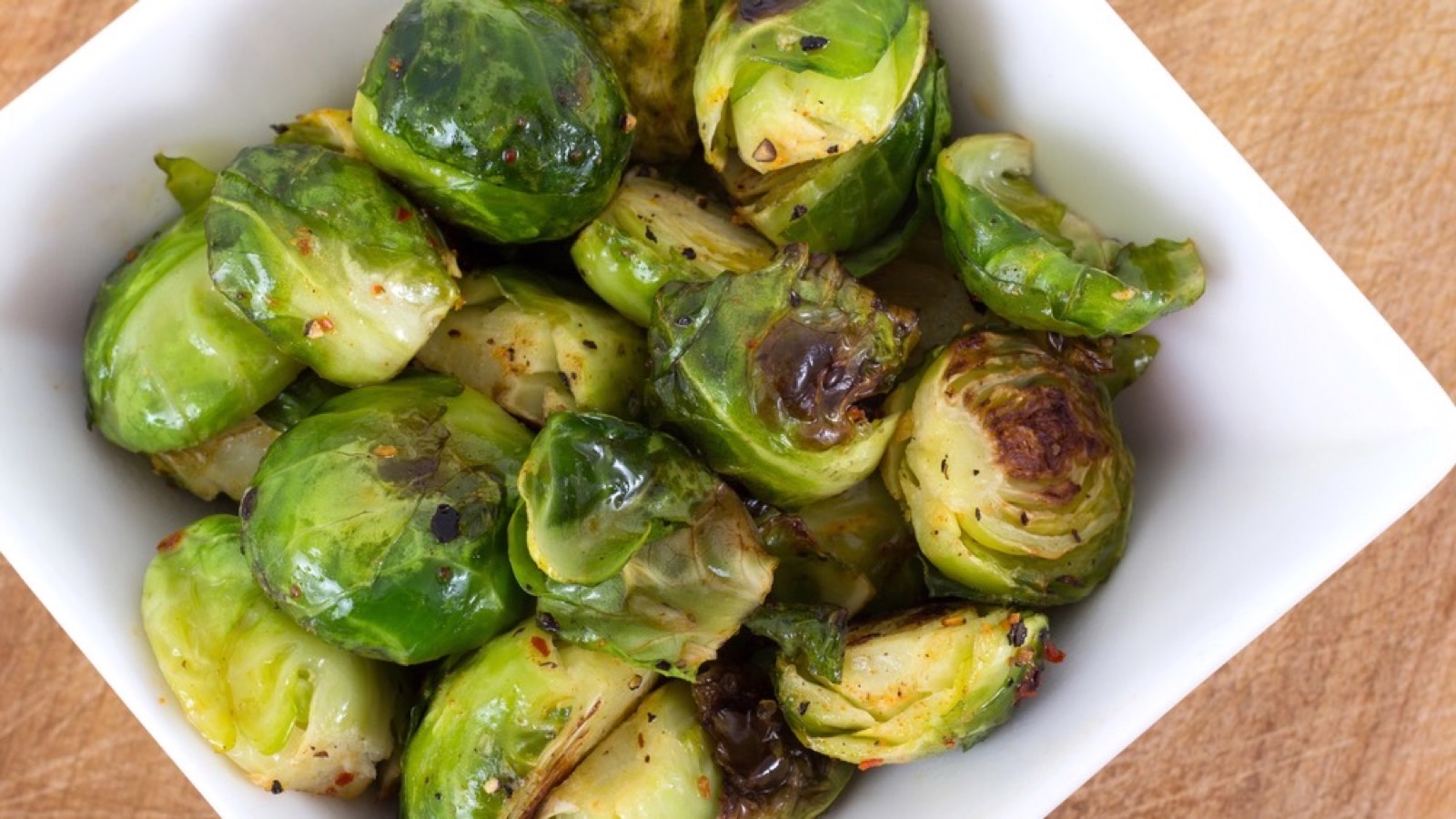
2. Crispy roasted Brussels sprouts
Brussels sprouts have a bad reputation because so many of us grew up eating them boiled. Roasting changes everything. Halve them, toss with olive oil and salt, and roast cut side down at 425°F for about 20 minutes until the outsides are dark and crisp. Finish with a squeeze of lemon and a handful of toasted pecans or a few dried cranberries.
3. Fresh green beans with garlic and almonds
This is the lighter cousin of the classic casserole. Blanch trimmed green beans in salted boiling water for three to four minutes, then drain. Just before serving, warm them in a pan with olive oil, sliced garlic and toasted flaked almonds. They stay bright green and snappy, and you can blanch them the day before.
4. Honey-glazed carrots with thyme
Peel and slice carrots on the diagonal, then roast or simmer them until just tender. Toss with a teaspoon of honey, a small knob of butter or a splash of olive oil, fresh thyme and black pepper. Carrots are cheap, kids usually like them, and they add a beautiful orange colour to the plate.
5. Mashed cauliflower and potato
If mashed potatoes are non-negotiable in your house, keep them, but try a half-and-half version. Boil equal amounts of potatoes and cauliflower florets together until soft, then mash with warm milk, a little butter, roasted garlic and salt. Most people can't tell the difference, and you get a creamy mash with more vegetables in every spoonful.
6. Kale and apple salad with cranberries
A crunchy salad cuts through all the rich food. Massage chopped kale with a pinch of salt and a little olive oil for a minute until it softens. Add thinly sliced apple, dried cranberries, toasted pumpkin seeds and a simple dressing of apple cider vinegar, olive oil, Dijon mustard and a little honey. You can dress it an hour ahead because kale holds up well.
7. Slow cooker butternut squash with sage
Your oven is precious real estate on Thanksgiving, so let the slow cooker do some of the work. Add cubed butternut squash, a sliced onion, a few sage leaves, a splash of stock, salt and pepper, and cook on low for about four hours. Mash it lightly or serve it in chunks, topped with a spoonful of Greek yogurt and a sprinkle of nutmeg.
A simple make-ahead timeline
The secret to a relaxed Thanksgiving is doing the boring jobs early.
Two days before: Do all the washing, peeling and chopping. Cube the sweet potatoes and squash, trim the sprouts and green beans, peel the carrots, and store everything in labelled containers or bags in the fridge. Make the salad dressing and toast the nuts and seeds.
The day before: Blanch the green beans, cool them in cold water, and refrigerate. Make the cauliflower and potato mash and keep it covered in the fridge. You'll reheat it gently with a splash of milk.
Thanksgiving morning: Start the slow cooker squash. Massage the kale.
While the turkey rests: The turkey needs 20 to 30 minutes out of the oven, which frees it up for the roasted sides. Roast the sweet potatoes, sprouts and carrots on separate trays at the same time, swapping the trays halfway through. Warm the green beans in a pan and reheat the mash.
Building a balanced holiday plate
You don't need to measure anything. A simple way to look at it: fill about half of your first plate with the vegetable sides, a quarter with turkey, and the last quarter with your favourite starchy dishes, whether that's stuffing, mash or a roll. Then enjoy dessert without any fuss. A single big day of eating doesn't undo your habits. What you do on the other 364 days matters far more.
If you're cooking for someone who keeps an eye on their blood sugar, putting vegetables first on the plate is helpful too. Our video on eating your food in the right order explains why the order can matter.
Keep the leftovers safe
The USDA Food Safety and Inspection Service says leftovers should go into the fridge within two hours of cooking. Divide big batches into shallow containers so they cool quickly. Refrigerated leftovers keep for three to four days, and frozen leftovers keep for three to four months for the best quality. Roasted vegetables reheat well in a hot oven or air fryer, and they're great folded into an omelette or a grain bowl on Friday.
The bottom line
A lighter Thanksgiving isn't about skipping the foods you love. It's about adding a few colourful vegetable sides that are easy, make-ahead friendly and genuinely delicious. Pick two or three of these seven, prep them early, and let them share the table with the classics.
Sources
- Vegetables and fruits (Harvard T.H. Chan School of Public Health, The Nutrition Source)
- Fiber (Harvard T.H. Chan School of Public Health, The Nutrition Source)
- Sweet potatoes (Harvard T.H. Chan School of Public Health, The Nutrition Source)
- Leftovers and food safety (USDA Food Safety and Inspection Service)

Written by
Jude Uchella
Jude is the founder of Health Makes You, a YouTube channel about the everyday choices that decide how long and how well you live. He turns real research into clear, practical steps anyone can start today.