
Exercise is a means to improve physical appearance, but its benefits extend far beyond that. It’s a holistic approach to wellness, offering numerous physical, mental, and emotional benefits that enhance overall quality of life.
Improved Cardiovascular Health

Regular exercise promotes improved cardiovascular health by strengthening the heart muscle, decreasing the risk of heart disease, and lowering blood pressure. It enhances the heart’s ability to pump blood more efficiently throughout the body, ensuring that all the vital organs receive the oxygen and nutrients they need.
Stronger Muscles and Bones

Regular exercise is crucial in building and preserving strong muscles and bones. Exercise mitigates the risk of osteoporosis and other bone-related conditions by stimulating the production of new muscle tissue, enhancing bone density, and promoting vitality.
Boosted Immune System

Physical activity strengthens the immune system by increasing white blood cell circulation, which helps fight off bacteria and viruses more effectively. It also prevents the risk of chronic diseases like diabetes, obesity, and some types of cancer.
Improved Mental Health

Regular exercise remarkably impacts mood, acting as a natural mood enhancer by releasing endorphins that foster happiness and relaxation. It effectively diminishes stress and anxiety levels, enhances cognitive function, and can aid in managing symptoms of depression.
Increased Energy Levels

Exerting physical effort prompts the body to produce more energy to meet the increased demand. This process triggers enhanced metabolic function, where calories are burned to produce energy, leading to a noticeable surge in energy levels.
Better Sleep

Engaging in physical activity during the day can improve sleep quality by helping to regulate the body’s internal clock, known as the circadian rhythm. Also, it reduces stress, which can be a significant factor in sleep disturbances.
Longevity

One of the most profound benefits of regular exercise is its potential to add years to your life. Physical activity contributes to longevity by preventing chronic diseases. It helps preserve bone density, muscle strength, and cognitive function, improving the quality of those added years.
Improved Brain Function
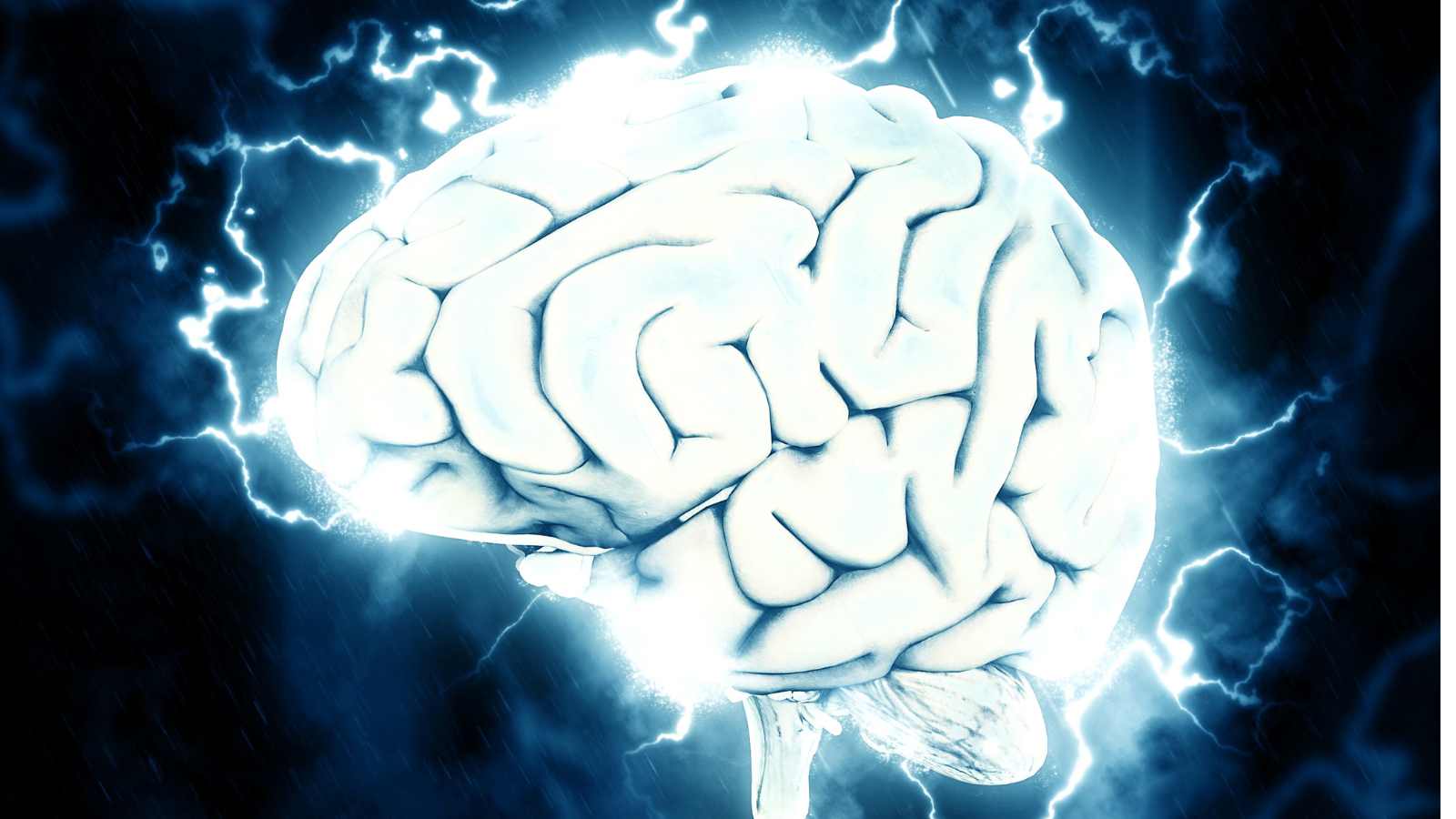
Physical exercise stimulates the production of brain-derived neurotrophic factor (BDNF), a substance that supports the growth and development of new neurons in the brain. As a result, it can lead to enhanced memory, concentration, and overall cognitive function.
Reduced Risk of Falls

Regular exercise reduces the risk of falls, particularly among older adults, by improving balance and coordination, strengthening muscles, and increasing flexibility.
Strength training exercises improve muscle tone and power, providing better support for the body, while flexibility exercises keep joints limber, allowing for smoother and safer movement.
Improved Social Connections

Joining a fitness class or participating in group exercises can provide opportunities to make new friends and strengthen existing relationships. The sense of community and social support that comes with exercising together can boost mental and emotional well-being.
Increased Self-Confidence

Regular physical activity can improve self-esteem and confidence by fostering a positive body image and a sense of accomplishment. Exercise also releases endorphins, which can elevate mood and boost feelings of self-worth.
Stress Relief

Physical activity can be a great way to relieve stress. It helps release built-up tension in the body and promotes relaxation by producing endorphins. Regular exercise can also be a healthy outlet for emotions, reducing the risk of emotional eating or other harmful coping mechanisms.
Improved Posture

Sitting at a desk for prolonged periods can negatively affect posture, leading to back pain and other musculoskeletal issues. Regular exercise, particularly core-strengthening exercises like Pilates or yoga, can improve posture by strengthening the muscles that support the spine.
Increased Productivity

Regular exercise positively impacts productivity and efficiency by revitalizing the body and mind, improving focus and concentration, and reducing stress. It enhances physical health and cognitive abilities, enabling you to perform at your best and achieve your goals.
Reduced Healthcare Costs

Regular exercise can save healthcare costs in the long run by reducing the risk of chronic diseases and improving overall health. It also promotes better mental health, reducing the need for medical treatment for conditions like depression and anxiety.
More From Health Makes You

Hearing loss is a serious condition that can significantly impact one’s quality of life. Unfortunately, many people are unaware of the common bad habits which can lead to hearing loss. Here are 14 bad habits that could make you deaf if left unchecked.
14 Bad Habits That Could Make You Deaf
10 “Good” Habits That Are Actually Bad for You

Some healthy activities may seem like good ideas, but they are actually bad for your health. It sounds counterintuitive, but these habits can put your body at risk. Here are ten good habits that can have negative consequences if practiced too often or intensely.
10 “Good” Habits That Are Actually Bad for You
Want to Live a Long Life? Don’t Do These 20 Things

Do you want to live a long and healthy life? Then you should avoid doing certain things. Research shows that some habits, behaviors, and activities can harm your health. Here are the top 20 worst things you can do for your health.
Want to Live a Long Life? DON’T DO These 20 Things
The 30 Worst Foods to Eat After Age 30

Eating healthily is vital at all times, but after 30, consuming certain foods can harm more than help. By avoiding these food items when you reach your thirties, you can promote lasting health and happiness for years.
The 30 Worst Foods to Eat After Age 30
20 Bad Habits That Could Make You Blind

Staring at a screen (phone, laptop) has become a common habit that seems harmless, but over time it can cause severe damage to your eyes. That’s just one of the habits that can damage your eyesight. Here’s more:
20 Bad Habits That Could Make You Blind
This article was produced on Health Makes You.