
As you carefully choose foods for heart health, brain function, and gut wellness, it’s equally important to prioritize your lung health. Given the prevalence of respiratory illnesses, it’s now more crucial than ever to nourish your lungs with the essential nutrients they need to function at their best.
Apples

Apples are a remarkable food for your lungs due to their high concentrations of vitamins and antioxidants, including flavonoids C and E. These compounds help reduce lung inflammation and protect lung cells from damage caused by harmful free radicals.
Berries

Berries, especially blueberries and strawberries, are rich in vitamin C and anthocyanins, which have anti-inflammatory properties. These antioxidants fight damage from free radicals and boost the immune system, improving lung health. The high vitamin C content in berries also helps maintain airway health in the lungs.
Broccoli

Broccoli is a nutrient powerhouse, supporting lung health with antioxidants like sulforaphane. It has vitamin C and beta-carotene, maintains lung tissue integrity, and promotes respiratory health. It also helps neutralize toxins and enhance lung defense mechanisms.
Bell Peppers

Bell peppers are a colorful and tasty food that can boost lung health. They contain carotenoids, flavonoids, and vitamins C and E, essential for lung function. These antioxidants reduce oxidative stress in the lungs, fighting inflammation.
Turmeric
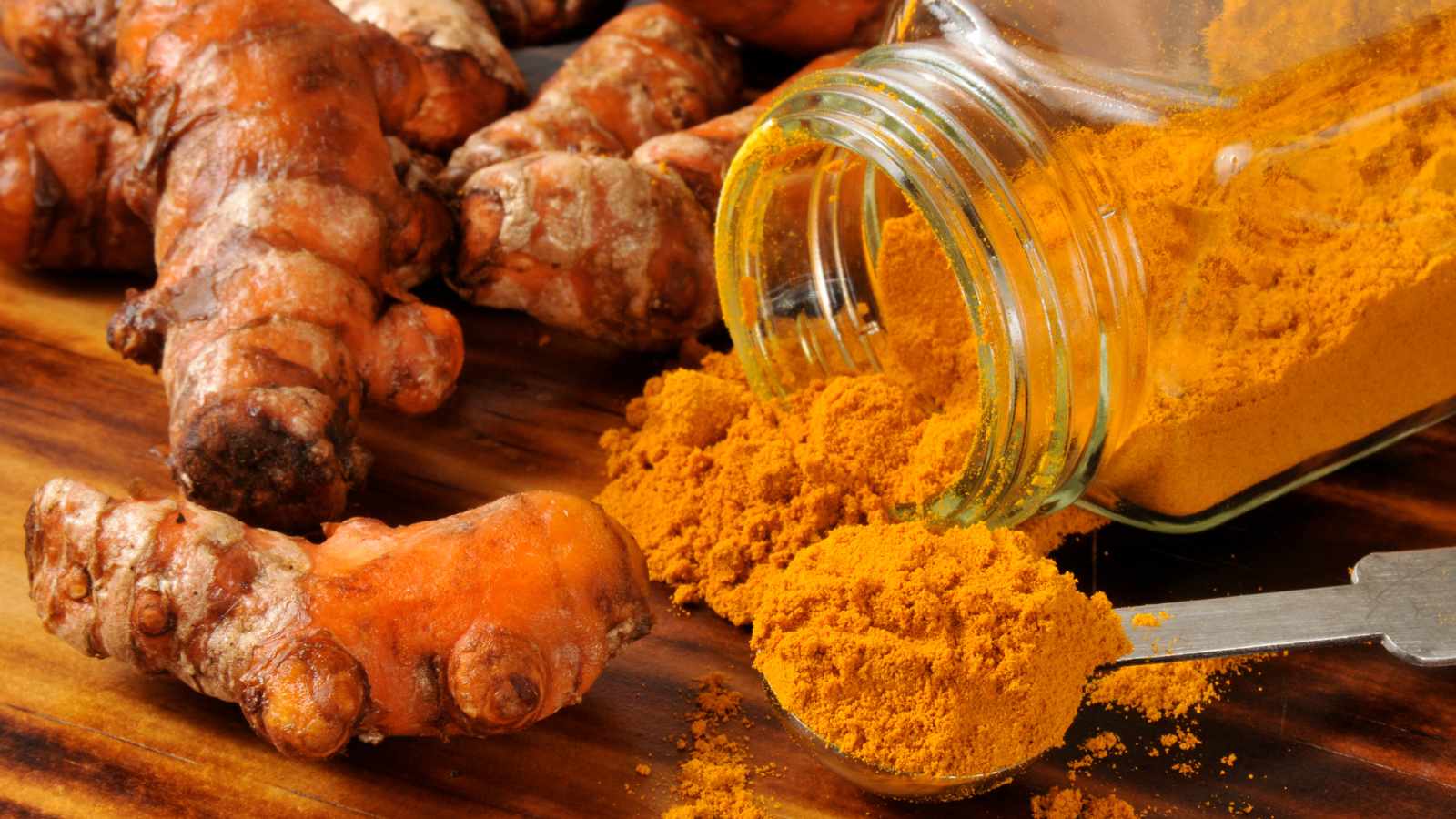
Turmeric contains a compound called curcumin, which gives it its anti-inflammatory properties. It’s beneficial for people with respiratory conditions like asthma and bronchitis, helping open airways. It also has antioxidant properties that protect the lungs from damage.
Avocados
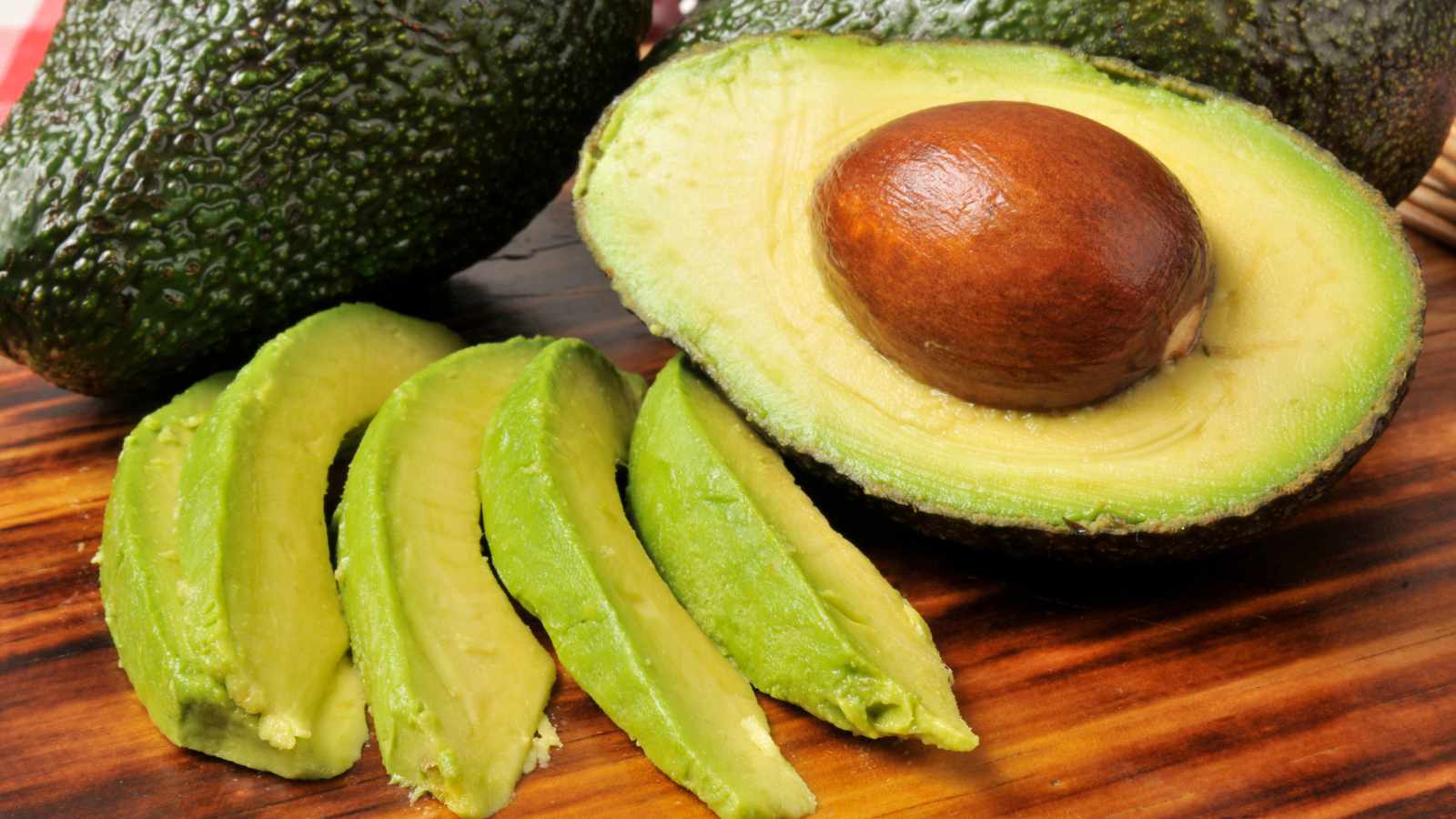
Avocados offer significant benefits to lung health thanks to their rich content of essential nutrients and antioxidants, such as vitamin E, vitamin K, monounsaturated fats, and glutathione.
These components help reduce inflammation, support blood clotting and healing, and protect lung cells from oxidative damage.
Garlic

Garlic contains a compound called allicin, which, when consumed, releases a substance known as sulfenic acid. This acid is a powerful antioxidant and anti-inflammatory agent, helping combat harmful free radicals.
It also exhibits potent antibacterial and antiviral properties, which can aid in preventing and fighting lung infections.
Carrots
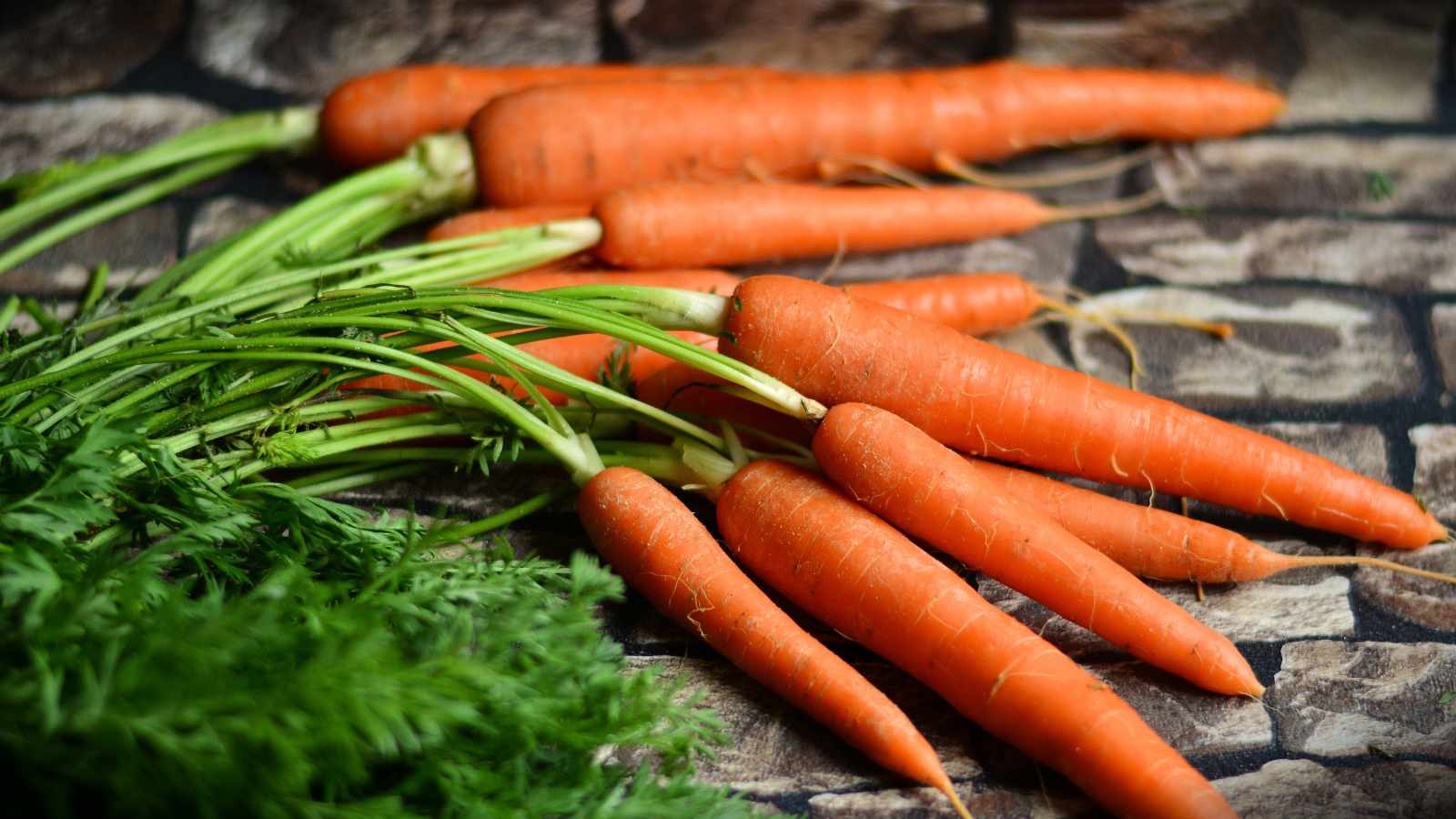
Carrots contain beta-carotene, a precursor to vitamin A that helps protect the lungs against oxidative damage and inflammation. This powerful antioxidant also improves lung function and reduces the risk of developing respiratory illnesses like asthma.
Spinach
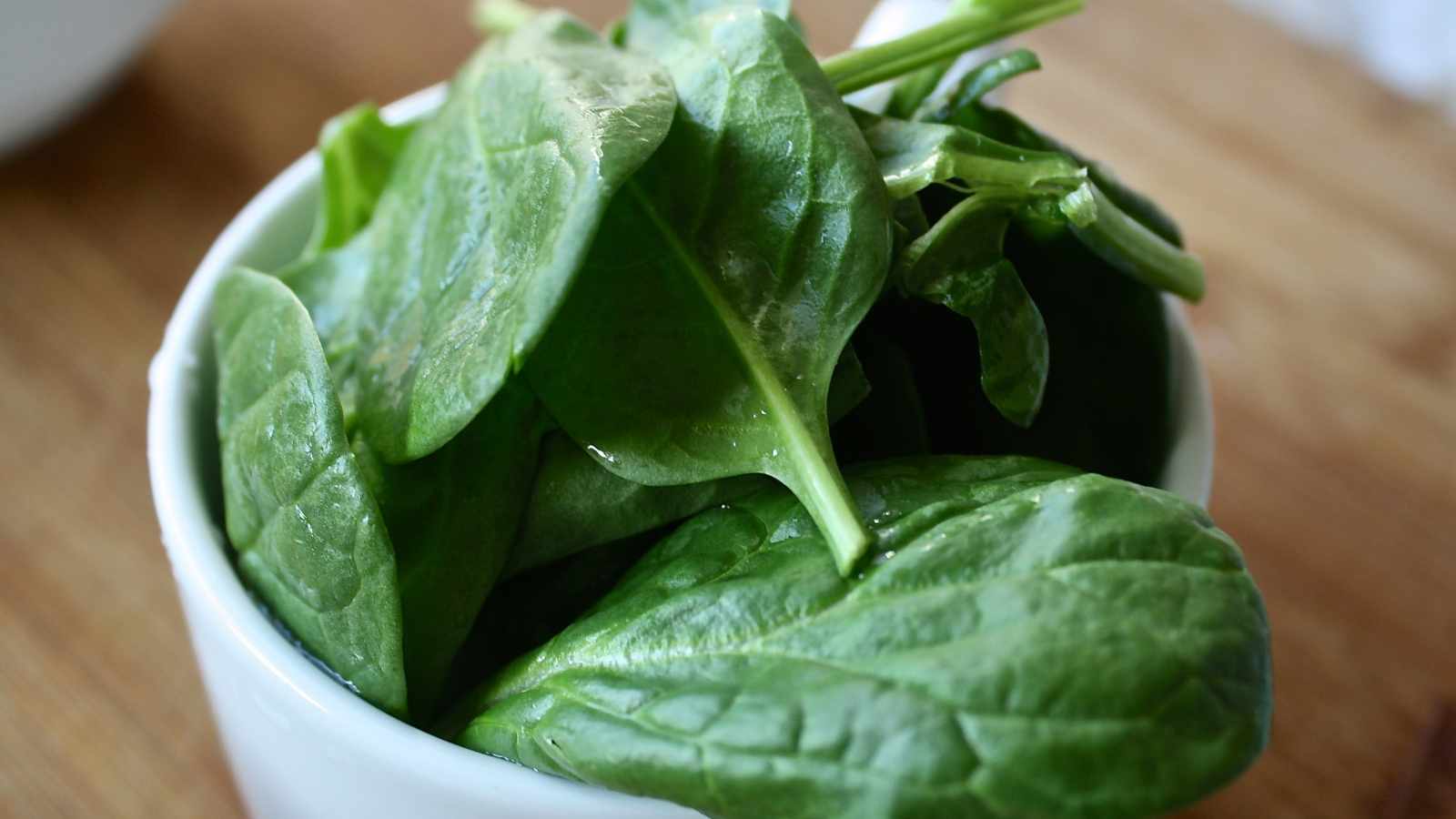
Spinach is packed with nutrients essential for lung health, including vitamins A, C, and E and folate. These compounds support the immune system, reduce inflammation, and protect lung cells from damage. It’s also rich in iron, which helps transport oxygen to the lungs and throughout the body.
Kale
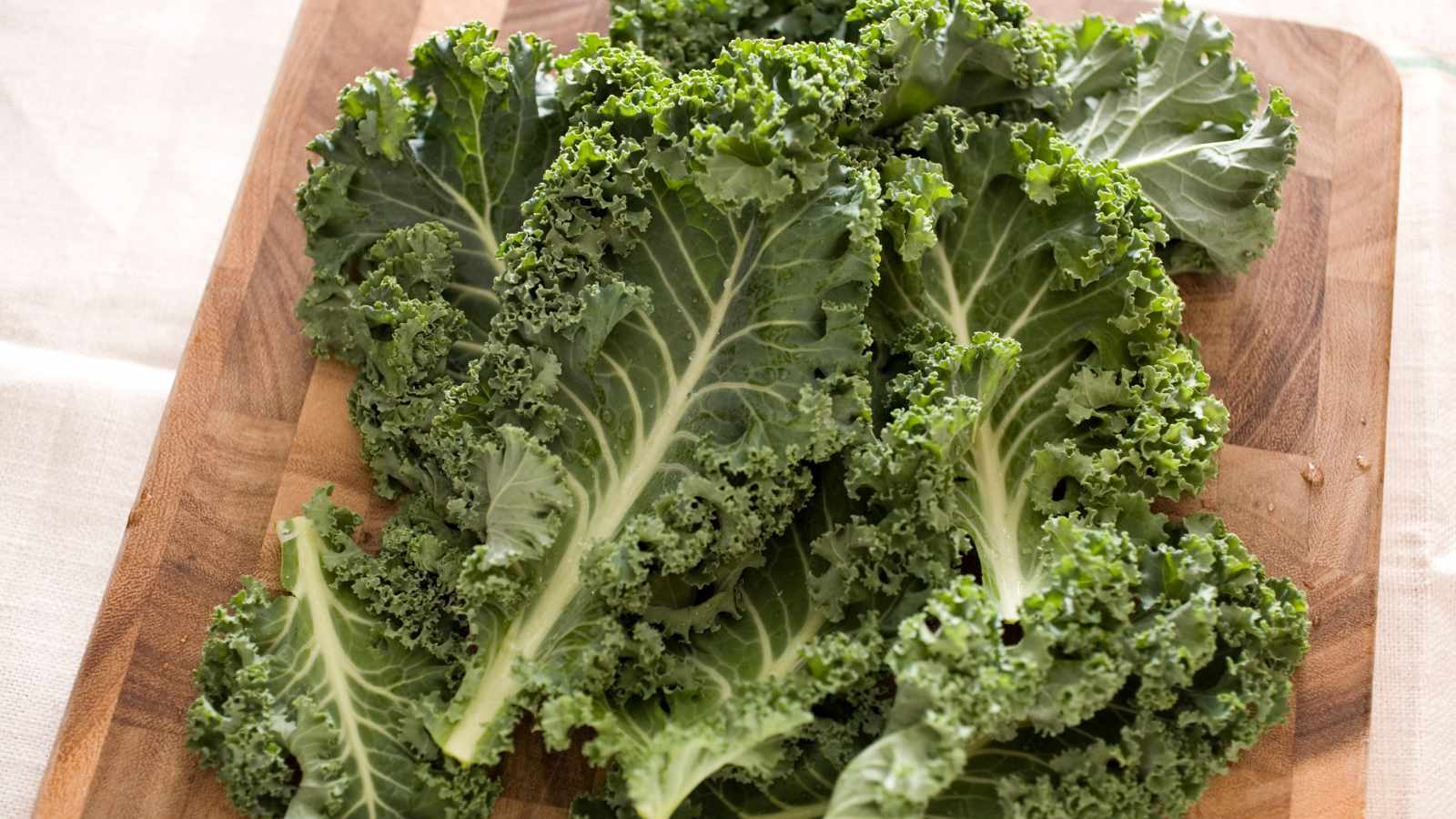
Kale is a nutrient-dense food that offers numerous benefits for lung health. It has high levels of vitamins A, C, and K, which help boost immunity and reduce lung inflammation. Iron and magnesium in kale also support oxygen transport to the lungs.
Sweet Potatoes

Sweet potatoes contain vitamin A, which helps maintain the health of the respiratory tract’s mucous membranes, acting as a first line of defense against infectious agents. They are also good sources of fiber, which assists in maintaining a healthy weight and reducing chronic obstructive pulmonary disease (COPD) and asthma risks.
Eggs

Eggs are a superb protein source, packed with essential vitamins and minerals, including lung-boosting vitamin D. This vital nutrient bolsters the immune system, lowering the risk of respiratory infections by stimulating the production of anti-inflammatory compounds.
Salmon

Salmon is a fatty fish packed with omega-3 fatty acids essential for supporting lung health. These healthy fats reduce inflammation, enhance lung function, and prevent asthma attacks. Salmon also provides a good dose of vitamin D, which boosts the immune system.
Walnuts
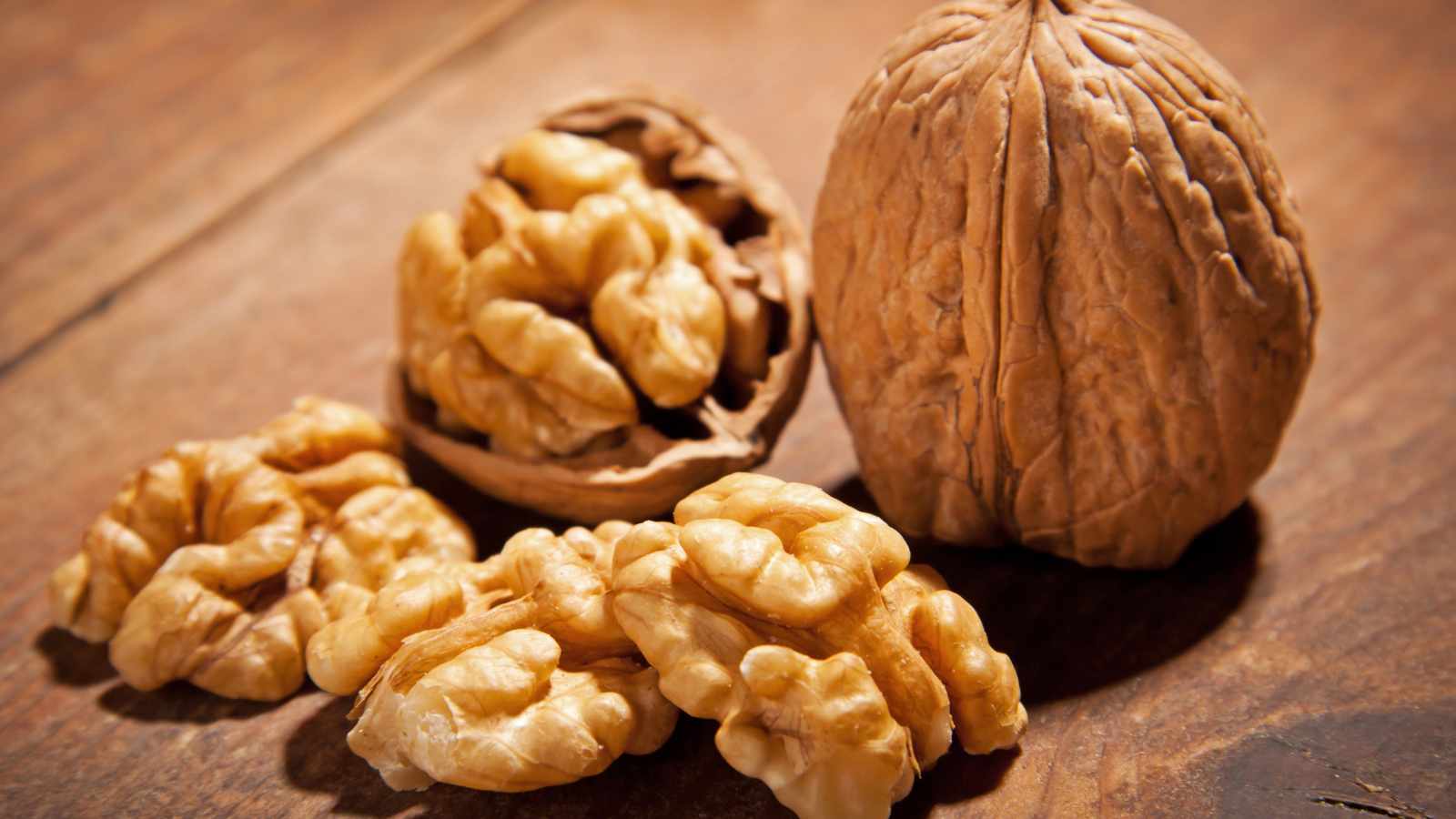
Walnuts contain essential nutrients like vitamin E, zinc, and omega-3 fatty acids that help protect lung cells from damage caused by oxidative stress. These properties also reduce inflammation in the airways and improve respiratory function.
Green Tea

Green tea contains epigallocatechin gallate (EGCG), which exhibits potent antioxidant and anti-inflammatory properties. It helps reduce lung inflammation, protecting against respiratory diseases. Green tea also contains theanine, an amino acid that promotes relaxation and reduces stress, which can benefit people with asthma.
Water

Staying well-hydrated improves lung health by keeping the mucosal linings in the lungs thin. This thinner lining helps the lungs function more efficiently. Adequate water intake also helps the lungs distribute oxygen throughout the body while collecting and eliminating carbon dioxide waste, a byproduct of metabolism.
More From Health Makes You

Hearing loss is a serious condition that can significantly impact one’s quality of life. Unfortunately, many people are unaware of the common bad habits which can lead to hearing loss. Here are 14 bad habits that could make you deaf if left unchecked.
14 Bad Habits That Could Make You Deaf
10 “Good” Habits That Are Actually Bad for You

Some healthy activities may seem like good ideas, but they are actually bad for your health. It sounds counterintuitive, but these habits can put your body at risk. Here are ten good habits that can have negative consequences if practiced too often or intensely.
10 “Good” Habits That Are Actually Bad for You
Want to Live a Long Life? Don’t Do These 20 Things

Do you want to live a long and healthy life? Then you should avoid doing certain things. Research shows that some habits, behaviors, and activities can harm your health. Here are the top 20 worst things you can do for your health.
Want to Live a Long Life? DON’T DO These 20 Things
The 30 Worst Foods to Eat After Age 30

Eating healthily is vital at all times, but after 30, consuming certain foods can harm more than help. By avoiding these food items when you reach your thirties, you can promote lasting health and happiness for years.
The 30 Worst Foods to Eat After Age 30
20 Bad Habits That Could Make You Blind

Staring at a screen (phone, laptop) has become a common habit that seems harmless, but over time it can cause severe damage to your eyes. That’s just one of the habits that can damage your eyesight. Here’s more:
20 Bad Habits That Could Make You Blind
This article was produced on Health Makes You.