
The 1970s introduced a wide range of foods that shaped kitchens, lunchboxes, and family dinners across the country. Some of these items came from convenience food trends, while others reflected pop culture and new technology. Many of them have since disappeared from shelves, leaving only memories for those who grew up in that era.
This article covers 15 foods from the ’70s that most millennials will never taste. You will learn what made these foods unique, how they were enjoyed, and why they faded away.
1. Fondue

Fondue was a social dish that turned eating into an experience. Families and friends gathered around a pot of melted cheese or chocolate and dipped bread, fruit, or vegetables into it. It required a special fondue set with skewers and a burner.
While fondue still exists in some restaurants, it no longer holds the central place it once had in home gatherings. Millennials may never know the novelty of passing skewers around a bubbling communal pot.
2. Space Food Sticks

Space food sticks were marketed as energy snacks linked to space exploration. Inspired by the fascination with NASA missions, these chewy bars promised futuristic nutrition. They came in flavors like chocolate, peanut butter, and caramel.
Though fun for kids at the time, they disappeared as tastes shifted to new snack bars and cereals. Their association with space made them memorable, but it was not enough to sustain them.
3. Pop Rocks
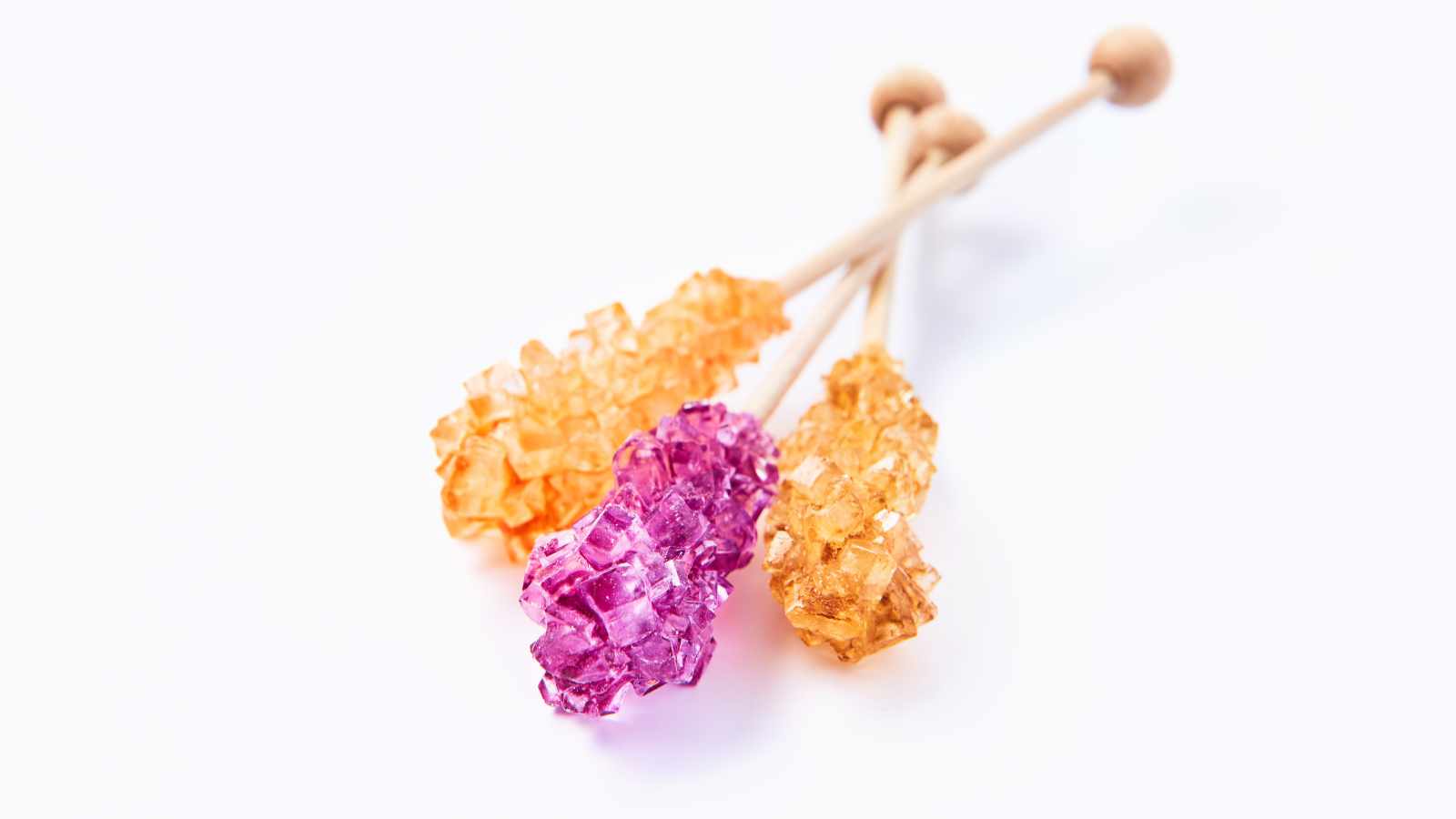
Pop Rocks were tiny candy crystals that fizzed and popped in your mouth. Kids loved the crackling sensation, which felt unlike any other candy. The product quickly became a playground favorite.
Despite its popularity, rumors about safety damaged its image. While some variations of popping candy still exist, the original Pop Rocks of the 1970s are not as easy to find today.
4. Tang

Tang was a powdered orange drink mix made famous by its link to astronauts. Parents mixed it with water to serve as a quick drink at breakfast or during snack time. It promised convenience and a taste that appealed to children.
Though Tang is still sold in some places, it no longer carries the same cultural weight. Millennials are less likely to have grown up with it as a kitchen staple.
5. Tab Soda
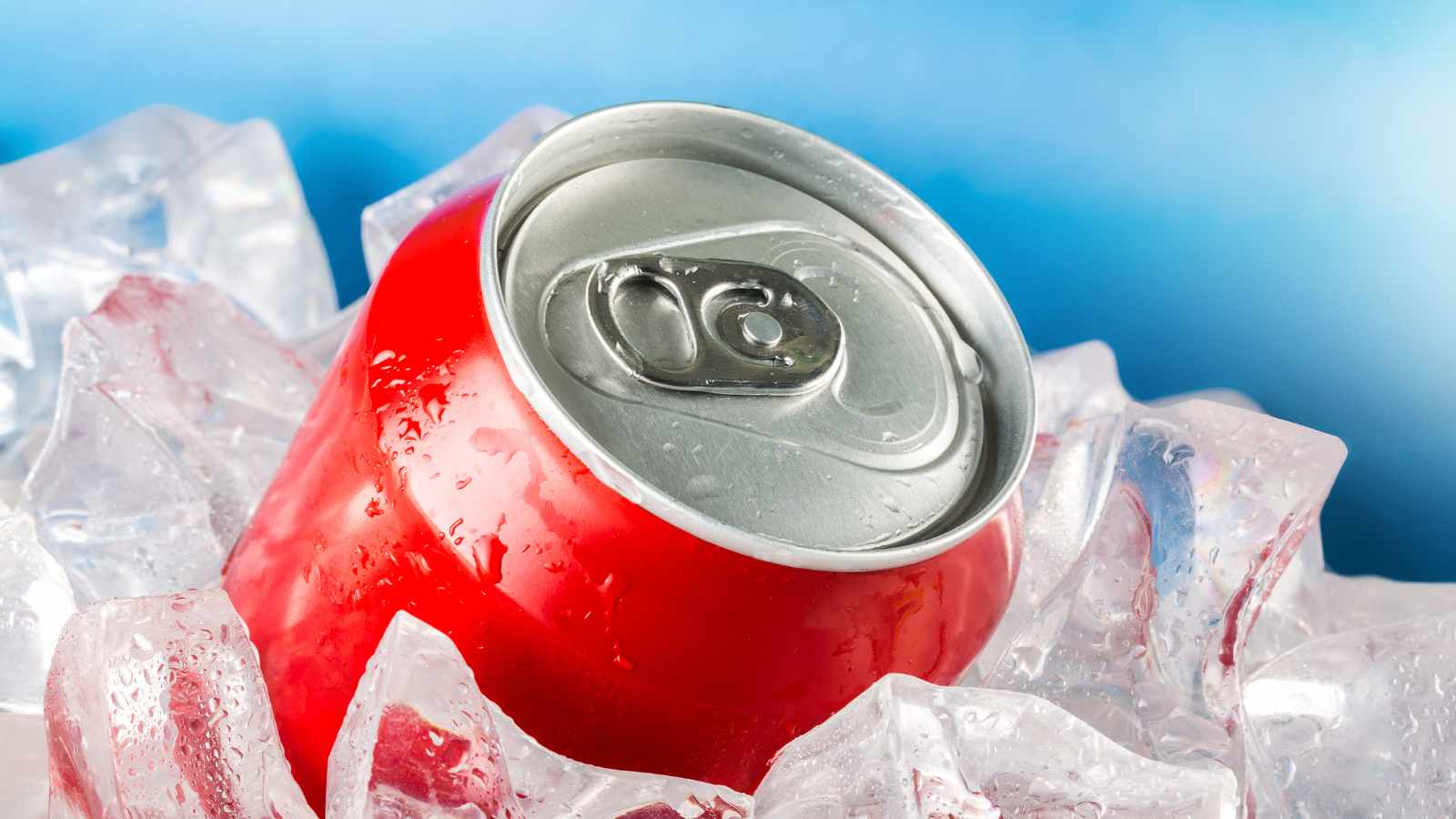
Tab was one of the first diet sodas and became a cultural icon in the ’70s. Known for its pink can and artificial sweetener taste, it attracted loyal fans. People chose it as a low-calorie alternative to regular cola.
Its decline came with the rise of Diet Coke in the 1980s. By 2020, Tab was officially discontinued, leaving only memories for those who once enjoyed it.
6. Astro Pops
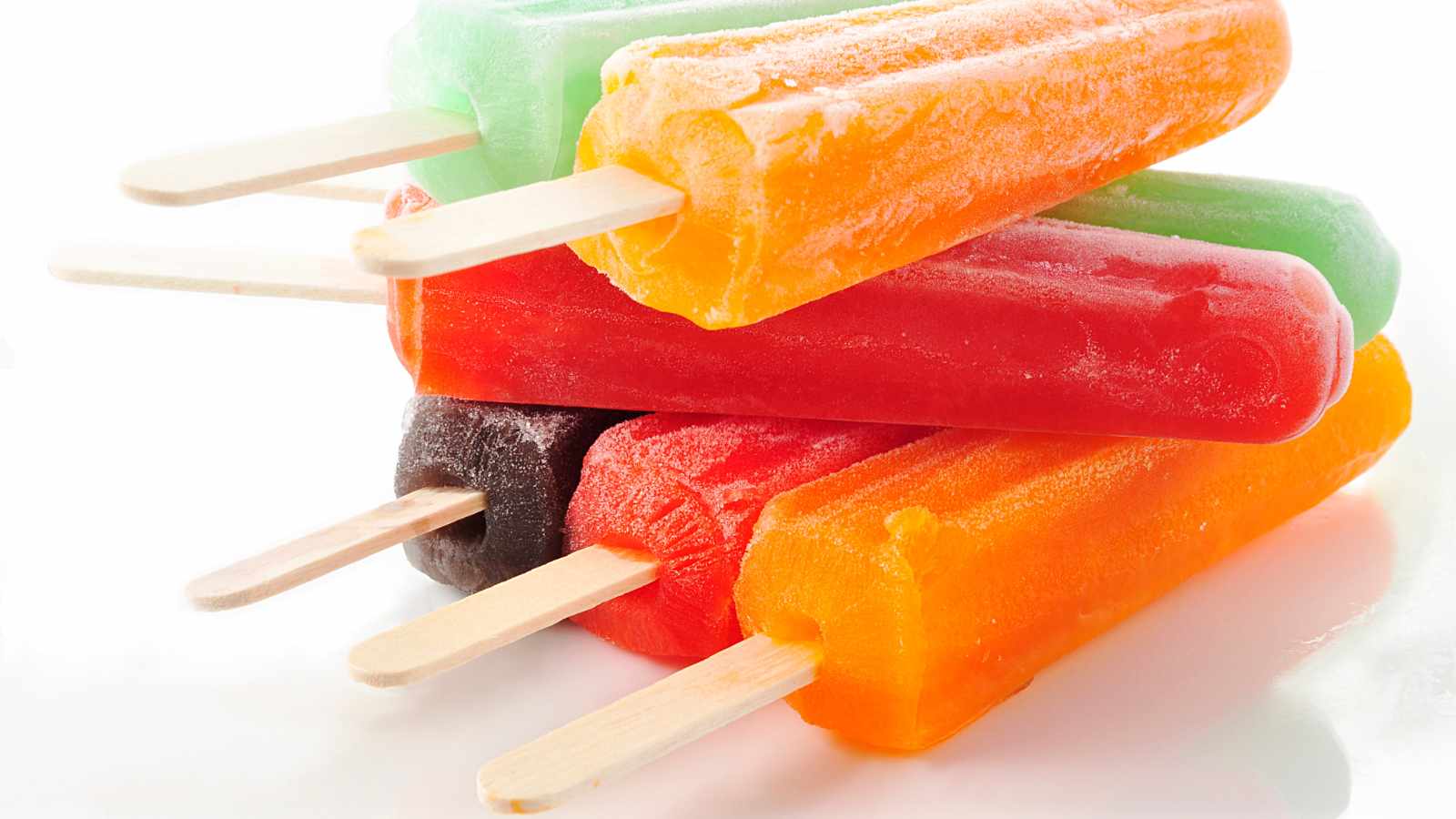
Astro Pops were lollipops shaped like colorful rockets. Their cone shape and layered colors made them stand out from other candies. Kids enjoyed them for their fun design as much as their taste.
Over time, the company changed hands, and Astro Pops faded from shelves. Their unique shape makes them hard to forget, even if millennials never had the chance to try them.
7. Rice-A-Roni

Rice-A-Roni, known as the “San Francisco Treat,” blended rice, pasta, and seasonings into a boxed side dish. Families loved it for its convenience and flavor. It is often accompanied by meat or chicken at dinner.
While some versions of Rice-A-Roni remain available today, the original flavors from the 1970s are no longer in circulation. The product has shifted, leaving behind the exact taste that once defined it.
8. Shrimp Wiggle
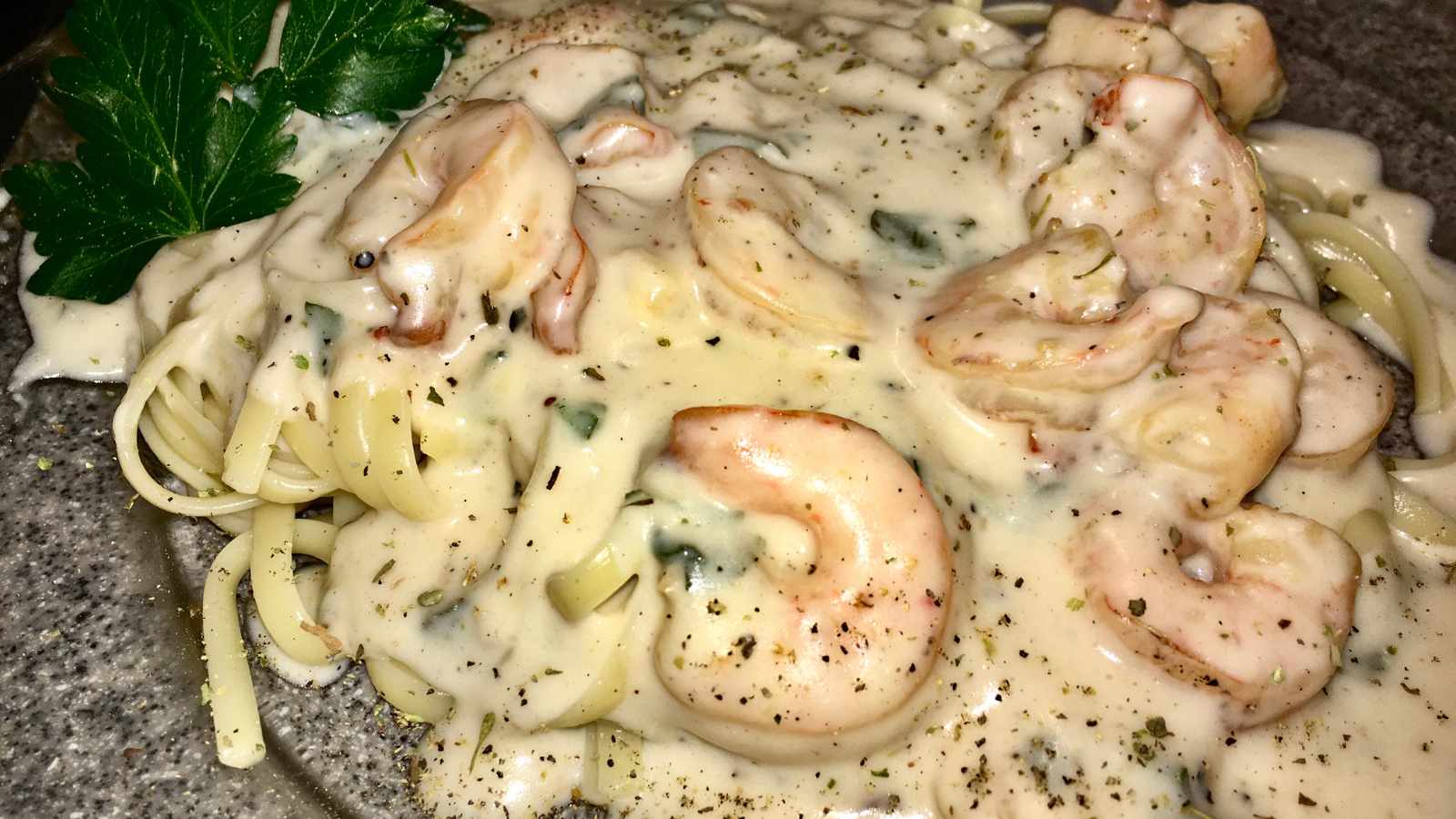
Shrimp wiggle was a home recipe more common in the ’70s than today. It combined shrimp with peas and a creamy sauce, usually served over toast or rice. The dish reflected the era’s preference for canned and frozen ingredients.
Millennials are unlikely to encounter shrimp wiggle on modern menus. The recipe has faded as tastes moved away from heavy cream-based seafood dishes.
9. Banquet Fried Chicken
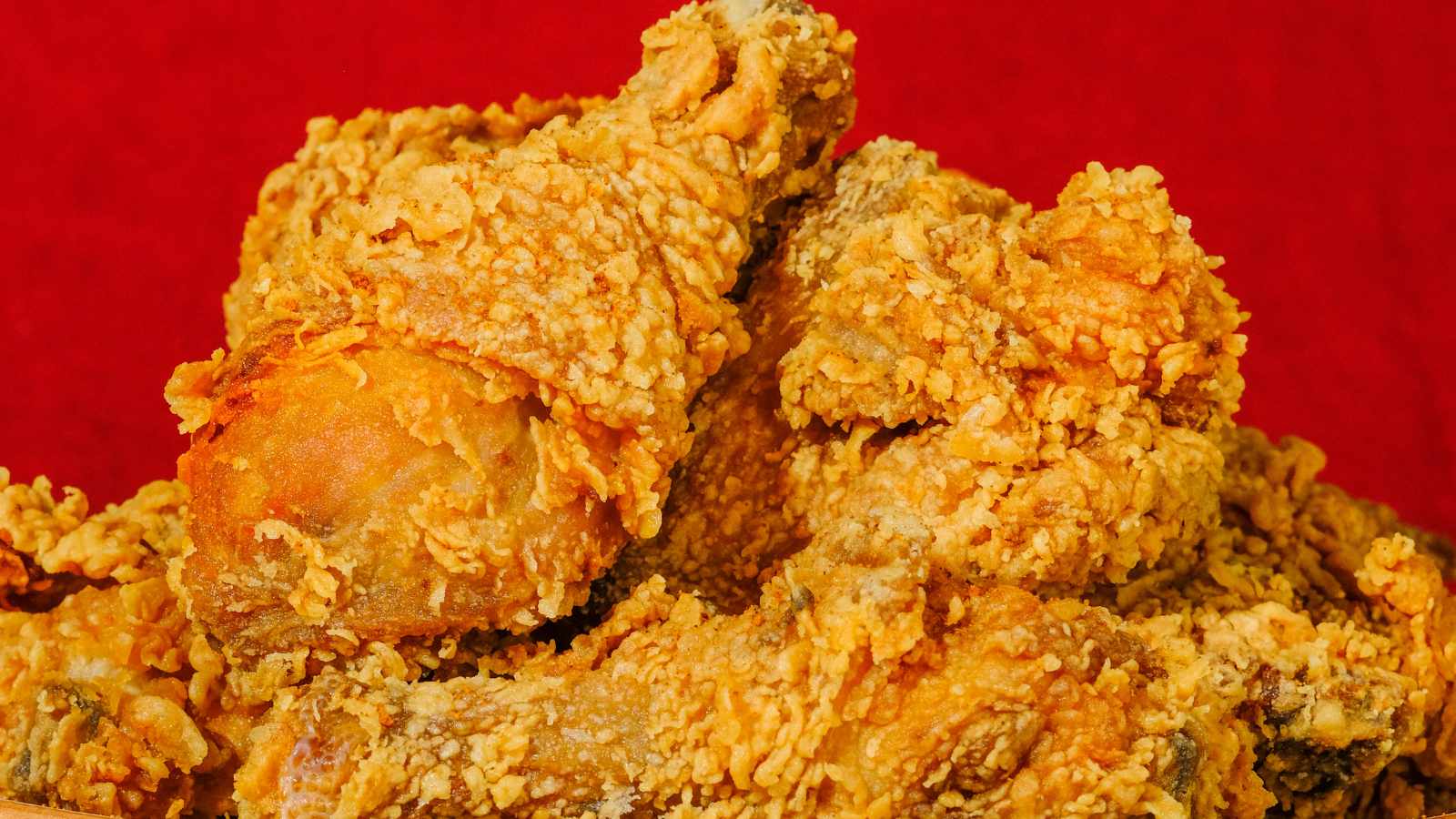
Banquet frozen fried chicken gave families a quick way to serve a classic meal. The chicken came pre-cooked and breaded, ready to heat in the oven. It fit perfectly with the rise of frozen dinners in the 1970s.
Over time, fresh fast-food fried chicken gained popularity, and Banquet lost its spotlight. While Banquet still produces frozen foods, the original fried chicken line is harder to find.
10. Shake N Bake
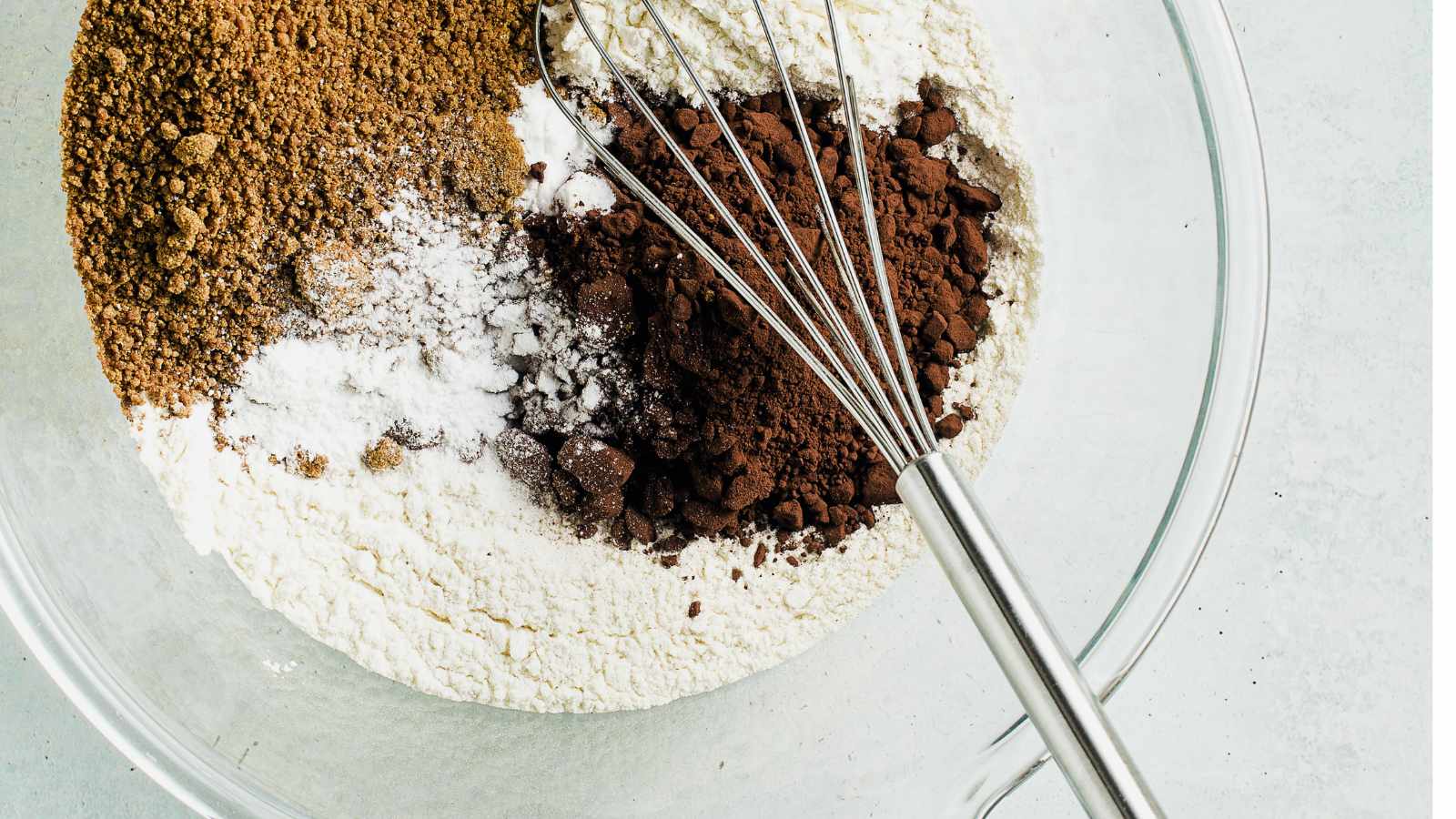
Shake ‘N Bake lets home cooks coat meat with seasoned breading inside a bag. Families would place chicken or pork in the bag, shake it, and bake it. The result yielded a crispy coating without deep-frying.
Although variations still exist, the original Shake ‘N Bake packages are no longer standard. Millennials may not experience the ritual of shaking meat in a bag before baking.
11. Chicken à la King
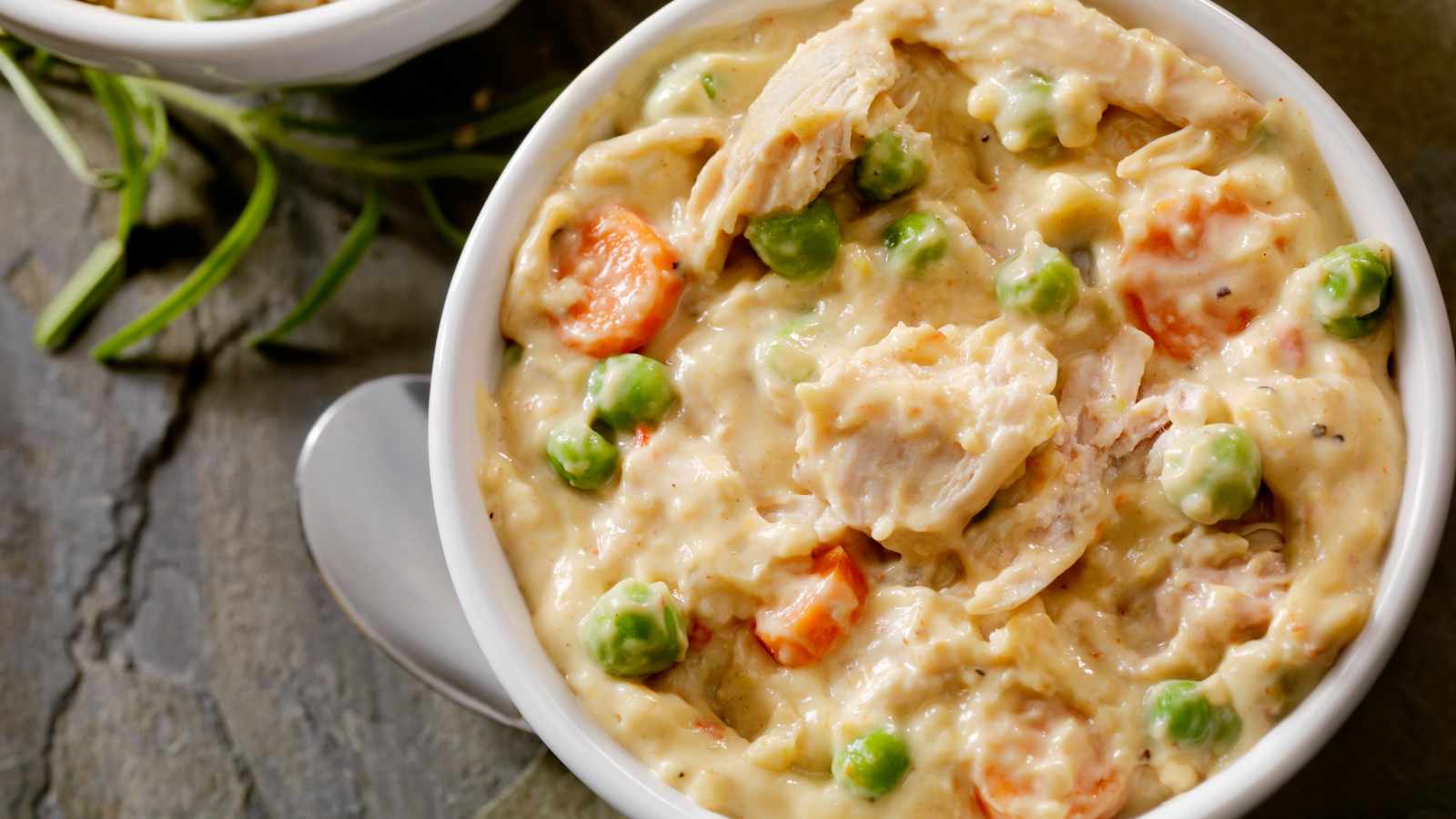
Chicken à la King was a creamy chicken dish often served over rice, noodles, or pastry shells. It included mushrooms and peppers in a thick sauce. The dish appeared in home kitchens and on cafeteria menus across the country.
Today, it is rarely found outside vintage cookbooks. Millennials may miss the chance to taste this once-popular comfort meal.
12. Tangy Taffy
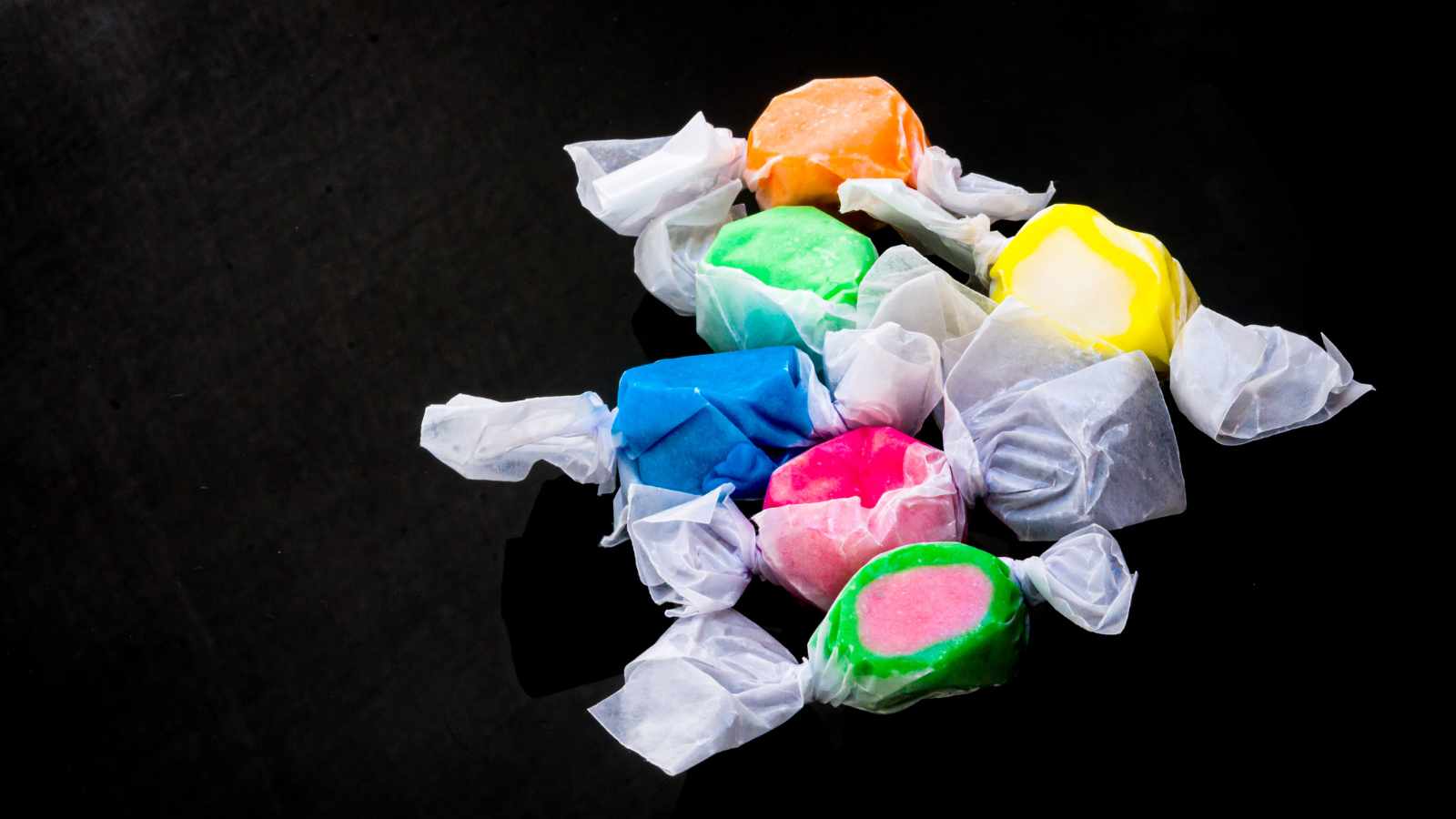
Tangy Taffy offered chewy fruit flavors with a slightly sour edge. Kids enjoyed stretching and pulling it before taking a bite. The packaging often featured colorful designs that appealed to younger buyers.
Though many taffy candies remain on the market, Tangy Taffy itself is gone. Its unique balance of tangy and sweet flavor made it stand apart in the ’70s.
13. Hostess Cupcakes

Hostess cupcakes were a lunchbox staple. Their chocolate cake, cream filling, and frosted top with white icing swirl made them instantly recognizable. Children often paired them with milk or packed them for school.
Although Hostess relaunched after bankruptcy, the original recipe and packaging of the ’70s are no longer the same. Millennials who never tried them back then may not be aware of the difference.
14. Jell-O Pudding Pops
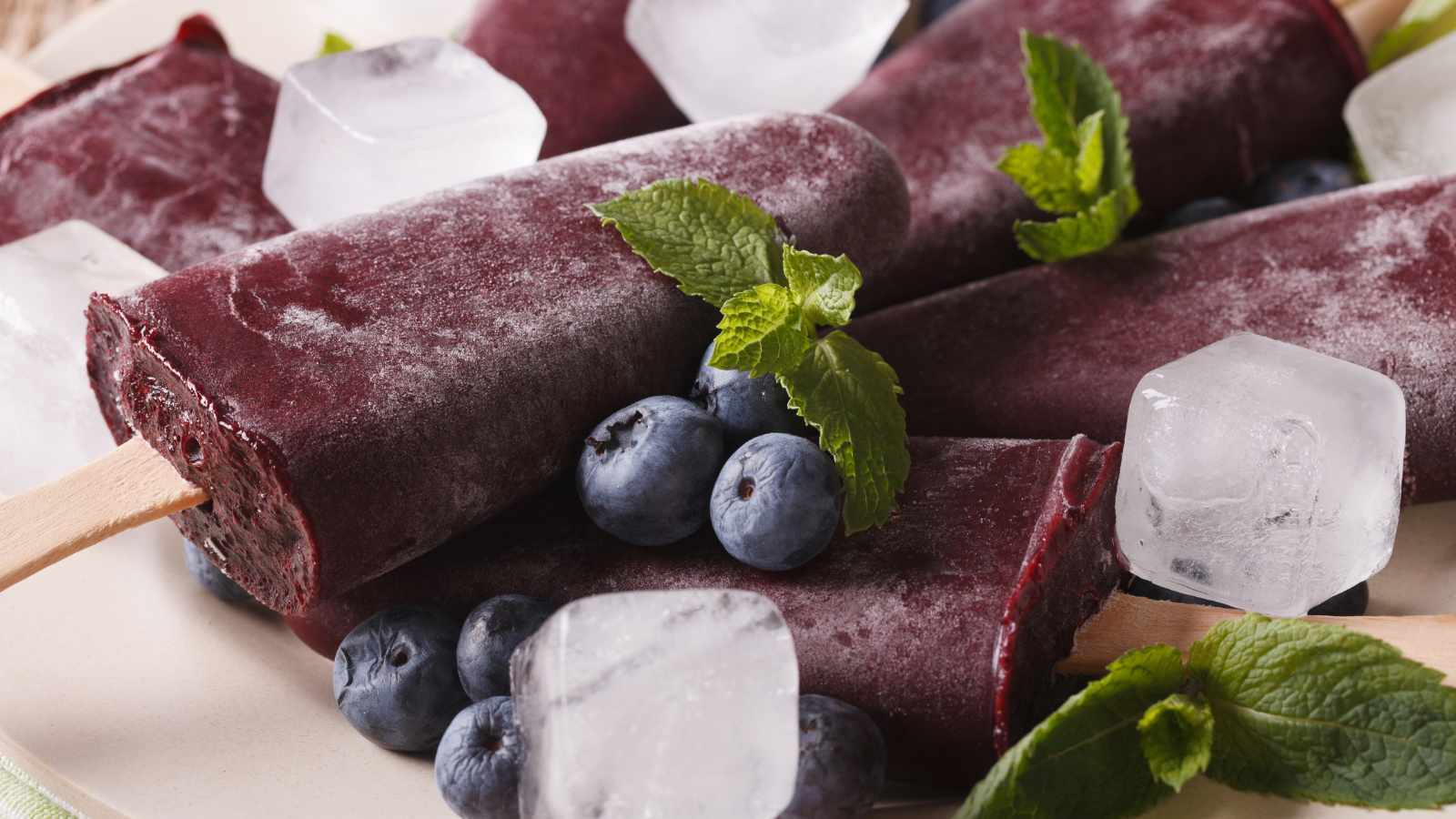
Jell-O pudding pops became a hit frozen treat in the late ’70s. They offered a smooth, pudding-like texture on a stick, with flavors like chocolate and vanilla. Kids loved them during hot summer days.
The product disappeared from shelves after a decline in sales. Other frozen snacks replaced it, leaving pudding pops as a memory of the past.
15. Jiffy Pop Popcorn

Jiffy Pop came in a lightweight aluminum pan with a foil top that expanded when heated on the stove. The foil ballooned as the popcorn popped, creating excitement for kids waiting to watch. The process turned snack time into entertainment.
While microwave popcorn replaced Jiffy Pop for most families, the experience of shaking the pan over a burner has faded. Millennials rarely encounter it, except as a nostalgic item in old commercials or films.
Conclusion
The foods of the 1970s reflect a unique period in food culture. Convenience, novelty, and fun packaging shaped what families ate, and many items became household names. These foods eventually disappeared or changed, leaving behind only a sense of nostalgia.
Millennials may never taste these exact foods, but they can still appreciate their place in food history. Each item tells a story of innovation, marketing, and the eating habits of a generation.