
Osteoporosis is a condition in which bones become weak and are more likely to break. It develops slowly over time and often shows no signs until a fracture occurs. While genetics and age play a role, your diet also has a strong effect on bone health. Some foods and eating habits can lower bone density or interfere with calcium absorption.
This article covers 10 foods that can increase your risk of osteoporosis. You will learn how these foods affect your bones and what changes you can make to protect your bone strength.
1. Excessive Salt Intake

A diet high in salt can lead to calcium loss through urine. When calcium is lost from your body at a faster rate, your bones become weaker over time. Packaged snacks, canned soups, and processed meals often contain more sodium than you need.
To reduce your risk, limit your intake of processed foods and carefully review nutrition labels. Cooking fresh meals with herbs and spices allows you to enjoy flavor without excess salt.
2. Soda
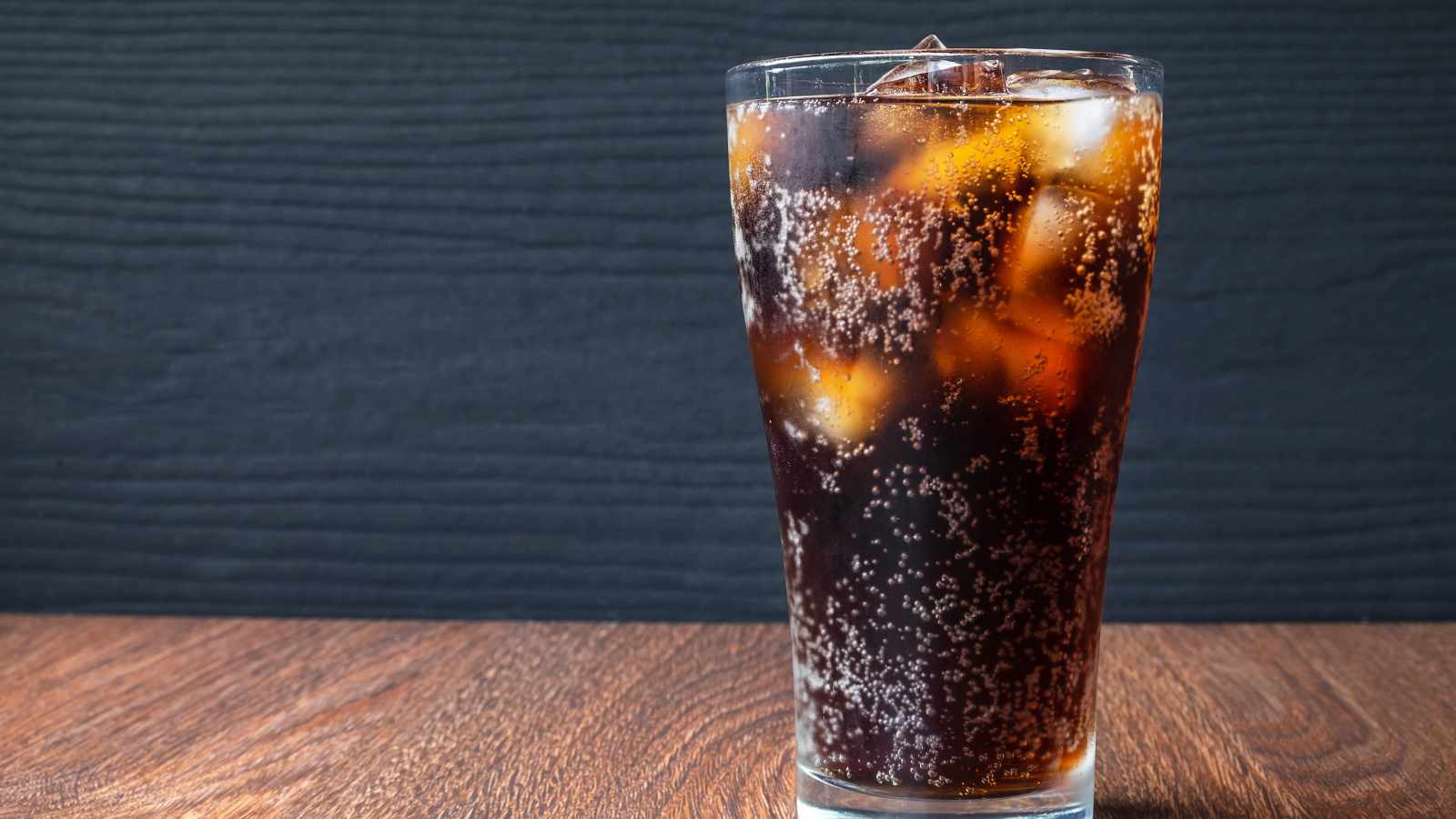
Soda contains phosphoric acid, which may affect calcium balance in your body. If you frequently drink sodas, it may lead to a reduction in bone mineral density. Sugary sodas also replace healthier options like milk or water.
Limiting soda and replacing it with water or calcium-rich drinks supports bone health. Sparkling water without added sugar can be a safer choice if you like fizzy drinks.
3. High Alcohol Consumption

Drinking too much alcohol reduces your body’s ability to absorb calcium and vitamin D. Over time, this leads to weaker bones and a higher risk of fractures. Alcohol also affects hormone levels that play a role in bone health.
If you drink, keep it moderate and avoid heavy or frequent intake. Choosing non-alcoholic alternatives helps protect your bones.
4. Too Much Vitamin A
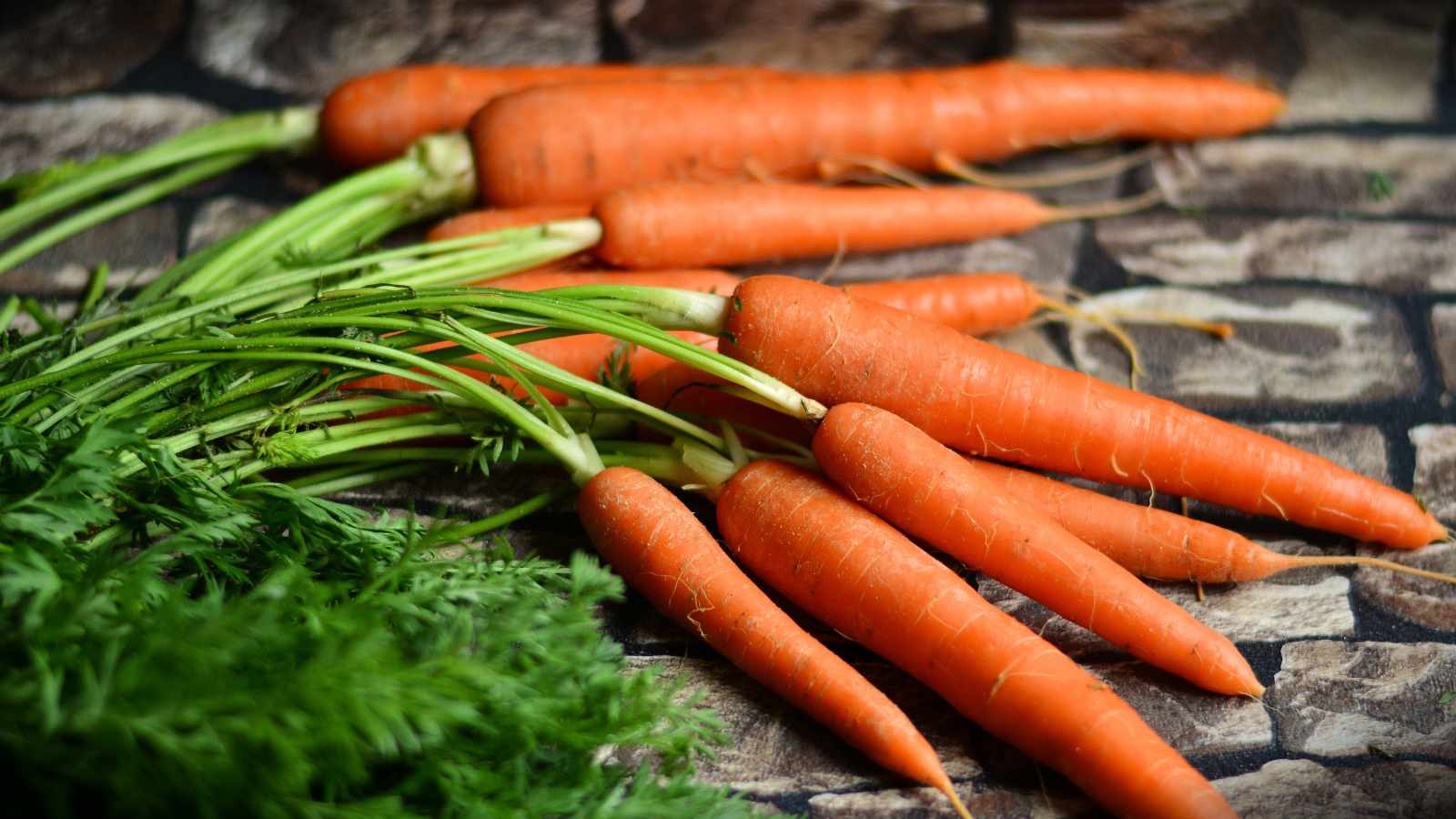
Vitamin A is essential for vision and cell growth, but excessive intake can harm your bones. High levels can interfere with the absorption of vitamin D and calcium, both of which are essential for maintaining bone strength. People who take supplements or eat large amounts of liver may exceed safe limits.
Moderation is key. Get vitamin A from a balanced diet without overusing supplements unless advised by your doctor.
5. Red Meat

Red meat provides protein and iron, but overeating may affect calcium balance. Diets high in animal protein can lead to increased calcium loss in the urine. While moderate amounts are acceptable, daily large portions may weaken bone health over time.
Balance red meat with other protein sources like beans, fish, and poultry. Pair your meals with calcium-rich foods to support bone strength.
6. High Oxalate Foods

Some plant-based foods contain oxalates, which bind to calcium and lower absorption. Spinach, beets, and certain nuts are high in oxalates. If these foods make up a significant part of your diet, you may not be absorbing enough calcium for healthy bones.
You do not need to avoid these foods altogether. Combine them with low-oxalate, calcium-rich foods, such as dairy or fortified plant-based milk, for a better balance.
7. Excess Vitamin C

Vitamin C supports collagen, which is essential for bone structure. Yet very high doses may increase calcium loss in urine. Large amounts of supplements can put strain on your bones instead of helping them.
Focus on getting vitamin C from fruits and vegetables. If you use supplements, stick to safe daily limits.
8. High-Protein Diets

Protein is necessary for muscle and bone health, but very high-protein diets can raise acid levels in the body. This may lead to calcium being pulled from bones to restore balance. Diets focused only on protein may neglect other nutrients needed for bone strength.
You need protein in moderation. Combine lean protein sources with whole grains, fruits, and vegetables for a balanced approach.
9. Inadequate Dairy Consumption
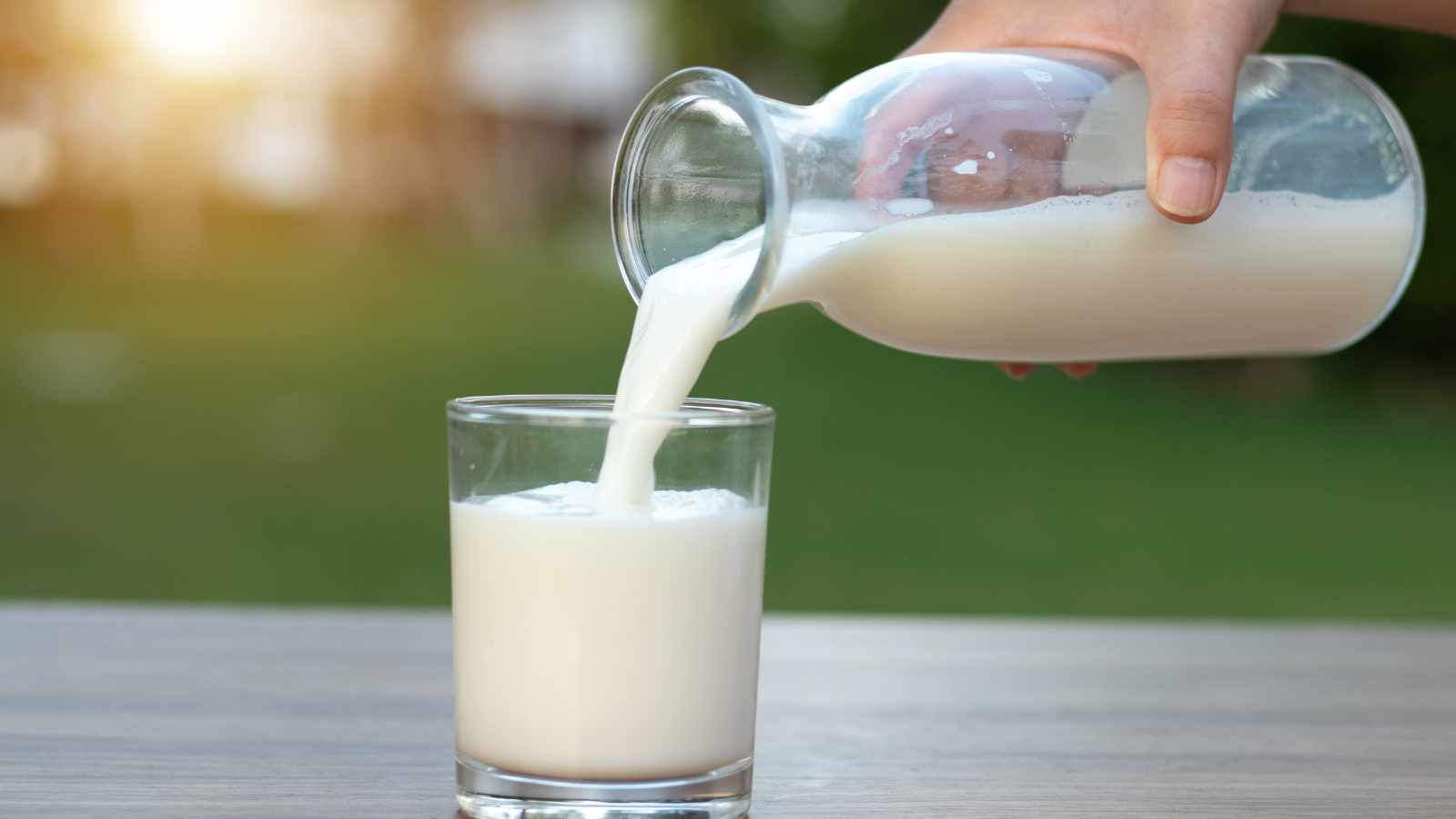
Dairy products provide calcium and vitamin D, two key nutrients for bone health. If you eat little or no dairy, your calcium intake may fall below recommended levels. Over time, this contributes to lower bone density and a higher risk of osteoporosis.
If you do not consume dairy, consider alternatives such as fortified plant-based milk, leafy greens, or calcium supplements. Ensure your diet provides sufficient vitamin D to support calcium absorption.
10. Fad Diets and Extreme Caloric Restriction

Restrictive diets often cut out major food groups, leaving you without enough calcium, vitamin D, or protein. Extreme caloric restriction slows down metabolism and reduces bone formation. Losing weight too quickly can also increase bone loss.
Choose balanced eating habits that provide steady energy and nutrients. Gradual lifestyle changes are safer than short-term restrictive diets.
Conclusion
Bone health depends on more than just calcium supplements. The foods you eat every day can either support or weaken your bones. High salt, soda, and alcohol interfere with calcium balance. Too much vitamin A, excess protein, or restrictive diets can also leave your bones at risk.
By making minor adjustments, you can protect your bones for the long term. Choose balanced meals, limit harmful foods, and ensure you get enough nutrients for strong, healthy bones.