
Herbal remedies are a natural and time-tested way to support health and well-being. For centuries, various cultures have relied on plants, roots, and flowers to treat ailments ranging from digestive issues to skin irritations and stress.
Unlike synthetic medications, which often come with unwanted side effects, herbal treatments work in harmony with the body, providing gentle yet effective healing. Below are some essential herbs that every home should have, along with their uses and benefits.
Ginger
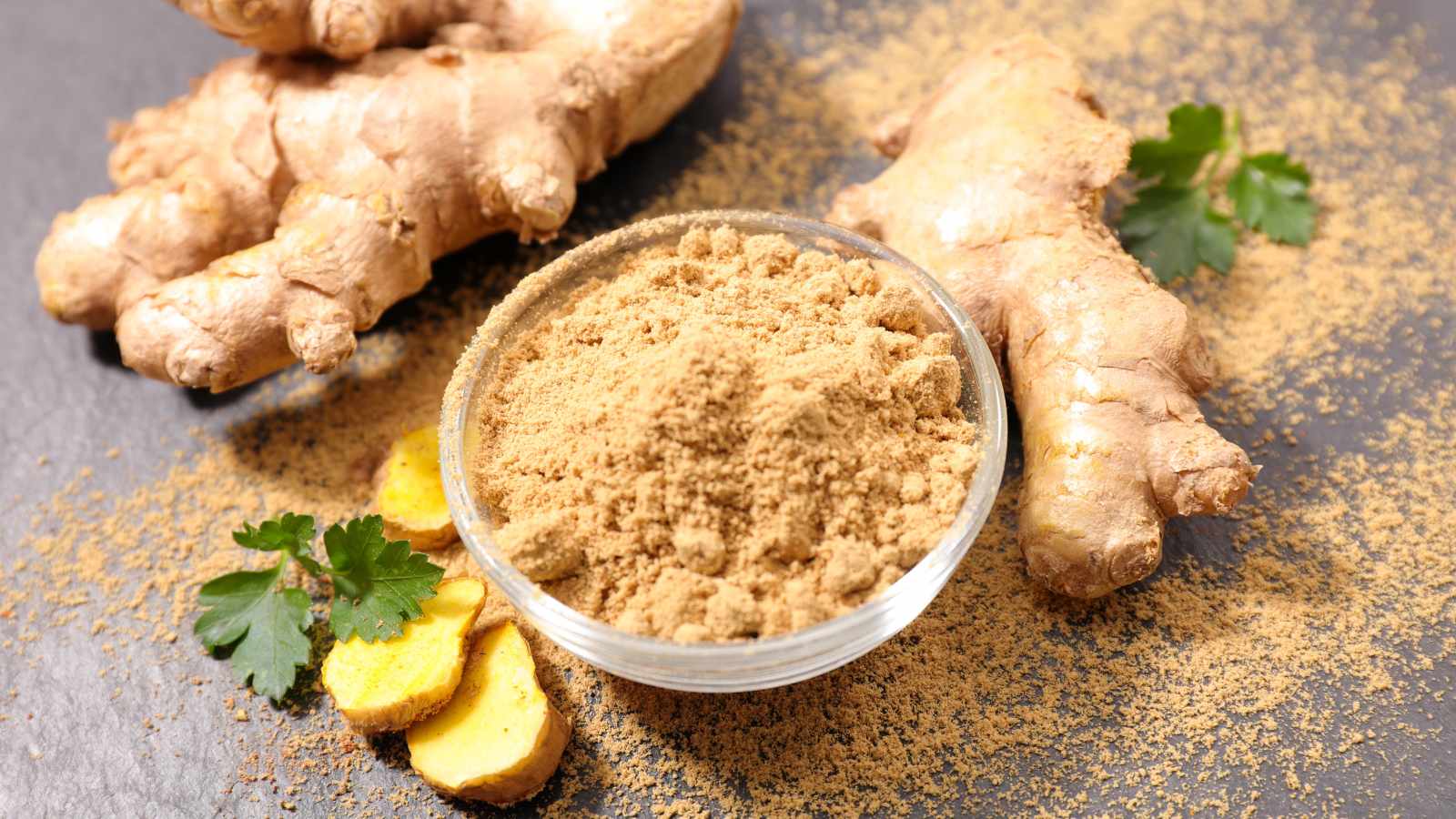
Ginger has been a staple in traditional medicine for centuries, particularly in Chinese and Ayurvedic healing practices. It is known for its ability to alleviate digestive discomfort, reduce nausea, morning sickness and bloating. Additionally, its anti-inflammatory properties make it beneficial for managing joint pain and muscle soreness.
How to Use It
- Ginger Tea: Boil fresh ginger slices in water and drink it to soothe an upset stomach.
- Ginger Compress: Apply a warm ginger paste to sore muscles for pain relief.
- Raw Ginger: Chewing on raw ginger or adding it to meals helps support digestion.
Turmeric

Turmeric, often called “golden spice,” is packed with curcumin, a compound known for its strong anti-inflammatory and antioxidant effects. It is widely used to relieve joint pain, improve brain function, and support liver detoxification. Turmeric also aids digestion and enhances immune function, making it a versatile remedy for overall health.
How to Use It
- Golden Milk: A warm mixture of turmeric, milk, and honey helps reduce inflammation and promotes relaxation.
- Turmeric Paste: Apply to minor cuts and wounds to prevent infection and speed healing.
- Turmeric Capsules: Ideal for those who want a concentrated dose for systemic benefits.
Peppermint

Peppermint is widely used for its cooling and soothing effects. It relaxes the digestive tract, reducing bloating and gas, while its menthol content provides relief from tension headaches and sinus congestion.
How to Use It
- Peppermint Tea: Aids digestion and alleviates stomach discomfort.
- Essential Oil: Apply diluted peppermint oil to the temples for headache relief.
- Steam Inhalation: Add peppermint oil to hot water and inhale the steam to clear nasal congestion.
Echinacea

Echinacea is a well-known immune booster, traditionally used to prevent and treat colds, flu, and infections. It helps the body fight off viruses by stimulating white blood cell production. Additionally, its antimicrobial properties make it useful for wound healing and reducing inflammation associated with respiratory conditions.
How to Use It
- Echinacea Tea: Drink at the first sign of a cold to strengthen immunity.
- Tincture: A concentrated extract taken in small doses for quick absorption.
- Capsules: Convenient for daily immune support, especially during flu season.
Lavender
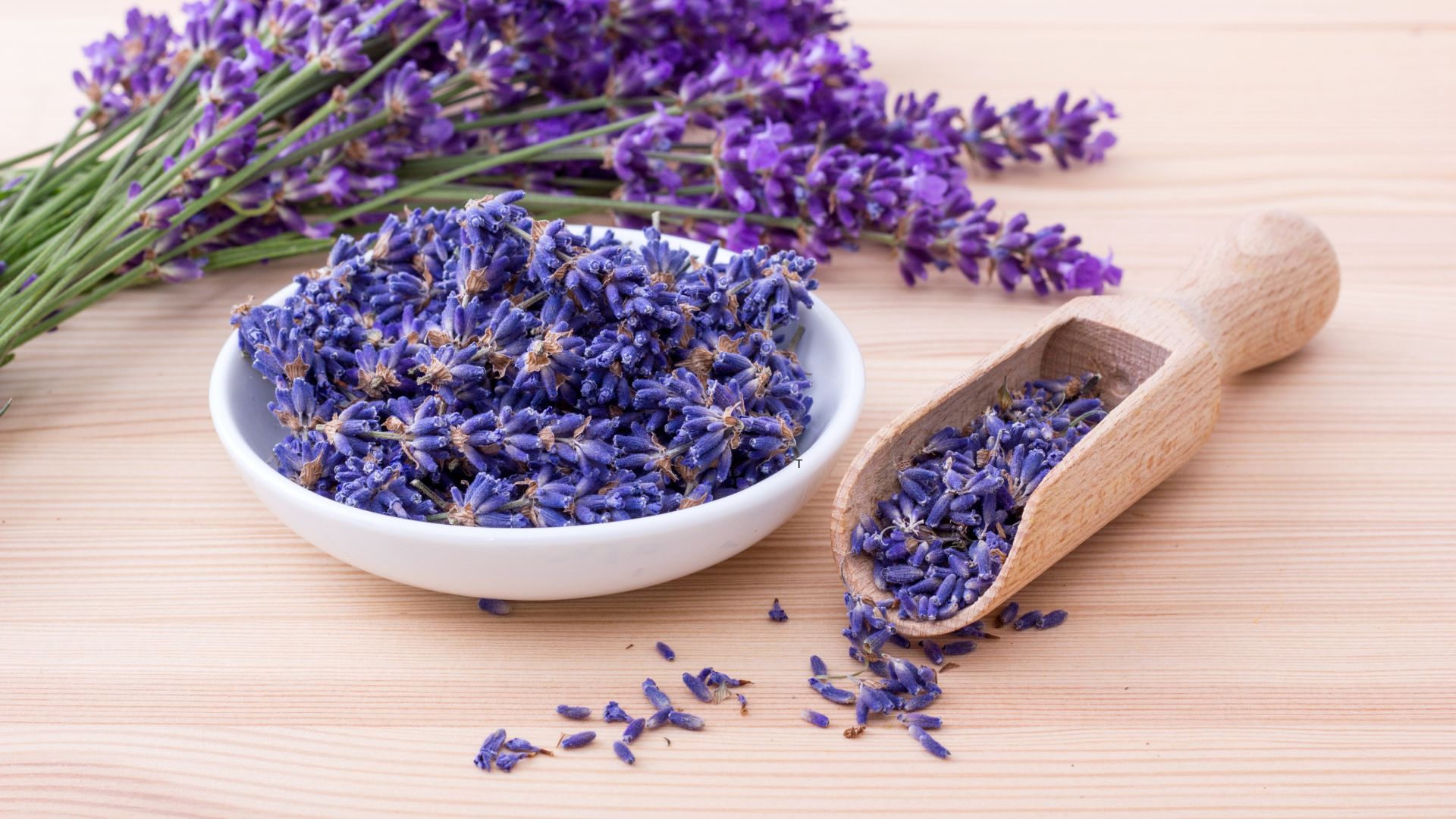
Lavender is best known for its calming effects, making it a go-to remedy for anxiety, stress, and insomnia.
Beyond its mental health benefits, it also has antiseptic and anti-inflammatory properties, making it useful for treating burns, insect bites, and minor wounds.
How to Use It
- Lavender Essential Oil: Diffuse in the air or apply to the skin for relaxation and sleep support.
- Herbal Bath: Add dried lavender flowers or a few drops of oil to a warm bath for stress relief.
- Lavender Tea: A soothing nighttime drink that promotes restful sleep.
Chamomile
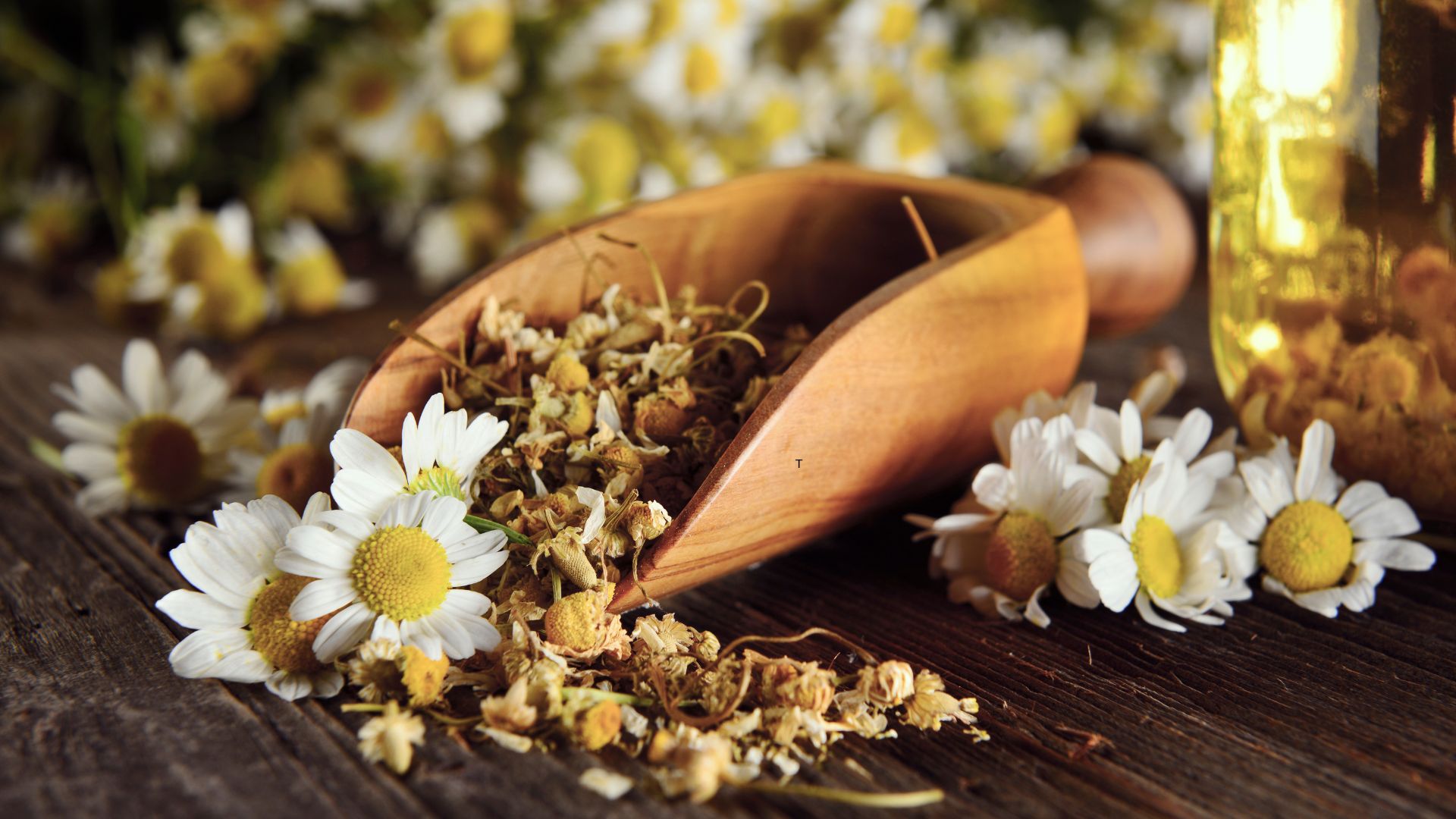
Chamomile is a mild yet effective herb that supports digestive health and relaxation. It is often used to alleviate bloating, gas, and upset stomach, while its calming properties help reduce anxiety and promote better sleep.
Chamomile is also beneficial for soothing skin irritations and eye strain.
How to Use It
- Chamomile Tea: A warm cup before bed aids sleep and digestion.
- Herbal Compress: Use chamomile-infused water for soothing eye strain or minor skin irritations.
- Chamomile Infusion: Applied as a gentle skin wash for eczema and rashes.
Aloe Vera

Aloe vera is widely known for its ability to heal burns and wounds, but it also offers digestive benefits.
The gel extracted from its leaves provides soothing relief for sunburns, cuts, and rashes, while its juice helps alleviate acid reflux and promote gut health.
How to Use It
- Aloe Vera Gel: Apply directly to burns and skin irritations for cooling relief.
- Aloe Juice: Drink in small amounts to soothe digestive issues.
- Face Mask: Used as a hydrating treatment for dry or irritated skin.
Conclusion
Keeping these seven herbal remedies at home provides a natural and effective way to manage common health concerns. Whether you’re dealing with digestive discomfort, stress, or minor injuries, these herbs offer safe and holistic healing solutions.
While they are generally safe for most people, it’s always advisable to consult a healthcare professional before incorporating new herbs into your routine, especially if you have underlying health conditions or are taking medications.