
Toothaches can strike at the worst possible times, often late at night, during a weekend, or when you’re nowhere near a dentist. The pain may range from dull and throbbing to sharp and stabbing, and it can quickly disrupt sleep, appetite, and focus. While professional dental care is the long-term fix, several items in your kitchen can bring temporary relief safely and effectively.
This guide explains how to manage toothache pain with everyday household items. You’ll walk away with reliable, easy-to-follow methods to reduce discomfort until you can see a dentist.
Salt Water Rinse: The Simplest and Safest First Step

A salt water rinse may sound basic, but it works for a reason. Salt helps reduce inflammation, clear debris, and prevent bacteria from worsening the problem. It also flushes out food particles that may be stuck near the painful area.
To make a rinse, mix ½ teaspoon of salt in a cup of warm water. Swish it gently in your mouth for 30 seconds, making sure it reaches the affected area before spitting it out. Repeat every few hours, especially after eating or drinking.
This rinse won’t numb the pain completely, but it can calm irritated gums and create a cleaner environment inside your mouth. For many, this is the first and most important step before trying anything stronger.
Clove or Clove Oil: Nature’s Time-Tested Numbing Agent

Cloves contain eugenol, a natural compound that acts as a mild anesthetic. Dentists have used clove-based treatments for decades because it targets nerve pain and helps reduce inflammation. You can apply cloves in whole or oil form, depending on what’s in your spice rack.
How to Use Whole Cloves or Ground Clove Powder
If you have whole cloves, place one gently near the sore tooth and bite down just enough to keep it in place. Let it sit there for 15–30 minutes. You’ll feel a gradual numbing effect.
Ground clove powder can be mixed with a few drops of olive oil to form a paste. Apply this mixture directly to the gum or tooth with a clean cotton swab. Avoid swallowing and rinse your mouth afterward.
Using Clove Oil Safely
Dip a cotton ball or swab in 1–2 drops of clove oil (diluted with olive or coconut oil to reduce intensity). Place it on the painful area and let it sit for a few minutes. Repeat every few hours as needed, but use sparingly; clove oil is potent and should not be swallowed.
Garlic: Antibacterial Relief With a Kick

Garlic does more than flavor your food. It contains allicin, a compound with strong antimicrobial properties that can help slow bacterial growth in an infected tooth. It also has mild pain-relieving properties when applied directly.
To use garlic for relief, crush a fresh clove into a paste using the flat side of a knife. Wait 5 minutes to let the allicin activate, then apply it to the affected area with a cotton swab or clean finger. Let it sit for 10–15 minutes before rinsing with warm water.
The taste is strong, and it might cause a burning sensation, so don’t leave it on for too long.
Peppermint Tea Bags: Cooling Relief for Throbbing Pain
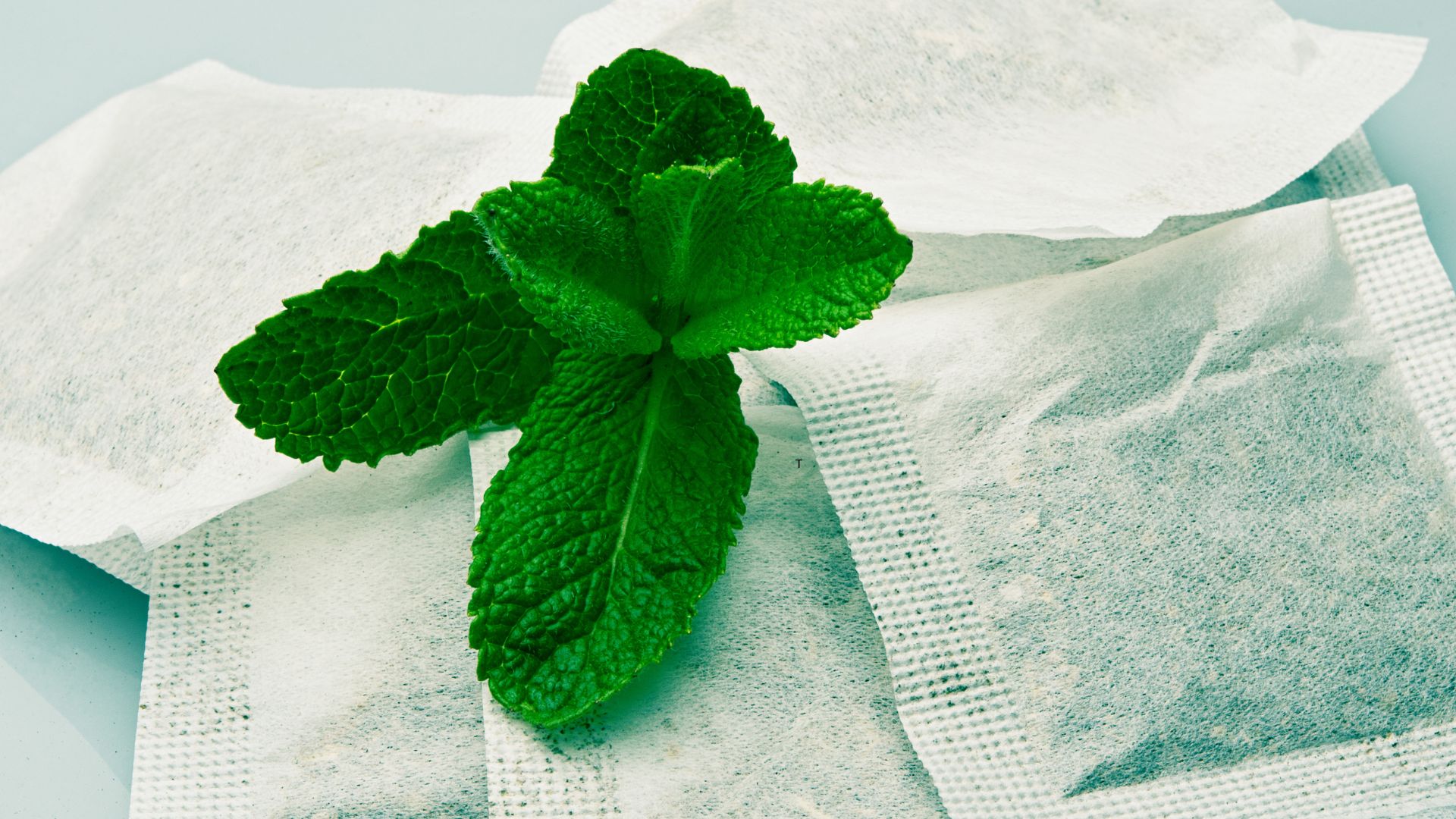
Peppermint tea offers two useful properties: menthol for cooling and astringent compounds that tighten tissues. Used as a compress, it can bring soothing relief without the harshness of oils or garlic. It’s especially helpful for pain that radiates to the jaw or sinuses.
Brew a peppermint tea bag for about 2 minutes, then place it in the fridge or freezer until it’s cool but not frozen. Apply the damp, chilled tea bag directly to the sore area and hold it in place for 15–20 minutes. The cooling effect calms nerves and can reduce mild swelling.
You can repeat this several times a day. While it won’t stop a deep tooth infection, it’s gentle enough for kids or those with sensitive mouths.
Apple Cider Vinegar: Antibacterial and Anti-Inflammatory

Apple cider vinegar (ACV) is another household item that can be used in small amounts to clean the area and manage pain. Its acetic acid content fights bacteria and helps draw out inflammation. However, it must be used carefully to avoid irritating the enamel.
To use ACV safely, dilute 1 tablespoon of vinegar in 1 cup of water. Swish it gently around the affected area for no more than 30 seconds, then spit it out. Do not swallow, and rinse your mouth with plain water afterward.
Avoid applying ACV directly to the tooth with cotton or a swab. Its acidity can damage enamel if used in concentrated form. Stick to a diluted rinse for short-term relief.
Bonus Tip: Cold Compress From the Freezer
 Sometimes, external methods provide relief faster than anything you put in your mouth. A cold compress applied to the cheek can reduce blood flow to the area and slow down nerve signals causing pain. This is especially helpful for swelling or injury-related toothaches.
Wrap a few ice cubes in a thin towel or use a frozen bag of peas. Hold it against your cheek near the sore tooth for 10–15 minutes. Take breaks between applications to avoid irritating the skin.
This works well in combination with the internal remedies listed above.
Conclusion
When a toothache hits, you don’t need to suffer while waiting for a dentist. Your kitchen holds several tools that can ease pain, fight bacteria, and reduce swelling, many of which work in under 30 minutes.
While these methods offer effective short-term relief, don’t delay professional dental care. A toothache often signals something that needs to be treated at the root. Until then, your kitchen can be a helpful ally in keeping the pain under control.