
After a tough workout or an unexpected burst of physical activity, it’s common to feel muscle discomfort. But what if the ache is more than just typical soreness? Knowing whether you’re dealing with Delayed Onset Muscle Soreness (DOMS) or a muscle strain or tear can make a significant difference in how you recover and whether you avoid further injury. Misinterpreting a tear as regular soreness can lead to worsening damage, while overreacting to DOMS can lead to unnecessary worry.
In this article, we’ll walk through the key differences between muscle soreness and muscle tears, the science behind each, red-flag symptoms, and how to treat them properly. By the end, you’ll be able to confidently answer the question: Is this just soreness or something more serious?
What Is Muscle Soreness?

Muscle soreness, particularly DOMS, typically occurs 12 to 48 hours after intense or unfamiliar physical activity. It’s most common after eccentric exercises, such as running downhill, lowering weights, or movements that stretch the muscle while it contracts. This type of soreness is caused by microscopic damage to muscle fibers, which triggers inflammation and a healing response.
DOMS is generally mild to moderate, felt symmetrically, and resolves within 2 to 5 days without intervention.
What Is a Muscle Tear?
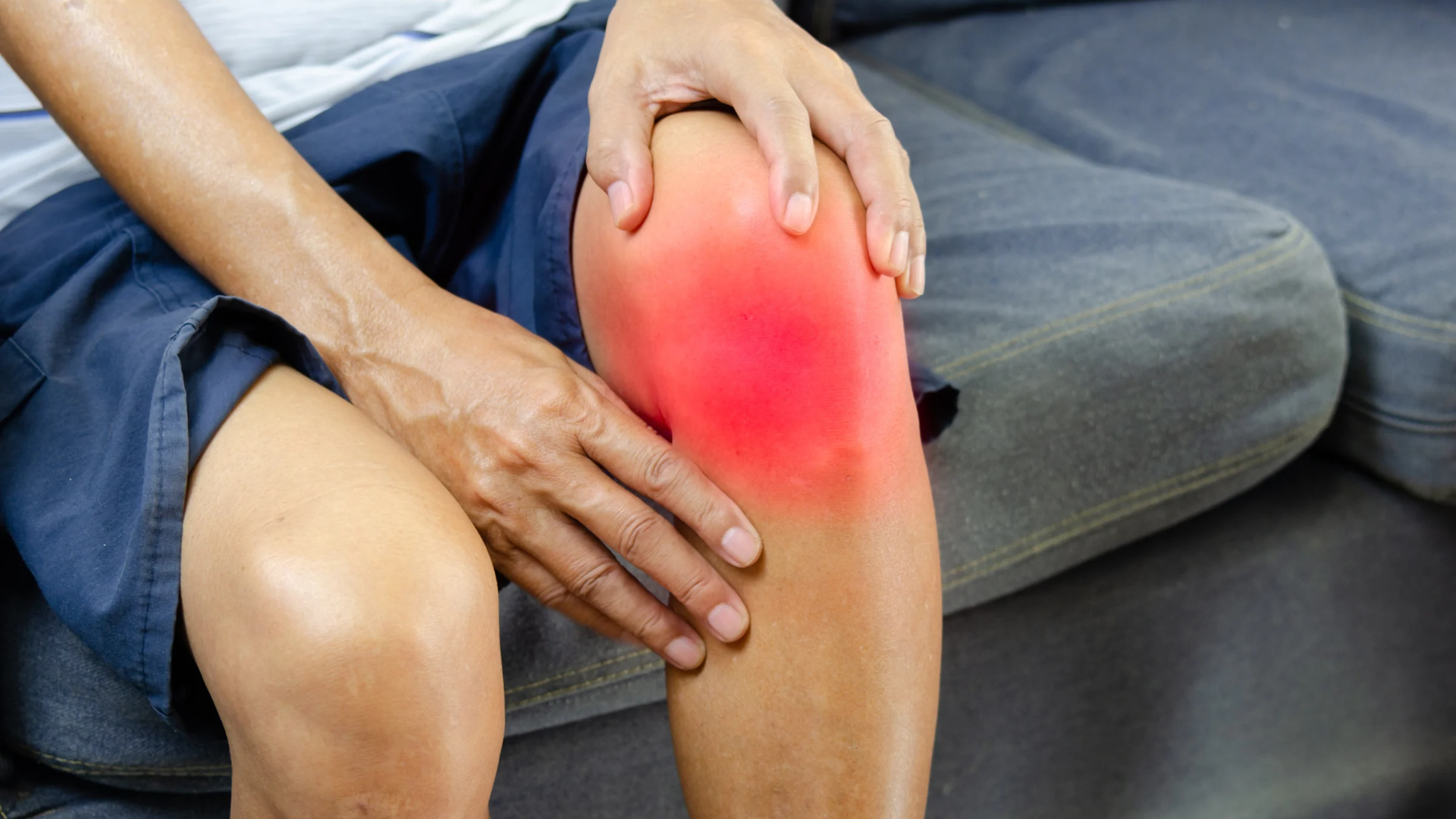
A muscle tear, or strain, is an actual injury to the muscle fibers or tendon. Muscle tears are categorized by severity:
- Grade I (mild): Minor tearing of a few fibers with minimal strength loss.
- Grade II (moderate): More extensive fiber tearing with noticeable weakness and loss of function.
- Grade III (severe): Complete rupture of the muscle or tendon requiring medical intervention.
Unlike DOMS, a muscle tear may cause immediate sharp pain, swelling, bruising, and long-lasting dysfunction.
Key Differences Between Muscle Soreness and Muscle Tear
Understanding the contrast between soreness and a tear comes down to examining onset, pain quality, duration, and accompanying symptoms.
Onset of Pain
- Soreness: Delayed onset, usually felt 12–48 hours after the activity.
- Tear: Often immediate or occurs during the activity with a sharp or popping sensation.
Location of Pain
- Soreness: Usually affects large muscle groups symmetrically (e.g., both quads, both biceps).
- Tear: Pain is localized, often in one spot. You can usually point to the exact location.
Quality of Pain
- Soreness: Dull, aching pain with stiffness and tightness, especially in the morning or when moving after resting.
- Tear: Sharp, stabbing pain, sometimes with a pulling or snapping feeling. Pain may worsen with use or when the muscle is stretched.
Range of Motion
- Soreness: Limited by stiffness but usually improves with light movement.
- Tear: Limited by pain or weakness. May be difficult or impossible to move the affected muscle.
Visible Signs
- Soreness: No bruising or swelling; just tenderness to touch.
- Tear: Possible swelling, bruising, or even a visible dent in the muscle (in severe cases).
Duration
- Soreness: Peaks within 48 hours and gradually subsides over 3–5 days.
- Tear: Persists beyond a few days, especially without improvement or with worsening symptoms.
Treatment: Soreness vs. Tear
Treating Muscle Soreness (DOMS)
- Active recovery: Light activities like walking, swimming, or yoga can promote blood flow and ease discomfort.
- Massage and foam rolling: Helps relieve tightness and improve circulation.
- Hydration and nutrition: Muscle repair requires fluids and protein.
- Cold or warm therapy: Ice can reduce inflammation, while warmth promotes relaxation and blood flow.
DOMS typically resolves on its own and doesn’t require medical attention.
Treating a Muscle Tear
- Rest and immobilization: Avoid using the injured muscle.
- Ice application: Apply ice in the first 48–72 hours to reduce swelling.
- Compression and elevation: Helps manage inflammation and bruising.
- Medical evaluation: Especially for Grade II or III tears, to determine if surgery or physical therapy is needed.
- Rehabilitation: Guided recovery is often necessary to regain strength and prevent re-injury.
When to See a Doctor
You should consult a medical professional if you experience:
- Pain that worsens or does not improve after 5–7 days
- Noticeable swelling or bruising
- A popping sound or sensation during the injury
- Inability to move or bear weight on the affected muscle
- Numbness or tingling near the injury site
Conclusion
Distinguishing between muscle soreness and muscle tear is crucial for safe and effective recovery. While soreness is a normal part of training adaptation, a tear is a true injury that demands rest and sometimes medical care.
Use the markers of pain timing, intensity, location, and physical symptoms to assess your condition accurately. And when in doubt, it’s always smart to consult a professional rather than risk exacerbating a potential injury.