
Most people eat more processed foods than they realize. Packaged snacks, instant noodles, canned soups, soft drinks, even many breakfast cereals fall under this category. They’re cheap, convenient, and widely available. But research continues to show that eating too much of them increases the risk of obesity, diabetes, heart disease, digestive issues, and even early death.
So, why are processed foods harmful, and how can you cut back without feeling deprived? Let’s break it down step by step.
What Are Processed Foods?
Processed foods are foods that have been altered from their natural state for safety, convenience, taste, or shelf life. There are different levels of processing:
- Minimally processed: frozen vegetables, bagged salads, roasted nuts.
- Moderately processed: canned beans, whole-grain bread, cheese.
- Heavily processed (ultra-processed): sugary drinks, instant noodles, packaged cookies, hot dogs, frozen pizza.
It’s the ultra-processed foods that cause the most health problems.

How Processed Foods Wreck Your Health
- High in sugar and refined carbs – Cause blood sugar spikes and crashes, increase risk of type 2 diabetes. Example: sugary cereals, white bread, soda.
- Excess salt (sodium) – Leads to high blood pressure, increases risk of heart disease and stroke. Example: instant noodles, canned soups, chips.
- Unhealthy fats – Trans fats and excessive saturated fats damage heart health, raise “bad” cholesterol (LDL). Example: margarine, fried fast foods, pastries.
- Chemical additives and preservatives – Artificial colors, flavors, stabilizers, nitrates linked to allergies, digestive issues, and possible cancer risk.
- Low in nutrients – Stripped of fiber, vitamins, and minerals, leaving “empty calories” that lead to overeating.
- Addictive nature – High sugar, fat, and salt combinations make them hard to resist. Example: chips, cookies, ice cream.
Common Questions About Processed Foods
Q: Are all processed foods bad?
A: No. Frozen vegetables, plain yogurt, and canned beans are processed but still healthy. The real danger comes from ultra-processed foods loaded with additives, sugar, and unhealthy fats.
Q: How often is it safe to eat them?
A: Think of ultra-processed foods as occasional treats, not daily staples. Once or twice a week is safer than every day.
Q: Why do they taste so good?
A: Food companies design them to hit the “bliss point” — the perfect mix of sugar, fat, and salt that lights up your brain’s reward system, making you crave more.

Processed Food Examples and Healthier Alternatives
- Soda → Sparkling water with lemon or infused fruit water
- White bread → Whole grain or sourdough bread
- Sugary cereals → Oatmeal topped with nuts and fruit
- Instant noodles → Whole wheat pasta or brown rice with stir-fried veggies
- Packaged cookies → Homemade oatmeal cookies or fresh fruit
- Potato chips → Air-popped popcorn or roasted chickpeas
- Canned soup (high sodium) → Homemade vegetable or chicken soup
- Ice cream → Frozen Greek yogurt with berries
Why You Keep Eating Processed Foods (and How to Break the Cycle)
- Why: They’re convenient, cheap, and everywhere.
- How: Plan ahead. Keep healthy snacks like nuts or boiled eggs ready.
- When: The urge usually hits during late-night cravings or stressful days — have healthier substitutes on hand.
Practical Steps to Cut Back on Processed Foods
- Shop the perimeter of the grocery store – Fresh produce, meat, dairy, and whole foods are usually found here.
- Read labels carefully – Look for hidden sugars (corn syrup, dextrose, maltose) and check sodium levels.
- Cook more at home – Even simple meals like stir-fried veggies with brown rice are healthier. Batch-cook to save time.
- Plan snacks in advance – Carry fruit, nuts, or yogurt instead of reaching for chips or chocolate bars.
- Gradually replace, don’t suddenly quit – Swap one processed item per week. For example, replace soda with water for one week, then move to bread, then snacks.
- Limit eating out – Many restaurant meals are loaded with salt, sugar, and oils.
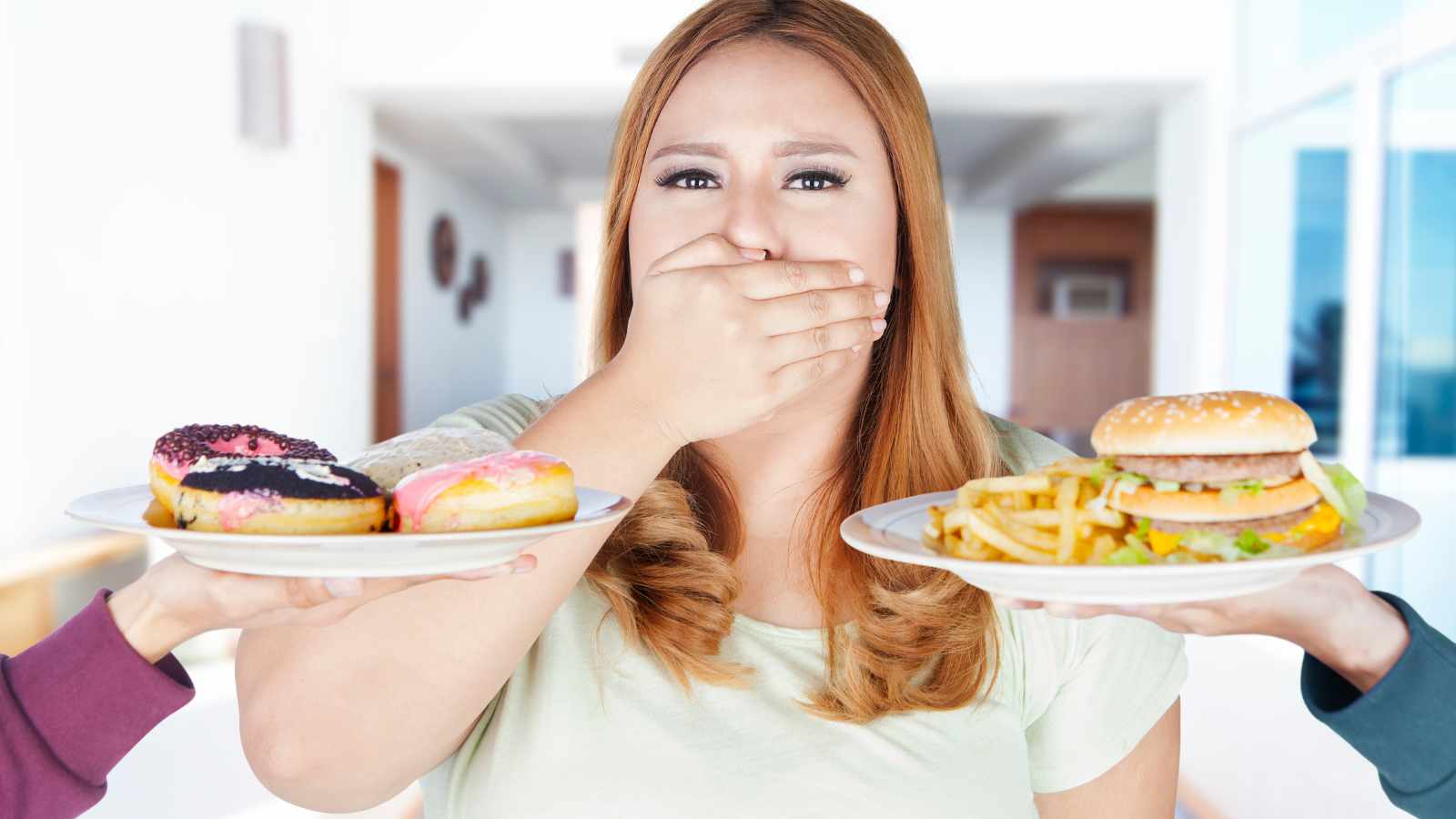
What Happens to Your Body When You Cut Processed Foods
- Within a week: more stable energy, less bloating.
- After a month: improved digestion, better sleep, possible weight loss.
- Over time: lower risk of chronic diseases, stronger immunity, better mental clarity.
A Sample Day of Eating With No Ultra-Processed Foods
- Breakfast: Oatmeal with banana slices and almonds.
- Snack: Apple with peanut butter.
- Lunch: Grilled chicken, quinoa, and mixed vegetables.
- Snack: Yogurt with fresh berries.
- Dinner: Baked salmon, roasted sweet potatoes, and steamed broccoli.
- Evening Treat: Frozen grapes or dark chocolate (70%+).
Key Takeaway
Processed foods may be easy, cheap, and tempting, but they come with serious health costs. The more you rely on them, the greater your risk of chronic illness and weight gain. Small, consistent changes — swapping soda for water, chips for nuts, fast food for home-cooked meals — will make a big difference. Your body, mind, and long-term health will thank you.