
Detoxification typically refers to practices that supposedly cleanse your body of toxins, ranging from dietary changes and juice fasts to sweat-inducing spa treatments. However, detoxing may not be necessary or effective, and we’ll tell you why.
Lack of Evidence

Despite its popularity, little scientific evidence supports the claims of detoxing. Many health professionals argue that our bodies are equipped with natural detoxification systems and do not require additional help from detoxing practices.
Ineffectiveness

Many detoxing methods are extreme and unsustainable, leading to rapid weight loss that is mostly water weight. Once the detox is over, most people gain back the lost weight and resume their previous eating habits, rendering the detox essentially ineffective.
Restrictive Diets

Detox diets often require strict restrictions on what you can eat, which can lead to nutrient deficiencies and potential health risks. The body needs various nutrients to function properly, and depriving yourself of these essential elements can do more harm than good.
False Claims

Detox products and programs often make bold claims about boosting energy, improving digestion, and even curing diseases. However, most of these claims are not backed by scientific evidence and are simply marketing tactics to sell their products.
Cost

Detox diets can be expensive, as they often require pricey supplements and special foods to be effective. This cost is usually not included in the initial price of the detox program or product.
Lack of Sustainability

Detoxing practices like extreme juice cleanses, or restrictive diets are not sustainable in the long term. While they may offer short-term benefits, people often revert to their regular eating habits afterward, leading to weight gain and a cycle of yo-yo dieting.
Potential Harm

Some detox practices, such as colon cleanses or sauna treatments, can be potentially harmful. Colon cleanses can disrupt the balance of essential bacteria in your gut and cause dehydration, while sweating excessively in saunas can lead to electrolyte imbalances and heat stroke.
Misuse of Supplements

Many detox programs require the use of supplements, claiming to help flush out toxins. However, some supplements may contain harmful ingredients or interact with your medications. Consult a healthcare professional before starting supplement regimens.
Unrealistic Expectations
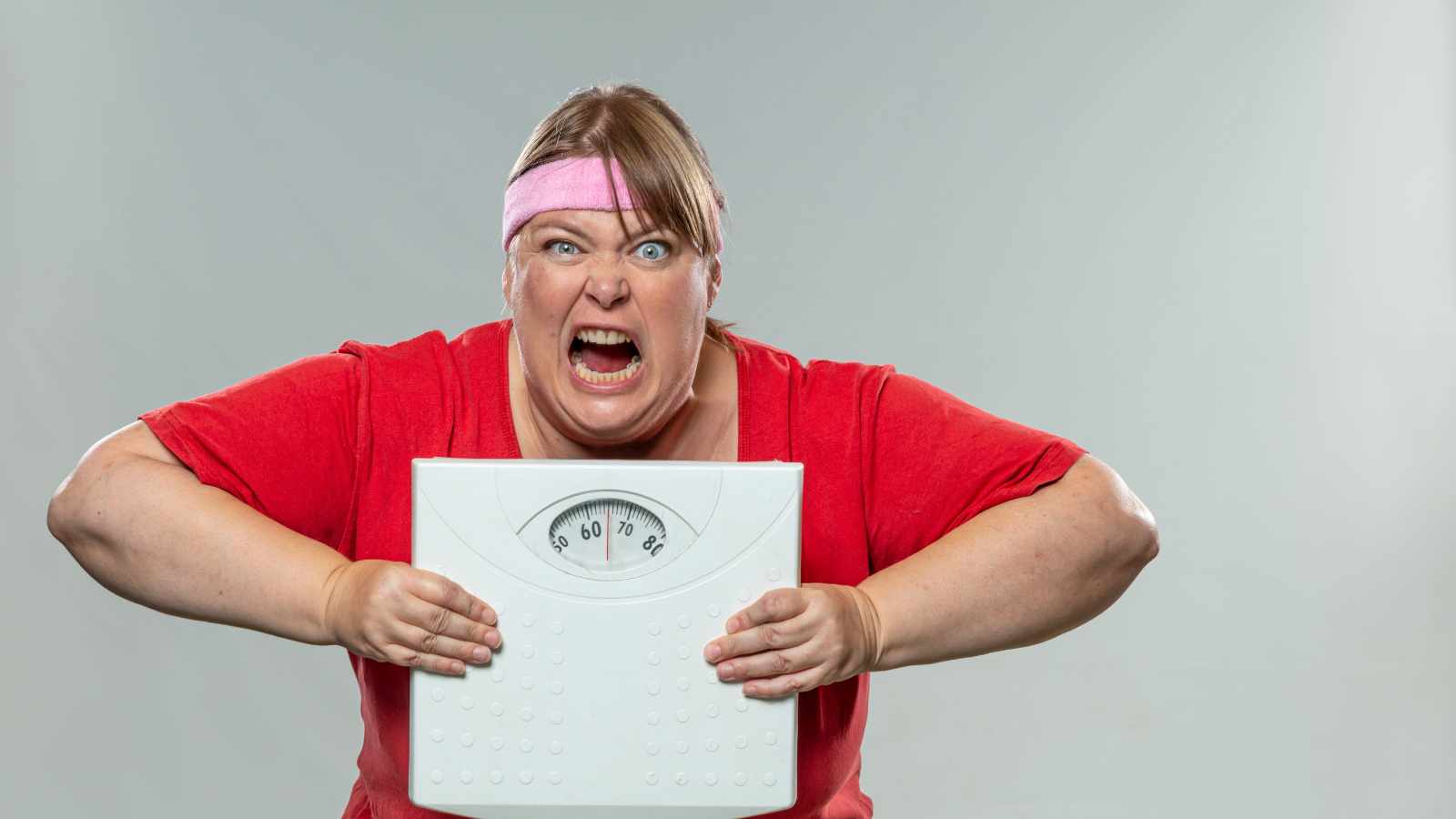
Detoxing is often advertised as a quick fix for weight loss and improved health, leading people to have unrealistic expectations. Sustainable weight loss and overall health are achieved through lifestyle changes, not quick fixes.
Loss of Muscle Mass

Extreme detoxing methods that involve severe caloric restriction can cause your body to break down muscle for energy. Losing muscle mass slows your metabolism and makes it harder to maintain a healthy weight.
Disrupts Social Life

Many detox diets and programs are very restrictive, making it difficult to socialize or dine out with friends and family. Restrictive diets can make you feel isolated and disconnected, which can negatively impact mental health.
Mental Strain

Detoxes can be mentally taxing, especially when they are extreme and require a significant amount of willpower. Constantly thinking about what you can or cannot eat can create anxiety and stress, which can also affect mental health.
Dependency

Some people may become dependent on detoxing practices as a way to control their weight or feel in control of their health. This dependency can lead to disordered eating patterns and a negative relationship with food.
Negative Body Image

Detoxing often focuses on weight loss, leading people to obsess over their body image. This obsession with body image can result in body dysmorphia and low self-esteem, as individuals may never feel satisfied with their appearance despite the drastic measures they take.
Focuses on External Factors

The idea of detoxing often promotes the idea that our bodies are constantly filled with toxins that we need to eliminate. This focus on external factors can distract from addressing internal issues, like stress management and self-care, which play a significant role in our overall health.
More From Health Makes You
15 Best Dinner Foods That Can Help You Reach Your Weight Loss Goals

Eating the right foods can help you shed those extra pounds. The key is to ensure that the food you eat is packed with nutrients and low in calories, and we’ve compiled this list of the best dinner foods for weight loss.
15 Best Dinner Foods that Can Help You Reach Your Weight Loss Goals
20 Reasons You Are Just Not Losing Weight Despite Your Best Efforts
Despite spending countless hours at the gym and following strict diets, you may still struggle to shed those extra pounds. What could be the reason? Here are 20 possible explanations why weight loss may happen slower than expected.
20 Reasons You Are Just Not Losing Weight Despite Your Best Efforts
15 Things Doctors Wish You Knew About Losing Weight
One major factor that stops people from seeing desired changes in their weight loss journey, despite their healthy lifestyle choices, is following outdated advice or making wrong choices. Here are 15 things that doctors wish you knew about losing weight.
15 Things Doctors Wish You Knew About Losing Weight
10 Foods That Could Be Preventing You From Losing Weight

Embarking on a weight loss journey can be challenging as it requires discipline, commitment, and an understanding of how foods affect your body. Not all foods are good for you; some nestle into your daily diet, like silent saboteurs, hindering your results.
This article unmasks foods that secretly prevent you from achieving your weight loss goals, which is why the needle on your scale refuses to budge despite your best efforts.
10 Foods That Could Be Preventing You From Losing Weight
This article was produced on Health Makes You.