
Our connection with food is powerful and can significantly influence our well-being. Food nourishes our bodies, shapes our emotions, and fosters social connections. It even holds cultural significance. For some people, this relationship with food can become unhealthy, negatively impacting their physical and mental health.
Constantly Thinking About Food
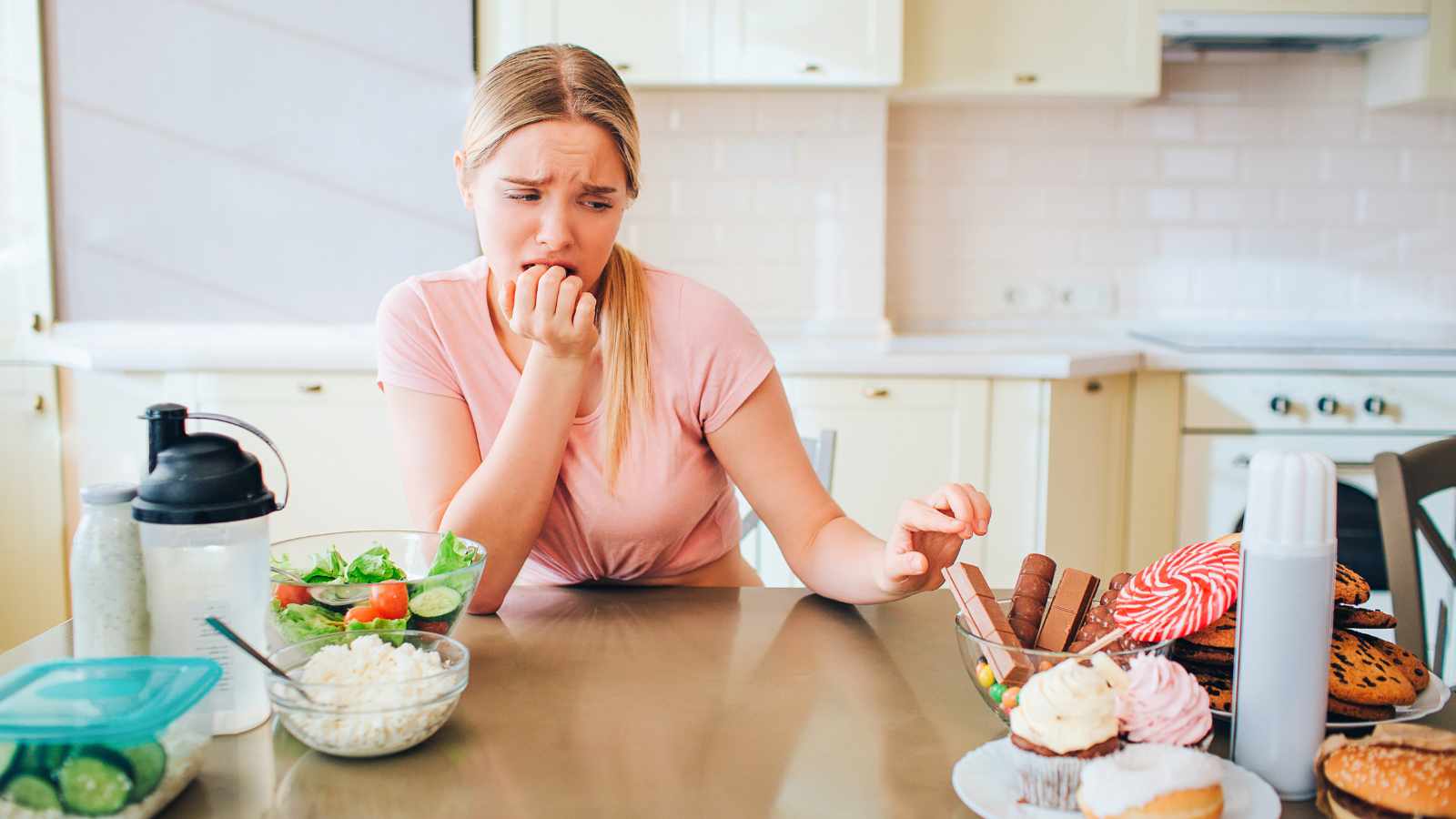
If thoughts of food consume your mind throughout the day, not just around mealtimes, it’s a sign that your relationship with food may be skewed. Obsessively planning what you will eat next or worrying about the consequences of your last meal can lead to unhealthy eating patterns, like restrictive dieting or binge eating.
Using Food to Cope With Emotions

Turning to food for comfort during emotional distress is a common coping mechanism, but it can be indicative of a problematic relationship with food. Emotional eating bypasses feelings of hunger, causing you to seek food not out of necessity but to relieve stress, sadness, or anxiety. This unhealthy habit can result in weight gain, guilt, and a cycle of emotional eating.
Feeling Guilty or Ashamed After Eating

Feeling guilty or ashamed after indulging in certain foods is a red flag for an unhealthy relationship with food. These negative emotions often stem from strict dieting rules or labeling foods as “good” or “bad.” This mindset can lead to a toxic cycle of restriction and bingeing, negatively impacting both physical and mental health.
Comparing Your Eating Habits to Others

Constantly comparing your food choices or body size to others can lead to feelings of inadequacy, body shame, and even disordered eating behaviors. Remember that everyone’s body and nutritional needs are unique, and it’s essential to listen to your body instead of comparing yourself to others.
Fear of Some Foods
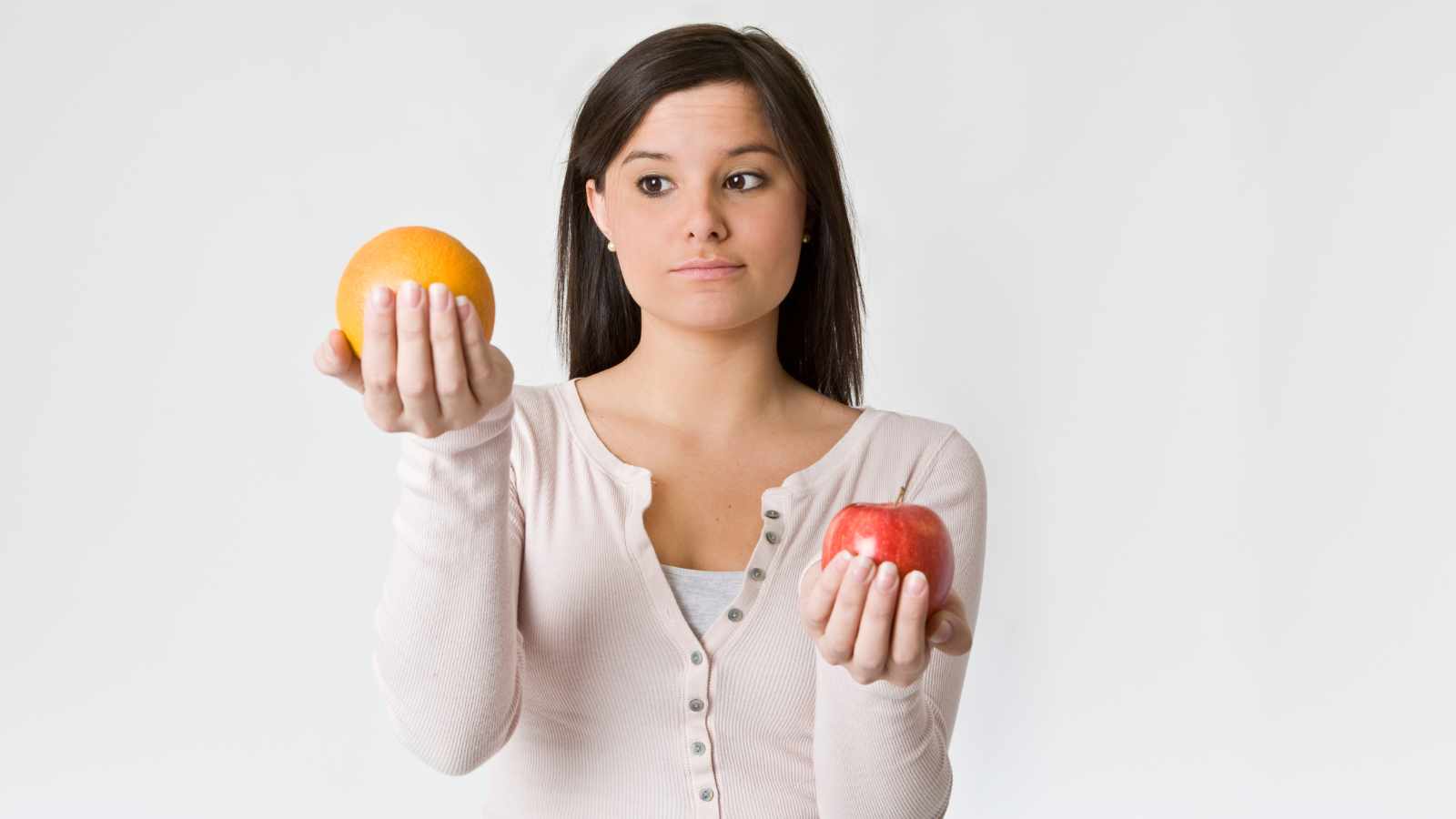
Food phobia, also known as a pervasive fear of some foods, can stem from anxiety about their effects. This fear often arises from concerns about weight gain, illness, or adverse reactions. Categorizing foods as off-limits or dangerous without medical reasons can restrict your relationship with food and hinder your well-being.
Feeling Out of Control Around Food

If you constantly feel out of control around food, it could be a sign of a binge eating disorder. This overeating behavior can stem from psychological or emotional distress and can lead to feelings of extreme guilt, shame, and physical discomfort.
Digestive Issues After Eating

Experiencing digestive discomfort after eating, like bloating, pain, or changes in bowel habits, may be associated with an unhealthy relationship with food. If you’re eating under stress, consuming food quickly, or choosing items that don’t agree with your body, you may experience gastrointestinal distress.
Using Exercise as Punishment for Eating

Using exercise as retribution after eating, especially when you’ve consumed what you consider “too much” or “forbidden” foods, is dangerous. This behavior creates a harmful cycle in which exercise is viewed as a corrective measure to counteract eating rather than a positive and healthy lifestyle choice.
Constantly Dieting

Frequent dieting, especially if it involves jumping from one diet fad to another, may suggest a complex relationship with food. Rather than helping, these patterns typically foster a negative association with eating and an unhealthy fixation on weight loss.
Feeling Guilty for Eating Enough Food

Feeling guilty for satisfying your hunger with a sufficient meal may derive from ingrained beliefs that eating less is a virtue or societal pressures glorifying thinness. Fueling your body is vital for sustaining its functions, and eating should not be a source of shame but rather an act of self-care.
Ignoring Hunger and Fullness Cues

Ignoring your body’s hunger signals or fullness can result in disordered eating patterns, like restrictive dieting or binge eating. Tuning out these cues may occur due to external pressures, such as societal beauty standards or a fear of weight gain. Trusting your body’s natural signals is essential for maintaining a healthy relationship with food.
Negative Body Image

A negative body image often stems from societal beauty standards and can lead to disordered eating behaviors. Constantly criticizing your appearance, fixating on perceived flaws, or comparing yourself to unrealistic standards can harm your mental health and contribute to an unhealthy relationship with food.
Feeling Ashamed to Eat in Public

Feeling shame or embarrassment when eating in public spaces could indicate deeper issues with self-perception and food. This discomfort often stems from a fear of judgment about the types or amounts of food being consumed. It may be rooted in personal insecurities or past negative experiences.
Difficulty Enjoying Food

An unhealthy relationship with food can cause a disconnection from the pleasurable aspects of eating. If you find it challenging to enjoy food or have rigid rules about what you can and cannot eat, you may miss out on one of the most fundamental experiences in life. Eating should be a positive and enjoyable experience, not a source of stress or anxiety.
Preoccupation With Calories and Nutrient Tracking
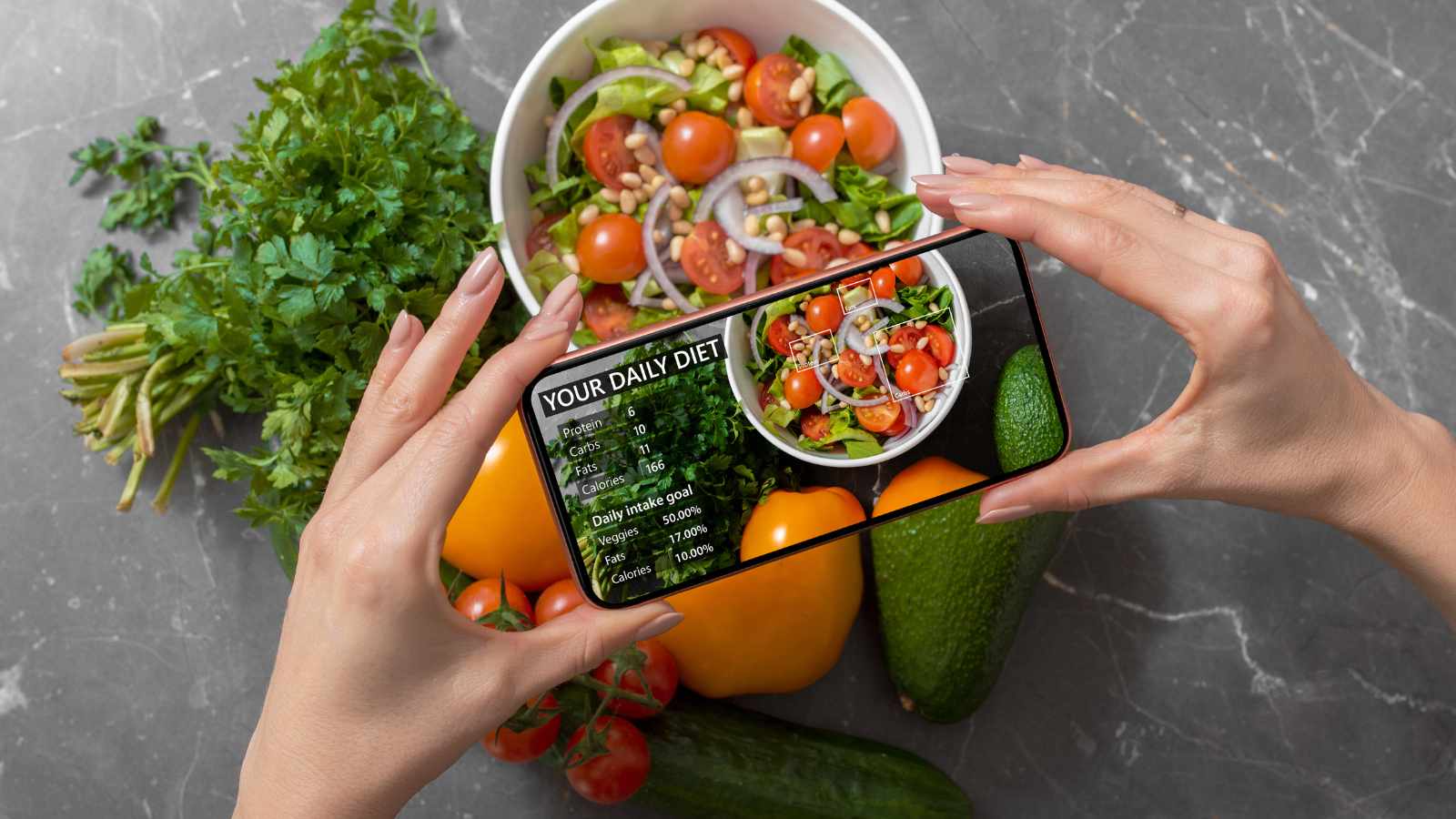
An obsession with tracking every calorie and nutrient intake might be another signal of an unhealthy relationship with food. While being aware of your dietary choices is beneficial, compulsive monitoring can lead to stress, anxiety, and an inability to enjoy eating.
More From Health Makes You

Hearing loss is a serious condition that can significantly impact one’s quality of life. Unfortunately, many people are unaware of the common bad habits which can lead to hearing loss. Here are 14 bad habits that could make you deaf if left unchecked.
14 Bad Habits That Could Make You Deaf
10 “Good” Habits That Are Actually Bad for You

Some healthy activities may seem like good ideas, but they are actually bad for your health. It sounds counterintuitive, but these habits can put your body at risk. Here are ten good habits that can have negative consequences if practiced too often or intensely.
10 “Good” Habits That Are Actually Bad for You
Want to Live a Long Life? Don’t Do These 20 Things

Do you want to live a long and healthy life? Then you should avoid doing certain things. Research shows that some habits, behaviors, and activities can harm your health. Here are the top 20 worst things you can do for your health.
Want to Live a Long Life? DON’T DO These 20 Things
The 30 Worst Foods to Eat After Age 30

Eating healthily is vital at all times, but after 30, consuming certain foods can harm more than help. By avoiding these food items when you reach your thirties, you can promote lasting health and happiness for years.
The 30 Worst Foods to Eat After Age 30
20 Bad Habits That Could Make You Blind

Staring at a screen (phone, laptop) has become a common habit that seems harmless, but over time it can cause severe damage to your eyes. That’s just one of the habits that can damage your eyesight. Here’s more:
20 Bad Habits That Could Make You Blind
This article was produced on Health Makes You.