
Vitamin K is a vital nutrient that plays a key role in blood clotting, bone health, and heart function. Without enough of it, the body may struggle to form clots properly, increasing the risk of excessive bleeding.
Beyond clotting, vitamin K also helps regulate calcium in the bloodstream, ensuring that it is directed to the bones rather than accumulating in arteries. Here are some of the best sources to include regularly.
Leafy Green Vegetables

Dark leafy greens are the richest sources of vitamin K1. These vegetables provide a powerful dose of the nutrient, supporting blood clotting and vascular health.
- Kale – Just one cup of raw kale provides over 600% of the daily recommended intake of vitamin K.
- Spinach – A great addition to smoothies, salads, and omelets, spinach is packed with vitamin K, iron, and antioxidants.
- Collard Greens – These are among the top sources of vitamin K, supplying more than 800% of the daily value per cup when cooked.
- Swiss Chard – Offers similar benefits to kale and spinach, with an added boost of magnesium and fiber.
Since vitamin K is fat-soluble, pairing these greens with a healthy fat like olive oil or avocado enhances absorption.
Cruciferous Vegetables
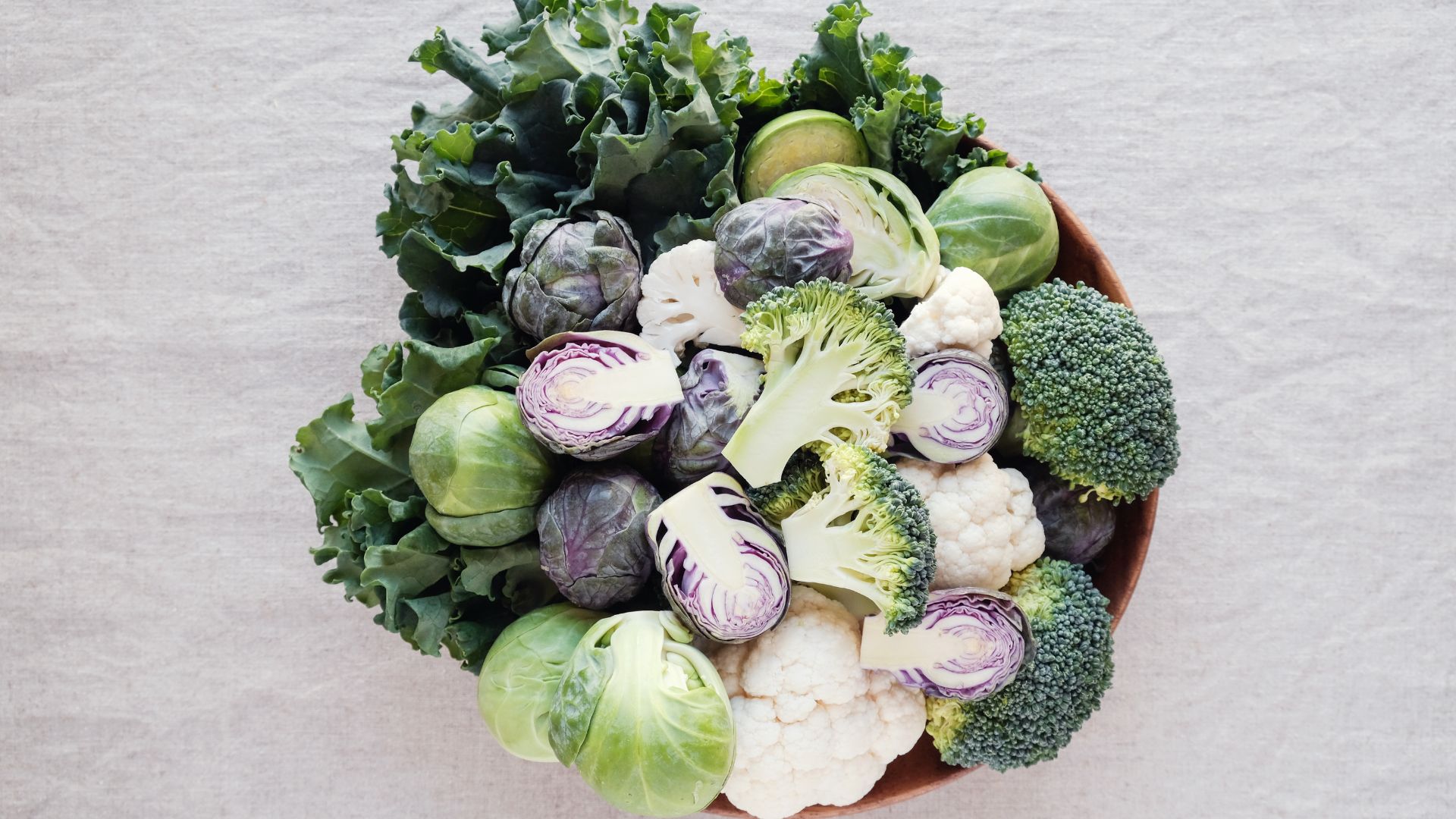
Beyond leafy greens, cruciferous vegetables also provide a significant amount of vitamin K1. These nutrient-dense veggies are also packed with fiber, antioxidants, and sulfur compounds that support overall health.
- Broccoli – One cup of cooked broccoli contains about 220 mcg of vitamin K, covering nearly 200% of daily needs.
- Brussels Sprouts – These mini cabbages offer over 150 mcg of vitamin K per cup, along with vitamin C and fiber.
- Cabbage – Whether raw or fermented, cabbage provides a moderate amount of vitamin K while also aiding digestion.
Fermented Foods (Vitamin K2)
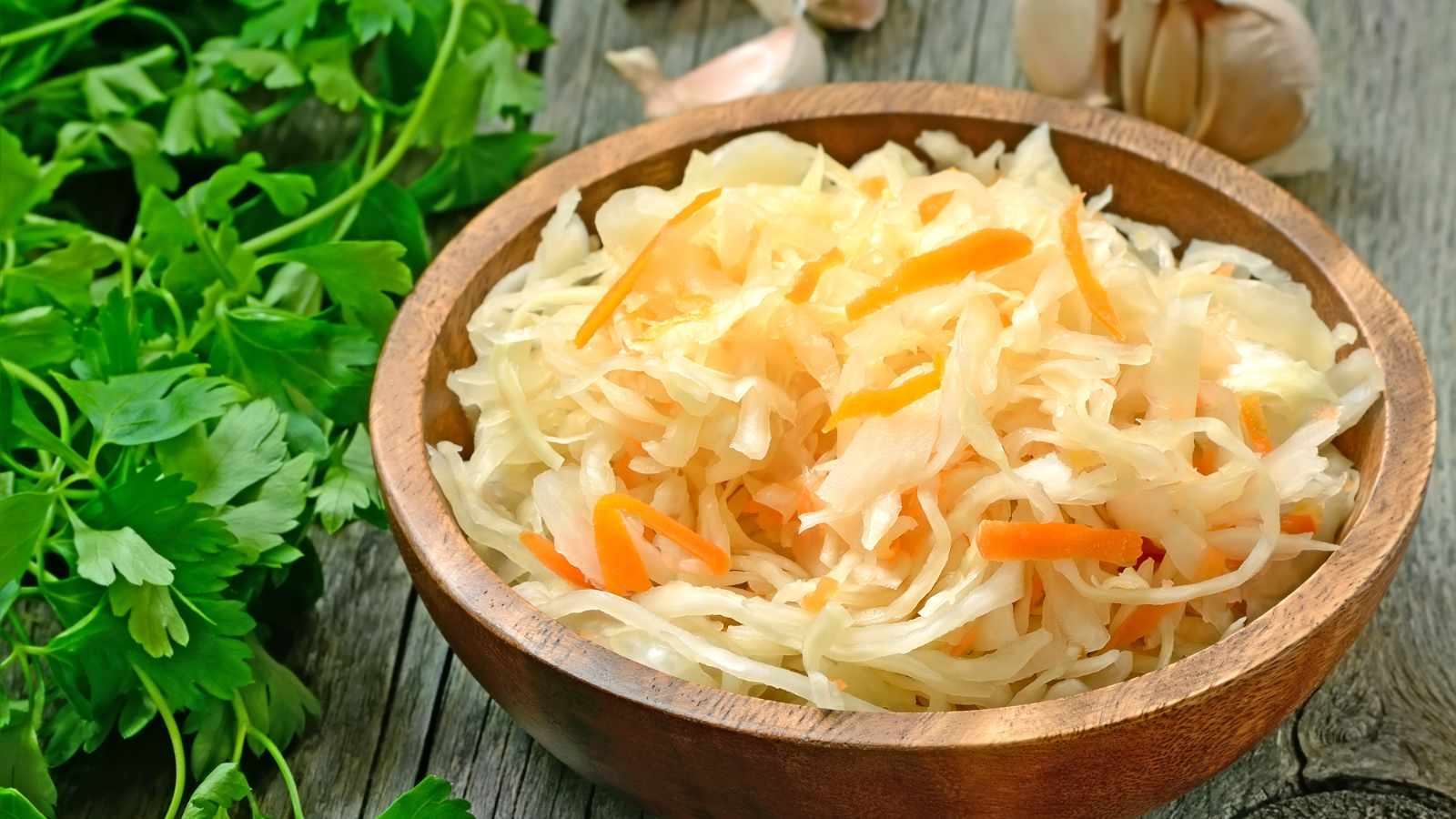
Vitamin K2, primarily found in fermented foods, is especially important for directing calcium to the bones instead of arteries. Unlike K1, which is abundant in vegetables, K2 is found in smaller amounts in specific foods.
- Natto – A Japanese fermented soybean dish, natto is the highest known source of vitamin K2, with over 1,000 mcg per serving.
- Sauerkraut – Fermented cabbage provides beneficial probiotics along with moderate amounts of vitamin K2.
- Miso – A fermented soybean paste used in soups and dressings, miso contributes to gut health and vitamin K intake.
Animal-Based Sources of Vitamin K2

Animal products contain vitamin K2 in varying amounts, particularly in grass-fed and pasture-raised options. Since K2 is harder to obtain from plant sources, including these foods can help ensure adequate intake.
- Egg yolks – Pasture-raised eggs contain higher levels of K2 than conventional eggs.
- Liver (beef, chicken, or goose) – One of the most concentrated sources of vitamin K2, with up to 100 mcg per serving.
- Cheese (Gouda, Brie, and Cheddar) – Aged cheeses provide a good source of K2 while also supplying calcium and probiotics.
- Butter (from grass-fed cows) – Contains small but beneficial amounts of K2, supporting bone and heart health.
Choosing grass-fed or pasture-raised versions of these foods maximizes the vitamin K2 content.
Healthy Oils and Nuts
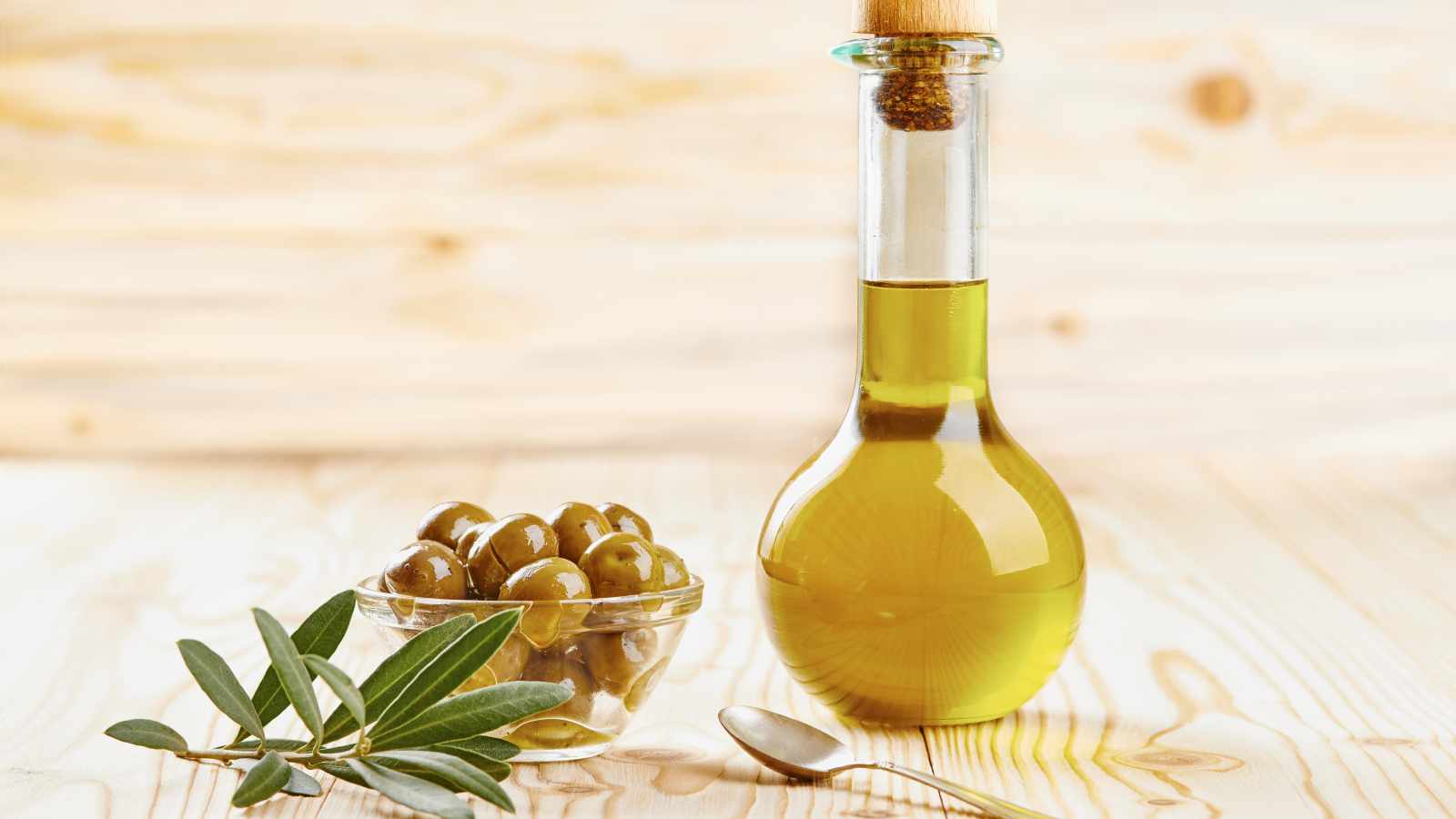
Some plant-based oils and nuts also contribute to daily vitamin K intake while offering heart-healthy fats.
- Olive oil – Contains small amounts of vitamin K, along with powerful anti-inflammatory properties.
- Avocado – Not only a great source of vitamin K but also a provider of potassium and healthy fats.
- Pine nuts and cashews – Offer a moderate amount of vitamin K while also providing essential minerals.
Drizzling olive oil over salads or adding nuts to meals helps boost overall vitamin K intake in a natural way.
Conclusion
Vitamin K is indispensable for blood clotting, bone strength, and cardiovascular health. Incorporating a mix of leafy greens, cruciferous vegetables, fermented foods, animal-based sources, and healthy fats ensures adequate daily intake. Since vitamin K is fat-soluble, consuming it with healthy fats like olive oil, nuts, or eggs improves absorption.