
Embarking on a journey to lose weight can be challenging, laden with potential mistakes that could derail the progress. While many people know what they need to do to lose weight, a lesser-known fact is that there are certain things that one should avoid when pursuing weight loss. Here they are!
Skipping Meals
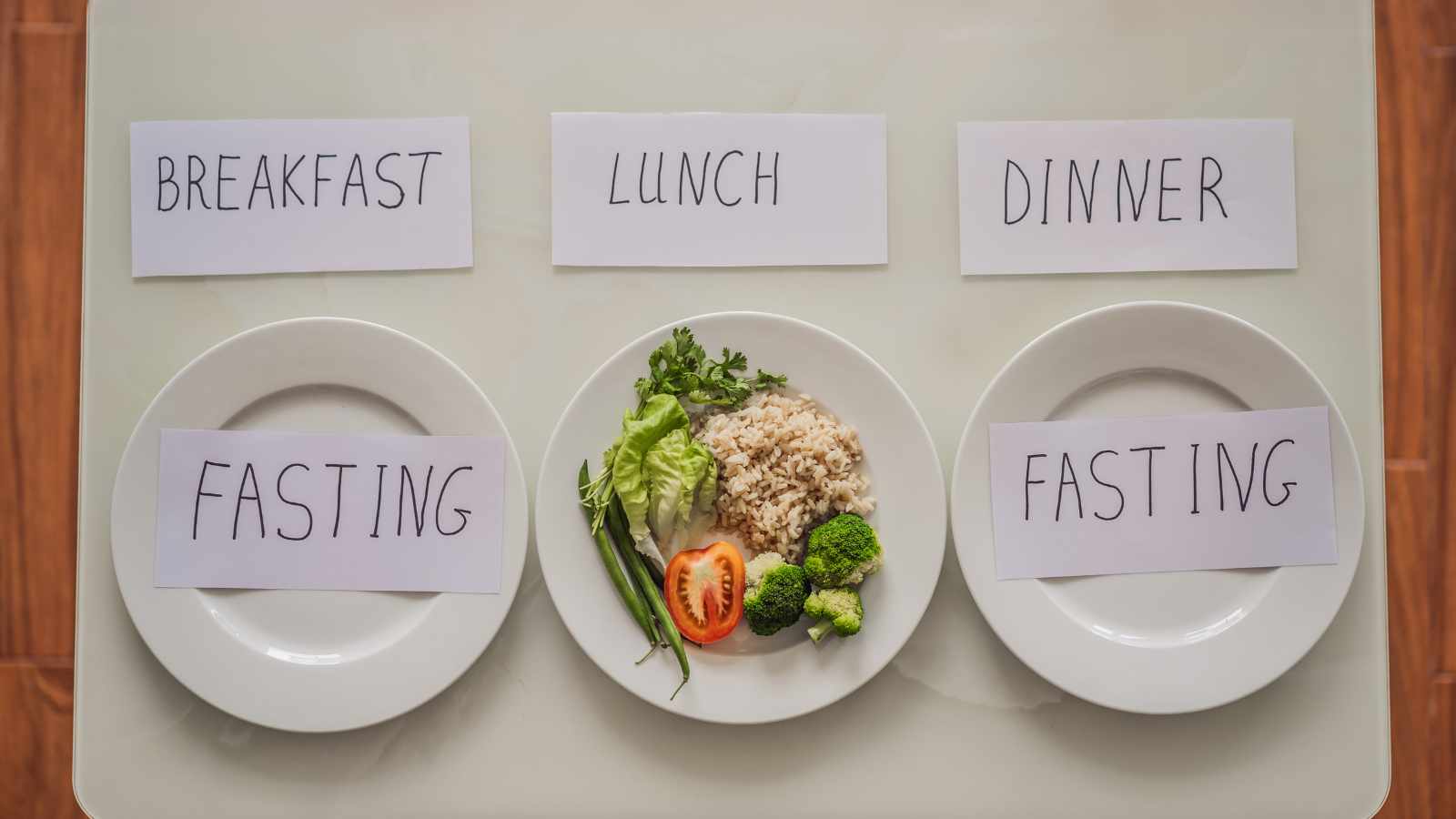
Skipping meals, particularly breakfast, is a quick way to cut calories and lose weight. However, this is counterproductive. When you skip meals, your body becomes starved, slowing your metabolism to conserve energy, which makes it harder for you to burn calories and can lead to overeating later in the day.
Setting Unrealistic Goals

When it comes to weight loss, setting realistic goals is vital. Many people make the mistake of aiming for an unattainable weight or a rapid rate of weight loss; this can lead to disappointment and frustration when these goals are not met, potentially derailing your progress. Instead, set small, achievable goals to achieve your desired weight.
Relying on Fad Diets

Fad diets may promise quick results, but they are often unsustainable and negatively affect overall health. These diets typically involve severe calorie restrictions or cutting out entire food groups, which can lead to nutritional deficiencies and other health problems. Instead, focus on long-term lifestyle changes that include a balanced and varied diet.
Not Getting Enough Sleep

Lack of sleep can significantly impact weight loss efforts. When you’re sleep-deprived, your body produces more of the hunger hormone ghrelin and less of the satiety hormone leptin, making you more likely to overeat. Lack of sleep can also affect your energy levels and motivation to exercise. Aim for 7-9 hours of quality sleep each night to support your weight loss journey.
Neglecting Strength Training

While cardio exercises are great for burning calories, neglecting strength training can be a mistake. Strength training helps build muscle mass, which increases your metabolism and burns more calories even at rest. It also helps improve overall strength and muscle tone, giving you a leaner and more defined appearance.
Not Drinking Enough Water

Staying hydrated is essential for overall health, but it’s especially crucial when losing weight. Drinking water can help with weight loss by increasing metabolism, reducing hunger and cravings, and flushing out toxins.
Ignoring Mindful Eating

Many must be mindful of mindlessly eating while distracted or on the go. This can lead to overeating, as you may need to pay more attention to your body’s hunger and fullness signals. Practicing mindful eating, or being present and aware while eating, can help you better gauge your body’s needs and prevent overeating.
Not Tracking Your Progress

Tracking your progress is crucial for staying motivated and on track with your weight loss goals. You can do this in various ways, such as keeping a food journal, tracking your workouts, or monitoring your weight and measurements. Seeing tangible progress can help you stay motivated and adjust your plan.
Comparing Yourself to Others

Comparing yourself to others on their weight loss journeys can be demotivating and counterproductive. Everyone’s body is different, and results will vary based on genetics, lifestyle, and other factors. Instead of comparing yourself to others, focus on your progress and celebrate small victories.
Relying Solely on Supplements

While supplements may be marketed as weight loss aids, they are not a magic solution. Many supplements have not been proven to be effective for weight loss and can even have harmful side effects. Focusing on getting essential nutrients through a balanced diet rather than relying on supplements is best.
Skipping Post-workout Recovery

Recovery is a crucial part of any workout routine, but many people neglect it when trying to lose weight. Refueling your body with proper nutrition and allowing for rest and recovery time can help prevent injuries and improve overall performance. Neglecting recovery can also lead to burnout and hinder your weight loss progress.
Not Considering Mental Health

Weight loss involves more than just physical changes; it’s also important to consider mental health. Stress, anxiety, emotional eating, and other mental health issues can impact weight loss efforts. Addressing these underlying factors and finding healthy coping mechanisms to support overall well-being is essential.
More From Health Makes You

15 Best Dinner Foods That Can Help You Reach Your Weight Loss Goals

Eating the right foods can help you shed those extra pounds. The key is to ensure that the food you eat is packed with nutrients and low in calories, and we’ve compiled this list of the best dinner foods for weight loss.
15 Best Dinner Foods that Can Help You Reach Your Weight Loss Goals
20 Reasons You Are Just Not Losing Weight Despite Your Best Efforts

Despite spending countless hours at the gym and following strict diets, you may still struggle to shed those extra pounds. What could be the reason? Here are 20 possible explanations why weight loss may happen slower than expected.
20 Reasons You Are Just Not Losing Weight Despite Your Best Efforts
15 Things Doctors Wish You Knew About Losing Weight

One major factor that stops people from seeing desired changes in their weight loss journey, despite their healthy lifestyle choices, is following outdated advice or making wrong choices. Here are 15 things that doctors wish you knew about losing weight.
15 Things Doctors Wish You Knew About Losing Weight
10 Foods That Could Be Preventing You From Losing Weight

Embarking on a weight loss journey can be challenging as it requires discipline, commitment, and an understanding of how foods affect your body. Not all foods are good for you; some nestle into your daily diet, like silent saboteurs, hindering your results.
This article unmasks foods that secretly prevent you from achieving your weight loss goals, which is why the needle on your scale refuses to budge despite your best efforts.
10 Foods That Could Be Preventing You From Losing Weight
This article was produced on Health Makes You.