
Kidney health is something most people don’t think about until there’s a problem. These two hardworking organs filter toxins, balance fluids, and regulate essential hormones, yet they are often overlooked in daily health routines. Kidney disease develops silently, with symptoms appearing only in the later stages, making prevention absolutely important.
Here are 10 essential kidney health tips you need to start following today, because taking care of your kidneys now means a healthier future.
1. Stay Hydrated, But Don’t Overdo It

Water is essential for kidney function. It helps flush out toxins and prevents kidney stones. However, drinking excessive amounts of water won’t “cleanse” your kidneys—in fact, too much water can put unnecessary stress on them.
Aim for 6 to 8 glasses of water per day, but adjust based on your activity level and climate. If you’re sweating a lot or have a history of kidney stones, you may need more. A good rule of thumb is to check your urine: pale yellow means you’re well-hydrated; dark yellow means you need more water.
2. Maintain a Balanced Diet

Your diet directly impacts your kidney health. Eating too much processed food, sodium, and sugar can increase your risk of kidney disease. Instead, focus on a kidney-friendly diet that includes:
- Leafy greens like spinach and kale (in moderation if you have kidney disease).
- Lean proteins such as chicken, fish, and tofu.
- Whole grains like brown rice, quinoa, and whole wheat bread.
- Healthy fats from sources like olive oil, nuts, and avocados.
3. Reduce Sodium Intake

Too much salt can raise blood pressure, which puts extra stress on your kidneys. The recommended daily sodium intake is less than 2,300 mg (about one teaspoon of salt). However, most people consume much more than that through processed foods, fast food, and restaurant meals.
To cut down on sodium:
- Cook at home using fresh ingredients.
- Replace salt with herbs and spices.
- Read food labels and choose low-sodium options.
4. Keep Your Blood Pressure in Check

High blood pressure is one of the leading causes of kidney damage. Over time, increased pressure can damage the small blood vessels in the kidneys, reducing their ability to filter waste effectively.
To manage blood pressure:
- Eat a low-sodium diet.
- Exercise regularly.
- Reduce stress through meditation, yoga, or deep breathing.
- Take prescribed medications if necessary.
Aim for a blood pressure reading of 120/80 mmHg for optimal kidney health.
5. Manage Blood Sugar Levels
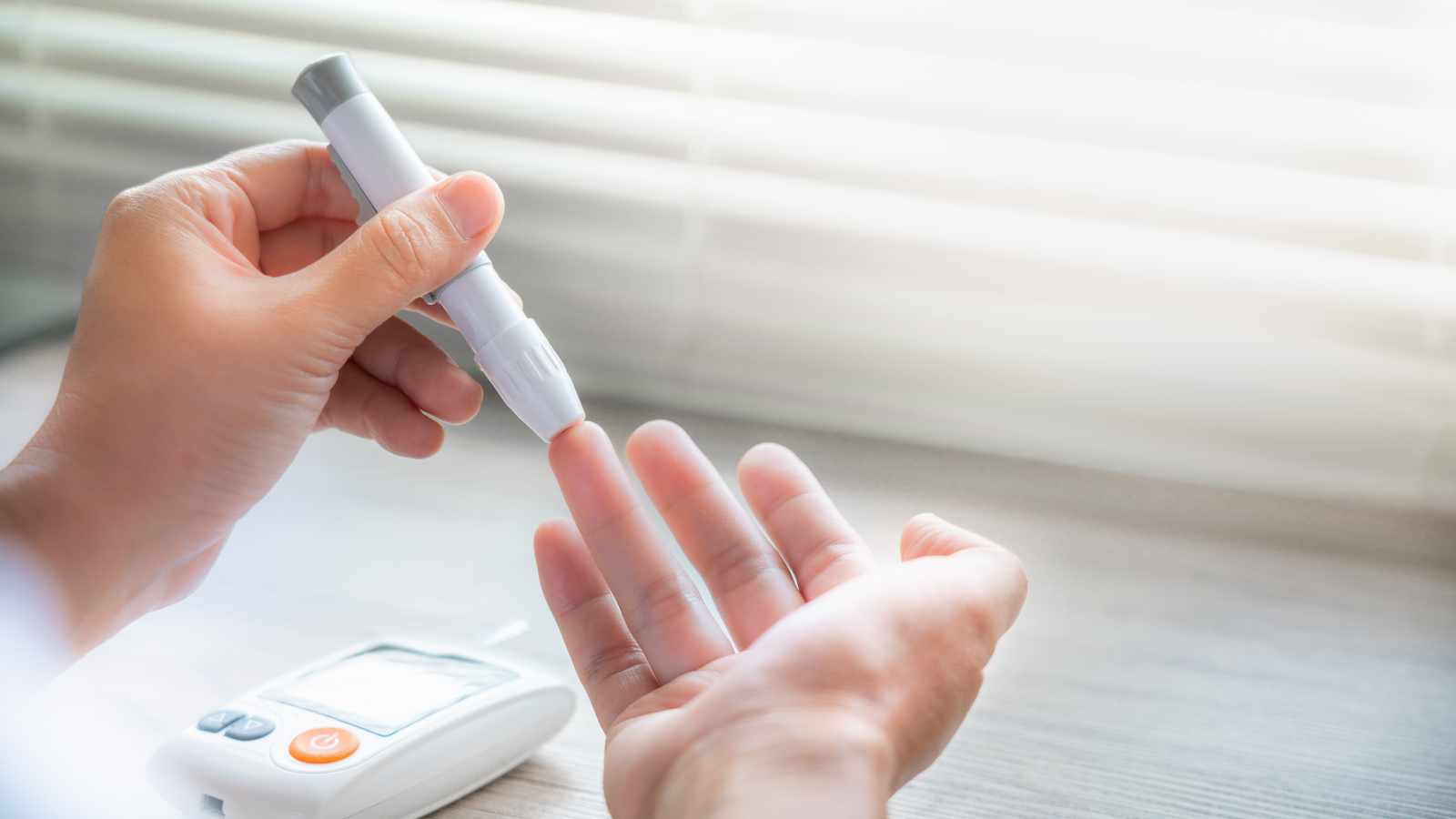
If you have diabetes or prediabetes, uncontrolled blood sugar can damage kidney function. Over time, high glucose levels can lead to diabetic nephropathy, a condition where the kidneys lose their filtering ability.
To protect your kidneys:
- Monitor your blood sugar regularly.
- Follow a balanced, low-glycemic diet.
- Exercise to improve insulin sensitivity.
- Take prescribed diabetes medications as directed.
6. Avoid Overusing Painkillers

Nonsteroidal anti-inflammatory drugs (NSAIDs) like ibuprofen and naproxen can be harsh on your kidneys when taken frequently or in high doses. These medications reduce blood flow to the kidneys, potentially leading to kidney damage over time.
Always consult your doctor before taking any medication regularly.
7. Quit Smoking and Limit Alcohol Consumption

Smoking and excessive alcohol consumption can harm kidney function in multiple ways:
- Smoking reduces blood flow to the kidneys, making it harder for them to function properly.
- Alcohol dehydrates the body, increasing the workload on the kidneys.
- Both habits contribute to high blood pressure, a major risk factor for kidney disease.
If quitting smoking feels overwhelming, talk to a healthcare provider about cessation programs or nicotine replacement therapy.
8. Exercise Regularly, But In Moderation

Physical activity helps maintain a healthy weight, lower blood pressure, and improve circulation, all of which benefit kidney health. However, overexercising, especially intense workouts without proper hydration, can cause rhabdomyolysis, a condition where muscle breakdown products can overload the kidneys.
Aim for 30 minutes of moderate exercise, such as walking, swimming, or cycling, at least five days a week.
9. Get Regular Kidney Function Tests
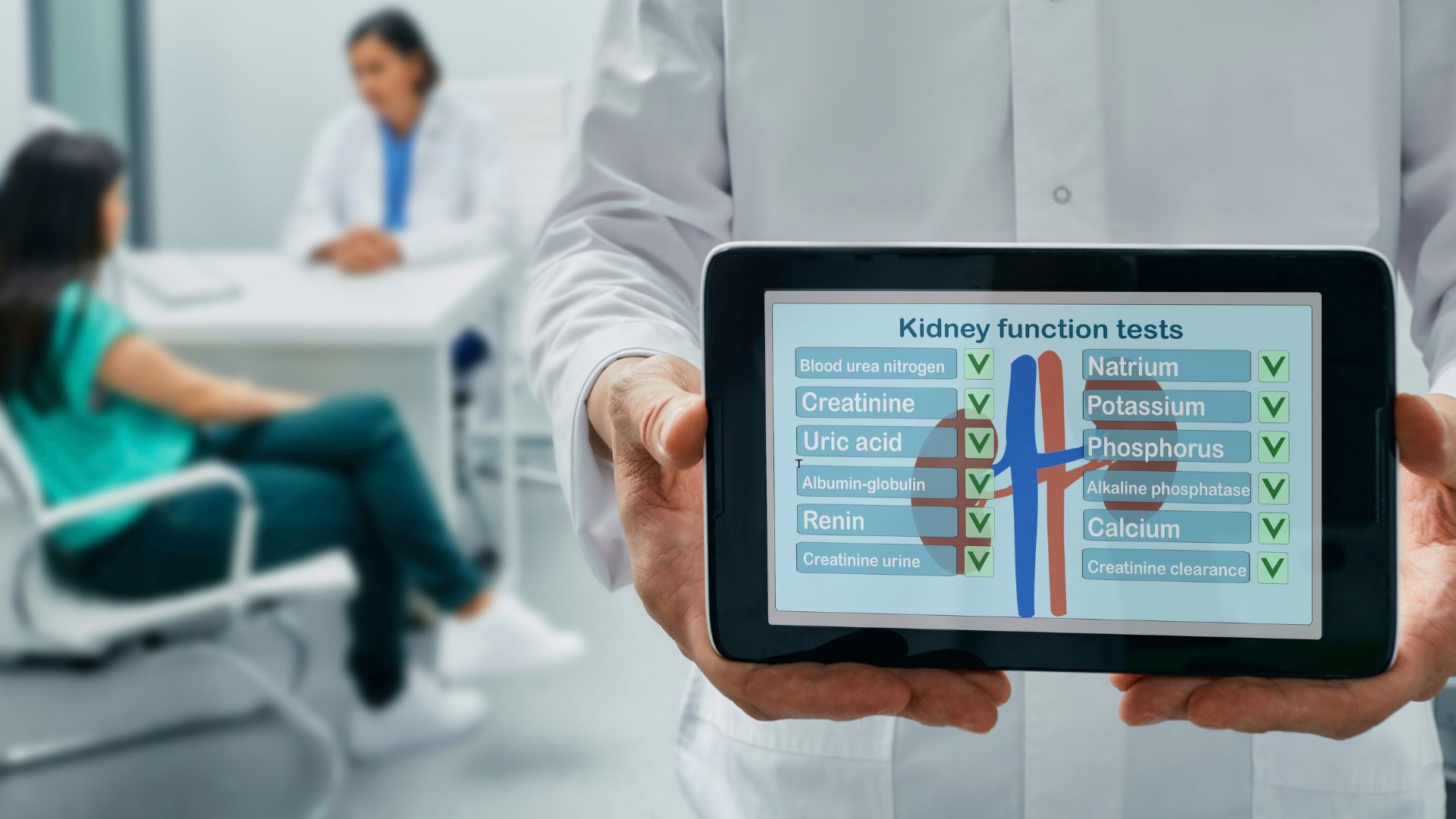
Kidney disease doesn’t always show symptoms until it’s advanced, so regular checkups are crucial, especially if you have risk factors like diabetes, high blood pressure, or a family history of kidney problems.
Two common tests to monitor kidney health are:
- Blood test (eGFR – Estimated Glomerular Filtration Rate): Measures how well your kidneys filter waste.
- Urine test (Albumin-to-Creatinine Ratio): Checks for protein leakage, which can indicate early kidney disease.
Early detection can prevent further damage and improve treatment outcomes.
10. Get Enough Sleep and Manage Stress

Your kidneys work around the clock, and rest is essential for their repair and recovery. Poor sleep has been linked to increased blood pressure and inflammation, both of which can harm kidney function.
To improve sleep and reduce stress:
- Maintain a consistent sleep schedule.
- Avoid caffeine and screens before bed.
- Practice relaxation techniques like meditation or deep breathing.
Chronic stress releases hormones that raise blood pressure and impact kidney function, so managing stress is just as important as diet and exercise.
Conclusion
Your kidneys are vital for your overall health, and small lifestyle changes can make a big difference in protecting them.
By staying hydrated, eating a balanced diet, managing blood pressure and blood sugar, and avoiding harmful habits, you can keep your kidneys functioning properly for years to come.