
A fiber-rich diet is one of the most effective ways to keep your heart healthy and your digestive system running smoothly. Fiber helps reduce cholesterol levels, manage blood pressure, and maintain a steady blood sugar balance. For those following a plant-based diet or simply wanting to add more whole foods to their routine, fiber is easy to get from natural sources like fruits, vegetables, legumes, and whole grains.
Eating enough fiber not only supports heart health but also promotes fullness, helps control weight, and supports good gut bacteria. Experts recommend at least 25–30 grams of fiber daily, yet most people fall short. Including more fiber-rich, plant-based foods in your meals is a simple step toward better cardiovascular health and overall wellness.
Here are 11 plant-based foods high in fiber that help support a healthy heart and long-lasting energy.
1. Lentils
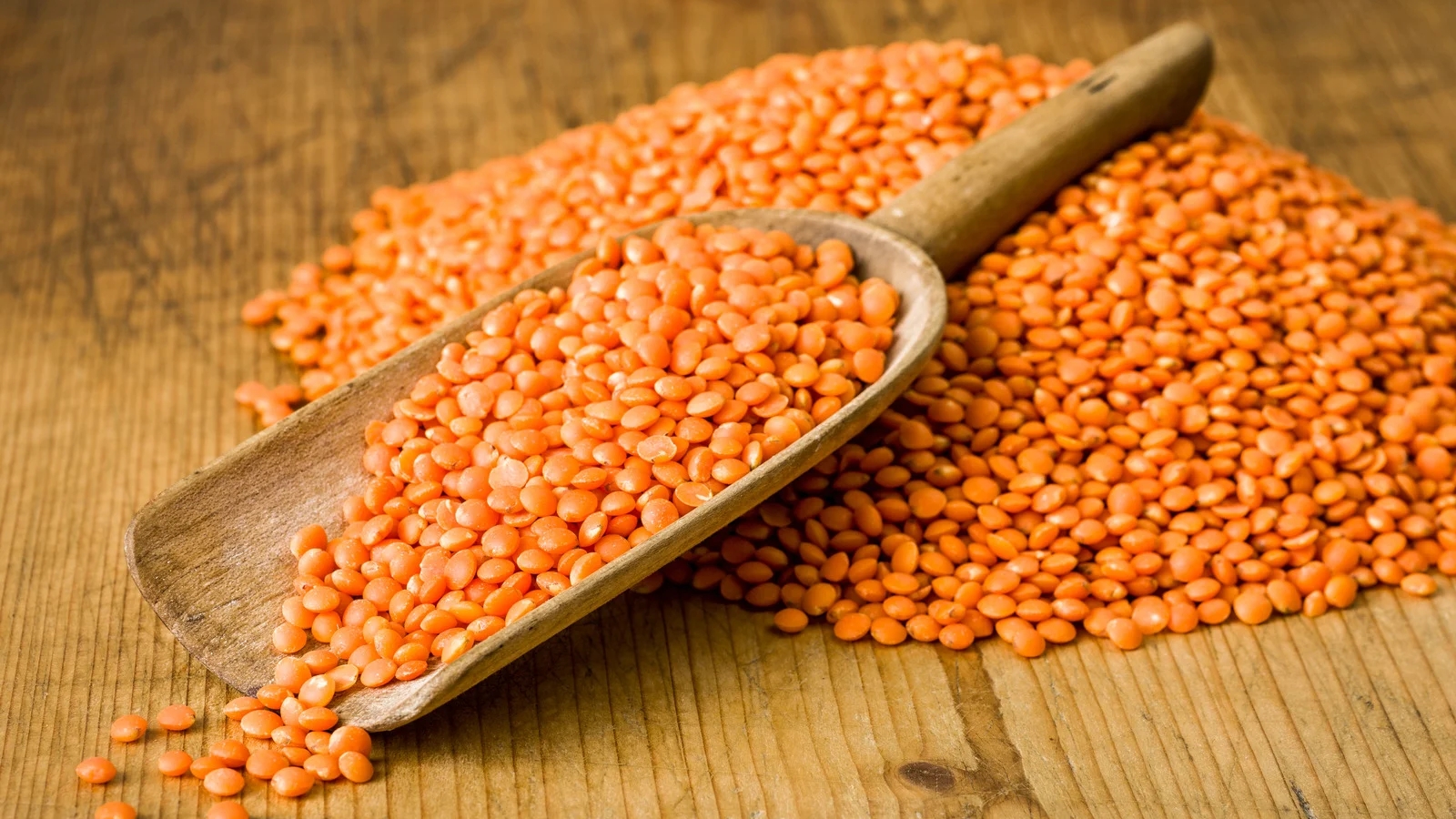
Lentils are one of the most nutrient-dense and affordable sources of plant-based fiber. Just one cup of cooked lentils provides about 15–16 grams of fiber, along with protein, iron, and potassium—all of which support a strong heart.
You can add lentils to soups, stews, or salads to boost fiber and protein intake. They’re also an excellent substitute for ground meat in tacos or wraps. Lentils help lower LDL cholesterol and stabilize blood sugar, making them a top choice for heart health.
2. Chickpeas

Chickpeas, also known as garbanzo beans, are rich in both soluble and insoluble fiber. One cup of cooked chickpeas offers around 12 grams of fiber and plenty of plant protein. The soluble fiber helps lower low-density lipoprotein (LDL) cholesterol levels, reducing the risk of heart disease.
They can be used in salads, curries, or roasted for a crunchy snack. Blending them into hummus adds a creamy, heart-friendly dip packed with fiber and minerals.
3. Oats
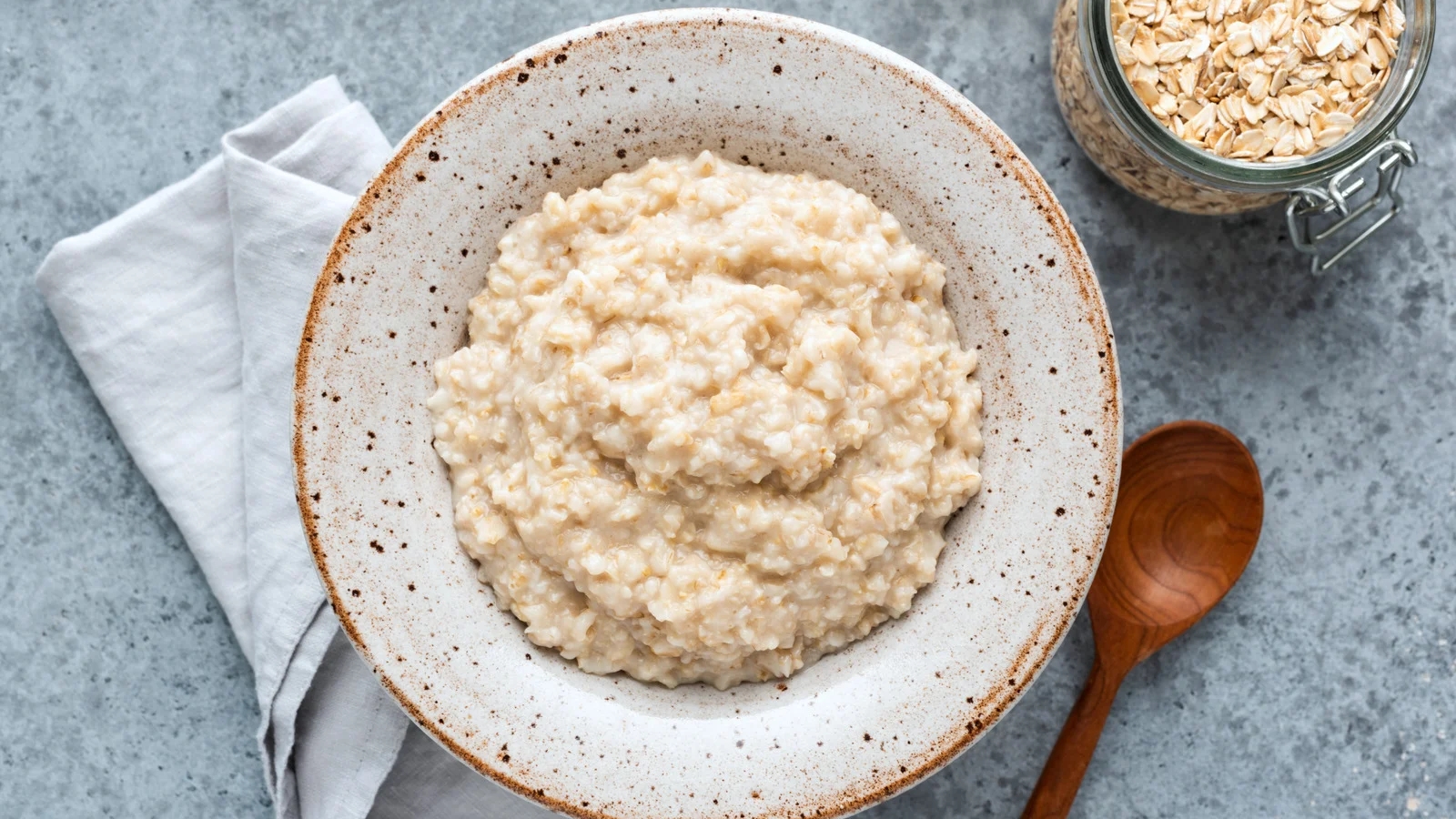
Oats are one of the best-known heart-healthy foods thanks to their beta-glucan content—a type of soluble fiber that helps lower cholesterol. A single cup of cooked oats provides about 4 grams of fiber and keeps you full for hours.
Eating oatmeal regularly can help improve circulation and maintain steady blood pressure. You can enjoy them as warm porridge, overnight oats, or in homemade energy bars. Oats are also gluten-free, making them a good choice for those with sensitivities.
4. Black Beans
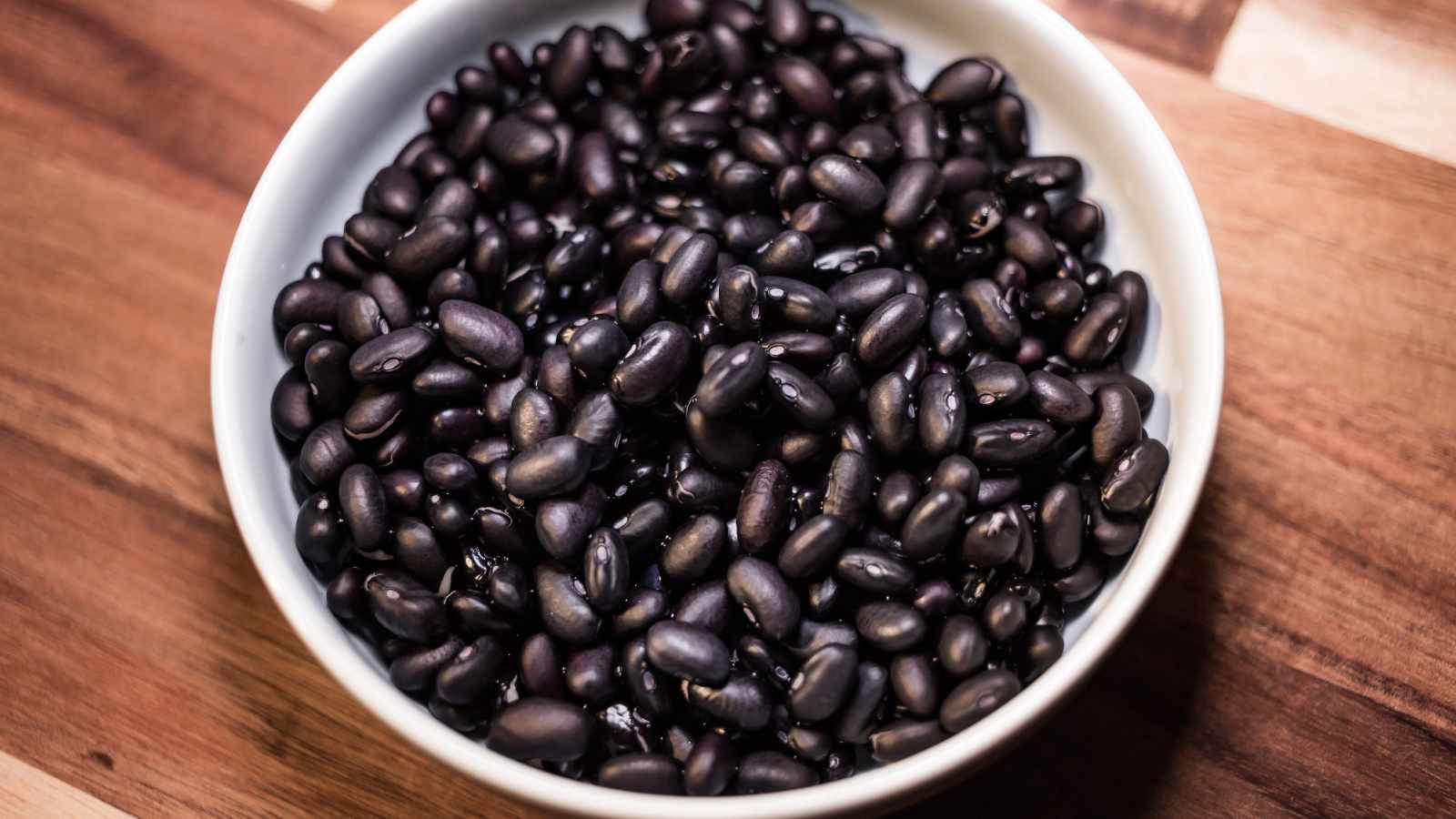
Black beans are packed with fiber, protein, and antioxidants. One cup of cooked black beans contains about 15 grams of fiber, making them one of the best options for improving heart and gut health.
The fiber helps lower LDL cholesterol while keeping your digestive system balanced. Adding black beans to burrito bowls, chili, or salads is an easy way to make your meals more filling and heart-friendly.
5. Chia Seeds

Chia seeds are tiny but incredibly nutrient-dense. They deliver about 10 grams of fiber per ounce and are rich in omega-3 fatty acids, which also benefit heart health. When soaked in liquid, they form a gel-like texture that slows digestion and stabilizes blood sugar levels.
You can sprinkle chia seeds on smoothies, yogurt, or oatmeal. Mixing them into puddings or baked goods is another great way to enjoy their fiber and nutrient benefits.
6. Apples

Apples are one of the most accessible fruits and are high in fiber. A medium-sized apple provides about 4 grams of fiber, most of which is found in the skin. The soluble fiber, pectin, helps lower cholesterol and supports gut health.
Eating apples regularly may help regulate blood sugar and reduce inflammation, both of which are important for heart health. Pair an apple with nuts or nut butter for a balanced, fiber-filled snack.
7. Broccoli
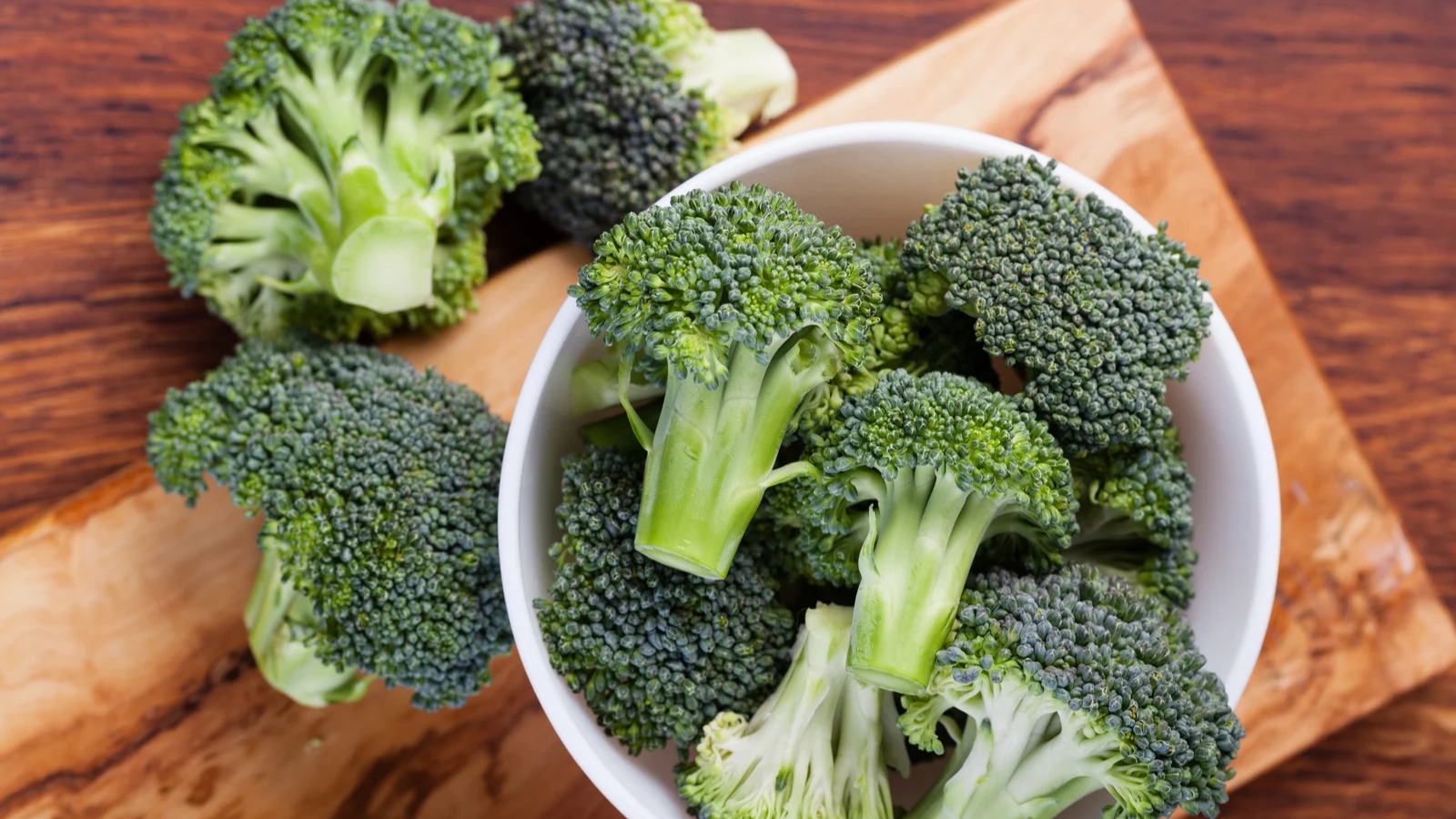
Broccoli is a cruciferous vegetable known for its fiber, vitamins, and heart-protective compounds. One cup of cooked broccoli provides around 5 grams of fiber along with vitamin C, potassium, and antioxidants.
The fiber and antioxidants in broccoli help lower cholesterol and protect against arterial damage. Add it to stir-fries, pasta dishes, or grain bowls for a simple boost in fiber and nutrients.
8. Quinoa
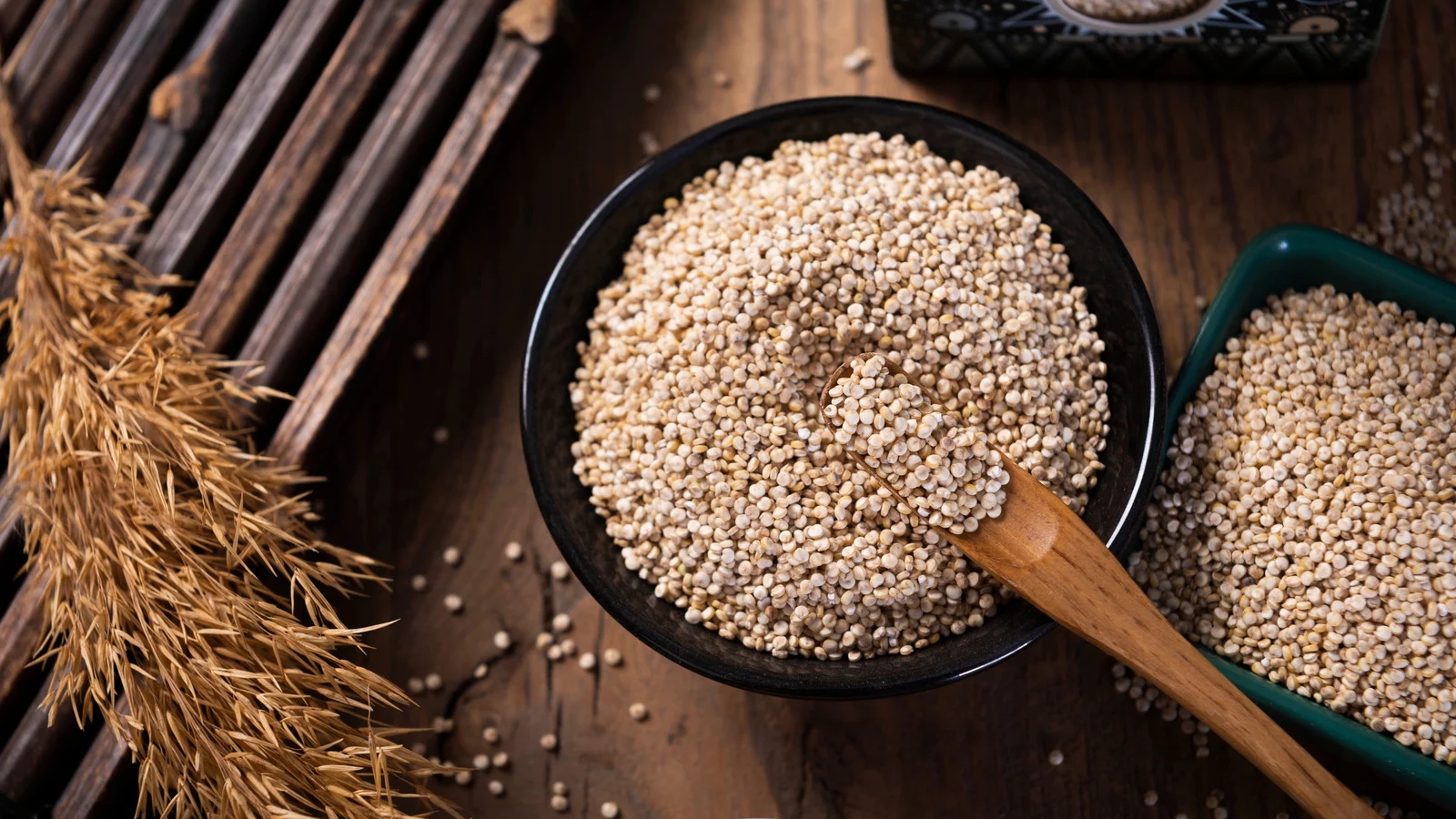
Quinoa is a gluten-free grain that contains both fiber and complete protein. One cup of cooked quinoa has about 5 grams of fiber, along with magnesium and antioxidants that promote heart function.
It’s easy to use quinoa as a base for salads, bowls, or side dishes. Its combination of fiber and protein helps you stay full longer and supports stable blood sugar levels.
9. Avocados

Avocados are a rich source of both fiber and heart-healthy fats. One medium avocado contains about 10 grams of fiber and plenty of potassium, which helps regulate blood pressure.
Including avocado in your meals can improve cholesterol balance by raising HDL (good) cholesterol and lowering LDL (bad) cholesterol. Add slices to sandwiches, salads, or smoothies for extra fiber and healthy fats.
10. Sweet Potatoes
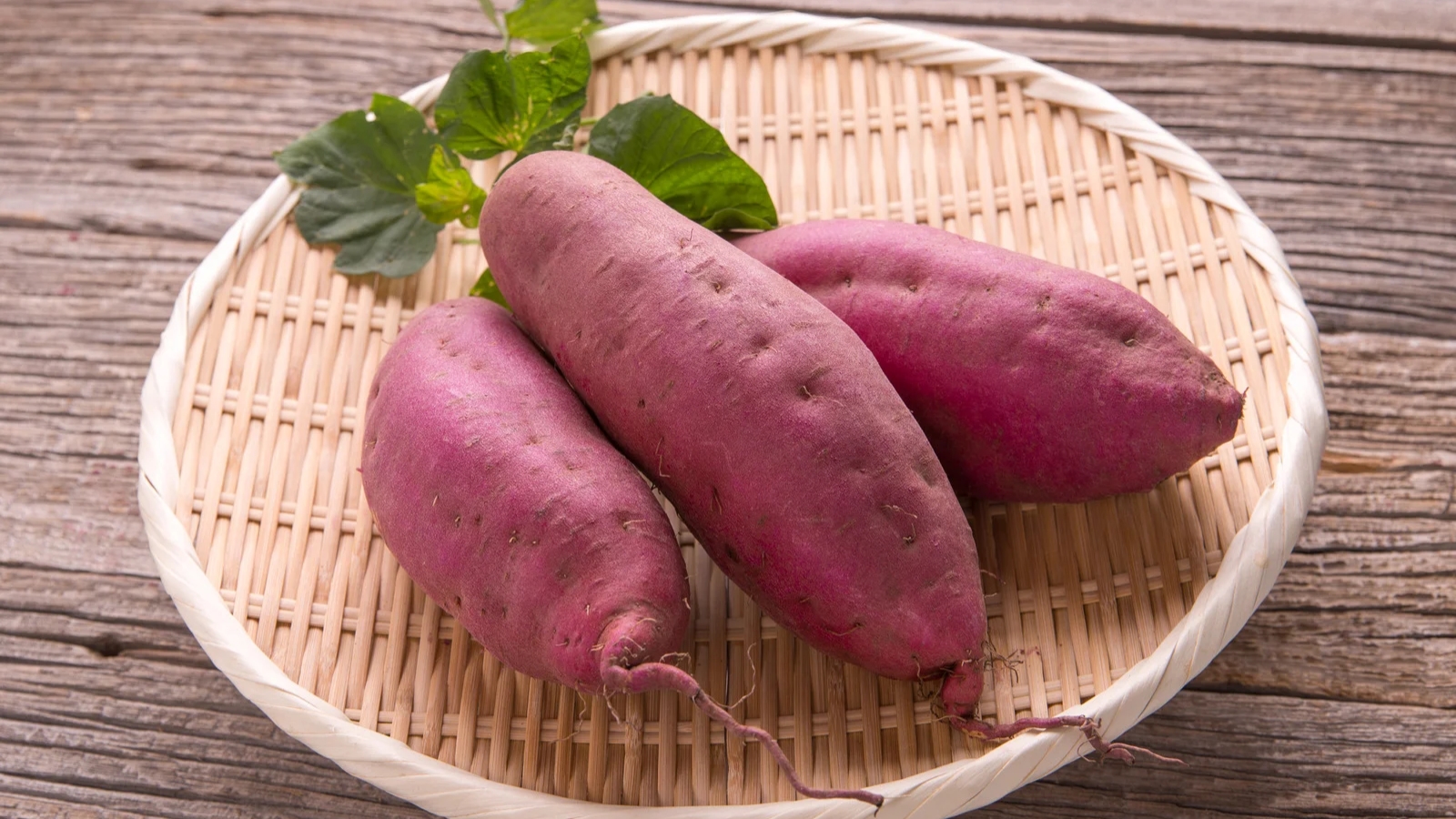
Sweet potatoes are packed with fiber, vitamins, and antioxidants that support heart health. One medium sweet potato provides about 4 grams of fiber, mostly from its skin. The high potassium content also helps control blood pressure.
They can be roasted, mashed, or baked as a side dish or used in salads and bowls. Sweet potatoes’ combination of fiber and slow-digesting carbohydrates provides long-lasting energy and keeps your heart strong.
11. Pears

Pears are another excellent source of soluble fiber. A medium pear contains about 6 grams of fiber, which helps reduce cholesterol and support smooth digestion. The fiber in pears feeds beneficial gut bacteria, improving overall gut and heart health.
Eating pears with their skin ensures you get the most fiber. They make a great snack on their own or a refreshing addition to salads and oatmeal.
How Fiber Supports A Healthy Heart
A high-fiber diet plays a key role in reducing heart disease risk. Fiber helps lower LDL cholesterol by binding to it in the digestive system, preventing absorption into the bloodstream. It also helps maintain steady blood sugar levels, which reduces the strain on your cardiovascular system.
Other benefits include:
- Improved digestion and nutrient absorption.
- Better weight management due to longer-lasting fullness.
- Reduced inflammation that can damage blood vessels.
- Lower blood pressure through balanced sodium and potassium levels.
Eating a variety of fiber-rich, plant-based foods ensures you get both soluble and insoluble fiber, which work together to promote a healthy heart and strong metabolism.
Simple Ways To Add More Fiber To Your Diet
You can easily increase your daily fiber intake with minor adjustments.
Try these practical ideas:
- Start your day with oatmeal or a smoothie that includes chia or flaxseeds.
- Replace white rice or pasta with quinoa, barley, or brown rice.
- Add lentils or beans to soups, salads, or wraps.
- Snack on fruits with skins, such as apples or pears.
- Include a serving of vegetables with every meal.
Gradually adding more fiber helps your digestive system adjust comfortably. Pair fiber-rich foods with plenty of water to aid digestion and maximize benefits.
Conclusion
A plant-based diet rich in fiber supports heart health, improves digestion, and keeps you feeling satisfied longer. By incorporating foods like lentils, oats, chickpeas, fruits, and vegetables into your meals, you can naturally lower cholesterol, regulate blood sugar, and maintain a healthy weight.
Small changes, like swapping refined grains for whole ones or adding beans to your meals, can make a big difference over time. Prioritize a variety of fiber-rich, plant-based foods, and your heart will thank you with steady energy, improved circulation, and long-term vitality.