
Food poisoning hits fast and often without warning. Symptoms like stomach cramps, nausea, vomiting, and diarrhea can leave you feeling drained and miserable. While severe cases need medical care, many mild forms can be managed at home with the right approach.
This article walks you through seven fast-acting remedies that may ease symptoms and support recovery using common household items. Let’s explore what works and why.
1. Drink Ginger Tea to Ease Nausea Quickly

Ginger is widely known for calming the stomach and reducing nausea. It contains compounds like gingerol, which may reduce gut inflammation and support smoother digestion. Drinking warm ginger tea is one of the easiest ways to settle your stomach without medication.
To make it, peel and slice a small piece of fresh ginger, then steep it in boiling water for 10 minutes. Sip it slowly once it cools slightly. This can help reduce vomiting and cramping without putting strain on your system.
2. Use Activated Charcoal to Trap Toxins Early

Activated charcoal may help bind toxins and reduce their effects when taken early during food poisoning. It works by trapping unwanted substances in the digestive tract before they’re absorbed into the bloodstream. This method is most effective within the first hour or two after symptoms begin.
Charcoal is available in capsules or powder form and should be taken with water. Make sure to follow instructions carefully. Do not take it alongside medications, as it can interfere with their effectiveness.
3. Follow the BRAT Diet to Calm Your Stomach
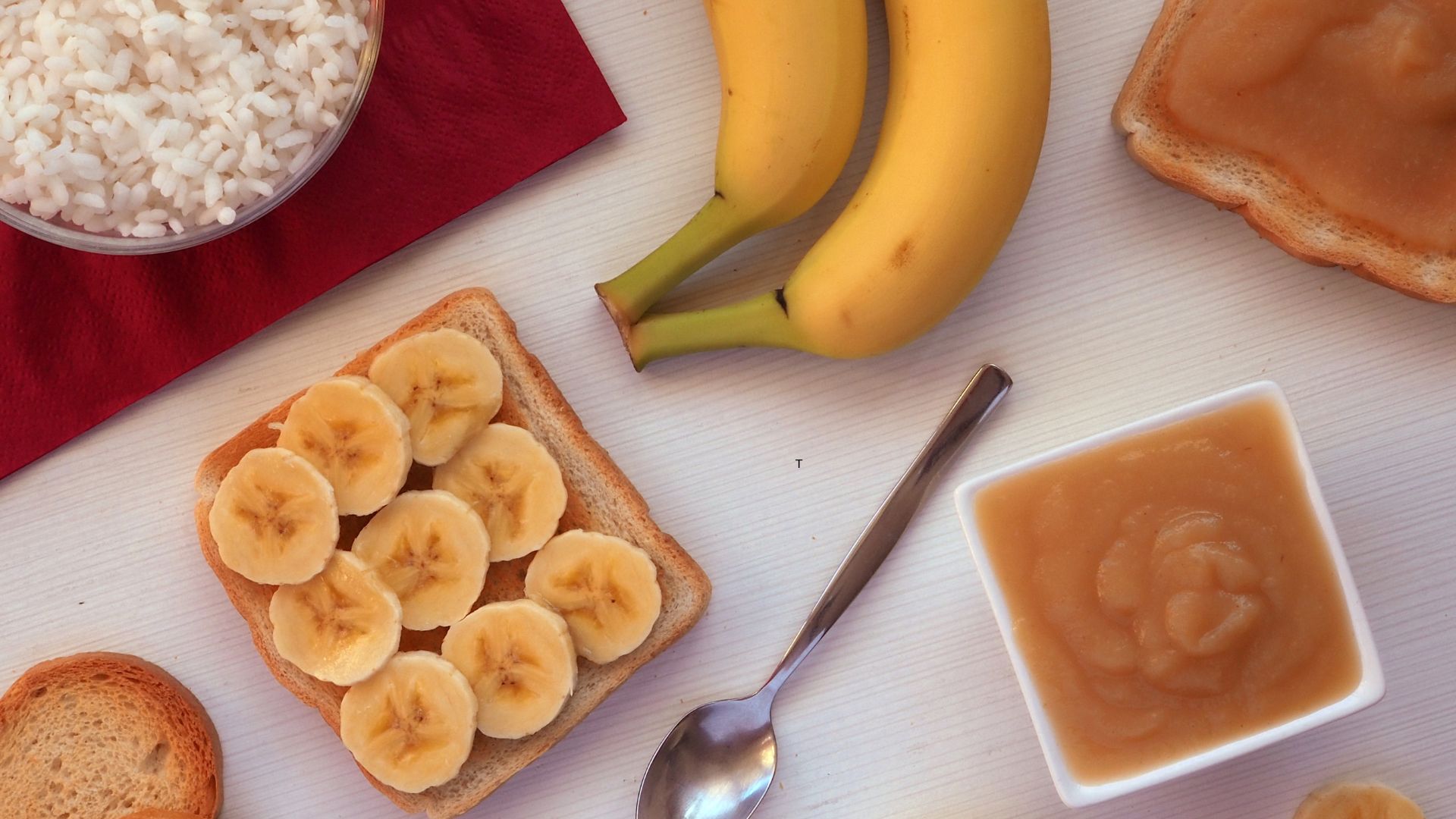
After vomiting slows down, it’s important to eat foods that are gentle on the stomach. The BRAT diet (bananas, rice, applesauce, and toast) provides simple, bland options that help firm up stool and restore some energy. These foods are low in fiber and unlikely to irritate your stomach.
Bananas also provide potassium, which your body loses during diarrhea. Applesauce contains natural pectin that may slow down bowel movements. Eat small portions and see how your body responds before moving on to regular meals.
4. Restore Fluids with Oral Rehydration Solution

When dealing with food poisoning, staying hydrated is essential. You lose fluids and electrolytes through vomiting and diarrhea, and replacing them quickly helps avoid fatigue and dizziness. Oral rehydration solutions (ORS) are designed to do just that.
You can make a basic ORS at home by combining one liter of clean water with six teaspoons of sugar and half a teaspoon of salt. Sip the solution slowly throughout the day. This mixture helps your body absorb fluids more efficiently than plain water.
5. Try Diluted Apple Cider Vinegar to Support Digestion

Apple cider vinegar, when used properly, may help balance your stomach’s pH and promote digestion. Some people find it useful for easing mild stomach discomfort. Its acidity can create an environment that’s less favorable to harmful bacteria.
Mix one tablespoon of raw apple cider vinegar into a cup of warm water. Drink it before eating or during mild symptoms. If your stomach is very sensitive, skip this method until you’re feeling stronger.
6. Pause Eating to Let Your Gut Reset

When your digestive system is under stress, a short fasting period can help. Giving your gut a few hours of rest may reduce nausea and cramping. It also allows the body to focus on clearing out whatever caused the issue.
Stick to fluids like water or electrolyte drinks during this time. Once your stomach settles, gradually reintroduce bland foods. If you feel weak or symptoms get worse, eating small amounts may be better than waiting too long.
7. Introduce Probiotic Foods After Symptoms Improve

Once the worst has passed, probiotic-rich foods can help rebuild your gut bacteria. These beneficial microbes play a role in digestion and immune response. Yogurt, kefir, and fermented vegetables like sauerkraut contain live cultures that may help restore balance.
Start with small servings of plain yogurt or kefir. These options are usually gentle on the stomach. Avoid probiotic supplements until your system has stabilized, as they may be too strong during early recovery.
Conclusion
Food poisoning is never pleasant, but you can manage many of its effects with basic home remedies. From calming teas to electrolyte solutions and bland meals, each method plays a role in supporting recovery. The key is to act early and give your body the space and nutrients it needs to heal.
While these tips may help with mild cases, don’t ignore signs of severe dehydration or prolonged illness. When in doubt, consult a healthcare provider. Still, for many, these simple remedies offer a reliable first line of defense right from the kitchen.