
Wearing glasses is often a necessity for women dealing with vision issues like myopia, hyperopia, or astigmatism. But while corrective lenses help compensate for these problems, they don’t address the root causes of declining eye health. Fortunately, science has shown that diet plays a powerful role in protecting your vision and supporting long-term ocular wellness.
This article explores seven nutrient-dense foods that women who wear glasses should add to their diet to help reduce eye strain, slow age-related degeneration, and potentially support improved visual clarity. Let’s see them!
1. Carrots: The Beta-Carotene Powerhouse
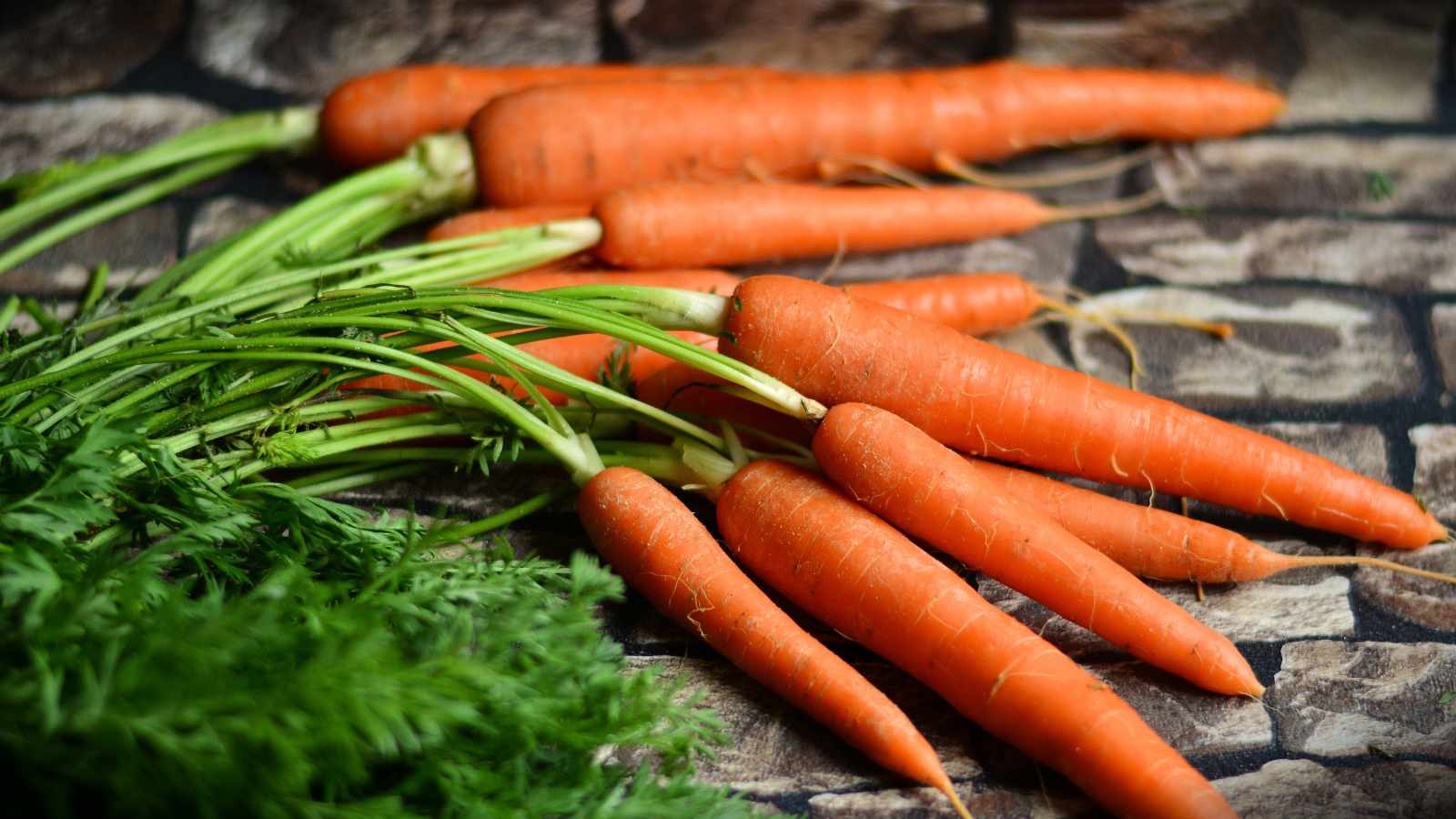
Carrots are probably the most well-known eye health food, and for good reason. They’re packed with beta-carotene, a precursor to vitamin A, which is essential for maintaining a healthy retina and preventing night blindness. Women with vision problems often suffer from dry eyes or reduced low-light vision, which can be linked to vitamin A deficiency.
Additionally, beta-carotene acts as an antioxidant, helping neutralize free radicals that damage eye cells.
How to eat it: Add shredded carrots to salads, roast them with olive oil, or blend into smoothies for a nutrient-packed eye booster.
2. Spinach: Rich in Lutein and Zeaxanthin

Spinach and other dark leafy greens are loaded with lutein and zeaxanthin, two carotenoids that are deposited in high concentrations in the macula of the eye. These compounds act like natural sunglasses by absorbing harmful blue light and reducing oxidative stress in retinal tissues.
How to eat it: Sauté spinach with garlic, add it to omelets, or blend it raw into a green smoothie to preserve maximum nutrients.
3. Salmon: Your Omega-3 Ally

Cold-water fatty fish like salmon are a prime source of omega-3 fatty acids, particularly DHA (docosahexaenoic acid), which is found in the retina. Omega-3s support the structural integrity of eye cells, reduce inflammation, and combat dry eye syndrome, which is particularly common among women who wear contact lenses or spend hours at a computer.
How to eat it: Enjoy grilled or baked salmon twice a week, or add canned salmon to salads and wraps for a quick dose of eye-healthy fat.
4. Eggs: Bioavailable Lutein and Zinc

Eggs, particularly the yolks, contain bioavailable lutein, zeaxanthin, and zinc, all of which are crucial for eye function. Zinc plays a key role in transporting vitamin A from the liver to the retina and supports night vision.
Unlike plant-based sources of lutein, the form found in eggs is easier for the body to absorb.
How to eat it: Poach, scramble, or boil eggs for breakfast. Pair them with spinach for a double eye-health benefit.
5. Sweet Potatoes: Antioxidant-Rich and Vitamin A Dense

Sweet potatoes are another excellent source of beta-carotene, and just one medium sweet potato can provide more than 100% of the recommended daily value of vitamin A. The bright orange pigment indicates high levels of carotenoids, which support corneal health and combat oxidative stress in ocular tissues.
Sweet potatoes also contain vitamin E, which works synergistically with vitamin C and carotenoids to protect cells in the eyes from free radical damage.
How to eat it: Bake them whole, mash with olive oil, or slice and roast as healthy fries.
6. Citrus Fruits: Vitamin C for Collagen and Eye Vessel Health

Oranges, grapefruits, lemons, and limes are loaded with vitamin C, a powerful antioxidant that helps maintain the blood vessels in your eyes. Vitamin C supports the formation of collagen, which is vital for maintaining the cornea and sclera—the outermost parts of the eye.
Women exposed to environmental stressors such as smoke, pollution, or extended screen use may have an elevated need for antioxidant protection.
How to eat it: Drink fresh-squeezed citrus juice, add slices to your water, or eat them as a midday snack.
7. Sunflower Seeds: Vitamin E and Selenium Support

Sunflower seeds are rich in vitamin E, which, like vitamin C, helps protect the eyes from oxidative damage. A handful of sunflower seeds provides over 40% of your daily vitamin E needs. They also contain selenium, which plays a supporting role in glutathione peroxidase, an enzyme that protects eye tissues from cellular damage.
For women who spend long hours reading or working on digital devices, this protection is especially valuable.
How to eat it: Sprinkle sunflower seeds on yogurt, blend into pesto, or use as a topping for grain bowls and salads.
Conclusion
For women who wear glasses, dietary choices can offer a powerful way to complement vision correction and prevent future decline. These seven foods: carrots, spinach, salmon, eggs, sweet potatoes, citrus fruits, and sunflower seeds, are rich in vitamins A, C, E, lutein, zeaxanthin, omega-3s, and zinc, all of which play key roles in maintaining eye health and visual acuity.
Instead of just relying on corrective lenses, women can take a more proactive role in vision wellness through nutrition, offering long-term protection and possibly even reducing their dependency on glasses over time.