
Disability and wellness are often treated as mutually exclusive in mainstream discussions, but this couldn’t be further from the truth. While every disability is unique, ranging in physical, cognitive, sensory, or mental health dimensions, wellness remains a universal human need.
This article explores seven wellness habits that can make life easier, more empowered, and more balanced for people with disabilities. These habits are grounded in real-world application and inclusive practices, offering adaptable tools for long-term well-being.
1. Prioritizing Energy Management Over Time Management
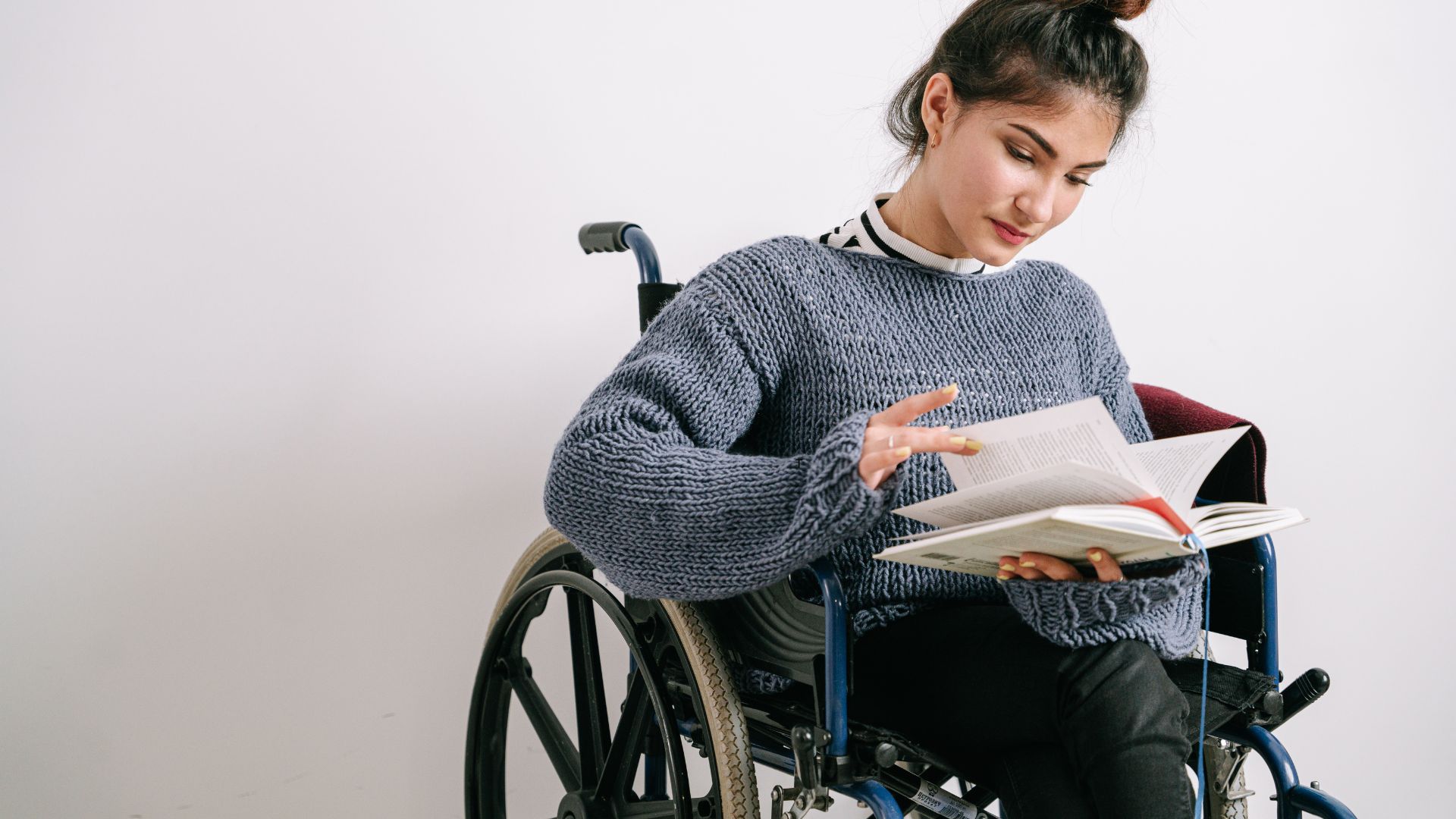
For many disabled individuals, energy, not time, is the limiting resource. Chronic pain, fatigue, or cognitive load can dramatically affect what’s possible in a given day. That’s why building wellness routines around energy levels rather than rigid schedules can drastically improve quality of life.
How to implement this habit:
- Use the Spoon Theory, a popular metaphor that helps track and allocate energy expenditure.
- Identify peak energy periods and plan your most important activities around them.
- Use energy journals or apps to detect patterns in fatigue and adjust routines accordingly.
- Prioritize rest without guilt. Rest is productive.
Focusing on energy also shifts the narrative from productivity to sustainability, a key factor in long-term wellness.
2. Building Accessible Meal Prep Systems
Nutrition plays a critical role in wellness, yet preparing food can be physically or cognitively taxing for many disabled people. Developing a meal system that is both accessible and nutritious can alleviate daily stress and support health goals.
Tips for accessible meal prep:
- Invest in adaptive kitchen tools such as automatic can openers, angled measuring cups, or one-handed cutting boards.
- Batch-cook meals and freeze them in small portions for easy reheating.
- Subscribe to meal kits that cater to dietary needs and reduce planning fatigue.
- Use voice assistants or smart devices to set timers and walk through recipes hands-free.
This habit not only supports physical health but also fosters autonomy and dignity in food choices.
3. Curating a Supportive Digital Environment
For disabled individuals, digital spaces can be gateways to independence but also sources of overwhelm. Developing a supportive digital ecosystem tailored to accessibility needs enhances both mental clarity and daily functioning.
Suggestions:
- Customize your smartphone with accessibility features: voice-to-text, screen readers, enlarged fonts, or gesture navigation.
- Use calendar apps, medication reminders, and habit trackers with clear, intuitive layouts.
- Curate your social media feed to follow supportive, disability-positive voices and mute accounts that drain energy.
A mindful digital environment acts like a virtual assistant, keeping tasks streamlined and reducing mental clutter.
4. Incorporating Gentle, Adaptive Movement
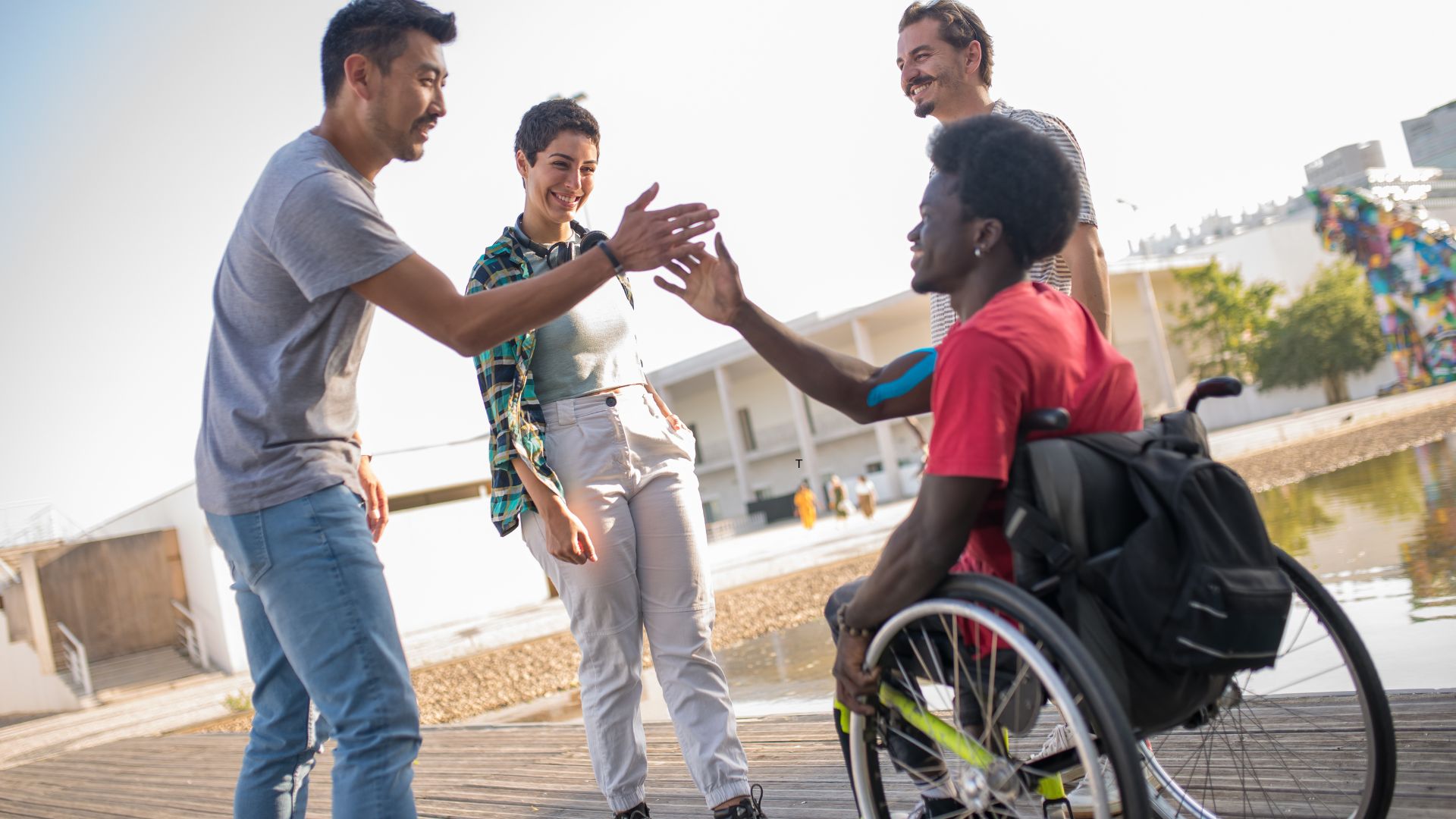
Physical movement benefits both the body and mind, but traditional fitness routines often ignore disabled bodies. The key is to incorporate adaptive movement practices that meet your current abilities and evolve with your needs.
Examples of adaptive movement:
- Chair yoga, seated tai chi, or range-of-motion exercises for mobility-limited individuals.
- Aquatic therapy, which reduces joint stress and supports body weight.
- Guided stretching using apps or virtual coaches specializing in disability wellness.
5. Practicing Mindfulness with a Disability Lens
Mindfulness and mental health practices are often generalized, ignoring the unique stressors faced by disabled individuals, such as ableism, medical trauma, or chronic pain. Developing a disability-informed mindfulness habit can help navigate those challenges with greater emotional resilience.
How to get started:
- Try mindfulness meditations that acknowledge bodily discomfort rather than ignore it (e.g., pain-friendly body scans).
- Explore apps like Insight Timer or Calm with inclusive, customizable sessions.
- Engage in grounding techniques that use accessible sensory cues: sound, touch, or breath to anchor in the present.
6. Creating a Consistent Medical Self-Advocacy Routine
Navigating healthcare systems is one of the most exhausting aspects of disability. Yet, wellness is deeply linked to medical advocacy: keeping appointments, managing prescriptions, asking the right questions, and pushing back when something feels wrong.
Habitual strategies for medical advocacy:
- Maintain a medical logbook or digital tracker for symptoms, questions, and treatments.
- Build a personal “care dossier” with key records, medications, allergies, and provider contacts.
- Role-play appointment conversations with a trusted friend or caregiver to feel prepared.
- Schedule rest before and after medical appointments to manage emotional and physical fatigue.
This habit turns disempowering medical interactions into opportunities for self-determination and better outcomes.
7. Designing Your Space for Comfort and Control
Environmental wellness is often overlooked but essential. Creating a living space that accommodates your physical, sensory, or mental needs can significantly reduce daily friction and increase psychological safety.
Home optimization tips:
- Use lighting that doesn’t trigger sensory overload or migraines (e.g., soft, indirect LEDs).
- Install grab bars, ramps, or voice-activated tech for improved mobility and access.
- Organize your home so essential items are within easy reach, especially in kitchens and bathrooms.
- Set up a dedicated rest area that encourages relaxation and limits stimulation.
When your environment works with you, not against you, wellness becomes more automatic and intuitive.
Conclusion
Wellness for disabled people is about customizing daily habits that reduce friction, promote energy conservation, and foster joy and autonomy. By incorporating strategies like adaptive movement, digital simplification, and accessible meal prep, disabled individuals can build routines that work for them, not against them.
These seven habits are not prescriptive checklists, but empowering blueprints. They remind us that wellness is not one-size-fits-all, and when approached with empathy and creativity, it can become a deeply liberating part of daily life.