
The 1970s ushered in a wave of food trends characterized by convenience, creativity, and bold flavors. Processed foods, packaged mixes, and easy-to-make meals grew popular as families balanced work and home life. At the same time, some retro recipes leaned heavily on presentation, with colorful dishes that often looked as striking as they tasted.
This article takes you back to 15 popular 70s food trends only boomers can remember. You will see how these foods shaped kitchens, dinner parties, and weeknight meals during the decade.
1. Hamburger Helper
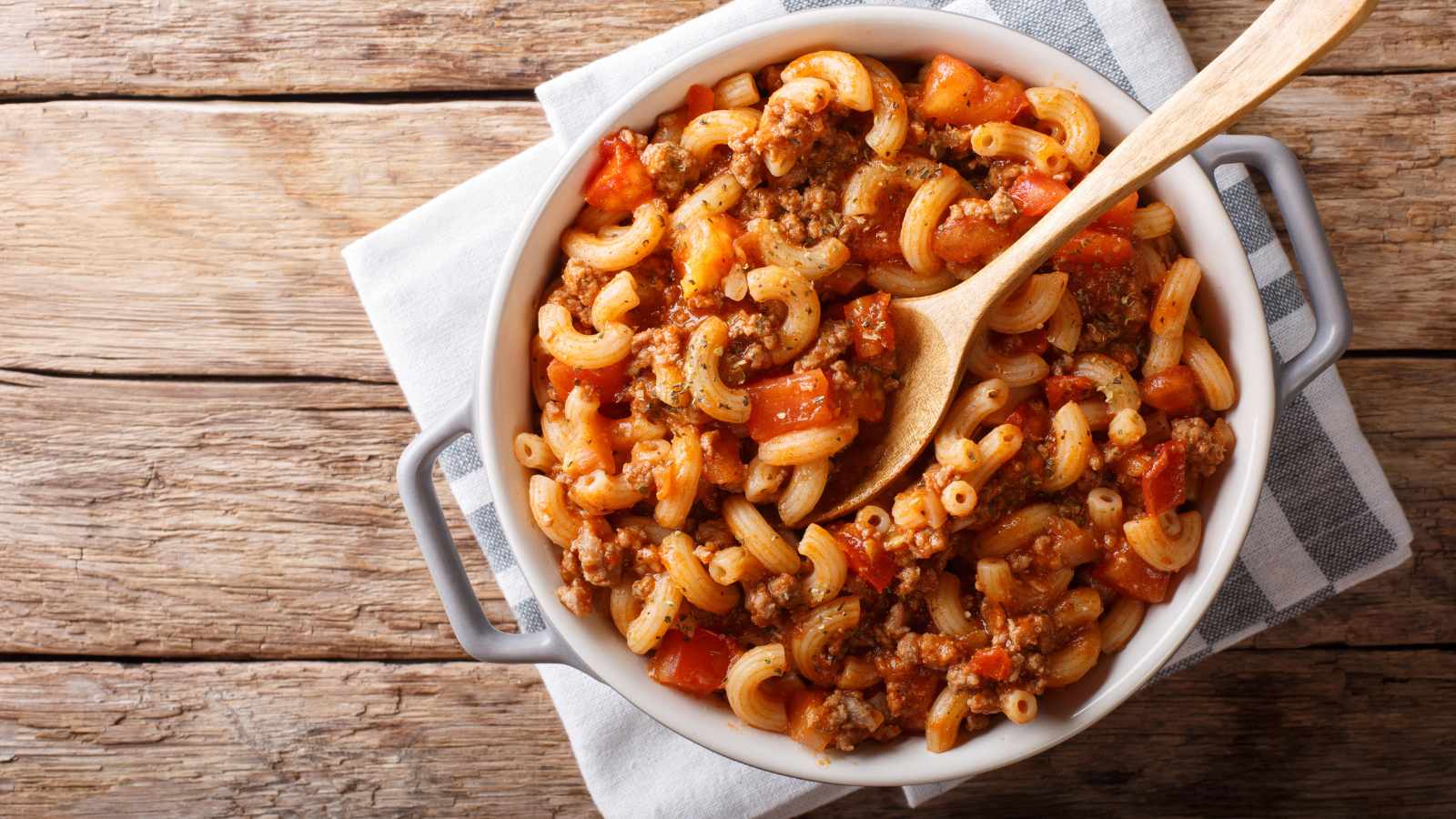
Hamburger Helper made its way into homes as a quick and filling option. With just a box and a pound of ground beef, families had a complete meal in minutes. It gained popularity because it was both affordable and easy to prepare.
Flavors like cheeseburger macaroni and beef stroganoff were staples at the dinner table. Many households relied on it for busy weeknights.
2. Wacky Cake
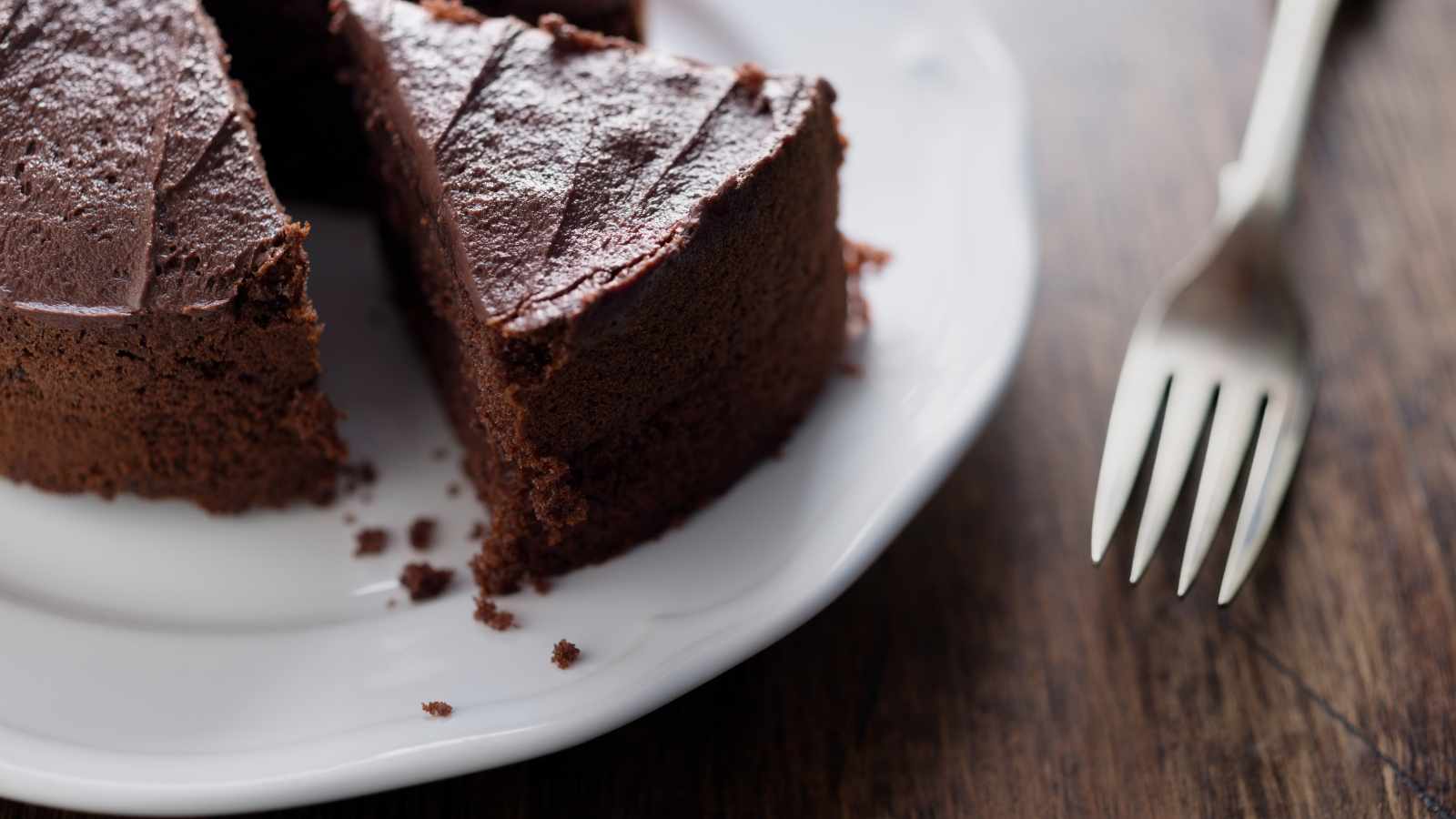
Wacky cake stood out because it did not use eggs, butter, or milk. It relied on vinegar and baking soda to create a moist and fluffy texture. This made it budget-friendly and easy to prepare with pantry staples.
You mixed the dry ingredients directly in the pan, poured in water, oil, and vinegar, and then baked. The result was a rich chocolate cake that became a favorite for birthdays and potlucks.
3. Rice-A-Roni
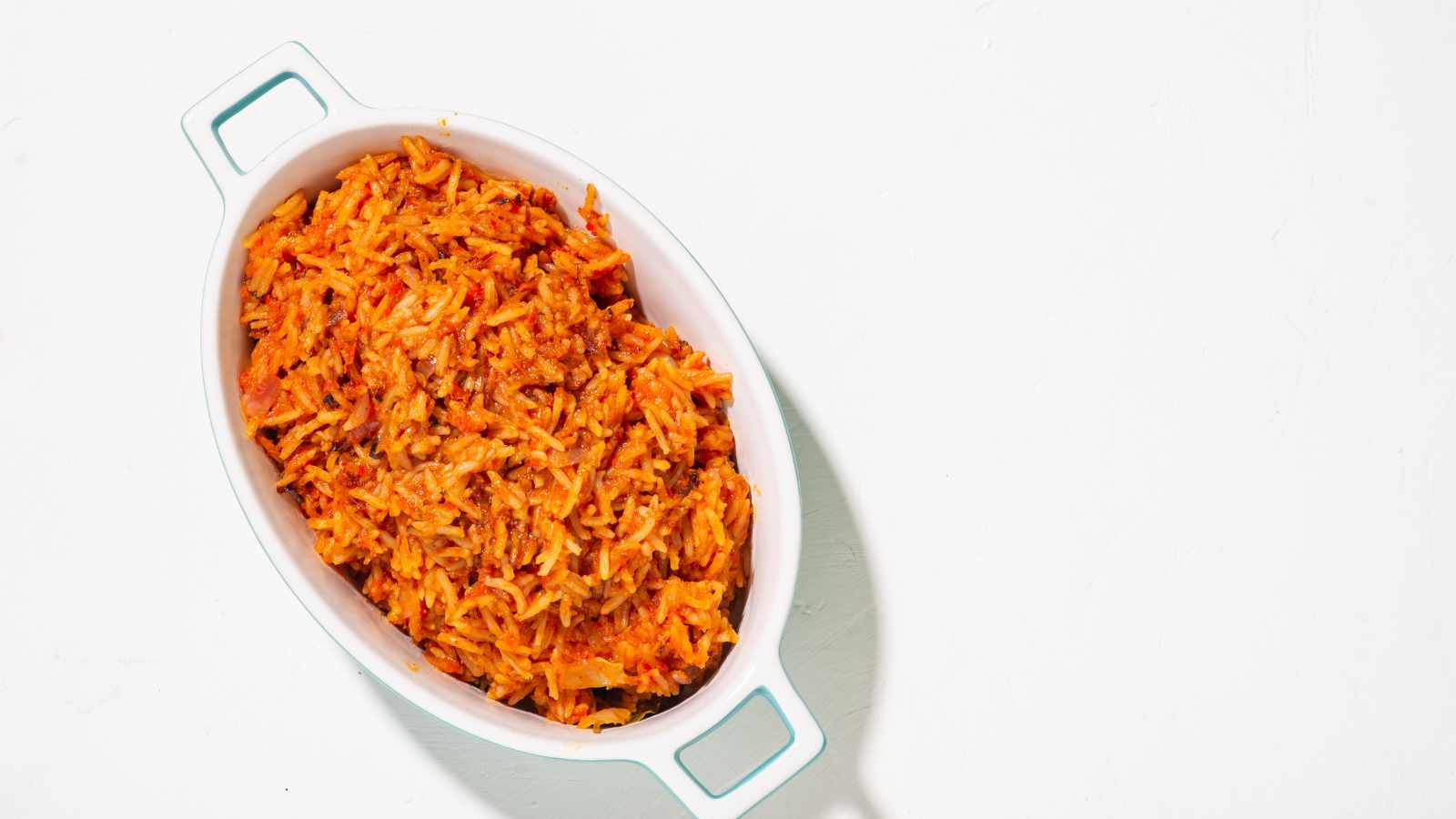
Rice-A-Roni earned the title “the San Francisco treat.” It combined rice, pasta, and seasoning in one box. Families enjoyed it as a side dish or turned it into a meal by adding chicken or vegetables.
Its appeal was in its flavor variety and quick cooking process. It was marketed as a dish that paired well with almost anything.
4. Fondue

Fondue became a centerpiece for gatherings. A communal pot of melted cheese or chocolate brought people together at parties. You dipped bread, fruit, or vegetables into the warm mixture using skewers.
It added a social element to eating that matched the spirit of the decade. Cheese fondue often featured Swiss varieties, while chocolate fondue paired well with strawberries or marshmallows.
5. Spam Luncheon Meat

Spam held its place in many kitchens during the 70s. It was versatile, inexpensive, and easy to store. People fried it, baked it, or mixed it into casseroles.
The canned meat became especially popular in quick lunches. It was often served with eggs at breakfast or on sandwiches.
6. Jell-O Salads
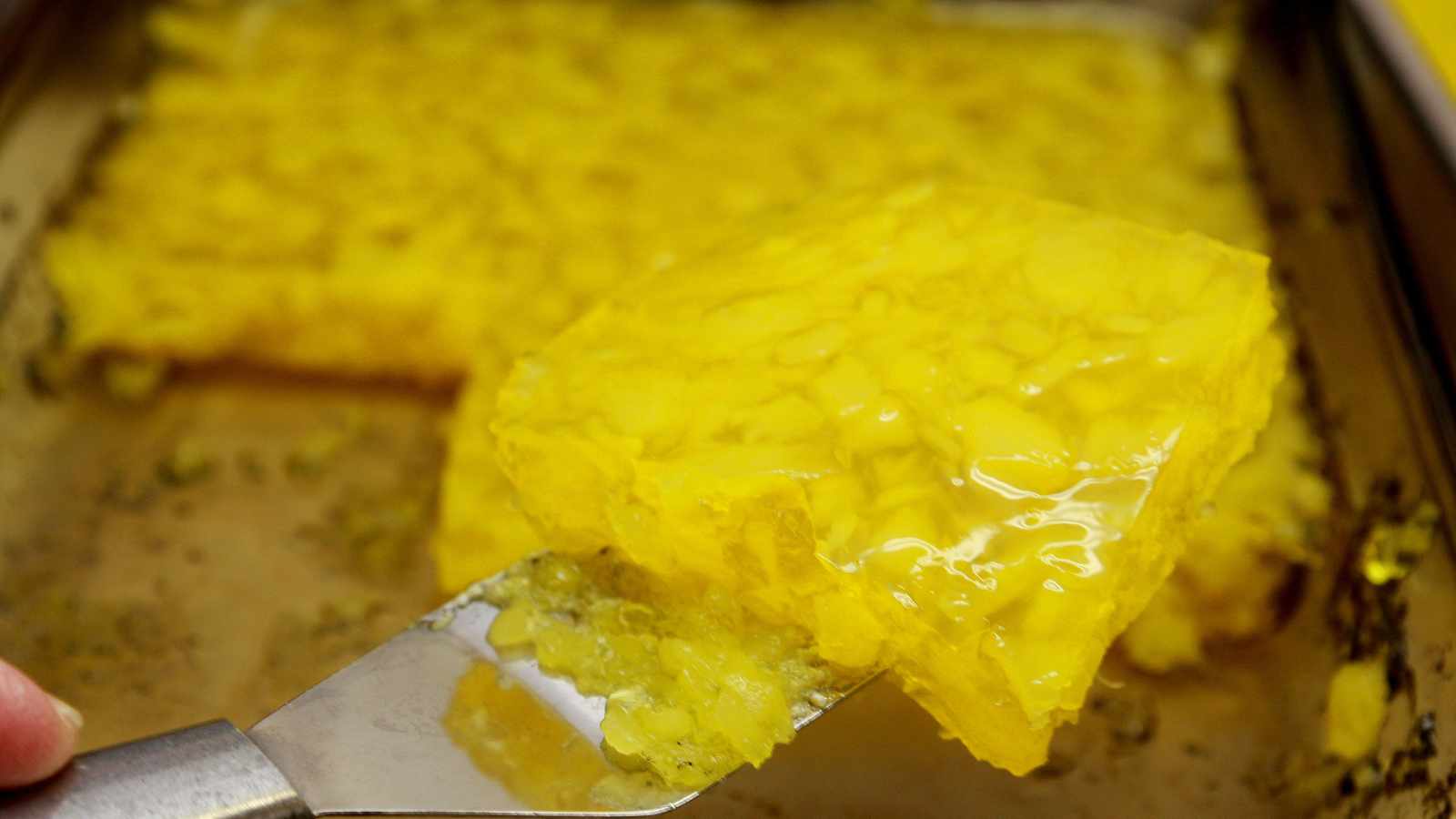
Jell-O salads showcased creativity with color and texture. They often combined gelatin with fruit, marshmallows, cottage cheese, or even vegetables. These dishes stood out on holiday tables.
Some versions leaned sweet, while others were savory. Molded presentations in rings or layers were common for family gatherings.
7. TV Dinners

TV dinners symbolized convenience. Packaged meals with sections for meat, vegetables, and dessert became common in freezers. Families popped them into ovens and enjoyed them in front of the television.
Popular varieties included fried chicken, meatloaf, and turkey with gravy. The tray-style packaging made cleanup quick and easy.
8. Tang
Tang became a household name as a powdered orange drink. It was marketed as a space-age beverage after being used by astronauts. Its sweet and tangy flavor made it a favorite with kids.
Parents liked it because it was shelf-stable and required no refrigeration. It was often served at breakfast alongside cereal or toast.
9. Velveeta Cheese
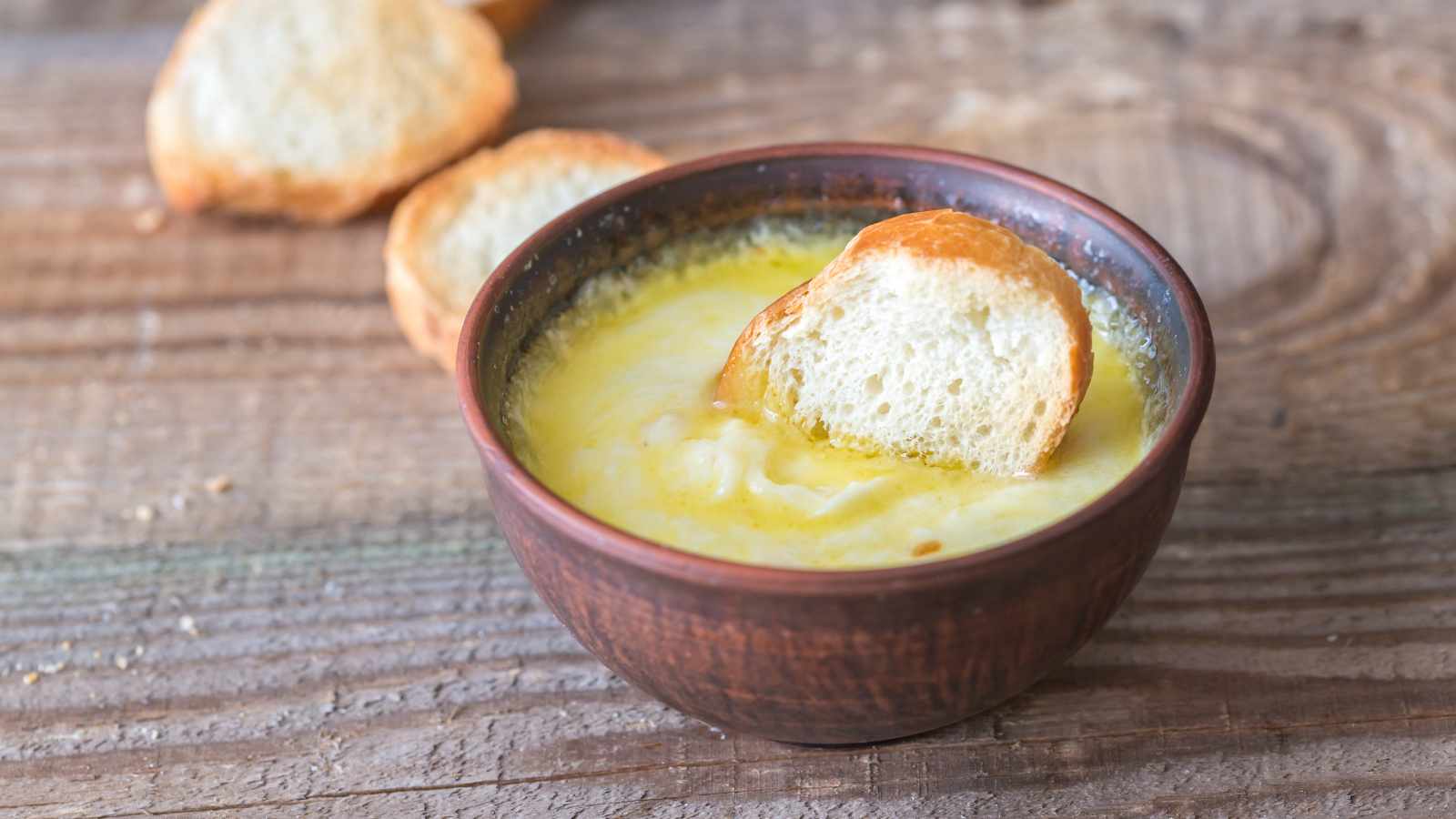
Velveeta gained recognition for its smooth melting qualities. It worked well in dips, sauces, and casseroles. Families relied on it for recipes that called for creamy textures.
Queso dip made with Velveeta and salsa became a party staple. It was also used in macaroni and cheese dishes for extra creaminess.
10. Black Forest Cake
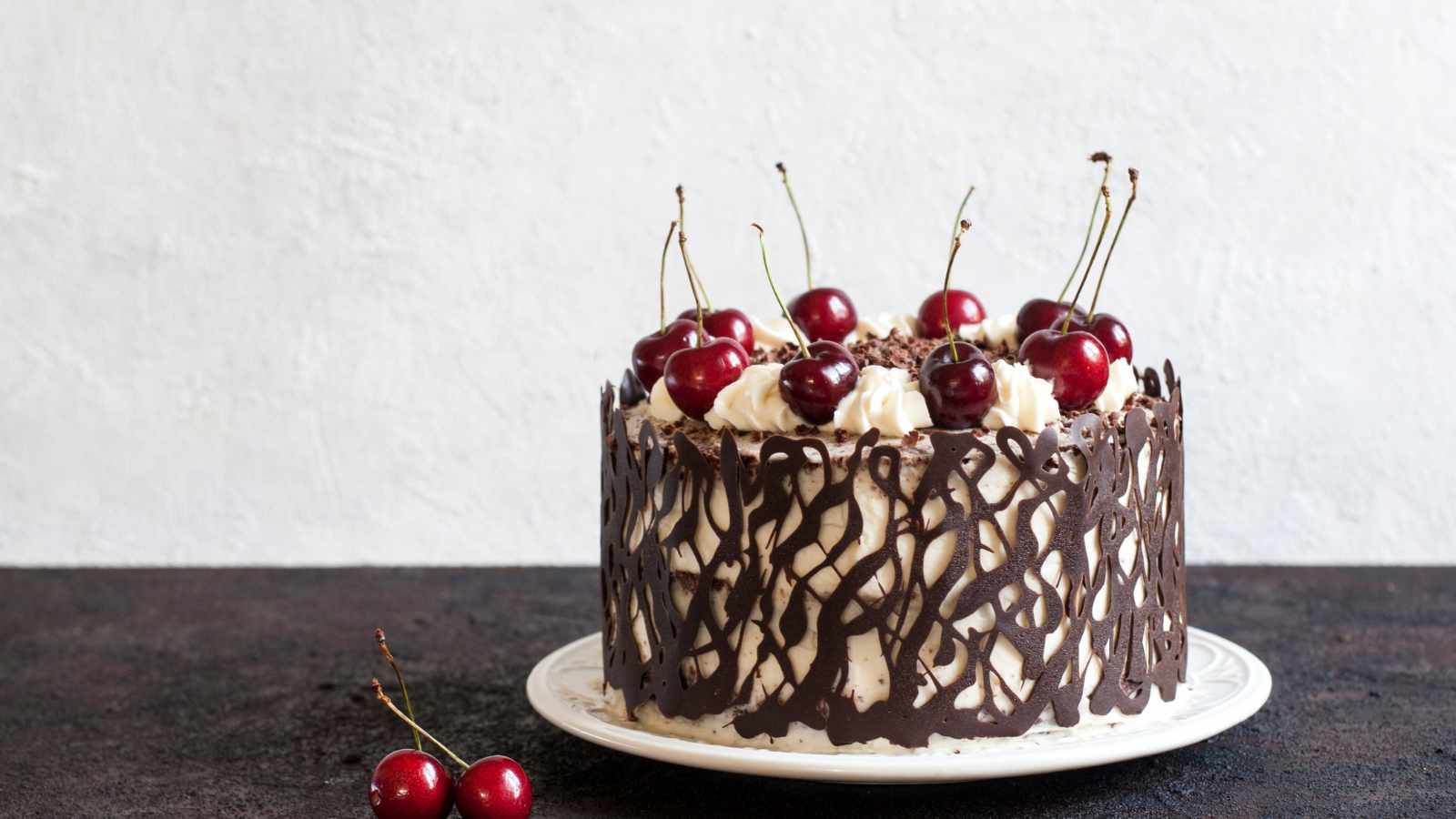
Black Forest cake brought a touch of European style to American kitchens. It combined layers of chocolate cake, whipped cream, and cherries. Many versions used cherry liqueur for added flavor.
The striking contrast of dark cake and bright red cherries made it a popular dessert at celebrations. It was often served at weddings, birthdays, and anniversaries.
11. Deviled Eggs
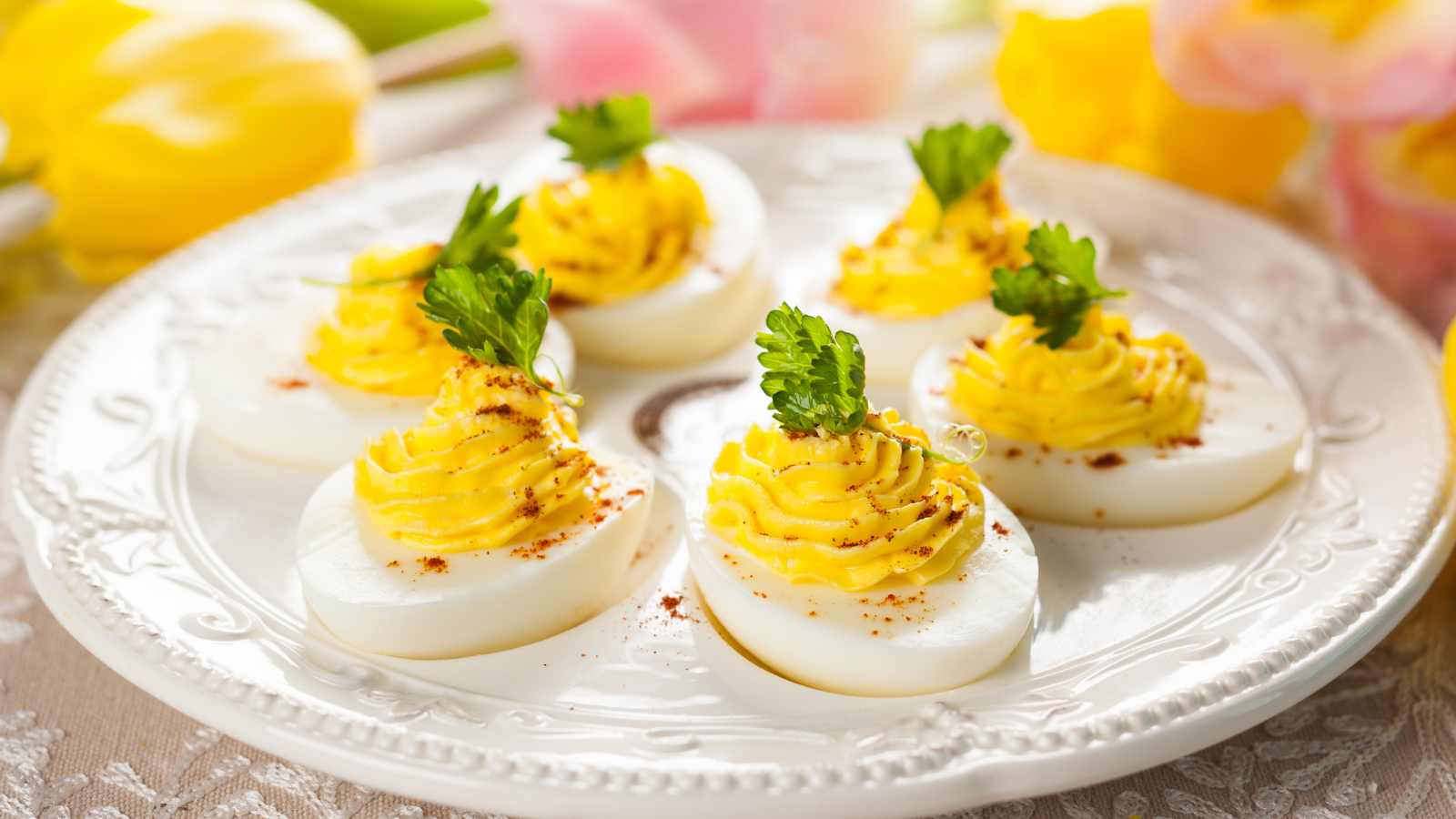
Deviled eggs held their spot as a go-to appetizer. Hard-boiled eggs were halved and filled with a creamy yolk mixture. Mustard, mayonnaise, and paprika were common ingredients.
They were easy to prepare and portable, making them perfect for picnics and potlucks. Different families added their own twist with pickles or relish.
12. Pigs in Blankets
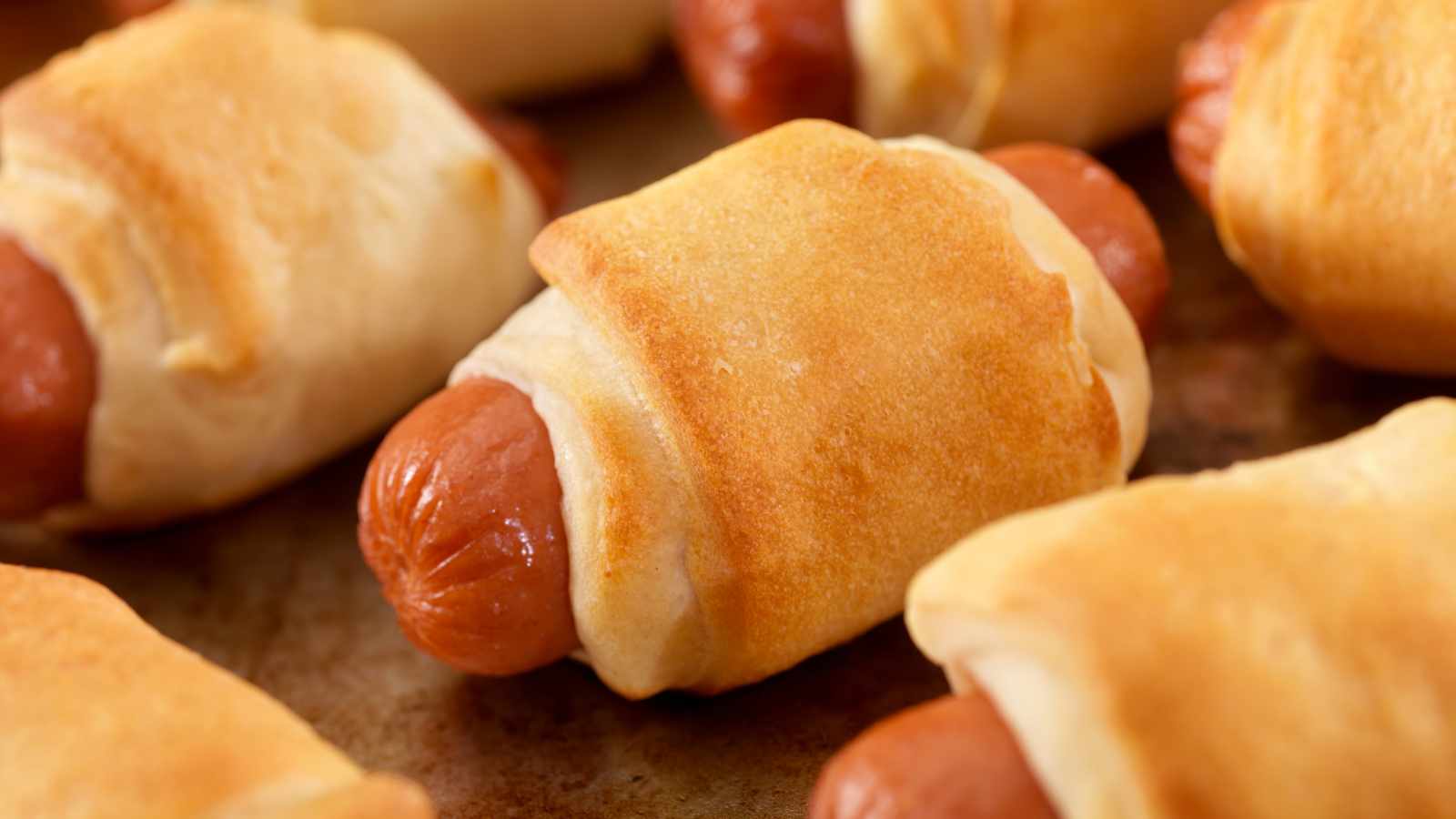
Pigs in blankets appeared often at parties. Small sausages or hot dogs were wrapped in dough and baked until golden. They were simple finger foods that kids and adults enjoyed.
You could dip them in mustard, ketchup, or cheese sauce. Their bite-sized format made them ideal for gatherings and holidays.
13. Ambrosia Salad
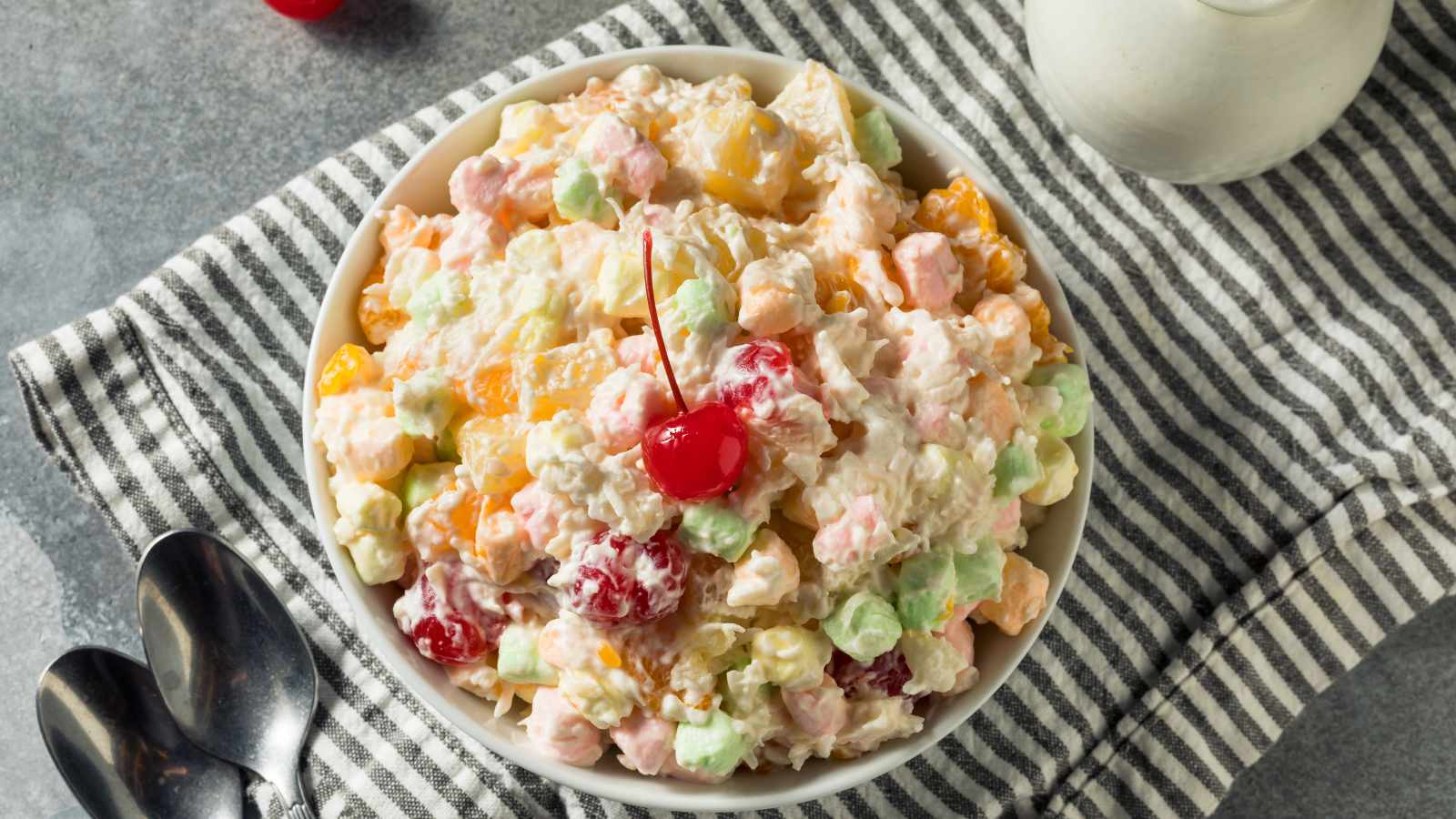
Ambrosia salad reflected the ’70s love for sweet, colorful side dishes. It combined fruit cocktail, coconut, marshmallows, and whipped cream. Sometimes, sour cream or yogurt was mixed in for balance.
This dish often appeared at Easter and Christmas meals. Its creamy and fruity blend gave it a dessert-like appeal.
14. Cheese Straws

Cheese straws were a savory snack made with cheddar, butter, and flour. The dough was rolled and cut into strips before baking. They came out crisp and full of flavor.
They were served at cocktail parties or given as holiday gifts. Some recipes added cayenne pepper for a touch of heat.
15. Watergate Salad

Watergate salad mixed pistachio pudding, canned pineapple, whipped topping, and marshmallows. The result was a fluffy, green dessert that stood out at potlucks.
It carried a quirky name that tied it to the era. Many people remember it as a dish that always appeared on family tables in the 70s.
Conclusion
Food trends in the 1970s reflected a mix of convenience, creativity, and shared experiences. Many dishes relied on packaged ingredients, while others focused on presentation at social events. Together, they shaped how families cooked and ate during the decade.
Looking back, these 15 classic foods show how tastes evolved and how certain dishes captured the spirit of the time. Whether you grew up eating them or have only heard about them, these foods remain a memorable part of 70s food culture.