
Strong bones don’t happen by chance. They rely on consistent, daily actions: what you eat, how you move, and even how much sunlight you get.
This article walks you through nine realistic habits you can build into your day to help support your bone density, joint strength, and overall skeletal resilience. Expect practical strategies backed by nutrition and movement science.
1. Start Your Day with a Calcium-Rich Breakfast

What you eat in the morning sets the tone for bone support throughout the day. A breakfast that includes dairy, fortified plant milk, or leafy greens provides calcium when your body needs fuel most. Bones act as a reserve for this mineral, and consistent intake helps prevent long-term weakening.
You can easily rotate foods like yogurt, chia seeds, tofu, or almonds into your morning to meet daily calcium targets. Skipping breakfast often means skipping essential nutrients too.
2. Spend 15 Minutes in Natural Sunlight

Vitamin D allows your body to absorb calcium effectively. Just 10 to 15 minutes of direct sun exposure on arms, face, or legs can give you a daily boost. It’s a habit that builds quietly over time, supporting the body’s mineral balance.
This doesn’t require tanning or prolonged outdoor time. A mid-morning walk or quick lunch on a balcony is usually enough, depending on your skin tone and location.
3. Add Weight-Bearing Activity to Your Daily Routine

Bones adapt to the stress you place on them. Weight-bearing movement like brisk walking, dancing, or stair climbing activates bone-forming cells and strengthens skeletal structure. This helps counteract age-related bone loss.
Even short sessions, done consistently, can make a difference. No gym needed; just gravity and a little effort.
4. Avoid Drinking Soda with Meals

Sodas, especially colas, contain phosphoric acid, which may affect calcium balance. Over time, high intake can shift calcium out of your bones. This is especially true if soda displaces nutrient-rich beverages like milk or fortified alternatives.
Replacing soda with water, herbal tea, or calcium-fortified drinks during meals supports better mineral retention. It’s a small shift with a long-term payoff.
5. Eat Magnesium-Rich Foods Every Day
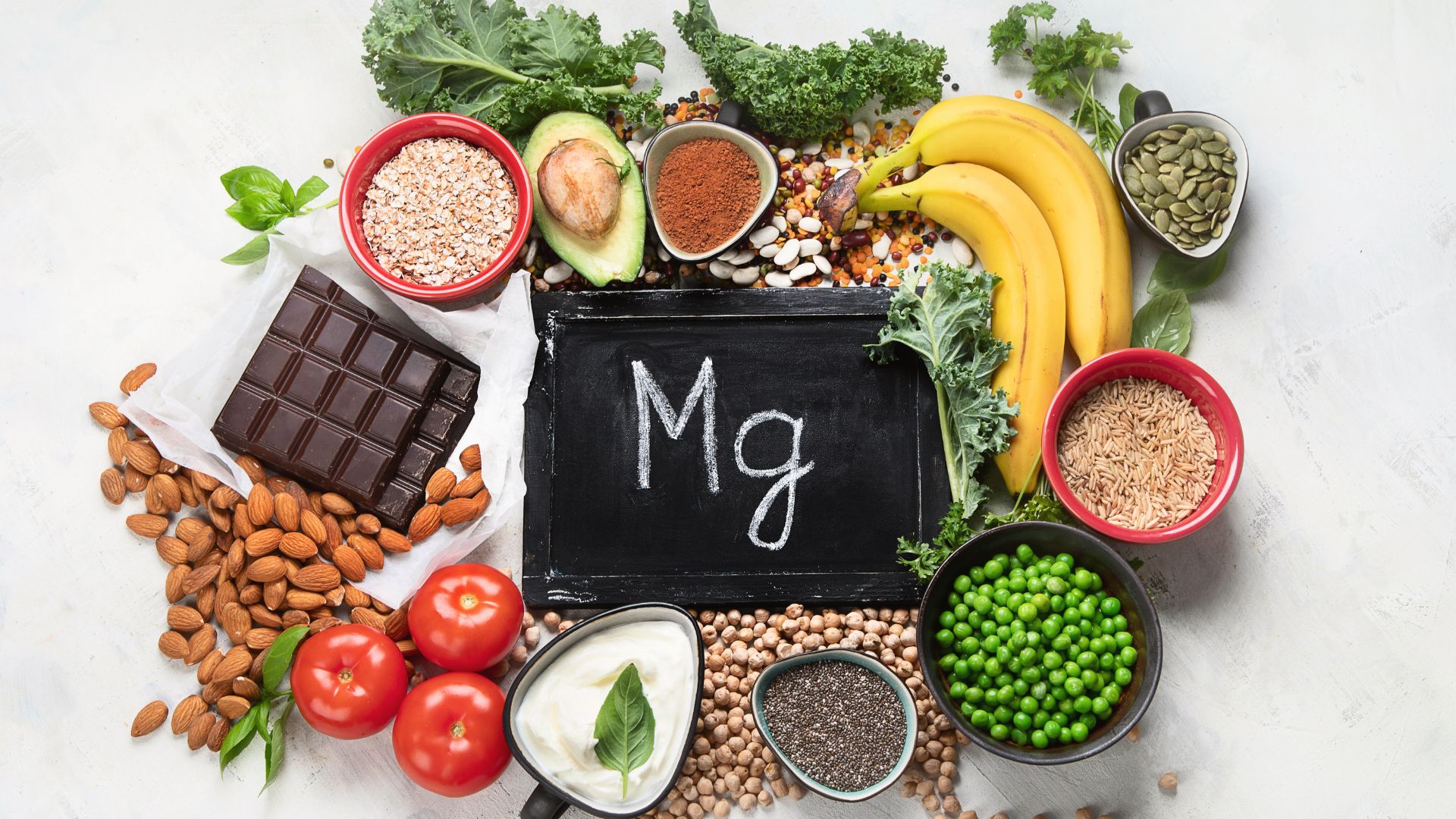
Magnesium helps regulate calcium transport and influences bone cell activity. Many people don’t get enough, yet it’s easy to find in foods like spinach, pumpkin seeds, black beans, and bananas. Including these in daily meals supports your skeletal framework.
A handful of seeds or a simple smoothie can fill nutritional gaps. Magnesium and calcium work better together than alone.
6. Practice Balance and Flexibility Exercises

Falls are a leading cause of fractures, especially in older adults. By improving balance and flexibility, you reduce fall risk and help bones stay intact longer. Activities like tai chi or stretching routines strengthen stabilizer muscles.
Even five minutes a day can improve coordination. It’s not about performance; it’s about prevention.
Try This Mini Routine:
- Single-leg stance: Hold for 30 seconds each leg
- Toe-to-heel walk: 20 steps across a hallway
- Neck and spine stretches: Gently rotate and reach
7. Limit Salt in Processed Foods

High sodium intake can increase calcium loss through urine. This slowly chips away at bone mass over time, especially in diets that rely on packaged or restaurant foods. Reading labels and cooking at home helps keep salt levels in check.
Opt for herbs, citrus, and spices for flavor. Your bones will thank you quietly, but surely.
8. Stay Hydrated Throughout the Day

Your bones contain a surprising amount of water. Dehydration can reduce joint lubrication and affect nutrient delivery. By drinking water consistently, you support cellular processes involved in bone turnover and repair.
Keep a bottle nearby and sip regularly. Hydration helps not only muscles and skin, but your skeleton too.
9. Include Protein in Every Meal

Protein forms part of the collagen matrix in bone tissue. Without it, the bones become brittle over time, even with enough calcium. A balanced intake from eggs, legumes, lean meats, or plant-based sources helps maintain density.
Aim for a palm-sized portion of protein with each meal. It keeps your foundation strong and supports muscle, which also protects bone.
Conclusion
Bone health thrives on steady, daily habits. From the foods you eat to the way you move and hydrate, small consistent actions build resilience over time.
By adopting just a few of these nine habits, you can improve your bone density and protect yourself from age-related loss. No need for expensive supplements or drastic changes. Your skeleton responds best to everyday care.