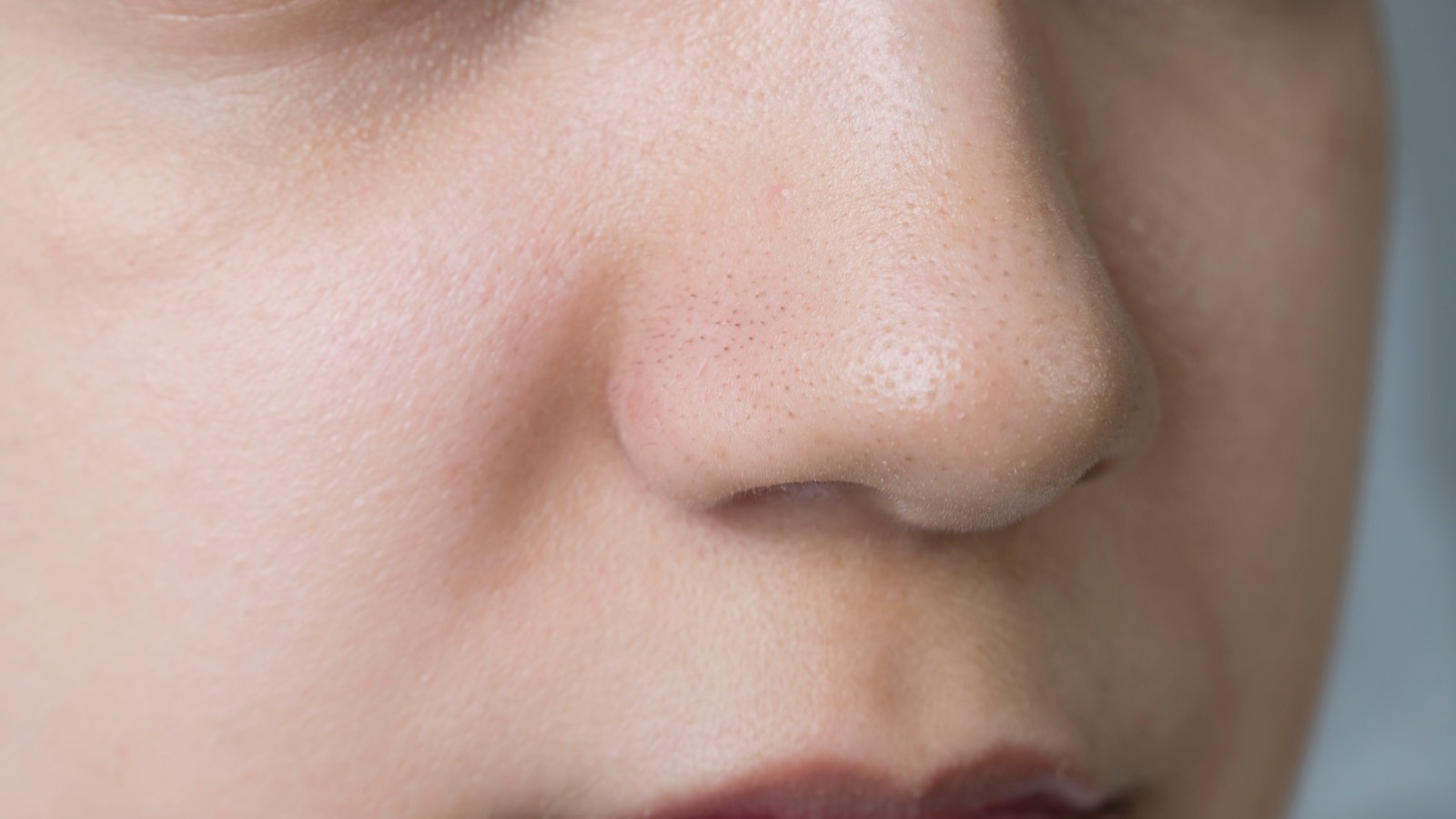
DIY sugar scrub for soft winter skin, with 3 easy recipes and when to skip it
How to make a simple homemade sugar scrub with three easy recipes, how often to use it, which skin types should go gently or skip it, and why you should never use it on your face.

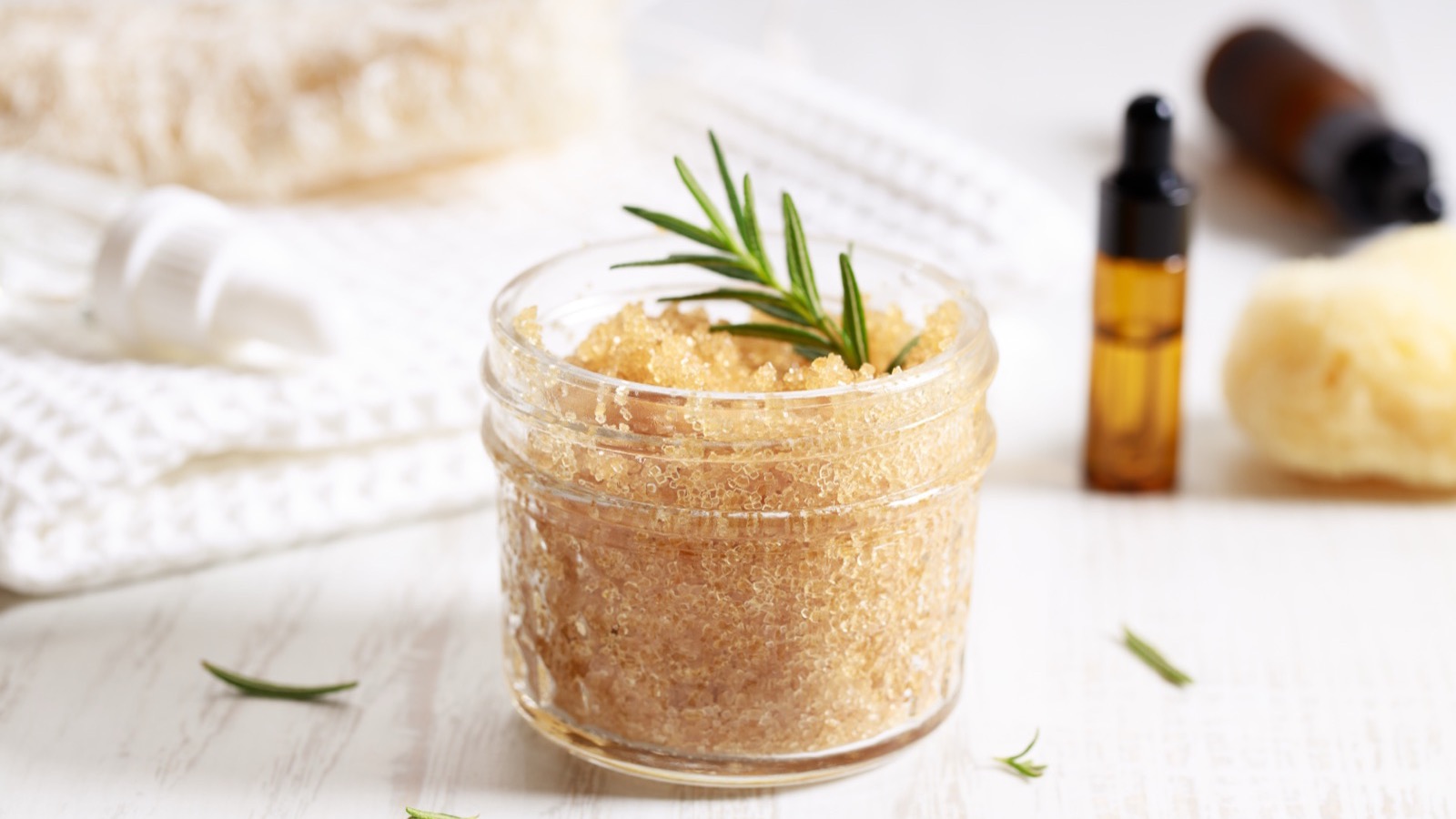
Cold air outside and dry heating inside are hard on your skin. By late November, elbows, knees, heels and hands often feel rough and flaky. That might be why searches for sugar scrubs have jumped on Pinterest this month, with "DIY sugar scrub" and "homemade sugar scrub" both climbing fast. They're also a popular homemade gift at this time of year.
A sugar scrub is easy to make with things you probably already have. Here's how to do it well, how often to use it, and when to leave it on the shelf.
What a sugar scrub does
A sugar scrub is a physical exfoliant. The small sugar grains gently rub away dead skin cells from the surface, and the oil in the scrub leaves a moisturising layer behind. That's why your skin often feels smoother straight away.
The American Academy of Dermatology (AAD) says exfoliating can leave skin brighter and help skin care products work better, but it also warns that doing it the wrong way, or too often, can cause redness and irritation. Gentle and occasional is the key.
The basic recipe
All you need is a ratio of 2 parts sugar to 1 part oil.
- 1 cup sugar
- Half a cup of oil
Mix in a bowl until it looks like wet sand, then spoon it into a clean, dry jar with a lid. That's it.
Which sugar? Brown sugar is softer and gentler, so it's a good choice for most people. White granulated sugar is a little coarser and better for rough areas like feet and elbows.
Which oil? Coconut oil, sweet almond oil, olive oil, sunflower oil and jojoba oil all work. Coconut oil goes solid when it's cool, which gives a firmer scrub. Olive and sunflower oil stay soft.
3 easy sugar scrub recipes
1. Vanilla brown sugar scrub. 1 cup brown sugar, half a cup of sweet almond or sunflower oil, half a teaspoon of vanilla extract. Warm, gentle and smells like baking. A lovely choice to give as a gift.
2. Coconut and lime body scrub. 1 cup white sugar, half a cup of softened coconut oil, the finely grated zest of one lime. Bright and fresh. Keep the zest fine, and skip it if your skin is sensitive.
3. Honey and oat hand and foot scrub. 1 cup brown sugar, a quarter cup of olive oil, 2 tablespoons honey, 2 tablespoons finely ground oats. Thick and soothing for dry hands and rough heels.
Many online recipes add essential oils for scent. Use them sparingly, if at all. Strong fragrances and citrus oils are a common cause of irritation for sensitive skin.
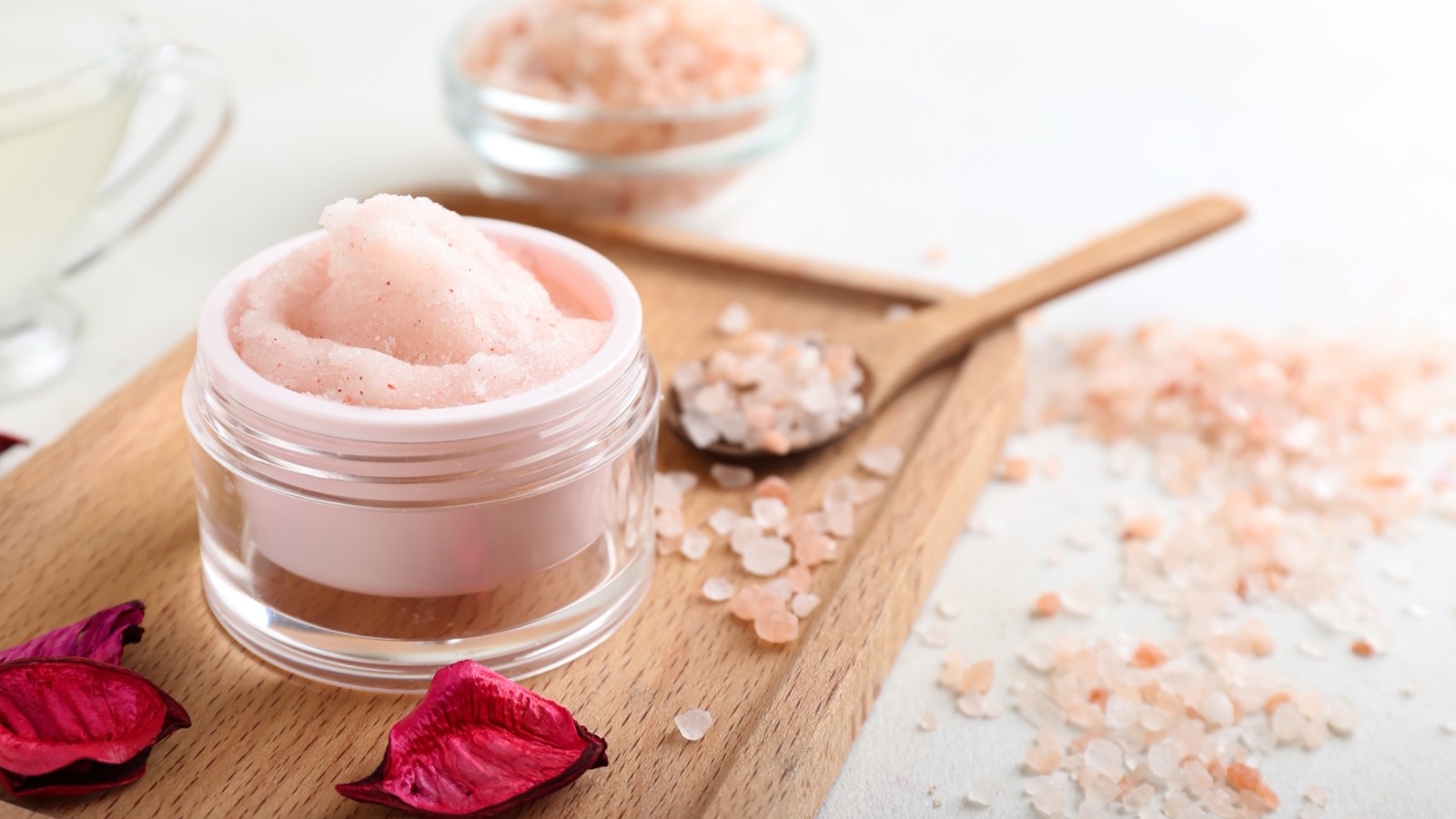
How to use it
- Use it in the shower or bath on damp skin.
- Take a small scoop with a clean, dry spoon, not wet fingers, so water doesn't get into the jar.
- Massage it gently in small circles for about 30 seconds. Let the sugar do the work. Don't scrub hard.
- Rinse with warm water, not hot, and pat your skin dry.
- Follow with a moisturiser while your skin is still slightly damp. The AAD recommends applying moisturiser within a few minutes of bathing to help lock in moisture.
Careful: the oil makes the shower or bath floor slippery. Rinse the floor afterwards.
How often should you use it?
Once or twice a week is plenty for most people. Your skin needs time to recover between sessions. If you notice redness, stinging or extra dryness, cut back.
When to skip it
- On your face. Sugar grains are too rough for the thin skin on your face. Use them on your body, hands and feet only.
- On broken, sunburned or irritated skin. Wait until it's healed.
- If you have eczema, rosacea or very sensitive skin. Physical scrubs can make these worse. The AAD notes that people with sensitive skin or inflammatory skin conditions may do better with a washcloth and a mild chemical exfoliant, or no exfoliation at all. Ask a dermatologist if you're unsure.
- Right after shaving or waxing. Give your skin a day to settle.
Storage and safety
Homemade scrubs have no preservatives. Keep yours in a clean, airtight jar, away from water, and use it within about a month. If it smells off, changes colour, or you see any mould, throw it out. Making smaller batches more often is better than one big jar.
Don't forget the basics
A scrub is a treat, but most dry winter skin is fixed by everyday habits: shorter, warm (not hot) showers, a gentle fragrance-free cleanser, and a thick moisturiser or cream applied daily. Hand cream after every wash helps too.
If you're interested in gentle, natural skin care, you might also like our honest review of using goat milk soap for a month, or our guide to what those tiny skin bumps actually mean.
The bottom line
A DIY sugar scrub takes two minutes to make: two parts sugar, one part oil, and maybe a little vanilla or honey. Use it gently once or twice a week on your body, never on your face, and always follow with moisturiser. It's a simple, cheap way to make winter skin feel soft again.
Sources
- How to safely exfoliate at home (American Academy of Dermatology)
- Dry skin: tips for relief (American Academy of Dermatology)

Stop Buying These 10 Foods (and what I buy instead to live longer)
10 simple swaps, a printable grocery list and a 7-day starter plan. Plus one practical health tip from me each week.
Sent! Check your inbox. Your guide is in an email from Jude at Health Makes You.
Not there in a minute? Check your Promotions or spam folder, and move it to your main inbox so you get my weekly tips.
No spam. Unsubscribe any time.

Written by
Jude Uchella
Jude is the founder of Health Makes You, a YouTube channel about the everyday choices that decide how long and how well you live. He turns real research into clear, practical steps anyone can start today.