Dry, cracked hands in winter? 9 habits that fix them faster
Why hands crack and bleed in winter, how to pick a hand cream that actually works, nine habits that heal dry hands faster, and when it might be eczema.

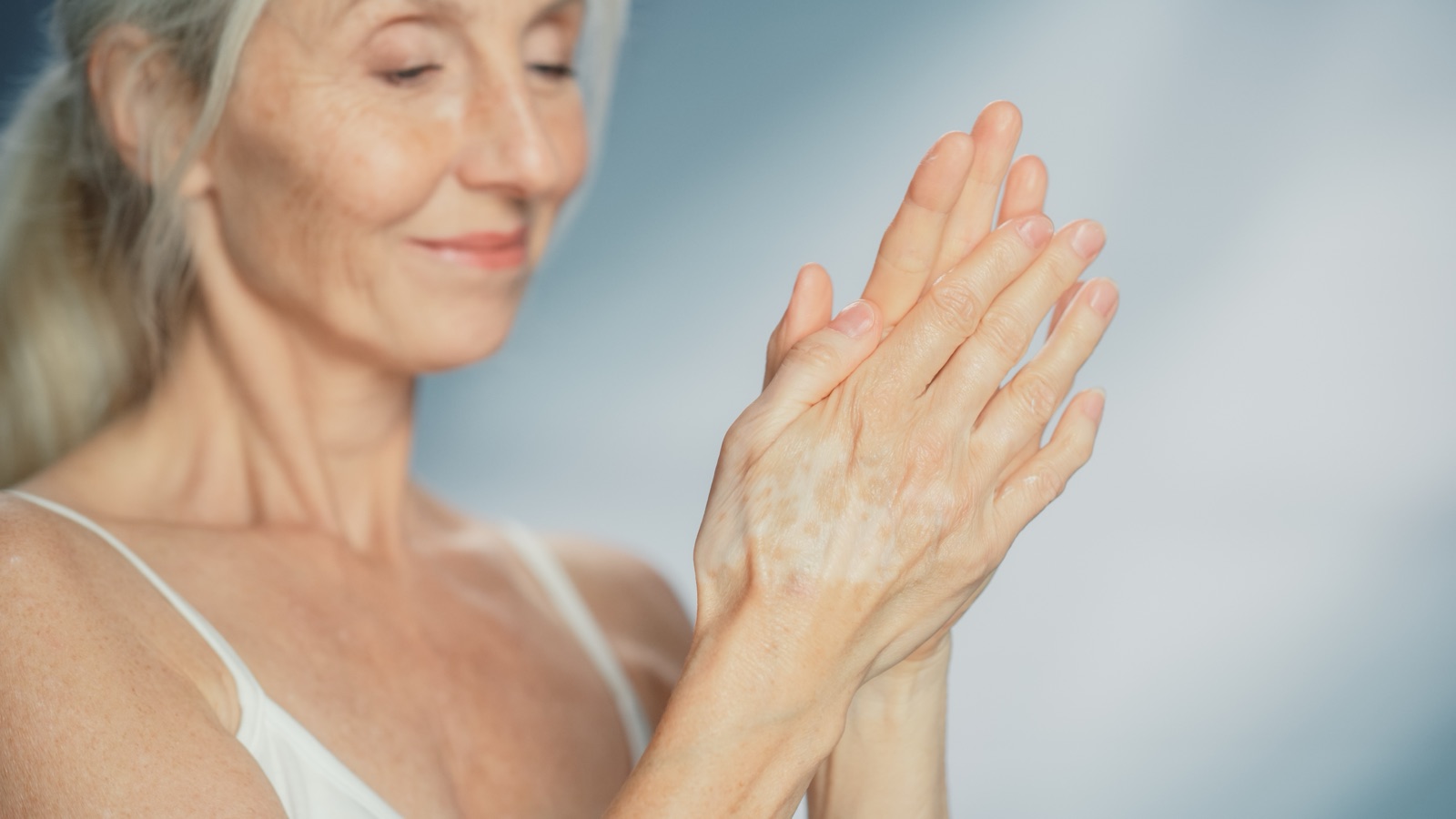
Every winter, the same thing happens: knuckles crack, fingertips split, and the backs of your hands go rough and red. Washing hands often, cold air outside and dry heating inside all strip moisture from the skin. No surprise that searches for "hand cream" on Pinterest are up 50% this month.
The good news is that dry hands usually heal quickly once you change a few habits.
Why hands get so dry
The skin on the backs of your hands is thin and has fewer oil glands than many other parts of your body. Every time you wash, especially with hot water and harsh soap, you rinse away some of the natural oils that hold moisture in. Cold, dry air pulls out even more. The skin barrier cracks, and cracked skin loses water faster still. It's a cycle.
How to choose a hand cream that works
Thicker is usually better. Look for:
- A cream or ointment, not a thin lotion. Lotions are mostly water and evaporate quickly.
- Ingredients that seal in moisture: petrolatum, shea butter, dimethicone, lanolin, mineral oil.
- Ingredients that draw in water: glycerin, hyaluronic acid, urea, lactic acid.
- Ingredients that repair: ceramides.
- "Fragrance-free" if your skin is irritated. Fragrance is a common trigger for itchy, sore hands.
Plain petroleum jelly is cheap and one of the most effective options, especially at night.
9 habits that heal dry hands faster
1. Moisturise after every wash. This is the big one. The American Academy of Dermatology recommends applying hand cream every time you wash your hands, while they're still slightly damp. Keep a tube by every sink.
2. Use lukewarm water, not hot. Hot water strips oils faster.
3. Choose a gentle, fragrance-free soap. Wash for 20 seconds as the CDC advises, then rinse well and pat dry rather than rubbing.
4. Use hand sanitiser when your hands aren't visibly dirty. Alcohol-based sanitisers are often less drying than repeated soap-and-water washing, as long as you moisturise afterwards.
5. Do an overnight treatment. Before bed, apply a thick layer of ointment or petroleum jelly and wear cotton gloves or socks over your hands. Most people see a big difference in one or two nights.
6. Wear gloves outside. Cold wind dries skin fast.
7. Wear rubber gloves for washing up and cleaning. Hot water and detergent are hard on hands. Cotton-lined gloves are kinder still.
8. Run a humidifier if your home heating makes the air very dry.
9. Don't pick at cracks or peeling skin. It opens the skin to infection. For deep cracks on fingertips, a thin layer of ointment and a plaster can help them close.
If you like making your own skin treats, our DIY sugar scrub works on rough hands too, but skip it while skin is cracked or bleeding.
When it might be more than dry skin
Hand eczema (dermatitis) is common, especially in people who wash their hands a lot for work, like nurses, cleaners, hairdressers and food workers. See a doctor or dermatologist if:
- Your hands don't improve after two weeks of regular moisturising
- You have blisters, bleeding, deep painful cracks or swelling
- Your skin is weeping, crusting or looks infected
- The itch keeps you up at night
A doctor may prescribe a medicated cream, and can check for allergies to things you touch every day.
Natural soaps get a lot of attention for gentle cleansing. If you're curious, here's our honest review of using goat milk soap for a month.
The bottom line
Winter hands heal fastest with three things: gentler washing, a thick cream after every wash, and an overnight treatment when they're at their worst. Most dry, cracked hands look and feel better within a week.
Sources
- Dermatologists' top tips for relieving dry skin (American Academy of Dermatology)
- Dry skin relief from handwashing (American Academy of Dermatology)
- Dry, scaly, and painful hands could be hand eczema (American Academy of Dermatology)
- About handwashing (Centers for Disease Control and Prevention)

Stop Buying These 10 Foods (and what I buy instead to live longer)
10 simple swaps, a printable grocery list and a 7-day starter plan. Plus one practical health tip from me each week.
Sent! Check your inbox. Your guide is in an email from Jude at Health Makes You.
Not there in a minute? Check your Promotions or spam folder, and move it to your main inbox so you get my weekly tips.
No spam. Unsubscribe any time.

Written by
Jude Uchella
Jude is the founder of Health Makes You, a YouTube channel about the everyday choices that decide how long and how well you live. He turns real research into clear, practical steps anyone can start today.