Pimple patches: how they work and when to use them
How hydrocolloid pimple patches work, which spots they help with (and which they don't), how to use them properly, and when acne needs more than a sticker.

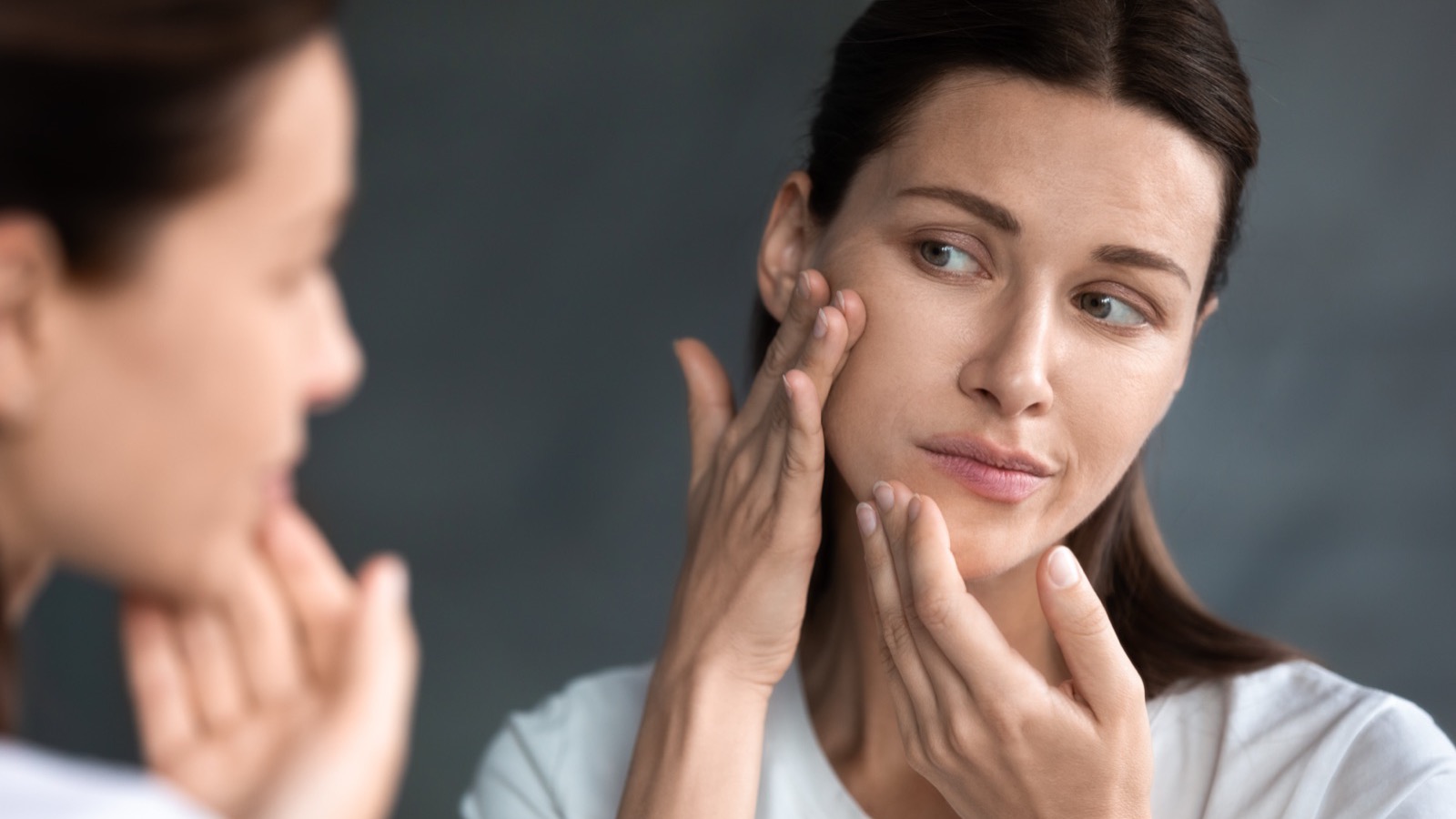
Pimple patches have gone from niche to normal. They're the tiny clear or star-shaped stickers you see on people's faces in videos, at the gym and on the school run. Searches for "pimple patches" on Pinterest are up 70% this month.
They're also one of the few viral skin products that genuinely work, as long as you use them on the right kind of spot.
How pimple patches work
Most pimple patches are made of hydrocolloid, the same material used in wound dressings. It does three things:
- Absorbs fluid. It draws out pus and oil from a spot that has come to a head. That's the white gunk you see on the patch when you peel it off.
- Protects the spot. It stops you picking, squeezing and touching, which is half the battle.
- Keeps the area moist and covered, which can help it heal more cleanly.
Some patches also contain acne ingredients like salicylic acid, tea tree oil or niacinamide. "Microneedle" or "microdart" patches have tiny dissolving points meant to deliver those ingredients into early spots.
Which spots they help
- Whiteheads and pustules (spots with a visible white or yellow head) respond best. A patch overnight often flattens them and soaks up the fluid.
- Spots you've already popped or picked. A patch protects the open skin and helps it heal.
Which spots they don't help much
- Deep, painful cysts and nodules that sit under the skin with no head. Plain hydrocolloid can't reach them. These are better treated by a dermatologist, sometimes with a quick in-office injection.
- Blackheads. These are clogged pores, not fluid-filled spots.
- Lots of acne across your face. Patches treat one spot at a time. Widespread acne needs a proper routine.
How to use them
- Wash and dry the area well. Patches won't stick to oily or damp skin.
- Apply before any moisturiser or serum, directly on clean skin.
- Choose a patch that covers the whole spot with a little margin.
- Leave it on for 6 to 8 hours, or overnight. When the patch turns white and opaque, it's full. Replace it if the spot is still draining.
- Don't reuse patches.
Why not just pop it?
Squeezing spots pushes bacteria and oil deeper, can make swelling worse, and raises the risk of dark marks and scarring. The American Academy of Dermatology advises against popping pimples. A patch gives you something to do instead.
When you need more than patches
Talk to a doctor or dermatologist if:
- You get spots regularly and over-the-counter products like benzoyl peroxide, salicylic acid or adapalene haven't helped after 6 to 8 weeks.
- You have deep, painful cysts.
- Acne is leaving scars or dark marks.
- Acne is affecting how you feel about yourself.
There are very effective prescription treatments, and starting earlier helps prevent scarring.
A simple routine alongside patches
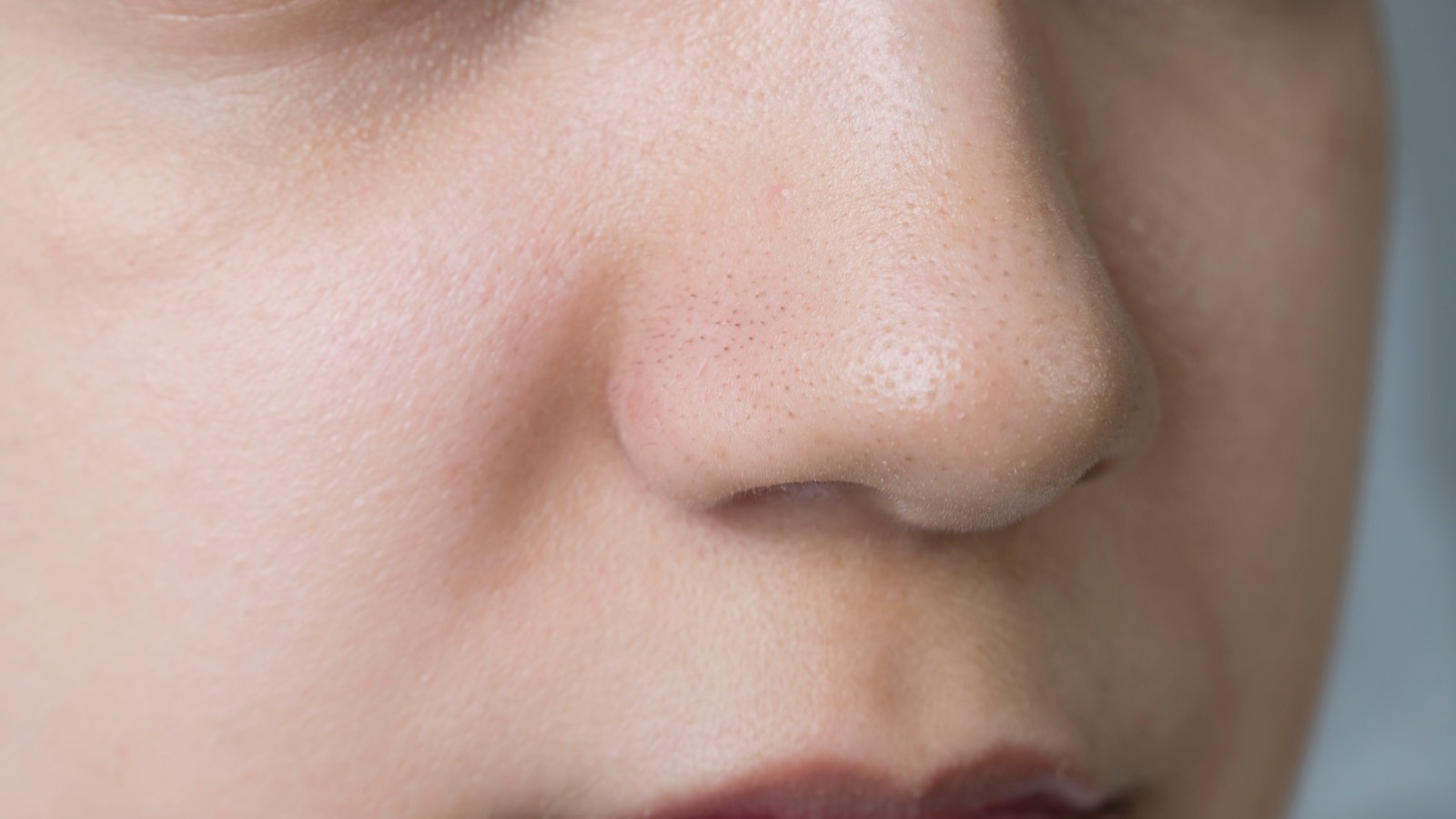
Wash twice a day with a gentle cleanser, use one proven acne ingredient consistently, moisturise with a non-comedogenic product and wear sunscreen. If you're also dealing with visible pores, see our guide to why pores look bigger and what helps. For bumps that aren't acne at all, read what those tiny skin bumps actually mean.
The bottom line
Pimple patches are cheap, simple and genuinely useful for spots with a head, and for stopping you from picking. They won't fix deep cysts or widespread acne, so think of them as a spot treatment, not a whole skin care plan.
Sources
- How to treat different types of acne (American Academy of Dermatology)
- Pimple popping: why only a dermatologist should do it (American Academy of Dermatology)
- Acne: diagnosis and treatment (Mayo Clinic)
Stop Buying These 10 Foods (and what I buy instead to live longer)
10 simple swaps, a printable grocery list and a 7-day starter plan. Plus one practical health tip from me each week.
Sent! Check your inbox. Your guide is in an email from Jude at Health Makes You.
Not there in a minute? Check your Promotions or spam folder, and move it to your main inbox so you get my weekly tips.
No spam. Unsubscribe any time.

Written by
Jude Uchella
Jude is the founder of Health Makes You, a YouTube channel about the everyday choices that decide how long and how well you live. He turns real research into clear, practical steps anyone can start today.