How to make protein balls that actually hold together (plus 4 flavours)
A simple no-bake protein balls recipe with oats and peanut butter, the tricks that stop them crumbling, four easy flavours, and an honest look at how much protein and sugar each ball really has.

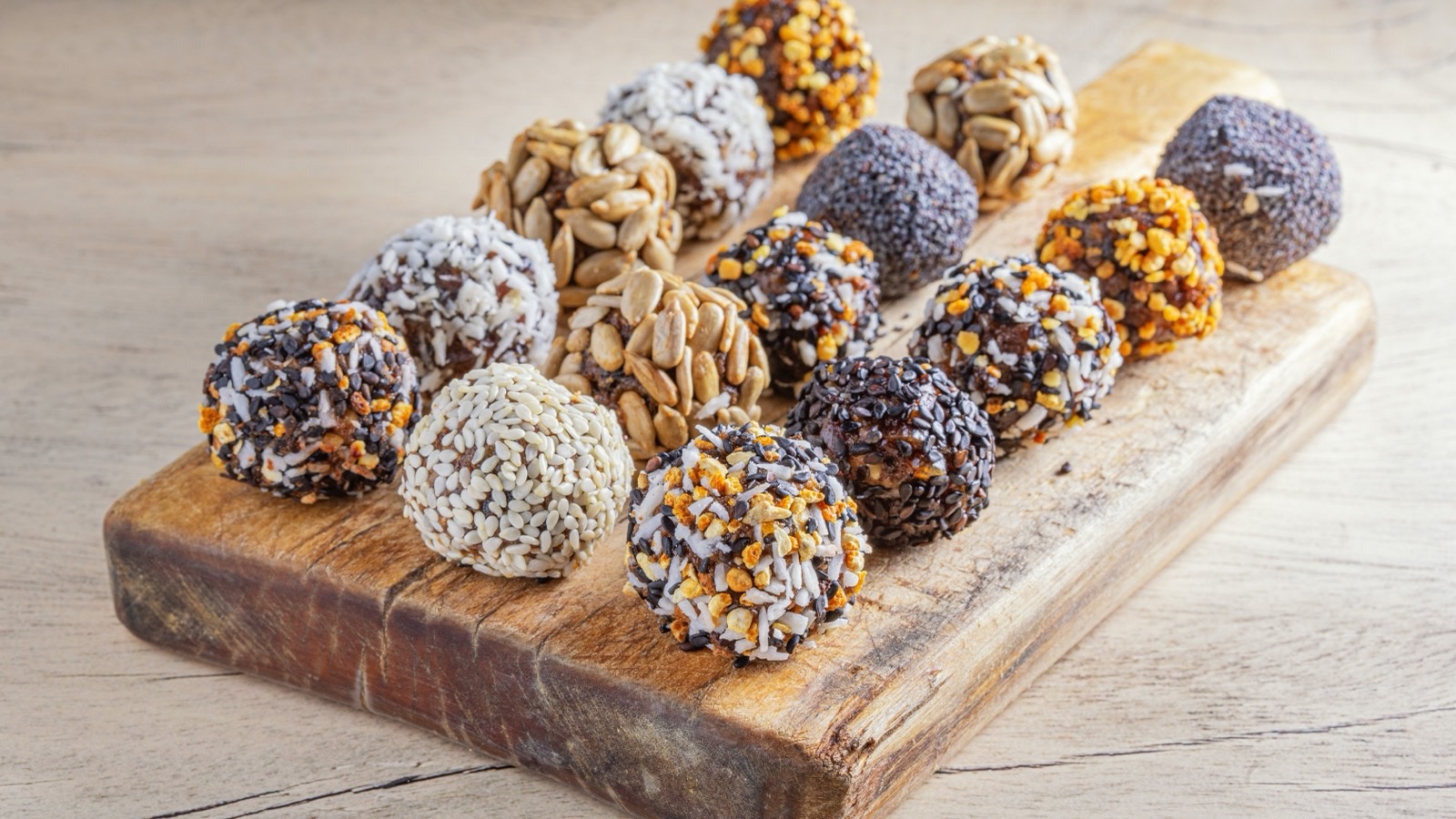
Protein balls are the snack Pinterest can't stop saving. They take about fifteen minutes, there's no oven involved, and a batch sitting in the fridge saves you from the vending machine on a busy afternoon. The problem most people run into is simple: the mixture is either a crumbly mess that won't roll, or a sticky paste that clings to your hands and never firms up.
This guide fixes that. You'll get one base recipe that works every time, the small tricks that make the balls hold their shape, four flavours to rotate through the week, and a realistic look at what's actually inside each one, because "protein" on the label doesn't always mean what people think.
The base recipe (makes about 14 balls)
This is the version to learn first. Once you've made it twice, you won't need to measure much.
- 1 cup old-fashioned rolled oats
- 1/2 cup natural peanut butter (the kind with just peanuts and salt)
- 1/4 cup honey or maple syrup
- 2 tablespoons ground flaxseed
- 1/4 cup mini dark chocolate chips
- 1 teaspoon vanilla extract
- A small pinch of salt
- Stir the peanut butter, honey and vanilla together in a bowl until smooth. If your peanut butter is stiff from the fridge, warm it for 10 seconds first.
- Add the oats, flaxseed, salt and chocolate chips, and mix until every oat is coated.
- Put the bowl in the fridge for 20 to 30 minutes. This is the step most recipes skip, and it's the one that matters most.
- Scoop level tablespoons of the mixture and roll them between your palms into balls about the size of a walnut.
- Store them in a sealed container in the fridge.
Why your protein balls fall apart (and how to fix it)
Almost every problem comes down to the balance between dry ingredients and sticky ones.
Too crumbly? You need more binder. Add one more tablespoon of nut butter or a teaspoon of honey, mix, and test again. A splash of milk also works if you don't want extra sweetness. Natural peanut butter that has been sitting in the cupboard can be dry at the bottom of the jar, so stir the oil back in before measuring.
Too sticky? Add oats a tablespoon at a time, or a tablespoon of ground flaxseed. Then chill the mixture. Warm nut butter is runny, so a mix that seems hopeless at room temperature often rolls perfectly after half an hour in the fridge.
Sticking to your hands? Rinse your hands with cold water and don't dry them completely. Slightly damp palms stop the mixture clinging. Some people use a small cookie scoop so every ball is the same size and they need very little handling.
Rolling in a coating? Roll the balls in desiccated coconut, cocoa powder or finely chopped nuts straight after shaping, while the surface is still a little tacky. The coating also stops them sticking to each other in the container.
4 easy flavours to try
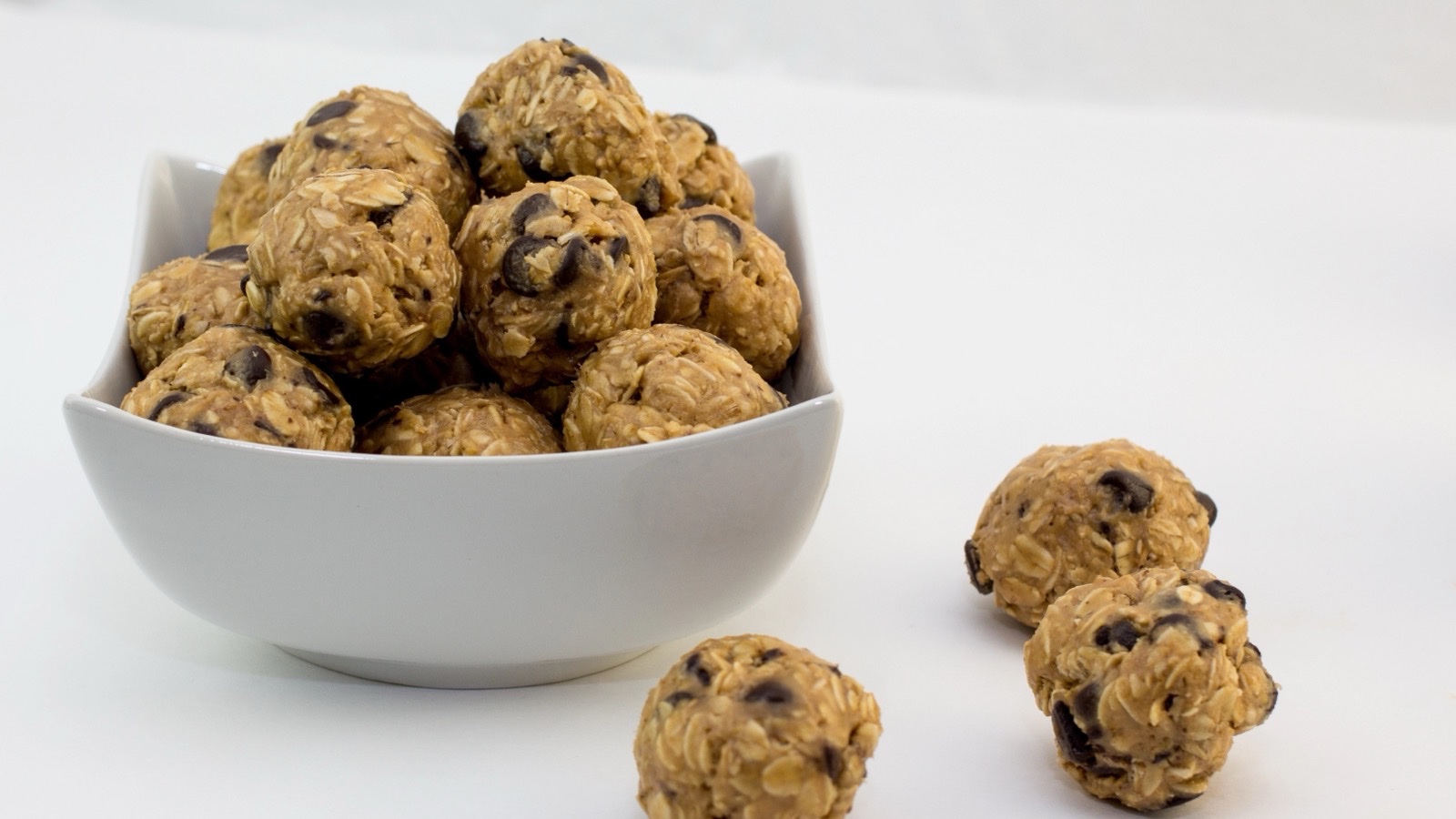
1. Peanut butter chocolate chip. The base recipe above. It tastes like cookie dough and is the one most people come back to.
2. Coconut almond. Swap the peanut butter for almond butter, use 2 tablespoons of cocoa powder instead of the flaxseed, and add 1/4 cup of unsweetened shredded coconut. Roll the finished balls in more coconut.
3. Oatmeal raisin. Use the base recipe, swap the chocolate chips for raisins, and add half a teaspoon of cinnamon. It's like a soft oatmeal cookie, and it's especially good with a cup of tea.
4. Nut-free trail mix. Use sunflower seed butter instead of peanut butter, then swap the chocolate chips for a mix of pumpkin seeds and dried cranberries. This is a good choice for lunchboxes in schools or offices with nut rules. Sunflower seed butter can turn slightly green when it meets baking soda or baking powder, but there's none in this recipe, so you won't see that here.
How much protein is really in a protein ball?
Here's the honest answer: a homemade oat and peanut butter ball usually has around 3 grams of protein. Most of it comes from the peanut butter, with a little from the oats and flaxseed. That's useful, but it's a snack, not a protein shake.
For context, the Harvard T.H. Chan School of Public Health's Nutrition Source explains that the National Academy of Medicine recommends a minimum of 0.8 grams of protein for every kilogram of body weight per day, which works out at just over 7 grams for every 20 pounds. A 140-pound person needs about 50 grams a day. Two protein balls won't get you there on their own, but they add to what you eat at meals.
If you want more protein per bite, stir in two scoops of unflavoured or vanilla protein powder with an extra splash of milk to keep the texture soft. That brings each ball to roughly 5 or 6 grams, depending on the powder. You can also serve your protein balls next to a pot of Greek yogurt or a glass of milk instead.
Watch the sweetener
The other honest point is sugar. A quarter cup of honey spread across 14 balls adds roughly a teaspoon of sugar to each one, before the chocolate chips. That's far less than most shop-bought snack bars, but it adds up if you eat four in a row.
The American Heart Association suggests most women keep added sugar to no more than about 6 teaspoons a day and most men to no more than about 9 teaspoons. So two protein balls fit comfortably into a day; a whole container doesn't. If you'd like to cut the sweetness, use half the honey and replace the rest with a mashed ripe banana or a few chopped soft dates, and eat them within three days.
Why the oats and nuts are worth it
The base ingredients are the real reason this snack is better than a cookie. Harvard's Nutrition Source notes that the main soluble fibre in oats, called beta-glucan, has been studied for slowing digestion and helping people feel full. Nuts bring healthy unsaturated fats along with their protein, and Harvard points out that people who eat nuts regularly tend to have a lower risk of heart disease in large studies. Ground flaxseed adds a little more fibre, plus a plant form of omega-3 fat.
None of that makes protein balls a health food you can eat by the handful. They're still energy-dense, which is exactly why they work well before a workout or on a long afternoon, and why one or two is the right portion.
Storage and safety tips
Protein balls keep for about a week in a sealed container in the fridge, and for up to three months in the freezer. Freeze them on a tray first so they don't stick together, then move them into a bag. They thaw in about ten minutes at room temperature.
If you're cooking for someone with coeliac disease, use oats labelled gluten-free. The Celiac Disease Foundation explains that regular oats are often grown and processed alongside wheat, barley and rye, so they're easily cross-contaminated. And if anyone has a nut allergy, stick to the sunflower seed version and check every label, including the chocolate chips.
The bottom line
Good protein balls come down to the right ratio and a short chill. Mix one cup of oats with half a cup of nut butter and a little honey, rest it in the fridge, roll with damp hands, and you'll have two weeks of easy snacks in fifteen minutes. Treat them as a helpful snack rather than a protein fix, and they'll earn their place in your fridge. If peanut butter is already a staple in your house, our video on what happens when you eat peanut butter every day goes deeper into what it does for your body.
Sources
- Protein (Harvard T.H. Chan School of Public Health, The Nutrition Source)
- Oats (Harvard T.H. Chan School of Public Health, The Nutrition Source)
- Nuts for the heart (Harvard T.H. Chan School of Public Health, The Nutrition Source)
- Added sugars (American Heart Association)
- Gluten-free foods (Celiac Disease Foundation)

Written by
Jude Uchella
Jude is the founder of Health Makes You, a YouTube channel about the everyday choices that decide how long and how well you live. He turns real research into clear, practical steps anyone can start today.