Are under-eye patches worth it? What they can and can't do
What under-eye patches really do for puffiness, dark circles and fine lines, which ingredients to look for, how to use them, and the everyday habits that matter more.

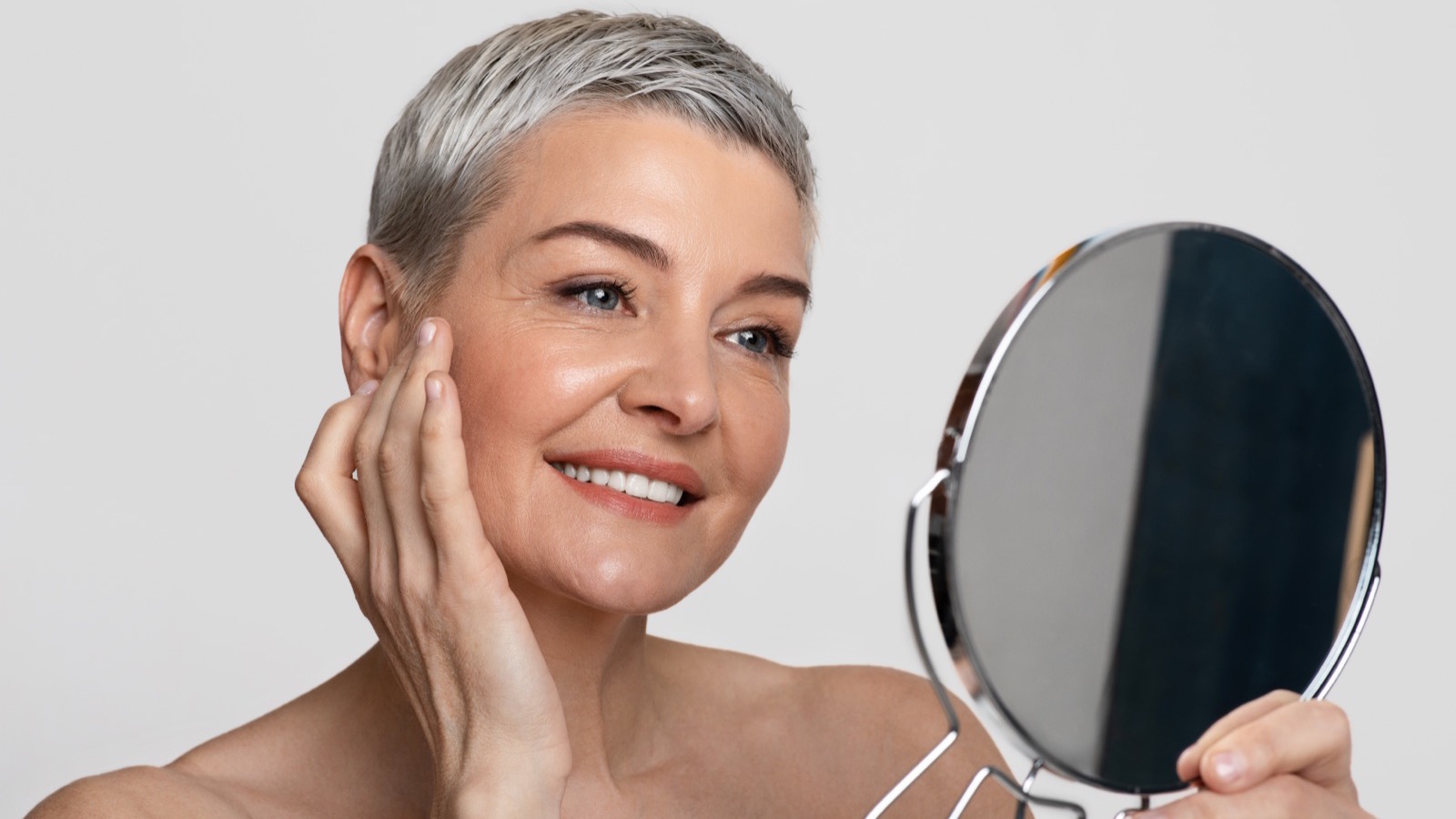
Under-eye patches are everywhere right now: little gold, pink or clear crescents that promise to wipe away puffiness and dark circles in 15 minutes. Searches for "under eye patches" are up 80% on Pinterest this month, and "eye patches" are up 600% on last year.
So, do they work? Yes, a little, for some things. Here's what to expect.
What under-eye patches are
They're thin pads made of hydrogel or fabric, soaked in a serum. You press them under your eyes for about 10 to 20 minutes. The patch holds the serum against the skin, which helps it soak in, and the cooling feel calms the area.
What they can do
- Reduce morning puffiness, briefly. Cool patches (especially ones kept in the fridge) constrict blood vessels and help fluid drain. Puffiness usually looks better for a few hours.
- Hydrate. Patches with hyaluronic acid or glycerin plump the top layer of skin, so fine lines look softer for the day.
- Feel nice. That counts. Five quiet minutes with your eyes closed isn't nothing.
What they can't do
- Fix dark circles from genetics or shadows. A lot of dark circles come from thin skin showing the veins underneath, extra pigment that runs in families, or hollows that cast a shadow as we age. A patch can't change any of that.
- Get rid of wrinkles. Any smoothing is temporary hydration.
- Replace sleep. Sorry.
Ingredients worth looking for
- Hyaluronic acid or glycerin: for hydration and a plumper look.
- Caffeine: may help with puffiness by narrowing blood vessels for a short time.
- Niacinamide: may help with uneven tone over time with regular use.
- Peptides: often in "anti-ageing" patches; evidence is still limited.
Be careful with patches that are heavily fragranced or contain strong acids or retinoids if your skin is sensitive. The skin under your eyes is the thinnest on your face.
How to use them
- Start with a clean, dry face.
- Keep patches in the fridge for an extra cooling effect.
- Place them on the bone under your eye, not right up against your lashes.
- Leave them on for the time on the pack, usually 10 to 20 minutes. Longer isn't better; some patches dry out and start pulling moisture back.
- Pat any leftover serum into your skin, then follow with your usual moisturiser.
Stop if you get stinging, redness or itching.
Habits that matter more
If you get puffy, dark under-eyes most days, everyday habits make a bigger difference than any patch:
- Sleep 7 to 9 hours on a regular schedule. Our 60-minute bedtime routine can help.
- Cut back on salty food and alcohol in the evening, which both cause fluid retention.
- Sleep with your head slightly raised if you wake up puffy.
- Treat allergies. Hay fever and dust allergies are a common cause of dark, puffy eyes.
- Wear sunscreen and sunglasses to protect thin under-eye skin.
- Don't rub your eyes.
When to see a doctor
See a doctor if puffiness is in one eye only, comes with pain, redness or itching, or appears suddenly with swelling elsewhere in your body. Persistent dark circles that bother you can also be treated by a dermatologist with options like topical creams, lasers or fillers.
The bottom line
Under-eye patches are a nice, quick pick-me-up for puffiness and dryness, especially before an event. They won't fix genetic dark circles or replace good sleep. Enjoy them as a treat, not a treatment.
Sources
- Dark circles under eyes (Mayo Clinic)
- Bags under eyes (Mayo Clinic)

Stop Buying These 10 Foods (and what I buy instead to live longer)
10 simple swaps, a printable grocery list and a 7-day starter plan. Plus one practical health tip from me each week.
Sent! Check your inbox. Your guide is in an email from Jude at Health Makes You.
Not there in a minute? Check your Promotions or spam folder, and move it to your main inbox so you get my weekly tips.
No spam. Unsubscribe any time.

Written by
Jude Uchella
Jude is the founder of Health Makes You, a YouTube channel about the everyday choices that decide how long and how well you live. He turns real research into clear, practical steps anyone can start today.