Is a walking pad worth it? What it can and can't do for your health
What a walking pad is, how it differs from a treadmill, what the research says about breaking up sitting and daily steps, who it suits best, and simple tips for walking while you work or watch TV.

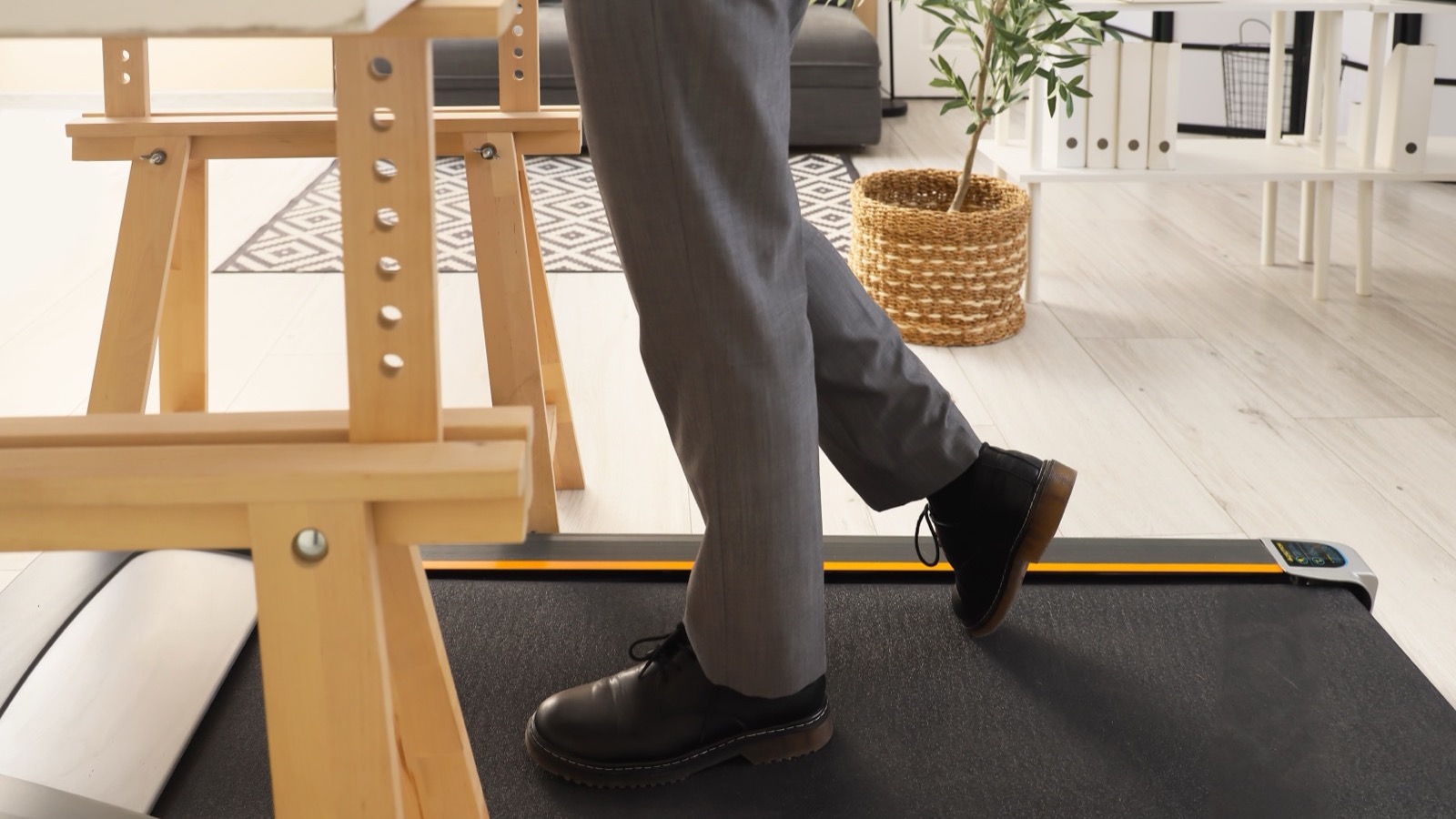
Walking pads are everywhere right now. These slim, folding treadmills slide under a desk or a sofa, and searches for them on Pinterest have doubled compared with last year. The pitch is appealing: walk while you answer emails, take calls or watch your favourite show, and rack up thousands of extra steps without "working out".
But is a walking pad really worth the money? Here's what it is, what the research says, and how to get the most from one if you buy it.
What is a walking pad?
A walking pad is a compact treadmill without the tall handrails and console. Most have a top speed of around 4 miles per hour (6 kilometres per hour), which is a brisk walk, and they're controlled by a small remote or an app. Some fold in half. Most are low enough to slide under a bed or sofa when you're done.
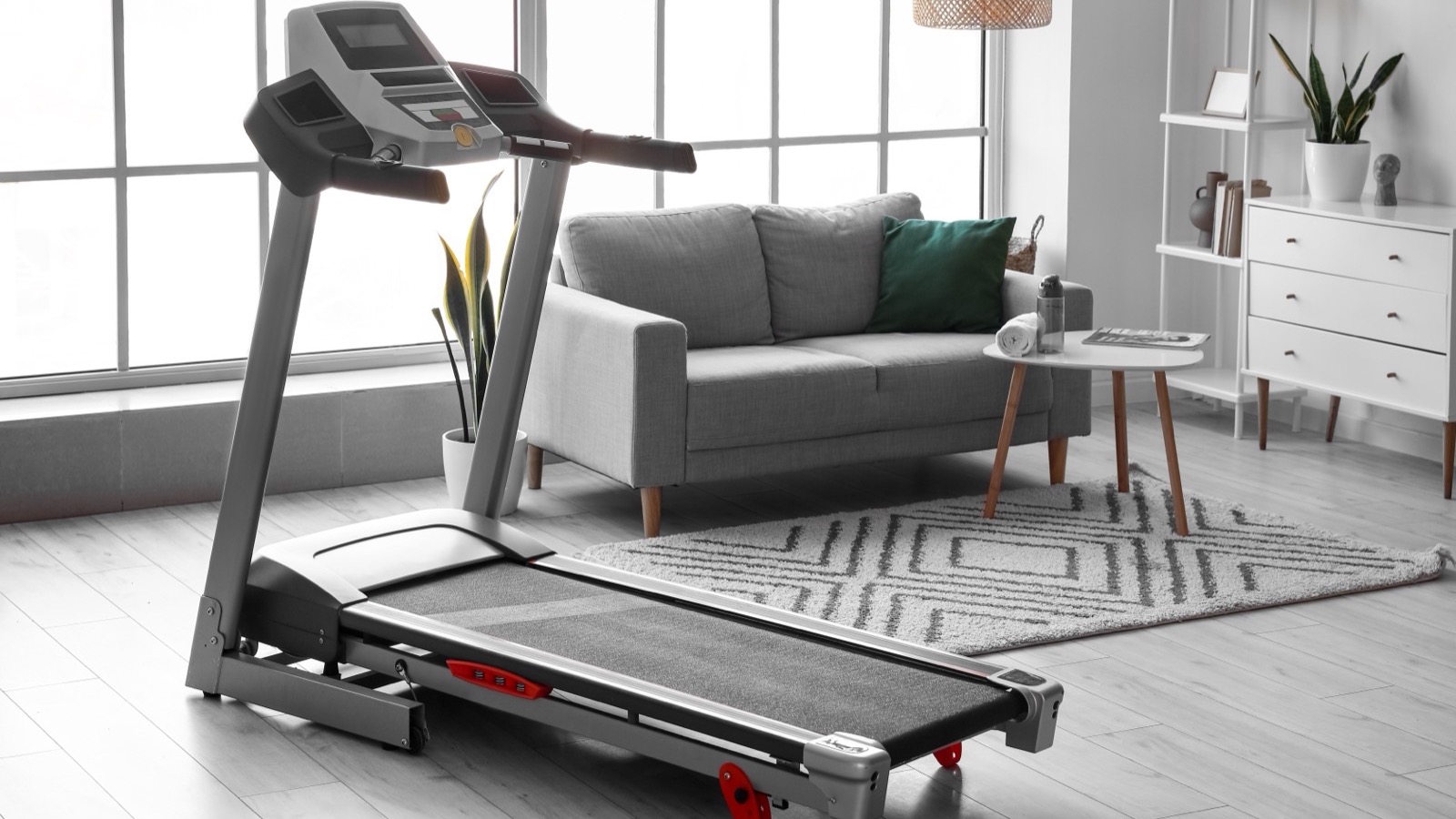
That makes them different from a regular treadmill. You can't really run on most walking pads, there's usually no incline, and they're designed for steady walking over longer periods rather than hard workouts.
Why sitting less matters
Many of us sit for most of the day, at a desk, in the car and on the sofa in the evening. The idea behind a walking pad is to swap some of that sitting time for gentle movement.
There's good reason to think that helps. A 2022 review in the journal Sports Medicine looked at studies where people broke up long periods of sitting with standing or light walking. Light walking breaks improved blood sugar and insulin levels after meals compared with sitting the whole time. Standing alone didn't have the same effect, which suggests that moving matters more than just getting out of the chair.
Daily step counts matter too. A large 2022 analysis of 15 studies, published in The Lancet Public Health, found that adults who took more steps each day had a lower risk of dying early than those who took the fewest. The benefit levelled off at around 6,000 to 8,000 steps a day for adults aged 60 and over, and 8,000 to 10,000 steps a day for younger adults.
What a walking pad can't do
It's worth being honest about the limits.
- It's not a full workout. Slow walking at a desk is light activity. The Centers for Disease Control and Prevention (CDC) recommends at least 150 minutes a week of moderate-intensity activity, like brisk walking, plus muscle-strengthening on two days. A walking pad can help with the first part if you walk briskly, but it won't build strength.
- It won't undo everything else. Steps help, but sleep, food and overall activity still matter.
- It doesn't suit every job. Typing detailed work or taking video calls while walking takes practice, and some people find it hard to concentrate.
Who a walking pad suits best
- People who work from home and sit for long stretches.
- Anyone who finds it hard to get outside because of weather, darkness, safety or caring responsibilities.
- People who enjoy TV or audiobooks and want to turn that time into movement.
- Beginners who want an easy, low-pressure way to build a walking habit.
If you already walk outdoors every day and enjoy it, you may not need one. Fresh air and daylight bring benefits a walking pad can't.
Tips for walking while you work
- Start slow. Begin at 1 to 1.5 miles per hour (1.5 to 2.5 kilometres per hour) while you get used to typing or talking. Speed up for calls or reading.
- Use short sessions. Try 20 to 30 minutes at a time, a few times a day, rather than hours in one go.
- Set up your desk properly. You'll need a standing desk or a raised surface so your screen is at eye level and your elbows are at roughly 90 degrees.
- Wear supportive shoes. Walking in socks or slippers for long periods is hard on your feet.
- Walk after meals. A short walk after lunch or dinner is a good habit, and it fits with what the research says about blood sugar after eating.
- Keep it safe. Use the safety clip if your model has one, keep children and pets away from the belt, and unplug it when you're done.
Is it worth buying?
If your days are mostly sitting and you struggle to fit in walks, a walking pad can be a genuinely useful tool. Think about where it will live, how loud it is, its weight limit and maximum speed before you buy. If you're not sure, try adding a few 10-minute walking breaks to your day first. If you like the habit, a walking pad makes it easier to keep. If you'd rather walk without any equipment at all, our 4-week walking plan you can do at home is a good place to start.
And if you're wondering how much indoor life affects your health in other ways, watch our video on the hidden dangers of staying indoors too much.
The bottom line
A walking pad won't replace exercise, but it can replace a lot of sitting, and that's worth something. Walk in short, steady sessions, add a few brisk ones, and use it alongside strength work and time outdoors for the best results.
Sources
- The acute effects of interrupting prolonged sitting time in adults with standing and light-intensity walking on biomarkers of cardiometabolic health (Buffey and others, Sports Medicine, 2022)
- Daily steps and all-cause mortality: a meta-analysis of 15 international cohorts (Paluch and others, The Lancet Public Health, 2022)
- Physical activity guidelines for adults (Centers for Disease Control and Prevention)

Stop Buying These 10 Foods (and what I buy instead to live longer)
10 simple swaps, a printable grocery list and a 7-day starter plan. Plus one practical health tip from me each week.
Sent! Check your inbox. Your guide is in an email from Jude at Health Makes You.
Not there in a minute? Check your Promotions or spam folder, and move it to your main inbox so you get my weekly tips.
No spam. Unsubscribe any time.

Written by
Jude Uchella
Jude is the founder of Health Makes You, a YouTube channel about the everyday choices that decide how long and how well you live. He turns real research into clear, practical steps anyone can start today.