
Your period can be a challenging time, bringing cramps, fatigue, bloating, and mood swings. While pain relievers and heating pads help, what you eat also plays a big role in how you feel. Certain foods can ease menstrual cramps, reduce bloating, and boost energy, making your period much more manageable.
This article dives into the best foods to eat during your period to feel better, stay energized, and minimize discomfort.
Why Diet Matters During Your Period
Hormonal changes during your period affect your energy levels, digestion, and even how much pain you feel. Here’s how:
- Prostaglandins cause cramps – These hormone-like substances help your uterus contract, but high levels can lead to painful cramps. Anti-inflammatory foods can help reduce their impact.
- Iron levels drop – Blood loss during your period can lower your iron levels, causing fatigue. Eating iron-rich foods helps keep your energy up.
- Fluctuating hormones affect mood – Estrogen and progesterone shifts can make you feel irritable or anxious. Nutrient-rich foods can help balance these effects.
- Water retention leads to bloating – Some foods worsen bloating, while others help flush out excess fluids.
By choosing the right foods, you can work with your body instead of against it, making your period more comfortable.
Best Foods to Eat on Your Period
Leafy Greens for Iron and Magnesium

Leafy greens like spinach, kale, and Swiss chard are packed with iron, which is essential to replenish what you lose during your period. Low iron levels can lead to dizziness, fatigue, and weakness, so eating iron-rich foods is a must.
- Spinach – Contains iron and magnesium, which helps relax muscles and ease cramps.
- Kale – High in vitamin K, which supports blood clotting and reduces excessive bleeding.
- Swiss chard – Provides a mix of iron, magnesium, and antioxidants to fight inflammation.
Pairing leafy greens with a source of vitamin C (like citrus fruits or bell peppers) helps your body absorb the iron better.
Fatty Fish for Omega-3s and Vitamin D

Salmon, mackerel, and sardines are excellent sources of omega-3 fatty acids, which reduce inflammation and help relieve menstrual cramps. Studies show that omega-3s can lower prostaglandin levels, reducing pain intensity.
- Salmon – Also rich in vitamin D, which helps with mood regulation and bone health.
- Mackerel – Contains coenzyme Q10, which boosts energy levels.
- Sardines – High in calcium, which can reduce muscle tension and cramping.
If you don’t eat fish, you can get omega-3s from chia seeds, flaxseeds, and walnuts.
Dark Chocolate for Magnesium and Mood Boosting

Good news—dark chocolate (at least 70% cocoa) is not just a craving; it’s actually beneficial! It contains magnesium, which helps relax muscles and reduce cramps. Plus, it boosts serotonin levels, improving your mood.
- Magnesium relaxes the uterine muscles, easing cramps.
- Dark chocolate is rich in antioxidants, which fight inflammation.
- It also provides small amounts of iron, helping with energy levels.
Opt for dark chocolate with minimal added sugar to get the most benefits.
Bananas for Bloating and Muscle Relaxation

Bananas are rich in potassium, vitamin B6, and magnesium, making them great for easing bloating and reducing cramps.
- Potassium helps regulate fluid balance, preventing water retention and bloating.
- Vitamin B6 supports serotonin production, helping with mood swings.
- Magnesium relaxes muscles, reducing cramping.
Add bananas to smoothies, oatmeal, or eat them plain as a quick, energy-boosting snack.
Nuts and Seeds for Healthy Fats and Hormonal Balance

Almonds, walnuts, flaxseeds, and sunflower seeds are nutrient powerhouses that support hormonal balance and reduce inflammation.
- Almonds – Contain vitamin E, which helps reduce breast tenderness.
- Walnuts – Rich in omega-3s to combat cramps.
- Flaxseeds – Provide lignans, which help regulate estrogen levels.
- Sunflower seeds – High in vitamin B6 and magnesium, both of which ease PMS symptoms.
Eating a handful of mixed nuts or adding seeds to smoothies, yogurt, or salads is an easy way to incorporate them into your diet.
Whole Grains for Steady Energy
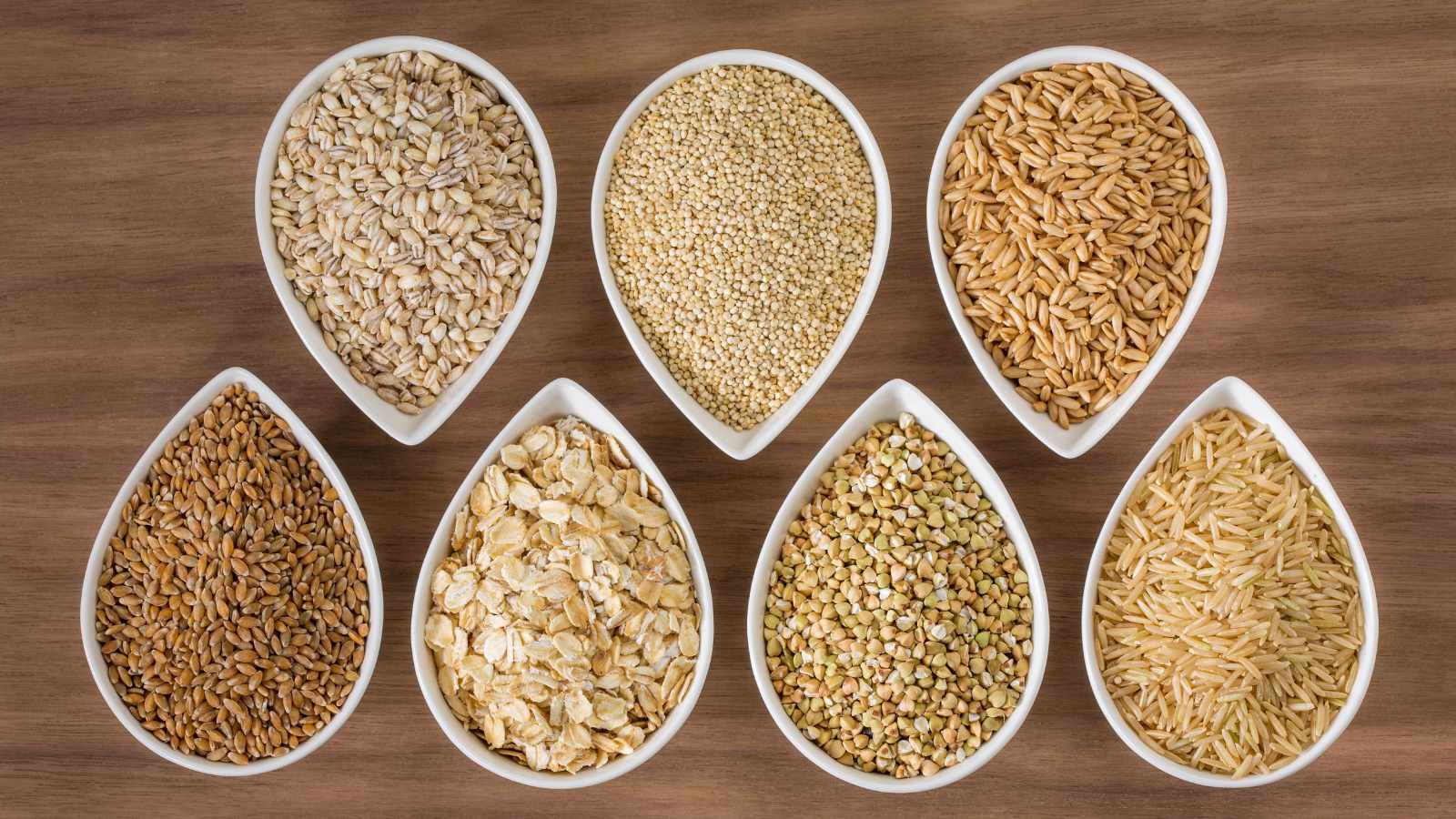
Fatigue is a common complaint during periods, and whole grains provide steady, slow-releasing energy. They’re rich in fiber, which helps with digestion and prevents constipation.
- Oats – Contain iron, magnesium, and fiber, making them a perfect period breakfast.
- Quinoa – A complete protein with iron and magnesium.
- Brown rice – Provides B vitamins, which support energy production.
Whole grains help stabilize blood sugar, preventing energy crashes and mood swings.
Water and Herbal Teas for Hydration and Bloating Relief

Staying hydrated is key to reducing bloating and keeping your digestive system running smoothly. Water helps flush out excess sodium, which can contribute to bloating.
Herbal teas also offer additional benefits:
- Ginger tea – Reduces nausea and inflammation.
- Peppermint tea – Eases bloating and digestive discomfort.
- Chamomile tea – Helps with cramps and promotes relaxation.
Aim for at least 8 cups of water daily and sip on herbal teas throughout the day for extra relief.
Foods to Avoid on Your Period
While some foods help, others can make symptoms worse. Here’s what to limit:
- Salty foods – Excess salt can worsen bloating and water retention.
- Sugary snacks – Spikes in blood sugar can lead to energy crashes and mood swings.
- Caffeine – Too much caffeine can increase anxiety and worsen cramps.
- Processed foods – Artificial additives and trans fats can increase inflammation.
- Dairy (for some people) – Can contribute to bloating and cramping in those sensitive to lactose.
Meal Ideas for Your Period
Here are some easy meal ideas using the best period-friendly foods:
Breakfast:
- Oatmeal with flaxseeds, banana, and a drizzle of honey
- Scrambled eggs with spinach and whole-grain toast
Lunch:
- Quinoa salad with kale, chickpeas, and lemon dressing
- Grilled salmon with brown rice and steamed broccoli
Snack:
- Dark chocolate and almonds
- Greek yogurt with sunflower seeds and berries
Dinner:
- Stir-fried tofu with mixed veggies and brown rice
- Lentil soup with whole-grain bread
Conclusion
Your diet plays a big role in how you feel during your period. By eating iron-rich leafy greens, omega-3-packed fish, magnesium-filled nuts and seeds, and hydrating herbal teas, you can reduce cramps, boost energy, and improve your overall mood.
Small changes in what you eat can make a big difference. So, the next time your period comes around, stock up on these foods and give your body the nourishment it needs!